The world of trading card games has changed drastically in recent years. Since COVID, Pokémon’s TCG has rose from a collectible game primarily for kids to an investment portfolio where the online celebrities almost trade it more than stocks and shares. Bandai Namco have also launched numerous new games including One Piece, and that’s before the long-standing stalwarts of sports cards enter the mix. Trading cards are not just for collectors, they’re commodities, as useful to hold and sell like assets as they are to play. Which has both positive and negative consequences for those whose hobbies revolve around shiny cardboard.
Though we discussed Pokémon’s growth as a TCG when discussing the franchise’s 30th anniversary last month, that franchise's rapid evolution feels in contrast to another that, until recently, has felt stubbornly frozen in time. Yu-Gi-Oh! has always been a player-first card game by nature of its creation - unlike every other series that turned a popular IP into a card game or were conceived from the very beginning as a card game (such as Magic the Gathering), this series began as a manga by the late Kazuki Takahashi that initially featured a wide array of games of chance and skill before the card game we know today was ever introduced. Even then, it took time before the manga shifted to make this TCG the focus, and for a physical game to be produced.
Since its inception, the purpose of Yu-Gi-Oh! was to create an enthralling battle shonen first, and a collectible card game second. Of course, it’s long since superseded the series, with future anime, manga and other productions revolving around the card game rather than the reverse, but its initial conceit remained a driving force behind the game. Where many games engage a strict card pool that only allow cards within a certain amount of years to remain playable while the limited Pokémon pool means that every Pokémon will make a recognizable, desirable re-appearance in a new set, Yu-Gi-Oh! allows every card no matter how old to be played, with an ever-growing number of archetypes.
While this doesn’t mean the game has been immune to reprinting classic cards in collectible formats, it has been a TCG driven less by high-value collectibles and more on building a vibrant competitive scene with an ever-growing, ever-evolving array of archetypes to duel and strategize with. Rather than concentrating on a few beloved creatures re-used and recycled ad infinitum, a diluted and expanding array of archetypes means there's a never-ending list of creatures and designs. Everyone can have their own favorite when there's literally tens of thousands to choose from, but as a result few will rise above for enduring adoration.
This complexity and depth has been what personally appealed to me about Yu-Gi-Oh! for years, even as I could appreciate the simplicity and fun of One Piece and Pokémon's TCGs and would occasionally play them with friends. However, it's an approach that leaves the TCG increasingly out-of-step with the modern industry. Roughly 10.2 billion of the roughly-75 billion of the Pokémon TCG Cards in circulation since its debut were printed within the 2024-25 Fiscal Year, while participation at major championships has not had the similar explosive growth. This growth has been fueled not by players, but collectors with no desire to play for themselves.
It shows no sign of slowing down, either. The market was valued globally at $7.8billion in 2025, projected to grow to $11.8 billion by 2030. Where the One Piece Card Game has collectable minisets and highly-sought after cards that lean into the adoration of the original manga art to create desirable collectibles even non-players want, Yu-Gi-Oh!’s focus on playability means the series lacks a broader pool of iconic creatures and characters beyond a few early favorites to entice those collectors to engage with the series.
If Yu-Gi-Oh! is to compete in this changing market, it needs to appeal to these people through collectible variants of iconic creatures and the introduction of new series mascots, each of which will entice non-players. Yet it must maintain accessibility to both long-term and new players who wish to compete without worrying about this as strongly, something that has left many Pokémon players frustrated when each new set is nearly-impossible to buy from standard retailers.
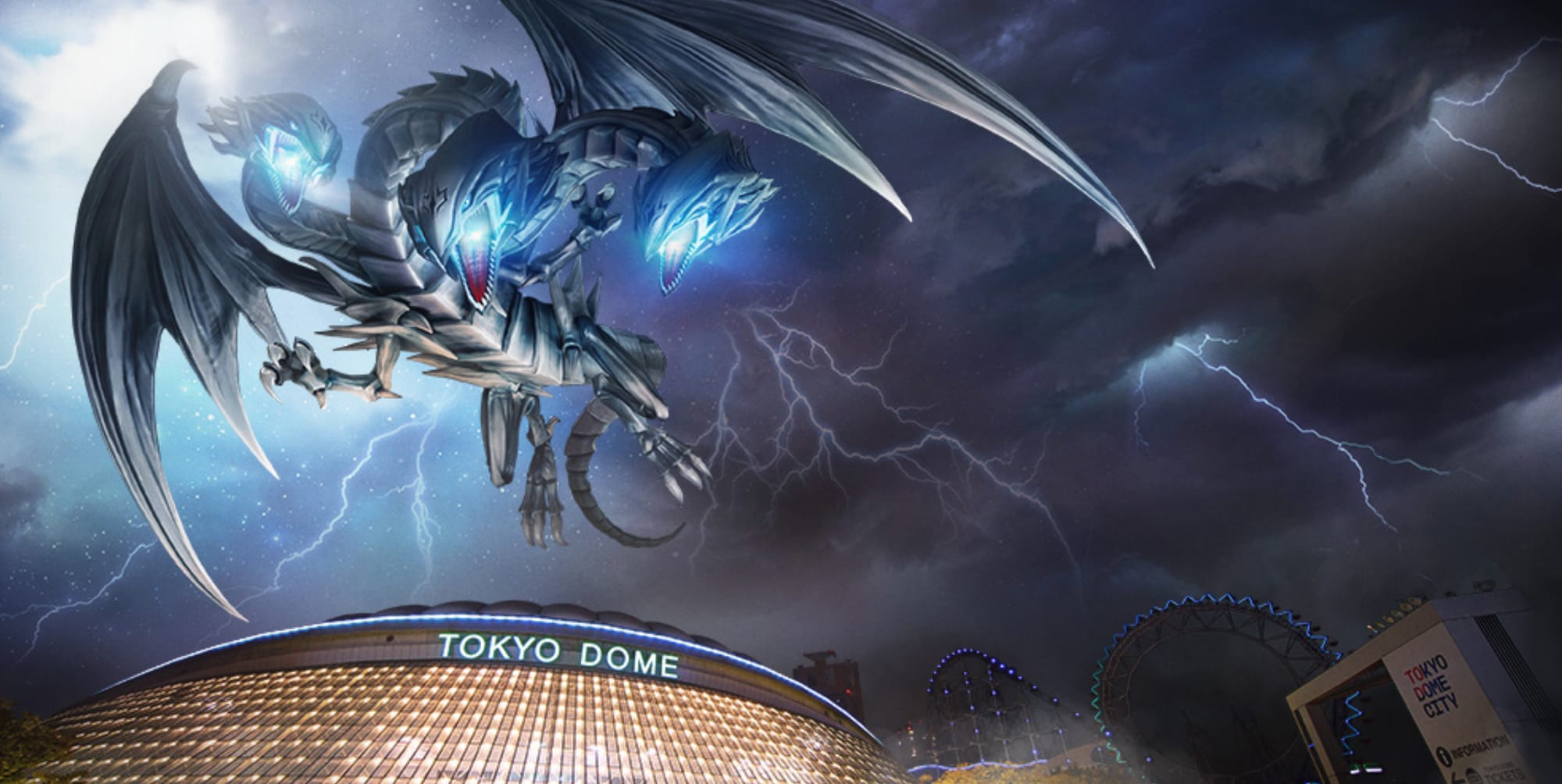
In 2024, the Yu-Gi-Oh! franchise celebrated its 25th anniversary with a grand showcase at Tokyo Dome known as The Legend of Duelist. The event felt momentous as a celebration of the series' long history at the time, yet in retrospect feels increasingly like a proclamation on the direction it would take towards the future. While some possible new releases, such as an AI dueling companion and a VR gaming experience, have not been released to the broader public, other announcements from the event to celebrate the series anniversary brought nostalgic characters and creatures to the forefront for fans and non-fans alike while attempting to assert the series' potential as a rich universe for all to explore.
This was an event that saw the unveiling of the Yu-Gi-Oh! Early Days Collection, a gaming compilation that collected a slew of early Game Boy and Game Boy Color games into one release, prominently featuring original manga and anime protagonists Yugi Moto and Seto Kaiba on the cover. A new animation studio named Konami Animation was introduced to the public via a showcase of their first project, a series of animated shorts bringing the lore of beloved monsters and archetypes to from Yu-Gi-Oh! history to life. Alongside Dark Magician and Blue-Eyes White Dragon were shorts centered on the Spirit Charmers and Sky Strikers, an attempt to establish these already-popular characters as something just as desirable as the long-time favorites.
✨買取情報✨
— カードラッシュ遊戯王 (@cardrush_yugioh) March 6, 2026
黒魔導のカーテン グランドマスターレア 500万円‼
黒魔導のカーテン OFプリシク 10万円‼
黒魔導のカーテン OFウルトラ 14,000円‼
大人気のため買取超強化いたしました🔥🔥🔥
ぜひお近くのカードラッシュまでお持ち込みください‼… pic.twitter.com/j7nk5XWpec
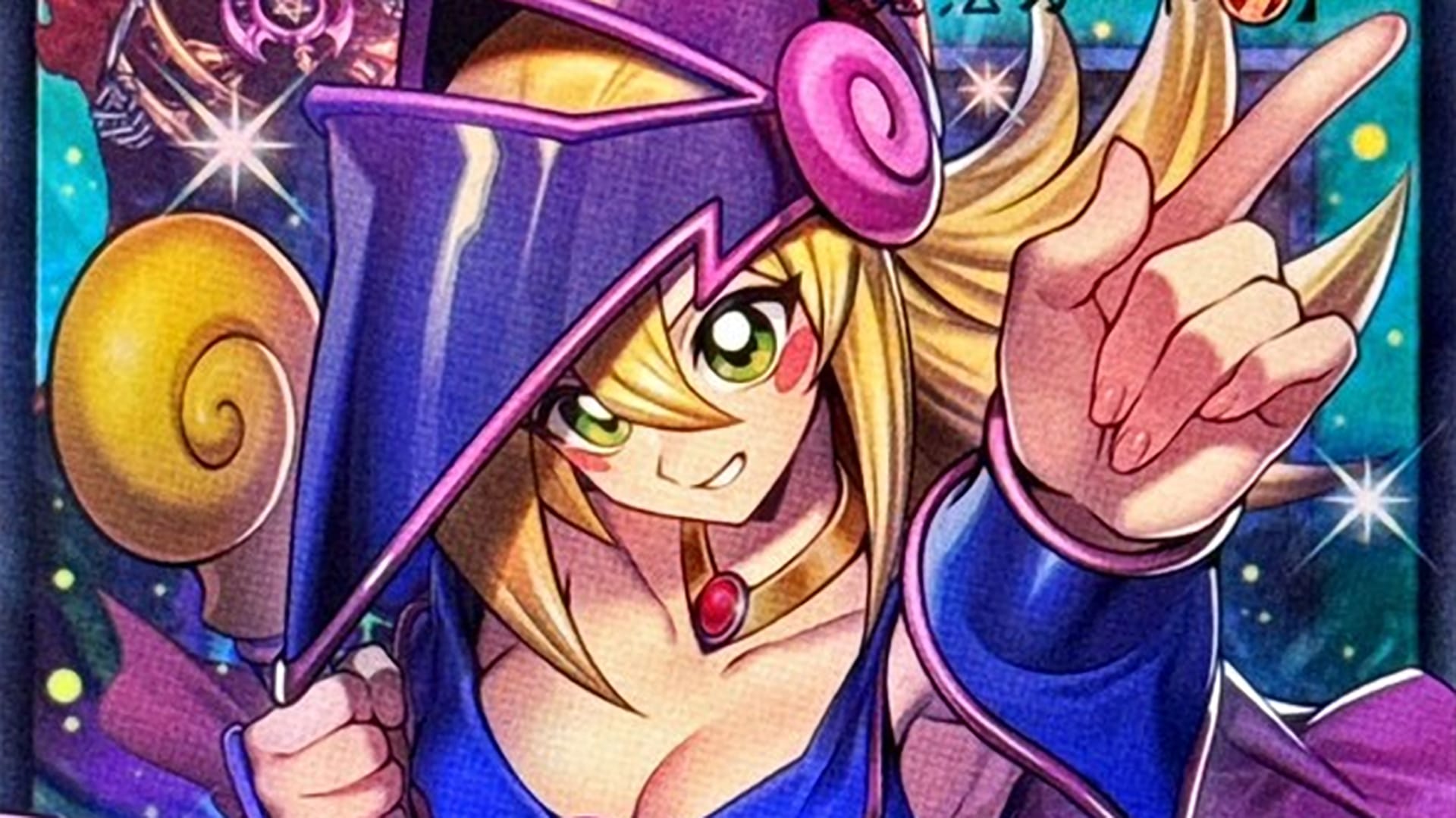
Recently, the company introduced overframe artwork cards, a popular design seen in other card games that would make its cards prettier and more desirable to collectors when compared to the historical, utilitaritan look that is the series standard. These cards were introduced in the Yu-Gi-Oh! Over Frame Collection sets which also introduced the most blatant attempt to entice players to Yu-Gi-Oh! as a commodity with the debut of the Grandmaster card rarity. These special serialized cards limited to just 100 copies each are designed for speculation and collectibility, with card stores selling one featuring Dark Magician Girl for ¥5,000,000 in the days following the first set’s release.
Additional promotional cards have been released tied to other products, such as new designs for the Egyptian God Cards paired with tapestries containing the artwork and limited to 200 copies each. Each release has utilized scarcity as a marketing and sales tactic and immediately sold out, become collectible and desired on secondary markets while attracting people to cards old and new from the series' broad history. So far, this has been achieved while siloing speculative card game investments from competitive settings.
It’s a necessity to maintain relevance in a world where even TCG previously devoid of IP like Magic the Gathering have embraced collaborations while others such as Pokémon and One Piece enjoy explosive growth on the backs of beloved characters and imagery. It’s also a little sad to discuss the card game in such a way. What card games have become in the last decade is in many ways devoid of the child-friendly, collectible fun that drove their initial creation, and nowhere is that more true than with Yu-Gi-Oh!’s recent shift to embracing collectors in such brazen manners.
While it’s commendable the company have tried to ensure cards remain accessible and playable to those who simply wish to compete, it’s a sobering reflection of an industry transformed when the only way for these games to survive is to embrace the most extreme capitalist endgames. Yu-Gi-Oh! is growing thanks to its willingness to change and abandon the last vestiges that tied it to its humbler roots. Perhaps that’s a good thing for all sides. Yet it also feels a little unfortunate that such a solution is necessary for survival.