Yanesen history
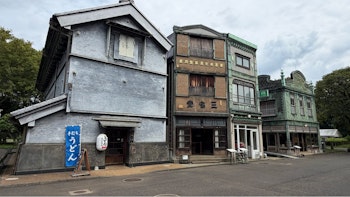
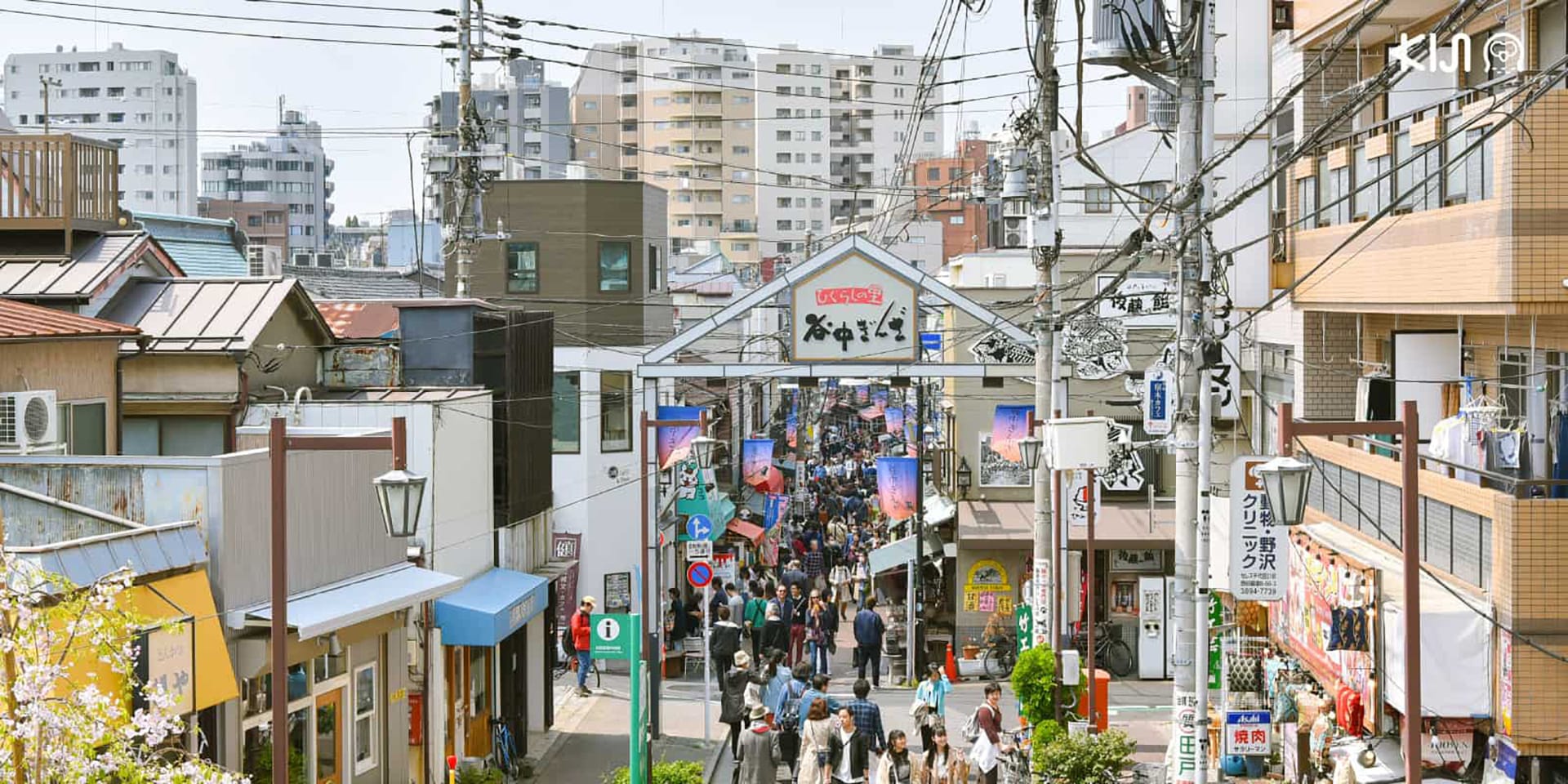
The areas of Yanaka, Ginza, Nezu, and Sendagi, collectively known as Yanesen, are a district in Tokyo's Shitamachi area, steeped in traditional Showa-period style, with an increasingly modern core beneath its nostalgic veneer. Spared the firebombing that destroyed much of Tokyo's traditional architecture, the area has maintained its historical charm. It's the perfect place to experience that sweet spot of tradition and modernity that permeates many of Japan's neighborhoods.
Shrines and temples
Nezu Shrine
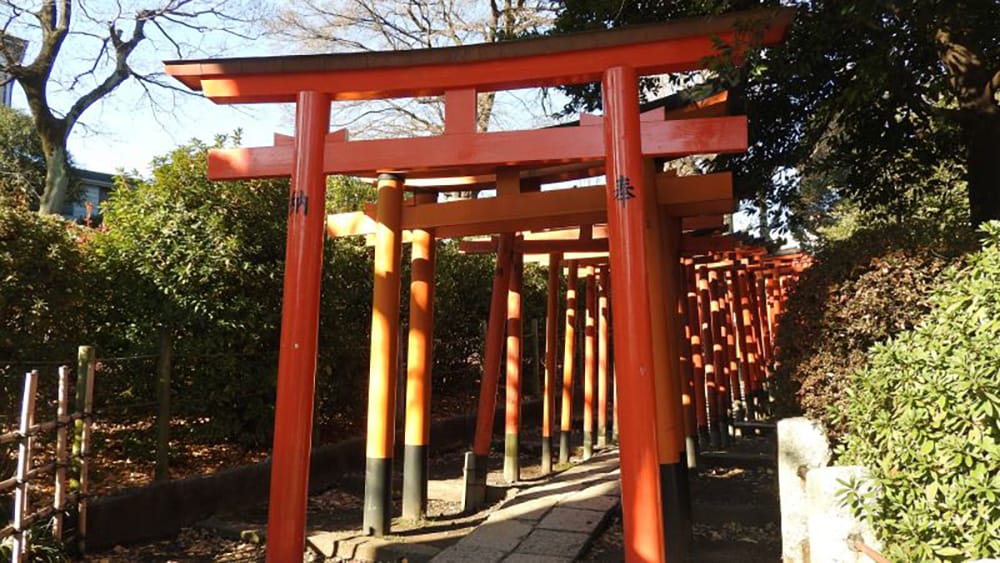
Although legend traces its origins back to the first century, the shrine in its current form was established in 1705 when the Tokugawa Shogunate relocated and rebuilt it. This makes Nezu Shrine one of the oldest and most historically significant shrines in Tokyo. Many original Edo-period structures survived both the Great Kanto Earthquake and the devastation of the war, giving visitors a rare glimpse into the architectural style of the era.
Nezu Shrine is perhaps best known for its bright vermilion torii gates that curve through the grounds. In spring, the shrine becomes the center of the famous Bunkyo Azalea Festival when more than three thousand azalea bushes burst into bloom across the hillside garden. The combination of ancient buildings, torii gates, and seasonal color has led many to call Nezu Shrine the most beautiful shrine in Tokyo.
Yanaka Cemetery
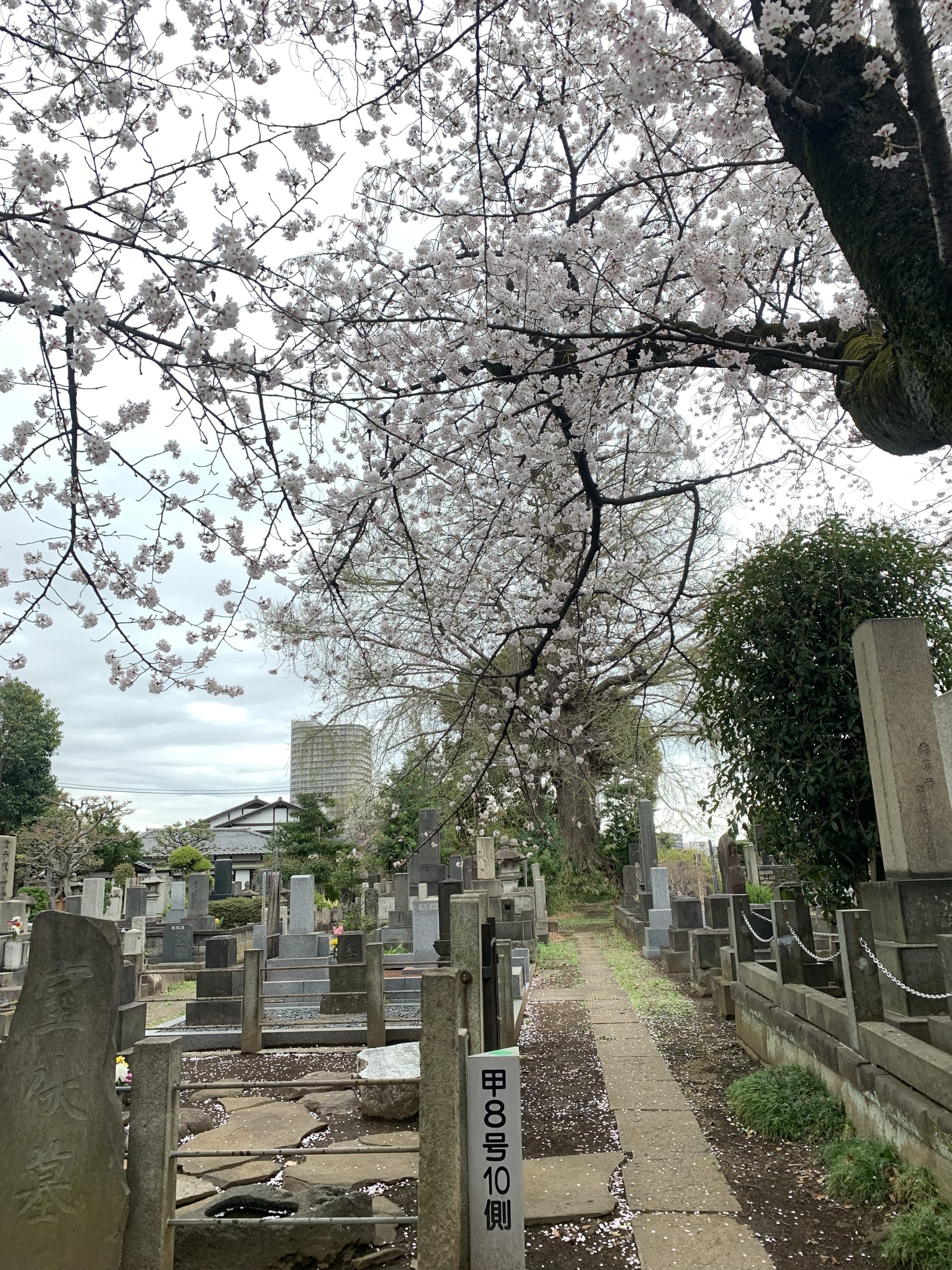
Hanging out in a cemetery may seem macabre, but it's hard to resist the beauty of Yanaka Cemetery. With its myriad of blooming cherry blossom trees and flowers, it inspires a feeling of tranquility rather than fear. Formerly a part of Tennoji Shrine, it was seized by the government during the Meiji Restoration and designated a public graveyard. Besides the beautiful flora, the graveyard is historically significant as the burial place of the last Shogun of Japan, Tokugawa Yoshinobu.
Tennoji Temple
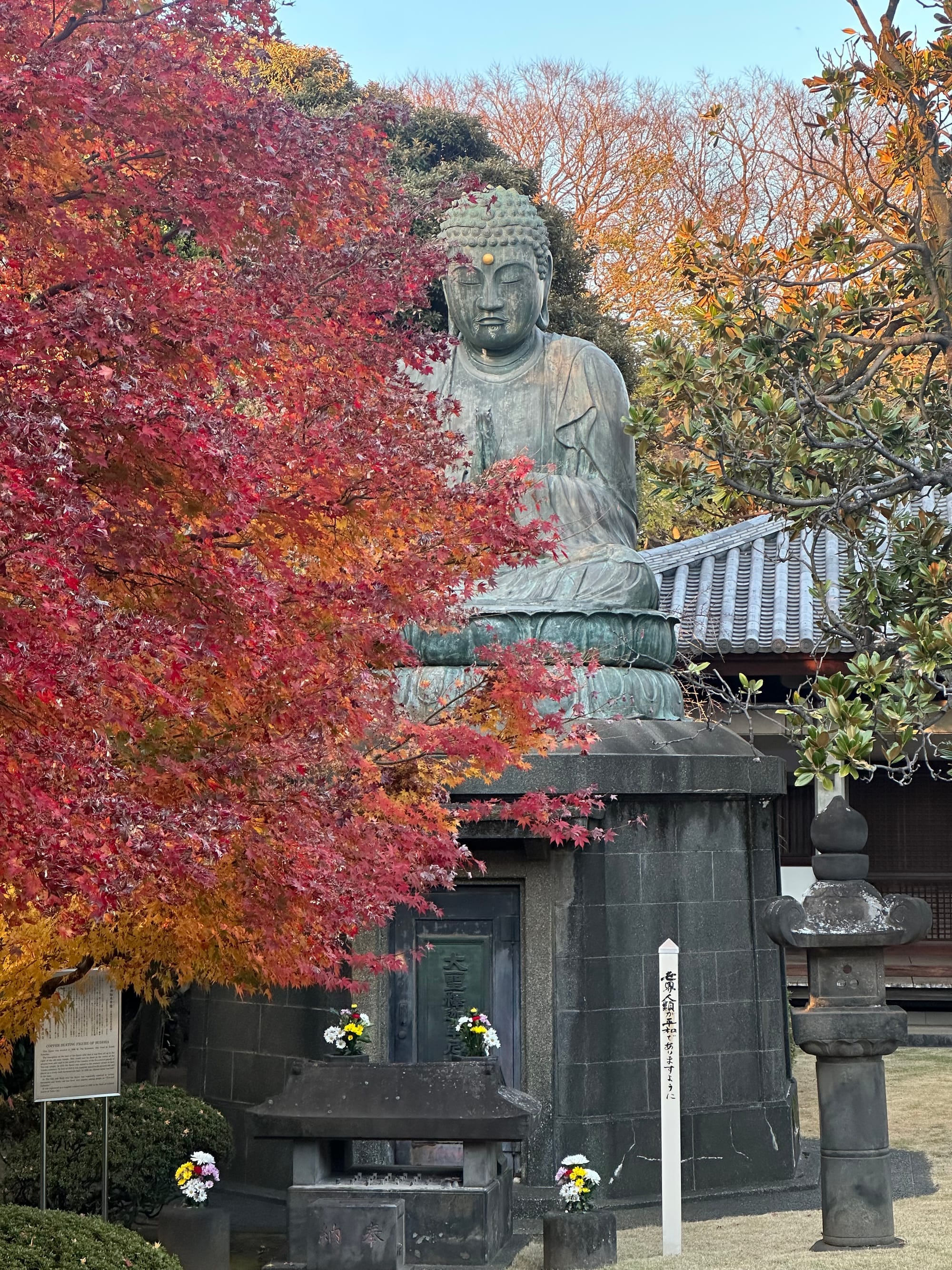
Tennoji Temple was founded in 1274 by the Buddhist monk Nichiren and is one of the few remaining temples for the Tendai Buddhism sect. Of the original temple, only the large statue of Buddha and the pagoda survived the Meiji era civil war. The pagoda was unfortunately burned in an act of arson in the 1950s, but it has been restored to its original glory. Tennoji is also an important stop on Yanaka’s Shichifukujin (Seven Lucky Gods) pilgrimage: the temple houses an image of Bishamonten, one of the Seven Gods of Fortune, and many visitors come specifically to pray for protection, prosperity, and good luck.
Kyu-Iwasaki
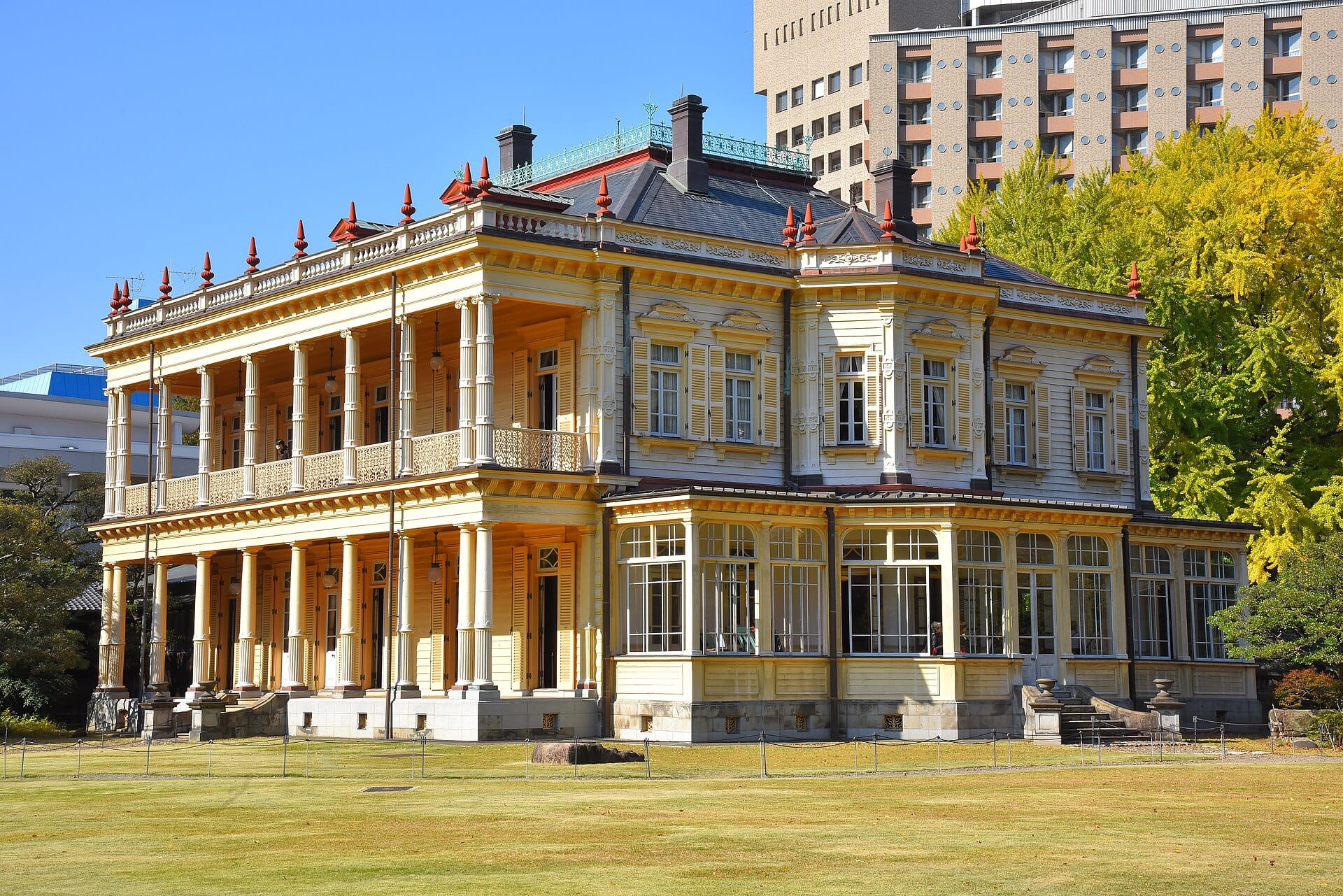
Kyu-Iwasaki is a relic of the Meiji era, representing the rapid adaptation of Western tastes, melded with Japanese tradition. The house was built in 1896 for the Iwasaki family, founders of Mitsubishi Corporation. Sparing no expense, the original home and grounds boasted 20 buildings. Included was a western-style house built in the 17th century in the Jacobean style designed by Josiah Condor, the architect behind many of Japan's enduring Meiji-era structures. The interiors are a mix of European aesthetics executed with Japanese techniques, such as gold-printed washi wallpaper. There was also a large Japanese-style house. Unfortunately, the house and grounds were seized after the war and then passed to the Japanese government, who demolished the majority of the structures. The western-style house, parts of the Japanese-style house, and the billiards building were thankfully spared and can now be visited by those interested in this fascinating period of history.
Cafes
Cafe Yorimichi
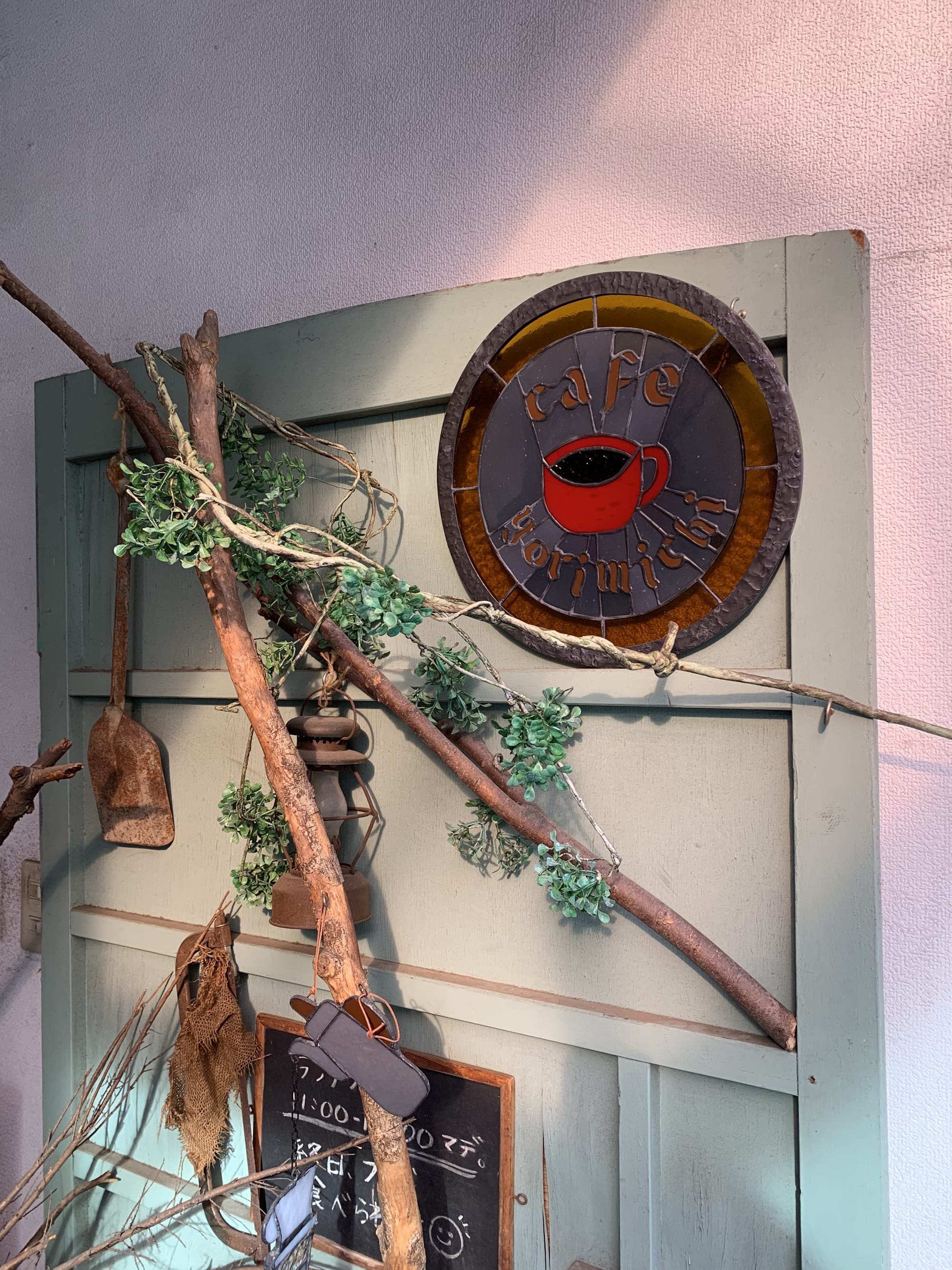
If you like the quaint fairytale feel of cottagecore, then a visit to this cafe is for you. Done up in soothing earthy tones, the cafe is like stepping into a world of whimsy. Trees next to the tables, replete with a bird's nest nestled in the branches. Brick interiors with stained glass lighting and various antique knick-knacks give off that cosy vibe. The cafe serves a variety of cakes and tarts, using seasonal produce and beverages. They also have handcrafted stained glass items for sale at the front of the cafe if you want to take a bit of the magic with you.
Neko e Mon Cafe
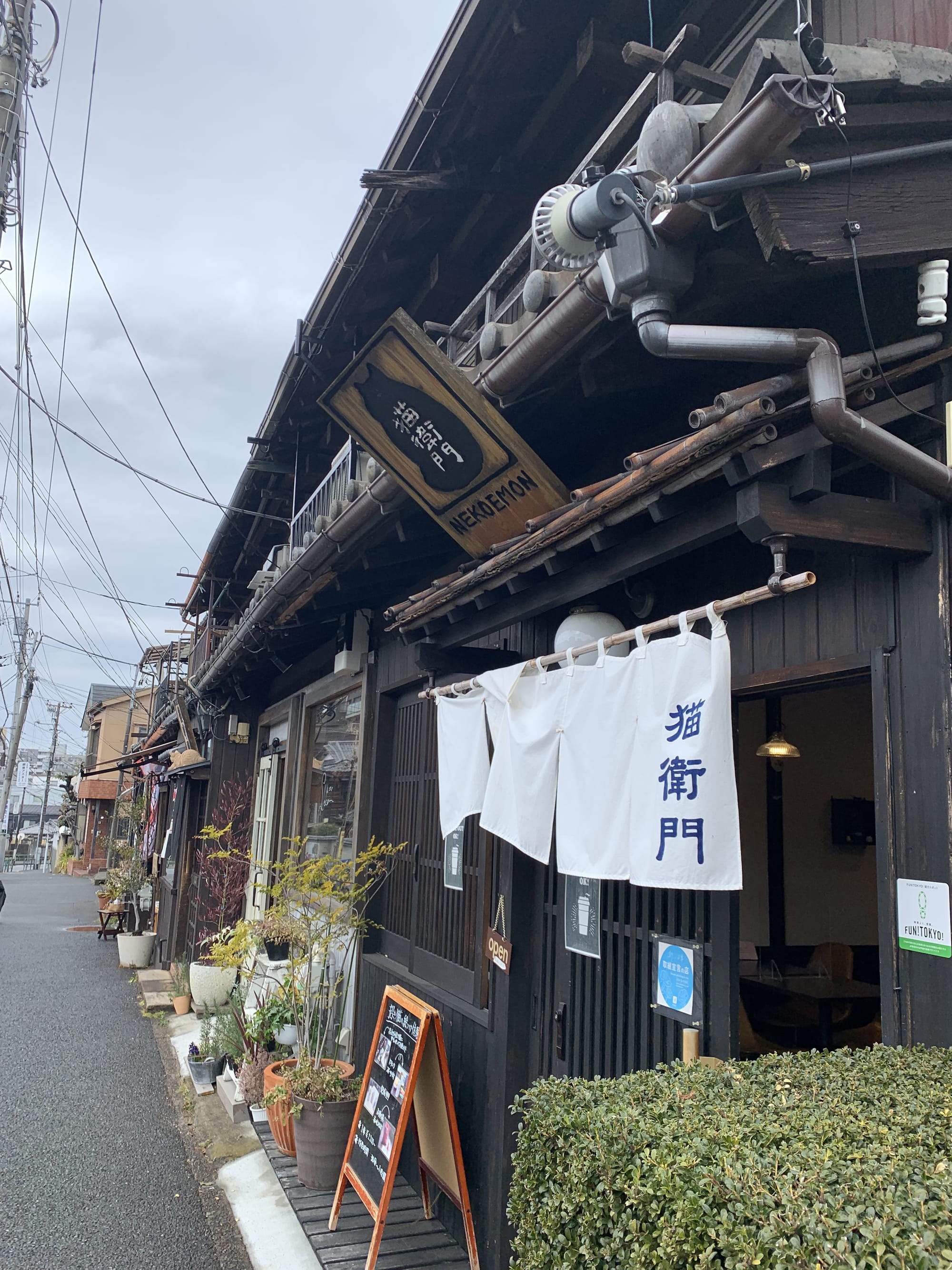
Due to its large number of free-roaming cats, Yanaka Ginza is sometimes called Cat Town. There are galleries and shops dedicated to the feline friends, as well as a cafe. Neko e Mon is dedicated to all things cats. Located in a 90-year-old former residence, it exudes Showa charm. The drinks and sweets are cat-themed and adorable. You can also paint your own maneki-neko, Japan's ubiquitous cat-shaped symbol of good fortune, while you enjoy your beverages. It's very popular, so a reservation, especially for the cat decorating experience, is recommended.
C Tea and Salon
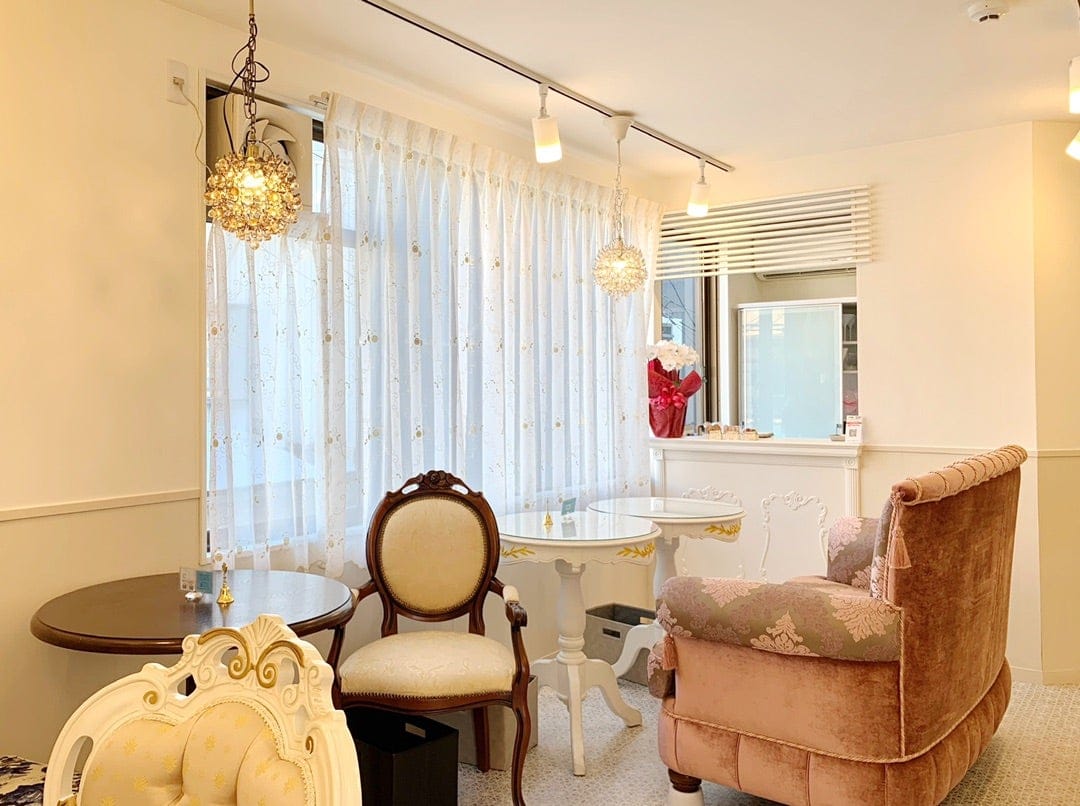
If you want to feel luxurious, C Tea and Salon is for you. The interior is Rococo, with lush chairs and sofas with sumptuous fabrics. On the menu, a variety of teas and elaborate parfaits piled high with seasonal fruits. For fans of Lolita or princess fashion, it's the perfect space to dress up and enjoy decadent desserts. The space is small, so a reservation is highly recommended.
English Teahouse Pekoe
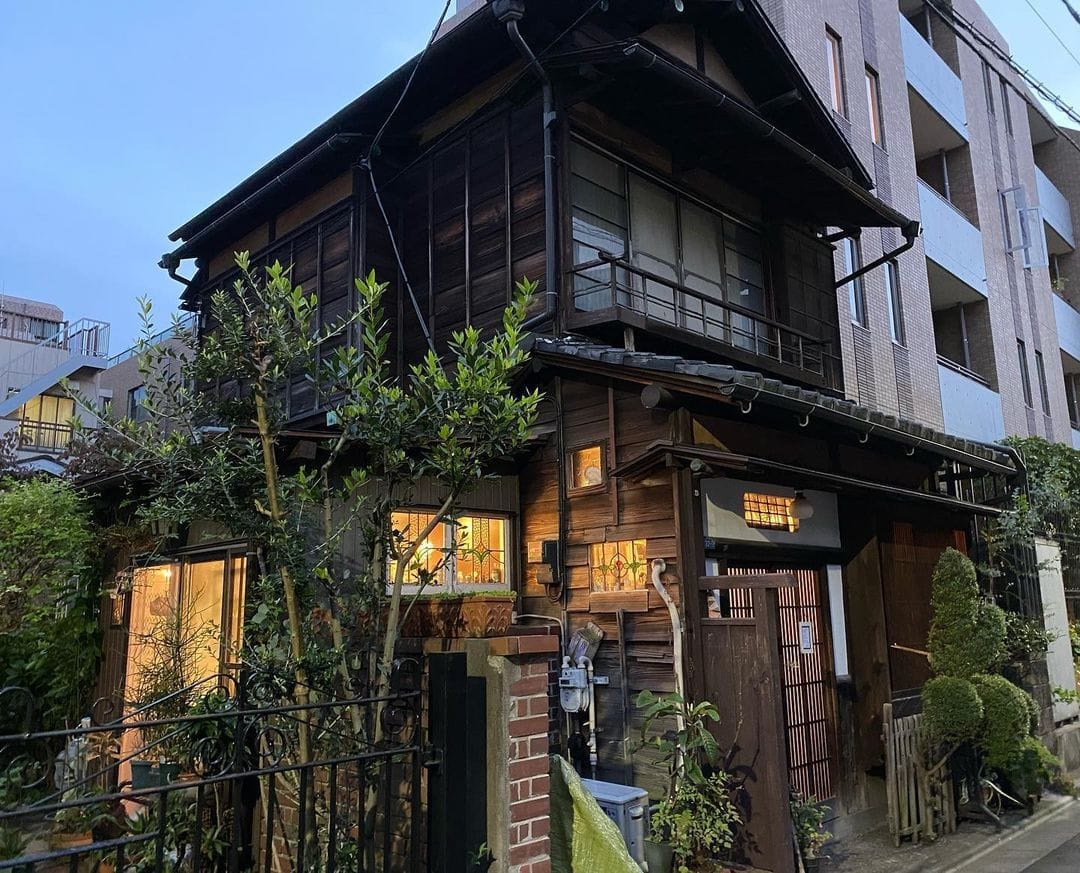
A mere five minutes from Nezu station, this charming tea house is located in a renovated traditional Japanese house. While the exterior is vintage Japan, the interior is a tribute to English tea time. The proprietor is a great lover of all things England and carefully curates an array of decor, desserts, and tea to reflect her interest. The antique furniture and English garden create a cozy environment to relax in.
For art lovers
Takehisa Yumeji Museum
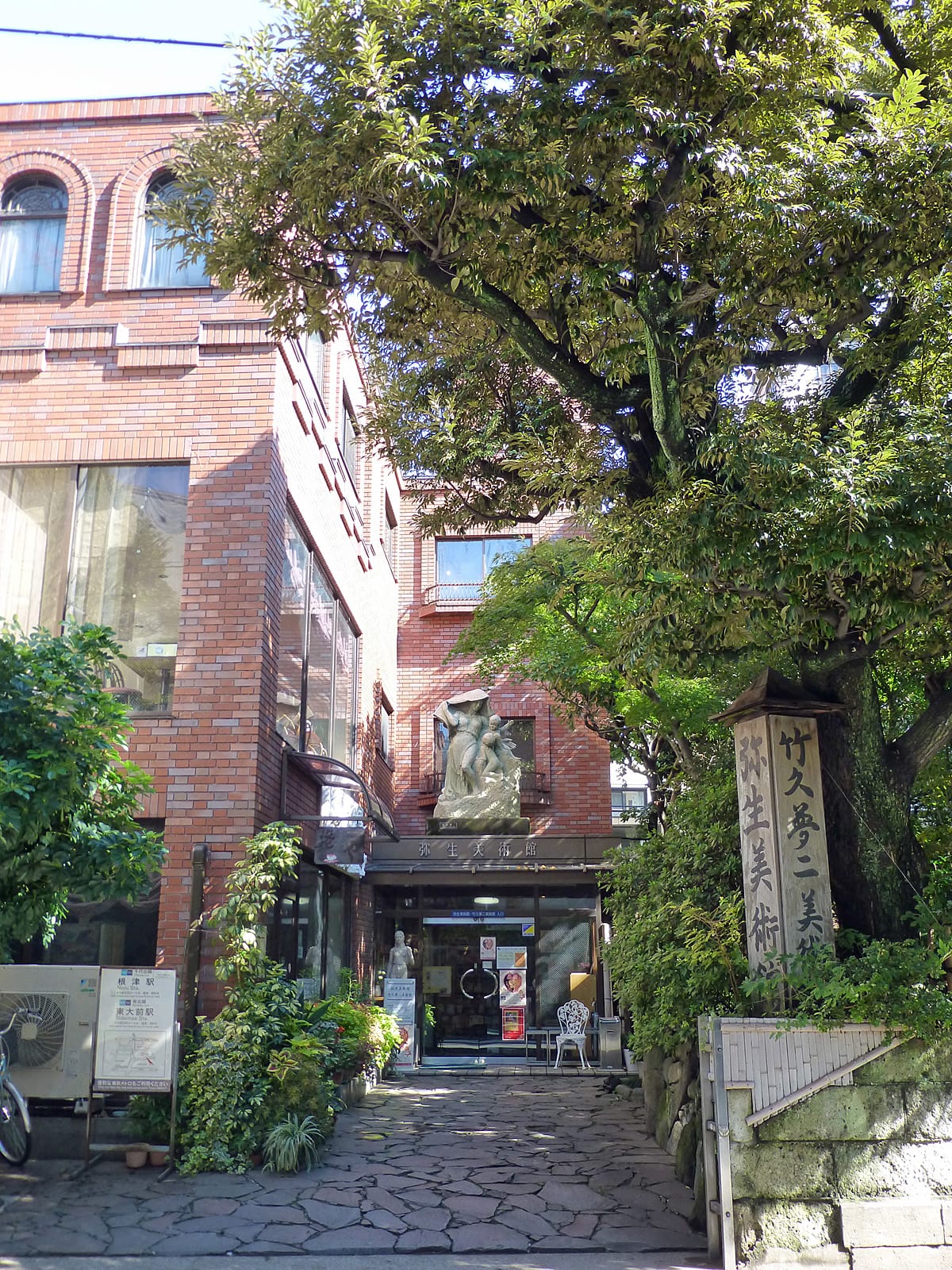
Located near Nezu station is the Takehisa Yumeji Museum, dedicated to the master of Taisho Romantic art. His depictions of bijin, beautiful girls and women, were widely influential on art in Japan, inspiring many later manga and anime artists. The museum is the only place to see his art in Tokyo and hosts 3 to 4 exhibitions a year, highlighting the different periods and styles of the artist. The museum also has a lovely cafe and garden.
Fumio Asakura Museum of Sculpture
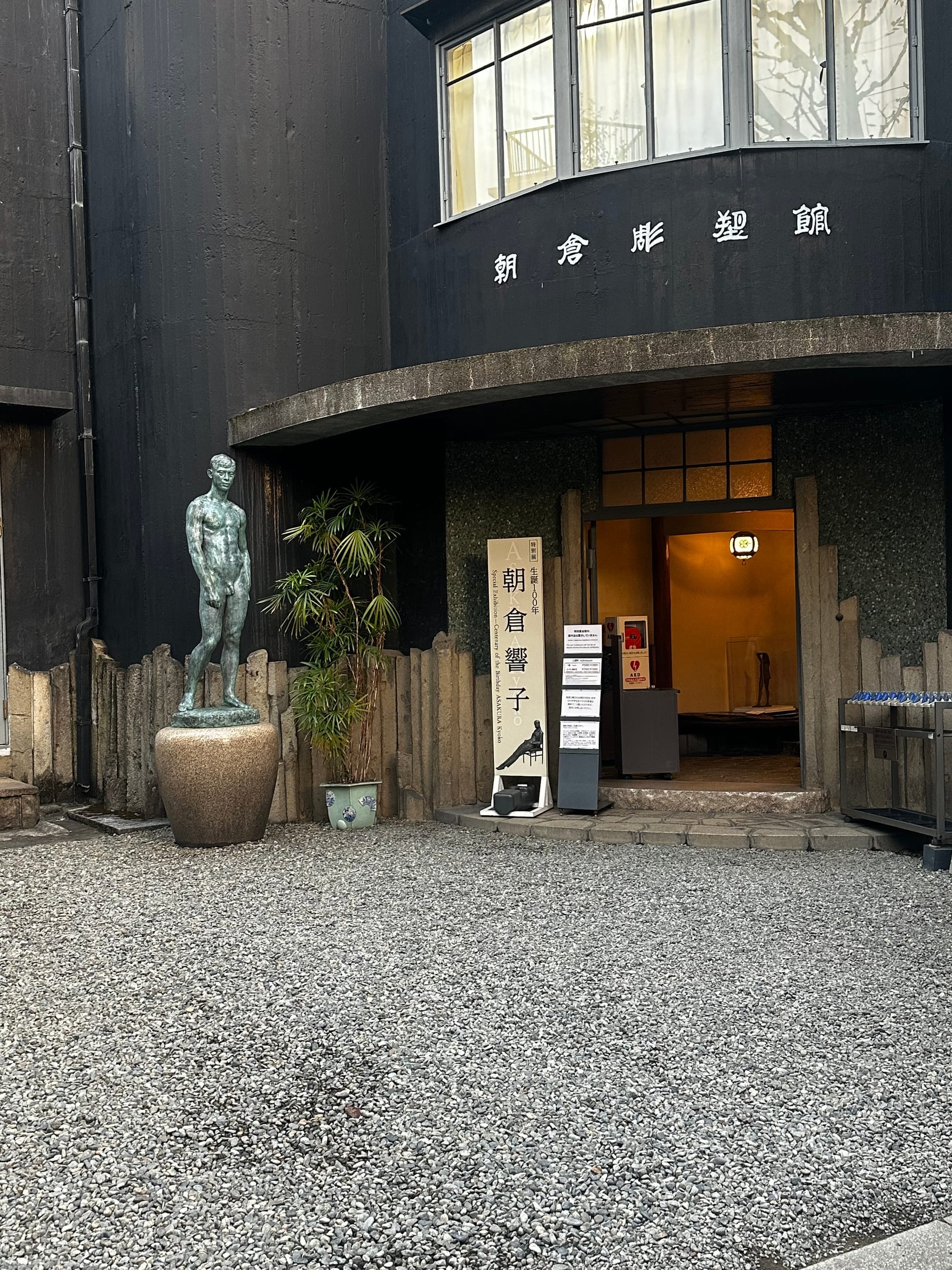
The Fumio Asakura Museum is housed in the sculptor’s former residence in Yanaka Ginza. Known as "The Rodin of Japan", Asakura is considered the father of Modern Japanese sculpture. An avid collector, the museum showcases not only his work but also his extensive sculpture collection. The three-story building was renovated in the early 2000s to preserve the structure and return it to its former glory. The third floor is dedicated to Asakura’s cat sculptures, modeled after his own beloved pet, fitting for Cat Town. The rooftop garden is the oldest of its kind in Tokyo, and was once tended to by Asakura’s students.
Scai the Bathhouse
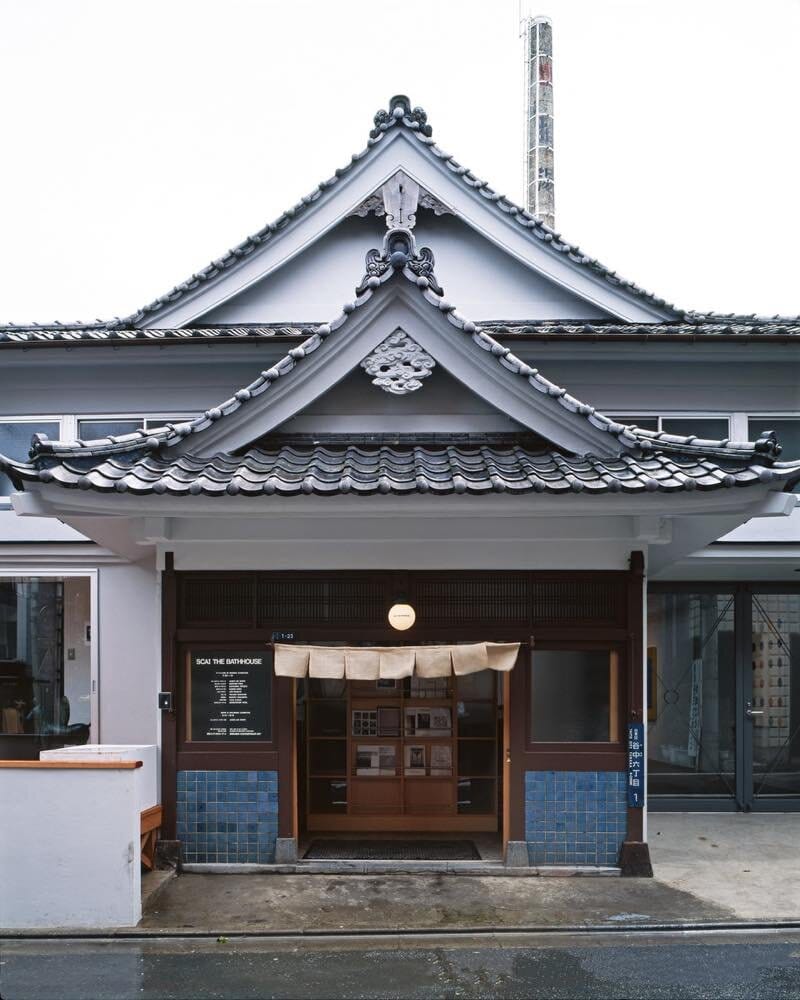
Scai the Bathhouse is a contemporary art gallery like no other. Set inside a 200-year-old renovated bathhouse in Tokyo, this gallery blends Japan’s rich cultural past with the dynamic energy of modern art.
Founded to introduce emerging Japanese artists and bring international artists to Japan, Scai the Bathhouse serves as a cultural bridge, offering a platform for both local and global talent. Its exhibitions span a wide range of genres and mediums, from bold installations and conceptual art to traditional painting and sculpture.
With a reputation for showcasing emerging artists and established figures alike, Scai the Bathhouse is a must-visit for anyone seeking a fresh take on the intersection of history, culture, and contemporary creativity.
Gallery Maboroshi
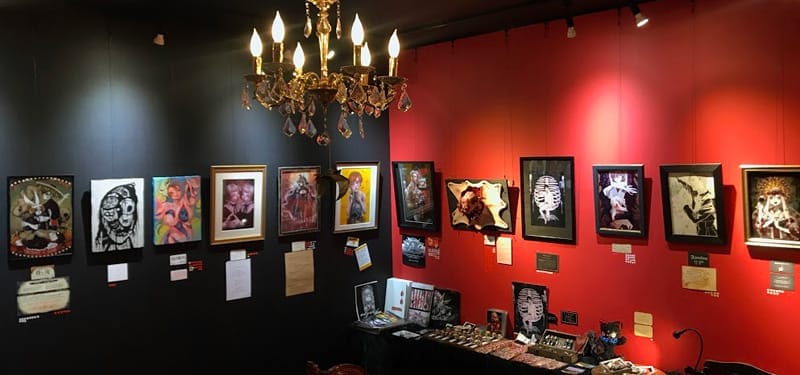
Gallery Maboroshi is a unique small gallery and café dedicated to the darker, spookier side of contemporary art. Founded by artist Kobayashi Yoshikazu (Barajuzidan), the space showcases work inspired by the occult, mythology, folklore, gothic themes, and fetish objects.
The gallery regularly hosts horror-themed, gothic, fantasy, and occult art exhibitions, often built around specific themes. By accepting submissions for these rotating shows, Gallery Maboroshi provides valuable opportunities for emerging and up-and-coming artists to display their work.
Inside, the striking red-and-black interior creates the perfect atmosphere for the gallery’s mysterious and macabre aesthetic. Visitors can also enjoy the in-house café, which serves ghost-themed sweets and drinks, making the experience both visually and deliciously immersive.
A must-visit destination for gothic art lovers, horror enthusiasts, and anyone who appreciates the beautifully eerie.