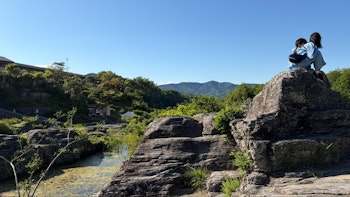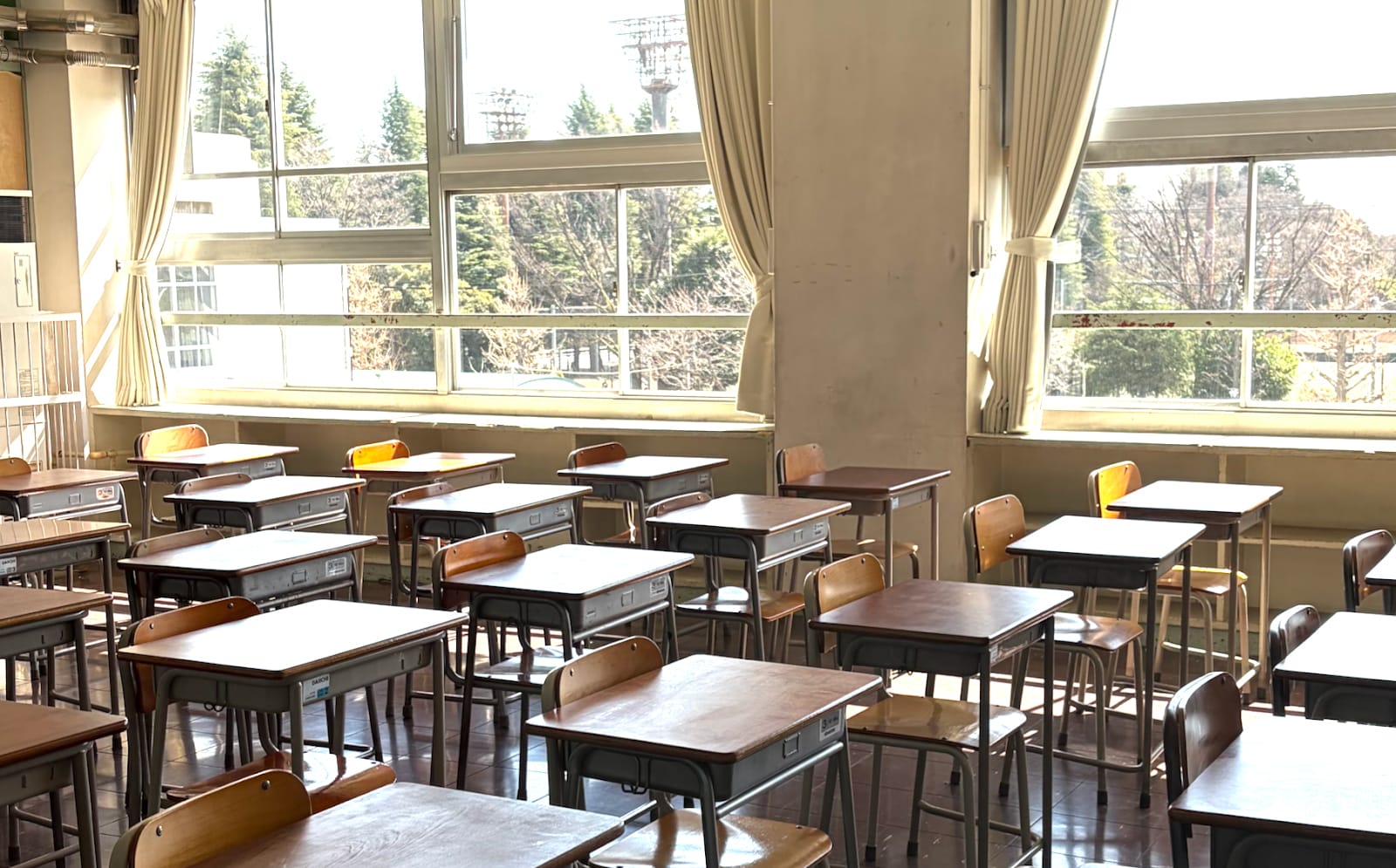
Japan’s birth rate continues to decline, and schools are going empty. According to annual figures released by the Ministry of Health, Labour and Welfare, only about 700,000 children were born in 2025, marking the 10th consecutive year of record lows— over the last decade, the total population has decreased by roughly 4 million.
The ongoing depopulation crisis is largely driven by a cultural shift away from marriage, as well as economic pressures on younger couples. The long tail of Japan’s lost decades alongside successive global recessions has made the raising of children an unsustainable expense for most, especially with the burden of caring for older family members while the nation’s population ages. Regional economic disparity has also meant that many young people move towards the capital for work, accelerating depopulation in rural areas.
The result: an average of 450 schools are closed yearly as student numbers dwindle. Across Japan’s 47 prefectures, 8,850 schools have been closed since 2004, with Tokyo at 4th in terms of total closures during that period, despite net population influx.
While many of these abandoned schools simply deteriorate in silence, a new wave of entrepreneurs and developers have treated the empty properties as an opportunity for re-imagination. In support, the Ministry of Education, Culture, Sports, Science and Technology have founded a program that encourages redevelopment and re-use.
Regional schools listed in the program have been redeveloped into specialised teaching facilities for Music and IT, while more unconventional renovations include a Wooden toy museum, Rice cracker factory, Craft Workshop, Road Stop, and even an Aquarium.
It’s not just regional schools seeing a new lease of life. Tokyo has seen the fourth highest number of school closures across the country over the last two decades, with ever-increasing influx to the capital making unused space a rarity. Here are three examples of creative redevelopment of former school buildings across the nation’s capital:
Tokyo Toy Museum
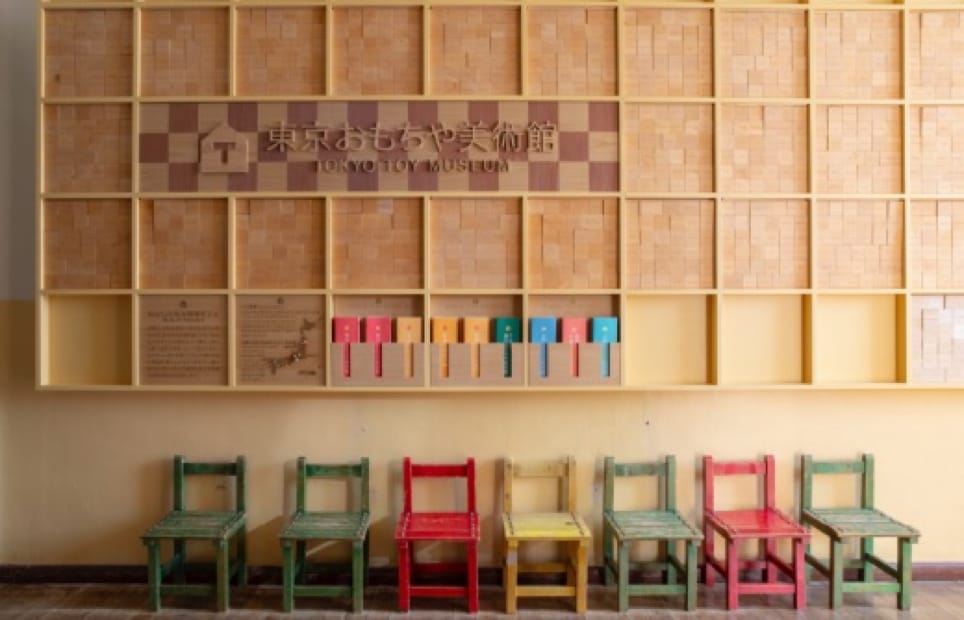
Founded in 1985 in Nakano and rehoused in its current location in 2007, the Tokyo Toy Museum collects toys from across the world while offering children hands-on experiences with traditional games and novel forms of play. Located in the former Shinjuku Kuritsu Yotsuya Elementary School, the museum features a gallery of international toys, a wooden toy room, a hands-on workshop, and an expansive playground. The museum is aimed at children, but has plenty to enjoy for adults as well. Don’t skip the museum’s gift shop, which collects an incredible variety of toys from Japan and abroad with a focus on natural materials and craftsmanship.
Off the heels of the museum’s success in Tokyo, the museum has established thirteen sister locations across the country, including locations in Iwate, Shizuoka, Yamaguchi and Okinawa.
Okutama Plus
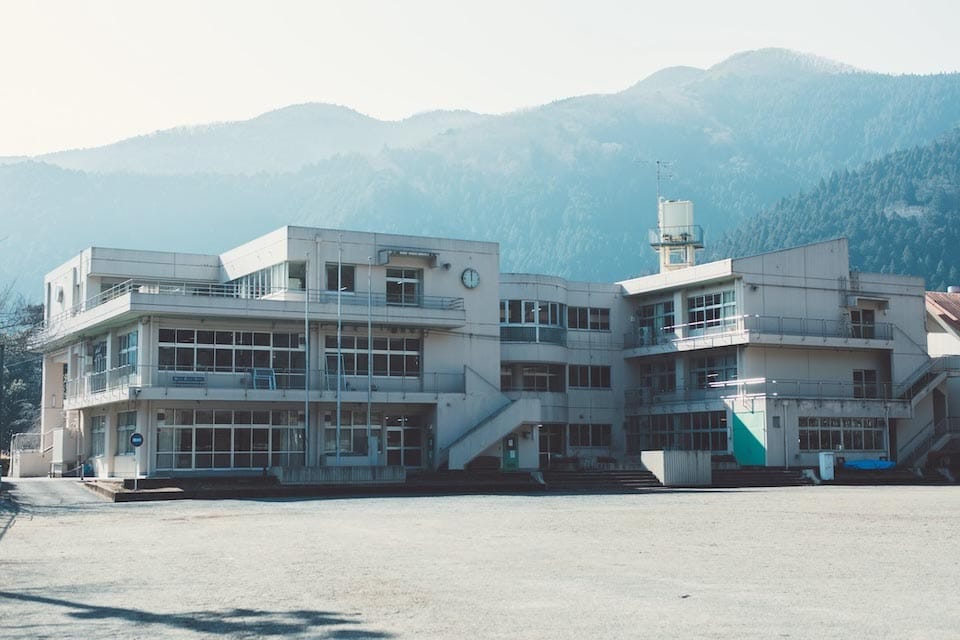
Located in eastern Tokyo’s mountainous Okutama region, Okutama Plus has transformed a former Middle school into a space combining rental offices and a mountainside hotel. Accessible from Kawai Station on the Ome line, the facility has turned classrooms into workspaces, conference rooms, and music studios. Outside of its workspaces, the building also offers outdoor barbecue facilities, dorm-style and individual hotel rooms, and even a rooftop sauna.
Home/Work Village, Setagaya
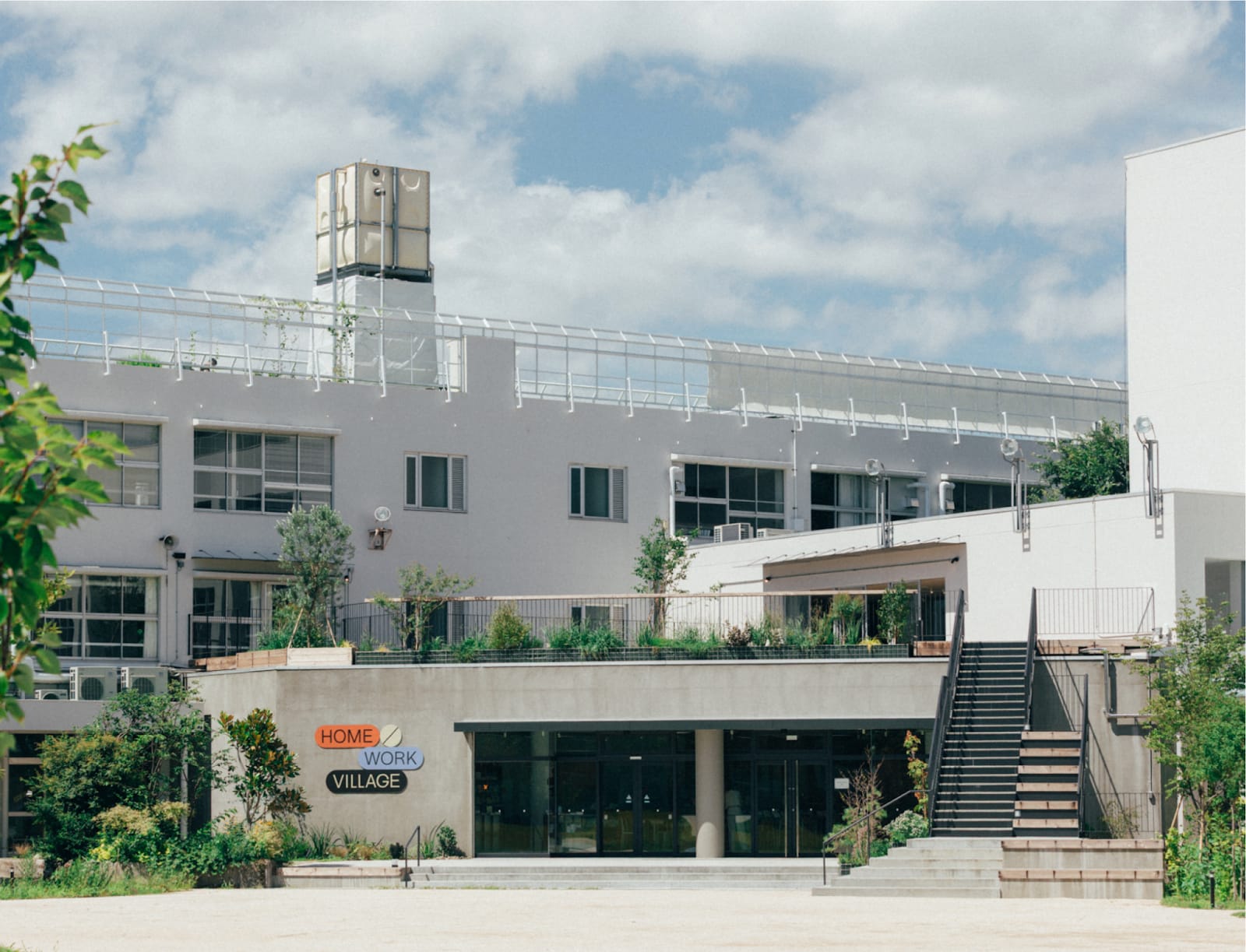
Home/Work Village, the most recent of these developments, has transformed the former Ikejiri Elementary school (closed in 2004) into a facility offering a range of stores, cafes, restaurants, sports clubs, offices, classrooms, co-working spaces, and even a brewery and rooftop farm.
Opened in 2025, the site was redeveloped by a team including Santaro Uchinuma of Samposha, the company behind Shimokitazawa’s Bonus Track development. Located across from Setagaya Park and with convenient proximity to Shibuya, this has become one of my favourite spots for everything from writing, shopping, and catching up with friends.
As Japan’s population continues to dwindle, local governments will need to make tough decisions on how to adjust to the present situation. The de-accession of public properties may cause issues if population numbers were to rally, constricting access to educational institutions and even necessitating the construction of new facilities.
However, as depopulation continues to accelerate it seems increasingly unlikely that such a turn of events could occur. The country must decide if its disused schools should remain ready for the return of its absent children, or if it’s ready to undergo transformation in response to changing times.