Anime as both an artistic medium and now a domineering fandom worldwide owes a gigantic debt to the golden era of Science Fiction. Not that every manga being published in post-war Japan speculated on technological apparitions of the future, but one can’t discount the fact that the very first TV anime as we know it, Osamu Tezuka’s Astro Boy, did alongside a host of other early Japanese cartoon titans. Beyond the Asimov inspired exploration of humanoid robots and the more militaristic concoction of the mecha, giant pilotable robots, science fiction literature and by extension sci-fi twinged anime routinely explored an even bigger frontier with wide-eyed earnestness and seemingly endless creative approaches; Outer space exploration, a topic modern anime since more or less completely eschewed for isekai.
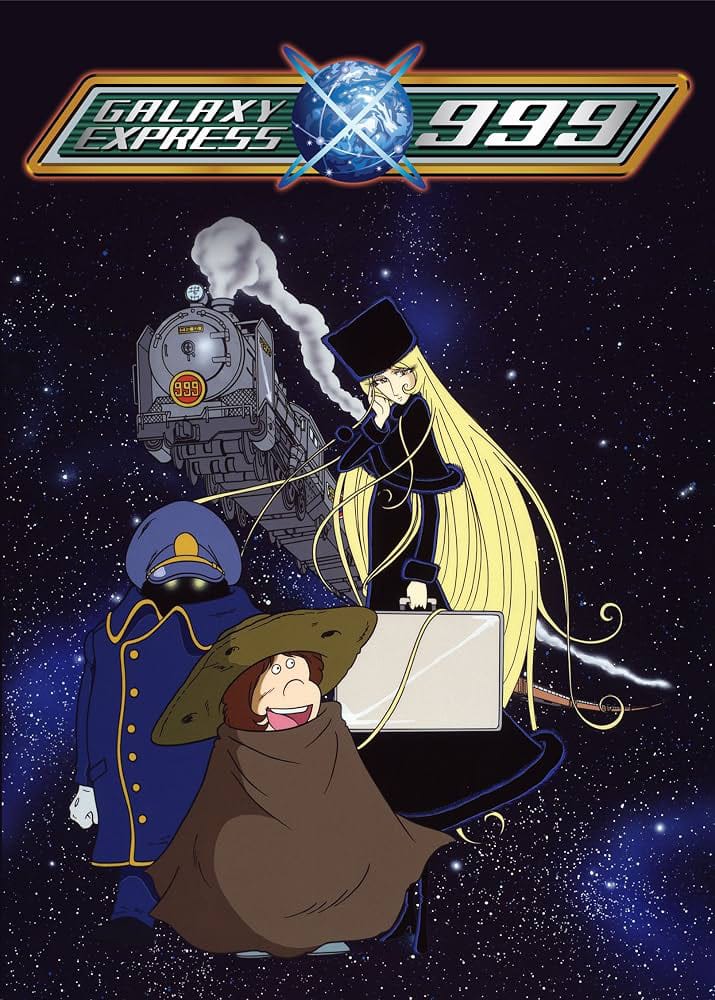
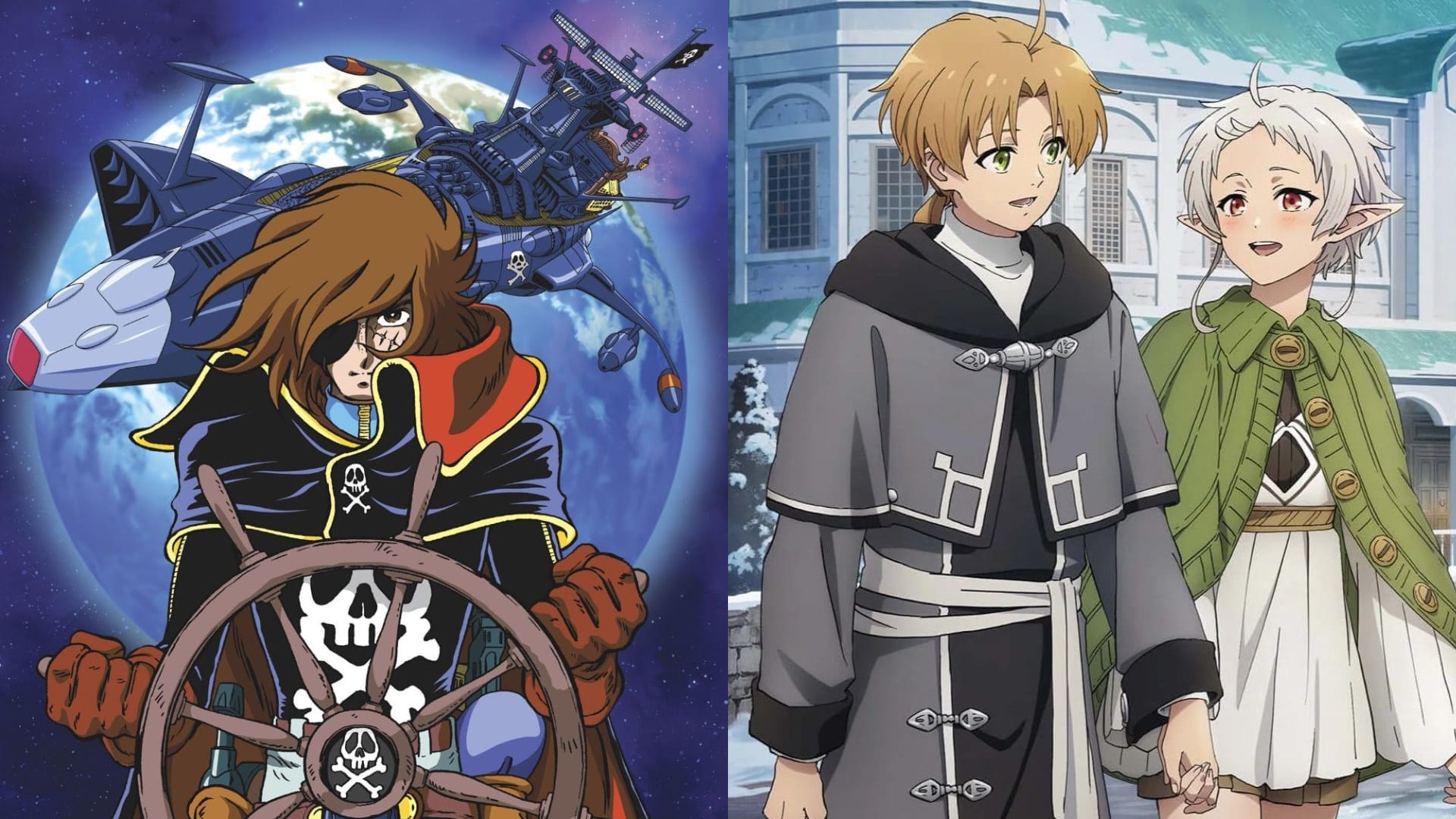
As the very real space race between The United States and The Soviet Union brought humanity to a new level of scientific development, an inspired, hopeful, and hungry science fiction artistic movement responded by taking humanity beyond the stars. Stories of the colonization of galaxies, encounters with intelligent life from around the universe, and mastering universe ripping black holes convinced a generation of readers to dream, coalescing into the earliest fandom subculture. Those dreams too reached the pacific with the spacefaring masterworks of Leiji Matsumoto cultivating proto-otaku fervor in Japan; Similar to Trekkies, 1970s Animations enthusiasts could not get enough of Space Battleship Yamato and its space politic battle ephemera, revolutionary pirate Captain Harlock’s gauntlet of daring adventures, and the many planetary visions Maetel journeys you through in Galaxy Express 999.
Science fiction would continue to draft the course of Japanese animation with Mobile Suit Gundam, and the slew of real robot anime it inspired, coloring the1980s anime wave as Japan went through its halcyon bubble economy with a realistic science fiction tint, truly formalizing the medium alongside western film and television as a serious venue for sci-fi. By the 1990s, studios offered more space faring anime than JAXA could shoot a rocket at! Tenchi Muyo, The Irresponsible Captain Tylor, Outlaw Star, these more well known names just crack the surface of the galaxy’s worth of space anime. While not a formal genre, space anime arguably crescendoes with 1998’s Cowboy Bebop, not coincidentally made by Gundam studio Sunrise.
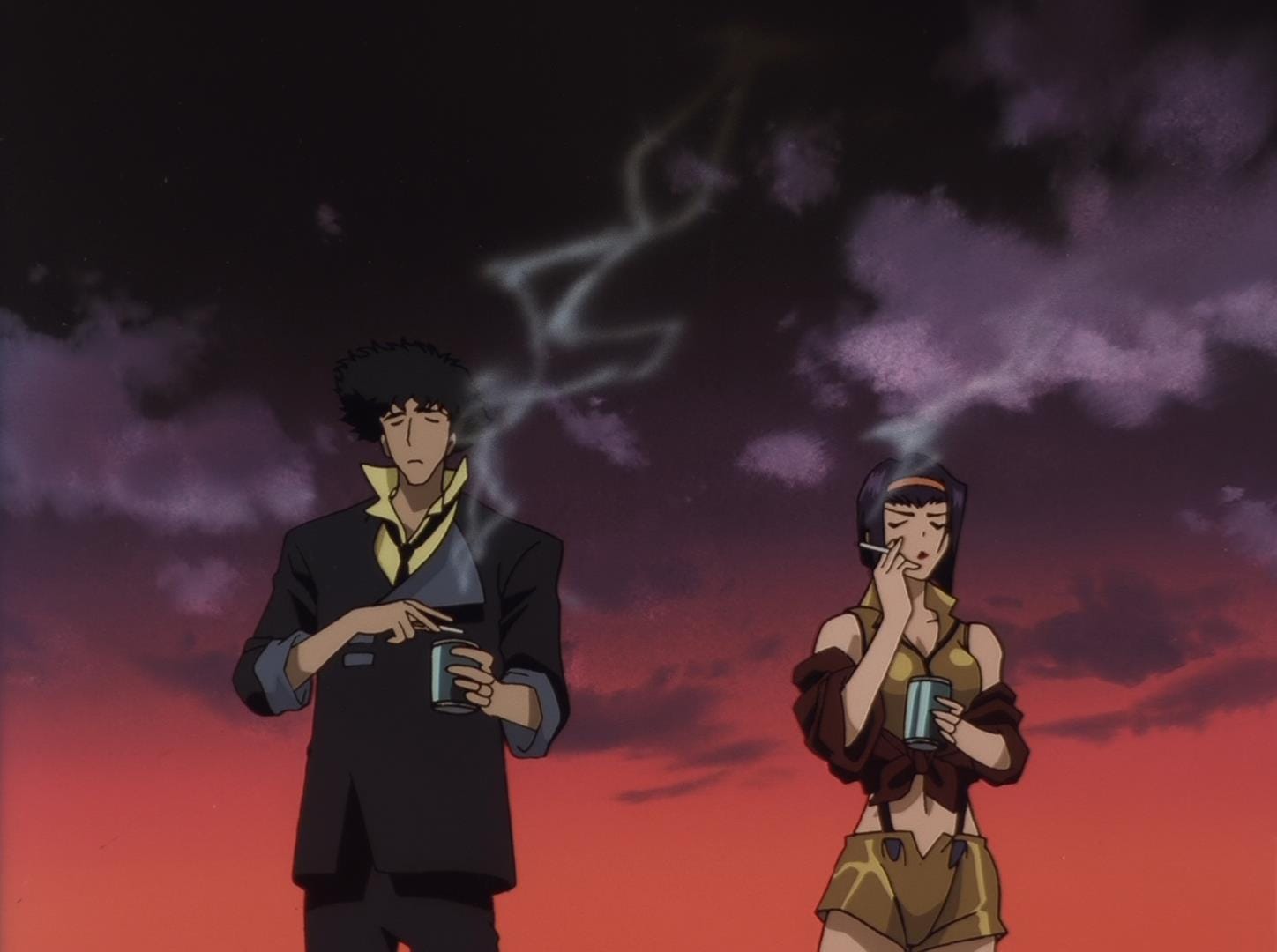
Calling Cowboy Bebop the “peak” of the galactic anime trend does not just portend to its quality and reputation, both very high, but that, conversely, by the time audiences do get to Bebop, anime being set in space is neither novel nor particularly exciting on its face anymore and Cowboy Bebop fully understands this. No longer the new frontier for humanity to voyage through, Space exists as the everyday for Spike and his crew, where they work, where they sleep, where they go to take a number two. Gone is the astronaut as the symbolic optimism of human potential and in its place, crime, grit, and chasing a payday. The Japanese economic bubble burst, and in the midst of its recession realist, psychological works would take the place of Leiji Matsumoto galaxy bravado. Unfortunately, uneconomic instability and doomerism on a worldwide scale would soon follow.
Isekai anime, or rather shows which featured a protagonist who started out on every day planet earth who then through some unknown phenomena find themselves transported to a fantastic different world, existed long before the 2010s isekai boom which, sad to say, continues to this day in poorer and poorer states. Some of the all time classics like Magic Knight Rayearth or The Vision of Escaflowne, interestingly both shojo twinged visions about conflicted otherworldly visitors simultaneously wrestling with their unbelievable situation while simultaneously waging to bring peace to a broken, warring world. However, for the last decade you’d have eight to ten shows a season called The Strongest Job Is Apparently Not a Hero or a Sage, but an Appraiser (Provisional)! or There Was a Cute Girl in the Hero's Party, So I Tried Confessing to Her, both real 2026 anime teams of animators slaved over by the way, all serving one escapist esoteric goal; Wish fulfillment.
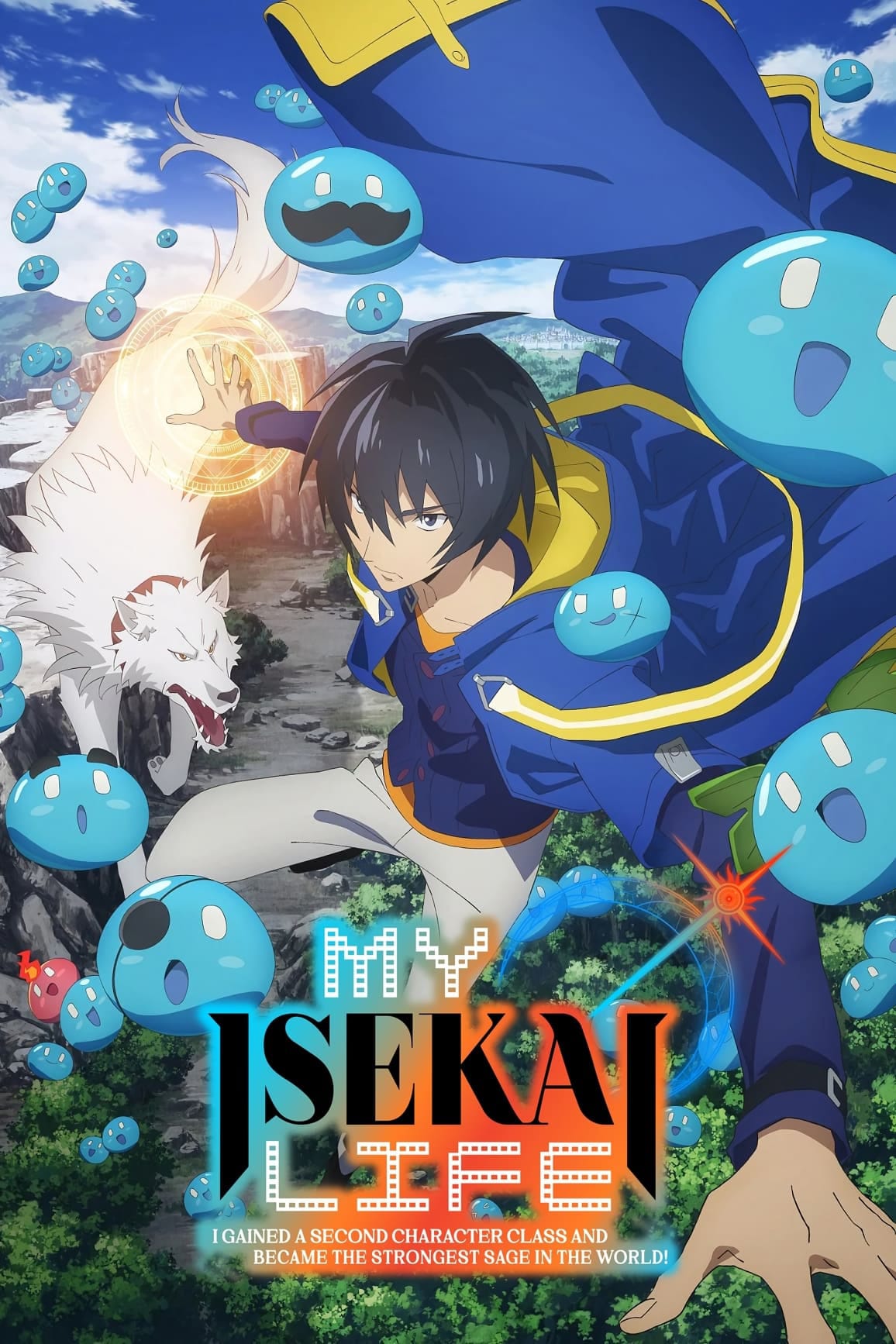
These cartoons near-exclusively feature male protagonists finding greater happiness, increased social status, and of course an endless adoration from women in these past-coded, vaguely western fantasy societies that they failed to on plain old planet earth! Socially outcast? Failed to make it? Got bullied too much? Don’t worry, a magical world exists out there, one you just have to simply fall into and everything will go your way! While these hypercultivated stories first gained popularity on the web and light novels scenes, the 2012 Sword Art Online anime adaptation would pave the way for all the increasingly mad-libbed, shallow and nonsensical isekai metastasizing that would all but define non shonen anime for the last decade.
So why did this trend and this mindset practically become the default?
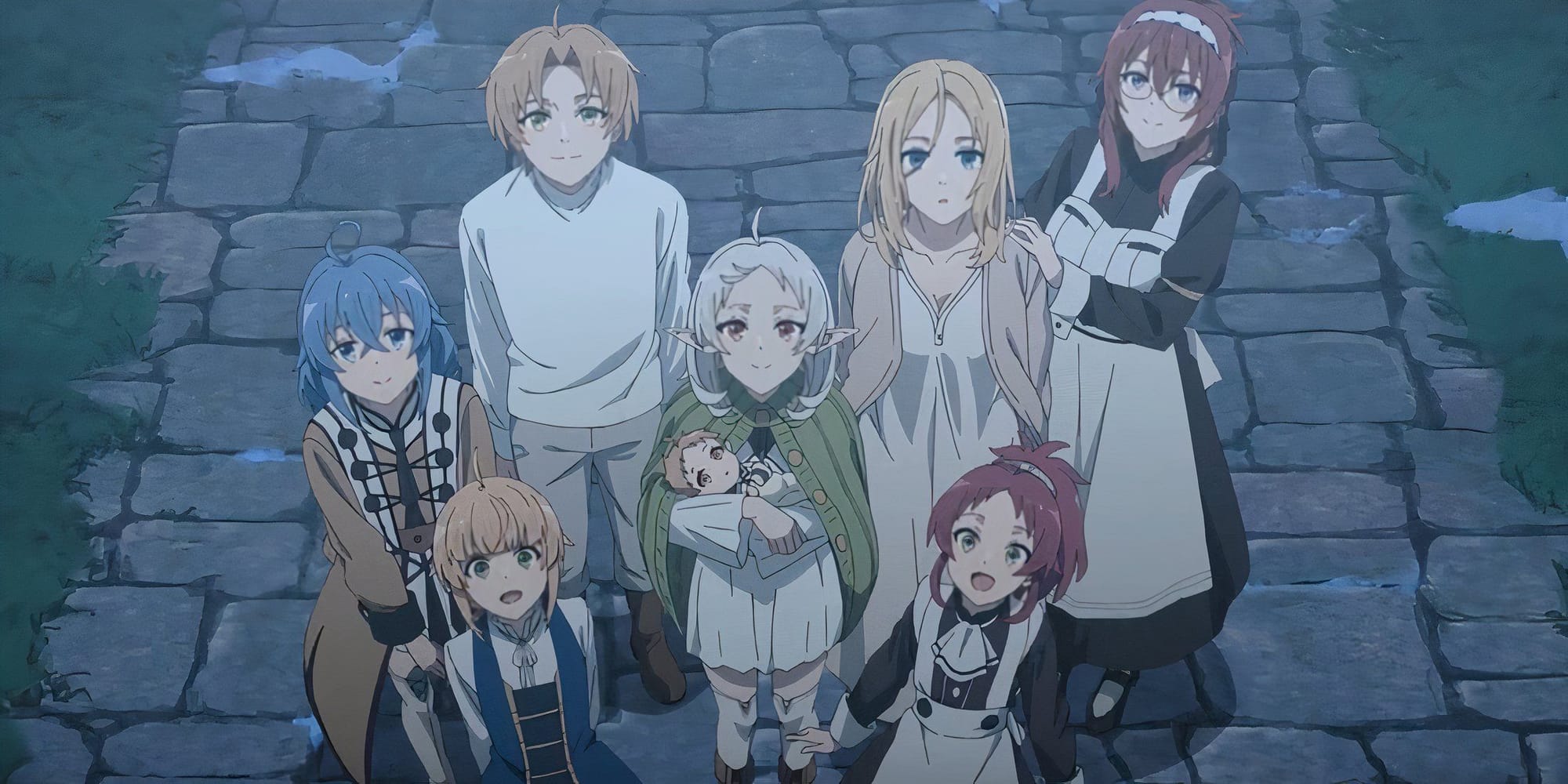
The 2000s brought 9/11, a needless forever war in the middle east, and an American economic recession whose direct & secondary effects would be felt worldwide. Japan already had a decade and half-head start on the rest of the world with its own economic recession and declining birthrate issues, so when everyone else started catching up where could any new source of hope birth itself from? Pair this with 2010s style technology-spurred social media based atomization without any sustained economic relief on the worldwide scale and viola, you have a generation of otaku opting to escape to totally unreal but comfortable non-industrialized worlds of words & sorcery where the viewer stand in protagonist would be guaranteed at least six girlfriends.

Space faring anime and isekai series alike show audiences imagined worlds but they hold completely different philosophies; The hard sci-fi former images better, united progressive versions of our existing world where humanity truly could unite & put their heads together so humanity could conquer the final galactic frontier. Modern isekai anime says no to the real world, telling viewers to bury their head in the sand and imagine a place where everything just works out. Both result from domineering economic, social, and political realities of their eras, only one actually utilizes creativity and through that reflects shared optimism while the other wants you to madlibs your own ideal reality while casting aside everything and everyone around you.