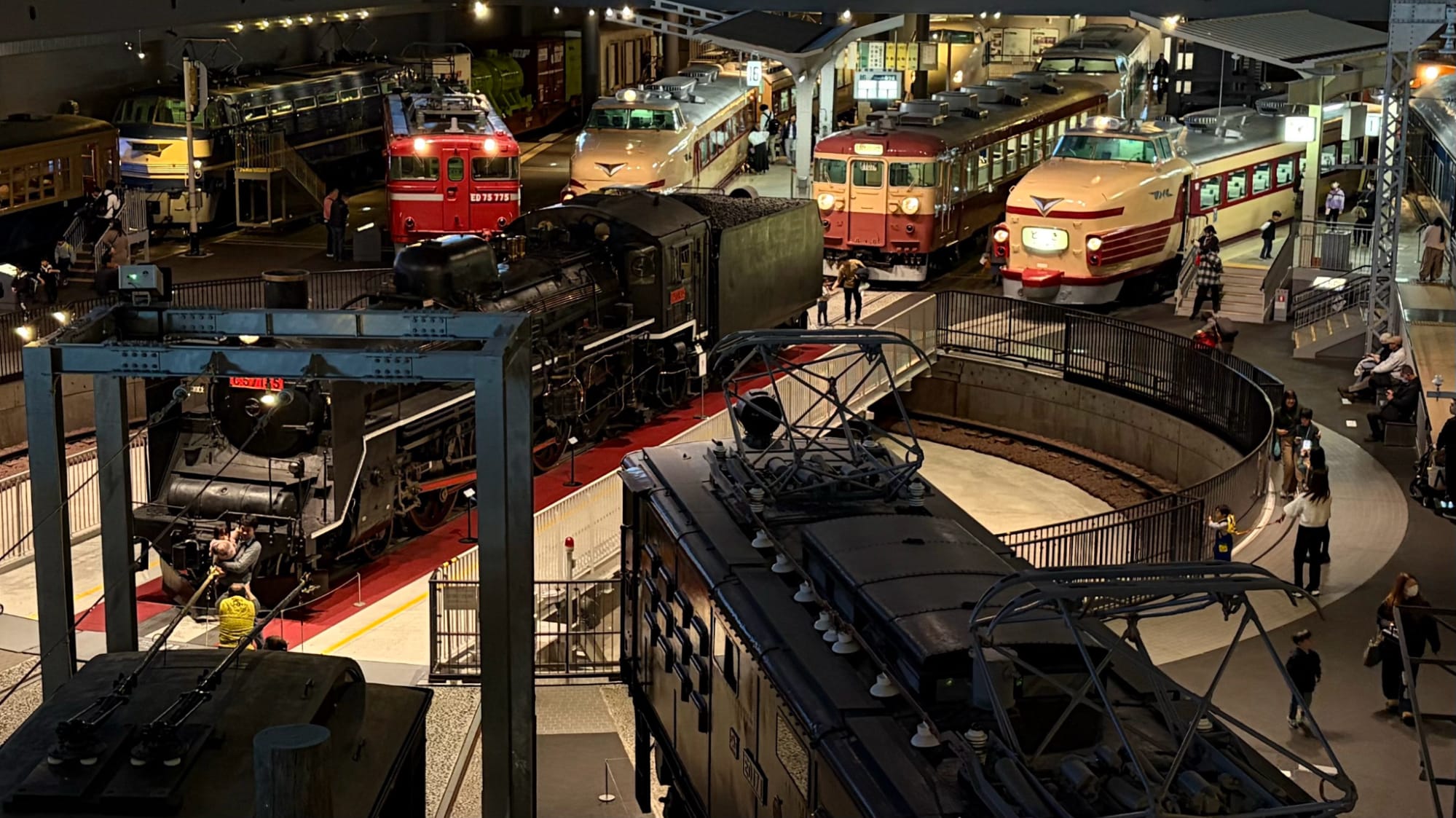
A treasure trove of Japanese rail history sits just to the north of Tokyo city, only 45 minutes from Shinjuku station. Opened in 2007, The Railway Museum tells the story of Japan’s railways with one of the country’s largest collections of locomotives, passenger cars, posters, paraphernalia, and miniatures. The museum has seen incredible popularity since its opening, celebrating its 15 millionth visitor last October. With an incredible display of the country’s railway-related history, engineering, art and culture, it’s a must see for anyone with even a passing interest in Japanese rail.
Before we visit the museum, I’d like to explore some of its history. The museum is located in Saitama’s Omiya City, an area with a vital connection to the history of Japan’s railway development. The city is the home of JR East’s Omiya General Vehicle Center, which has been in continuous operation for over 130 years since its establishment in 1894. Serving as a vital site for train manufacture and repair along the busy Ueno-Aomori railway, the facility was responsible for the assembly and maintenance of steam trains before going on to spearhead the domestic development of diesel and electric locomotives over the next several decades.
As Japan’s railways expanded, the factory did too: At its peak, the facility employed around 5,000 workers, an incredible turn of fate for a countryside town whose population had dwindled below the thousand mark in the decade before the factory’s establishment. Omiya continued to grow as a key hub for trade and transportation, and its status as the ‘City of rail’ was established.
The ambition to create a museum documenting the country’s expanding rail network dates to 1911, when a Railway Museum department was established as a section of the Ministry of Railways. Ten years later, a temporary exhibition was held to the north of Tokyo Station to commemorate the 50th anniversary of Japan’s first train line.
In response to the success of this exhibition, the first permanent railway museum opened in Kanda in 1924, before being relocated to a section of the now-defunct Manseibashi station in 1936. Eventually taking over the entire station building, the museum would remain in that location for 70 years, growing to cover all forms of Transportation after the Second World War.
By the turn of the millennium, it was clear that interest in Japanese rail history had grown larger than the downtown location could contain. JR’s East Japan Railway Culture Foundation broke ground on The Rail Museum’s construction just north of Omiya’s historic railway factories in 2005, with the new museum opening in 2007 for Japan Railways’ 20th anniversary.
Before you head towards the museum from Omiya station, make sure to stop by General Store Railyard. The store, which is located towards the north of the station, sells an incredible range of train related merchandise, including everything from models, mascots, medallions, and even replicas of badges worn by station staff. The station also features an entire Suica Penguin themed store ‘Pensta’ behind the ticket gates, filled with limited edition merchandise of the beloved mascot.
From the station to the museum, you have the choice between walking a kilometer alongside the rail warehouses, or traveling one stop on the New Shuttle line, which arrives directly at the museum’s dedicated station. Both routes provide great views of the warehouses that put the city on the map, with panels describing their history and cut-away sections of locomotives lining the road along the facility’s outer wall.
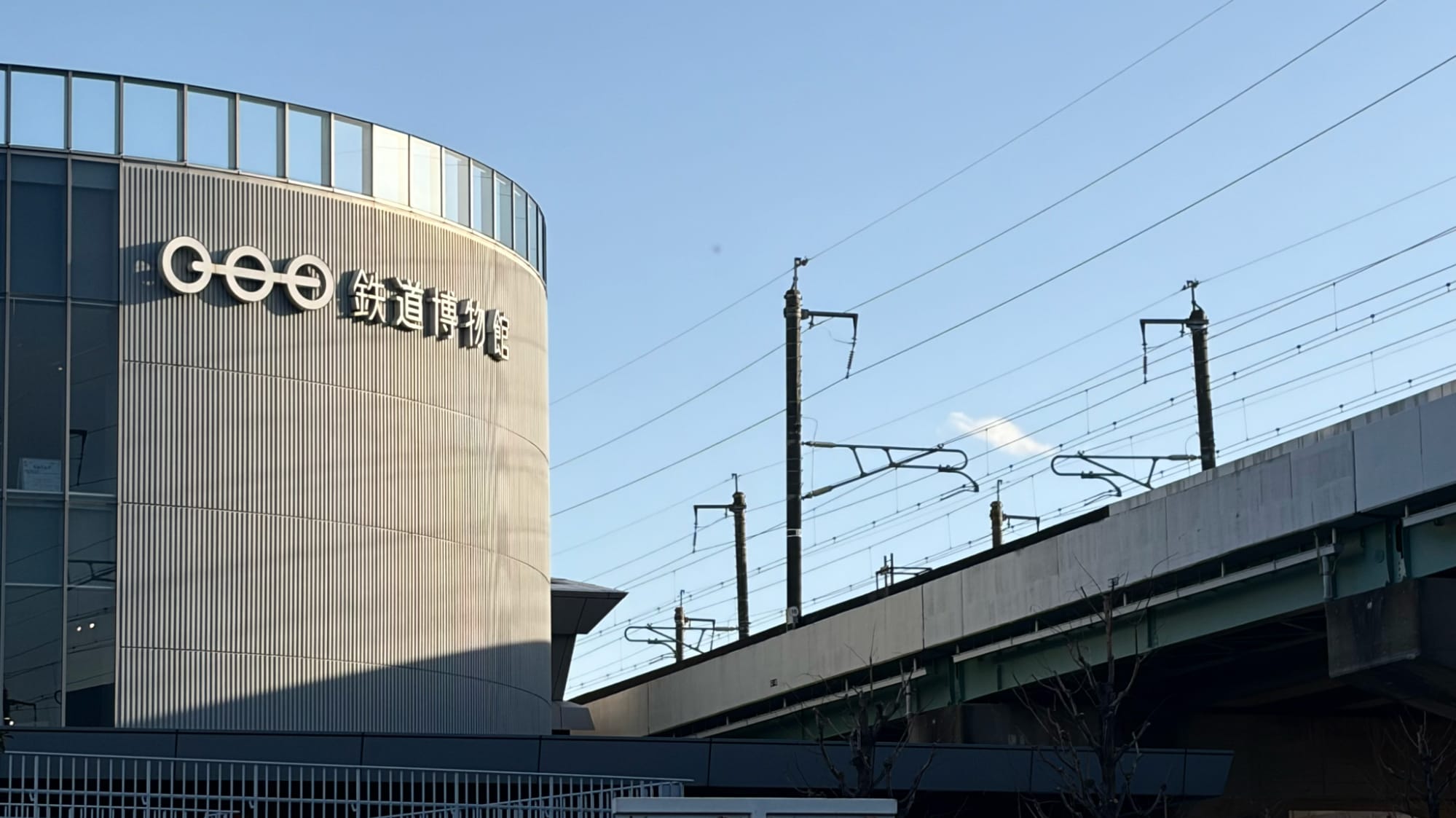
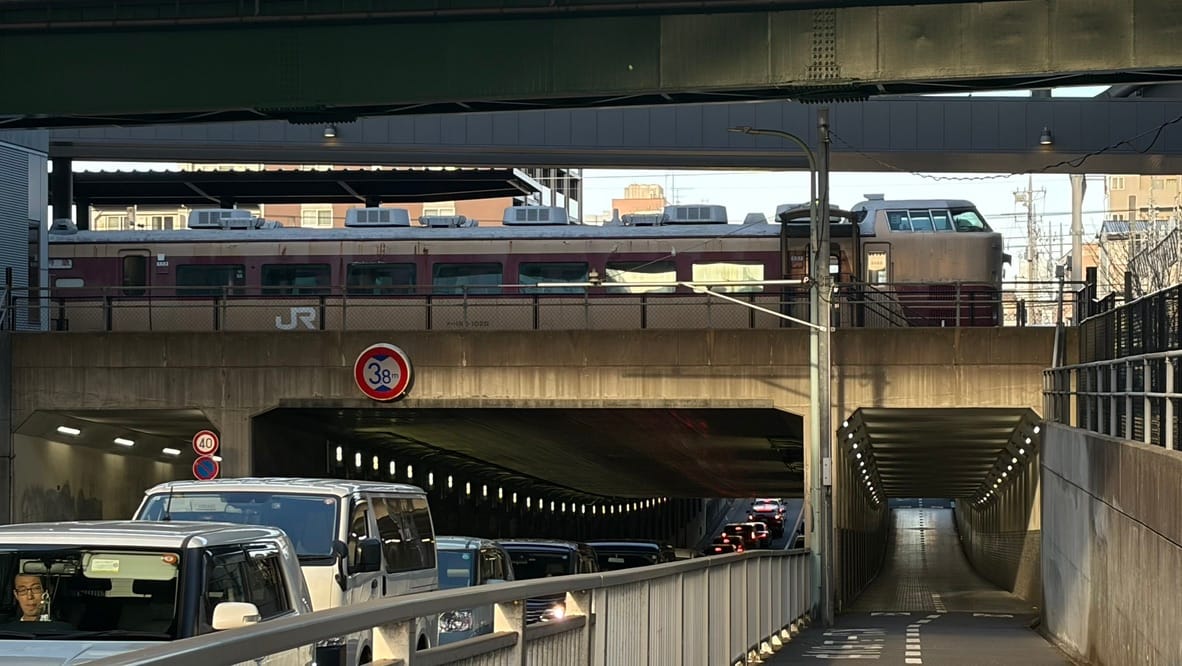
The museum itself is sandwiched between the elevated tracks of the Tohoku, Joetsu, and Hokuriku Shinkansen to its west, as well as the JR Takasaki line to its east. The tracks are also used by a variety of limited express trains, as well as cargo trains transporting box containers, milk, coal, oil, and grain to and from the country’s north.
Tickets can be purchased near the entrance of the museum via cash, card, or IC pass (Pasmo, Suica etc.), and can be printed out if reserved online. Entering the museum there is a locker room to the right, where rental ranges from ¥300 - ¥700 according to the size of the locker.
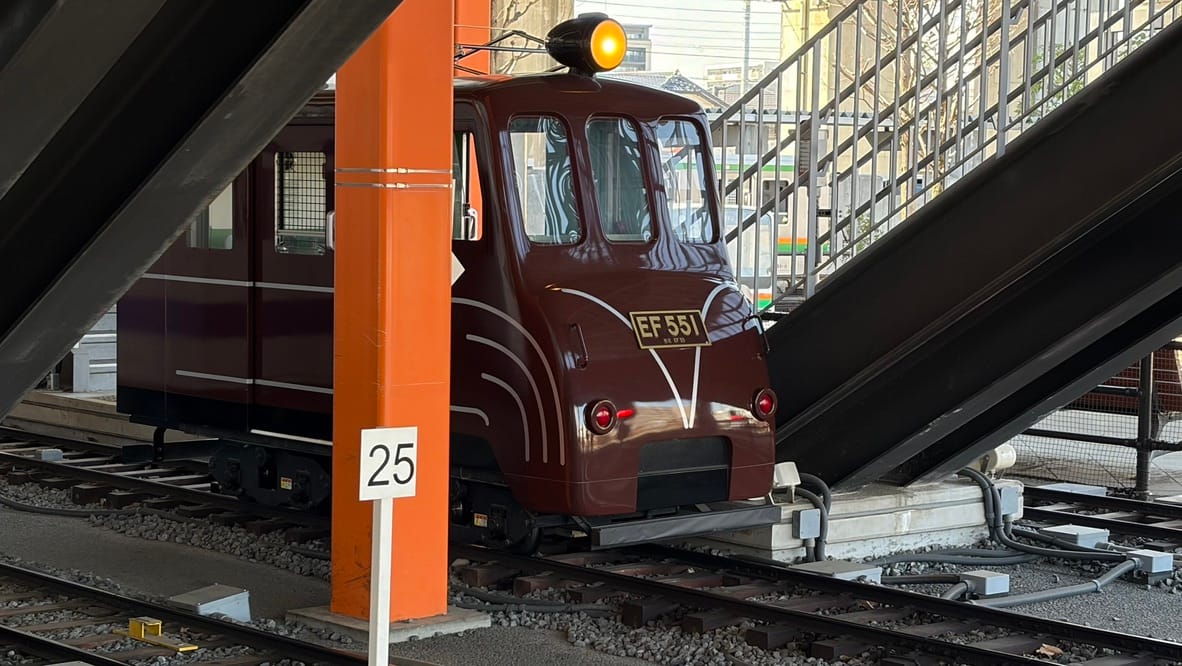
The museum is divided into five ‘stations’ across three buildings, as well as several outdoor exhibits including three ‘lunch trains’ available as picnic spots, a playground for younger children, and a miniature railway where children and adults can drive mini versions of Japan’s most famous trains.
If you want to do so, you will need to enter a raffle on the museum’s dedicated app (separate to their museum guide app) for the time slot you desire. I would recommend doing this as soon as you enter the museum, as the mini railway and simulators are very popular— I wasn’t able to ride any on the day I visited!
The museum’s experiences each cost ¥600 for participation, but tours of the museum are free and can be joined at the front desk. The museum also offers a guide app, which I highly recommend. It features tours and information on the museum’s collection in a variety of languages – Very helpful, as the majority of information panels are written only in Japanese.
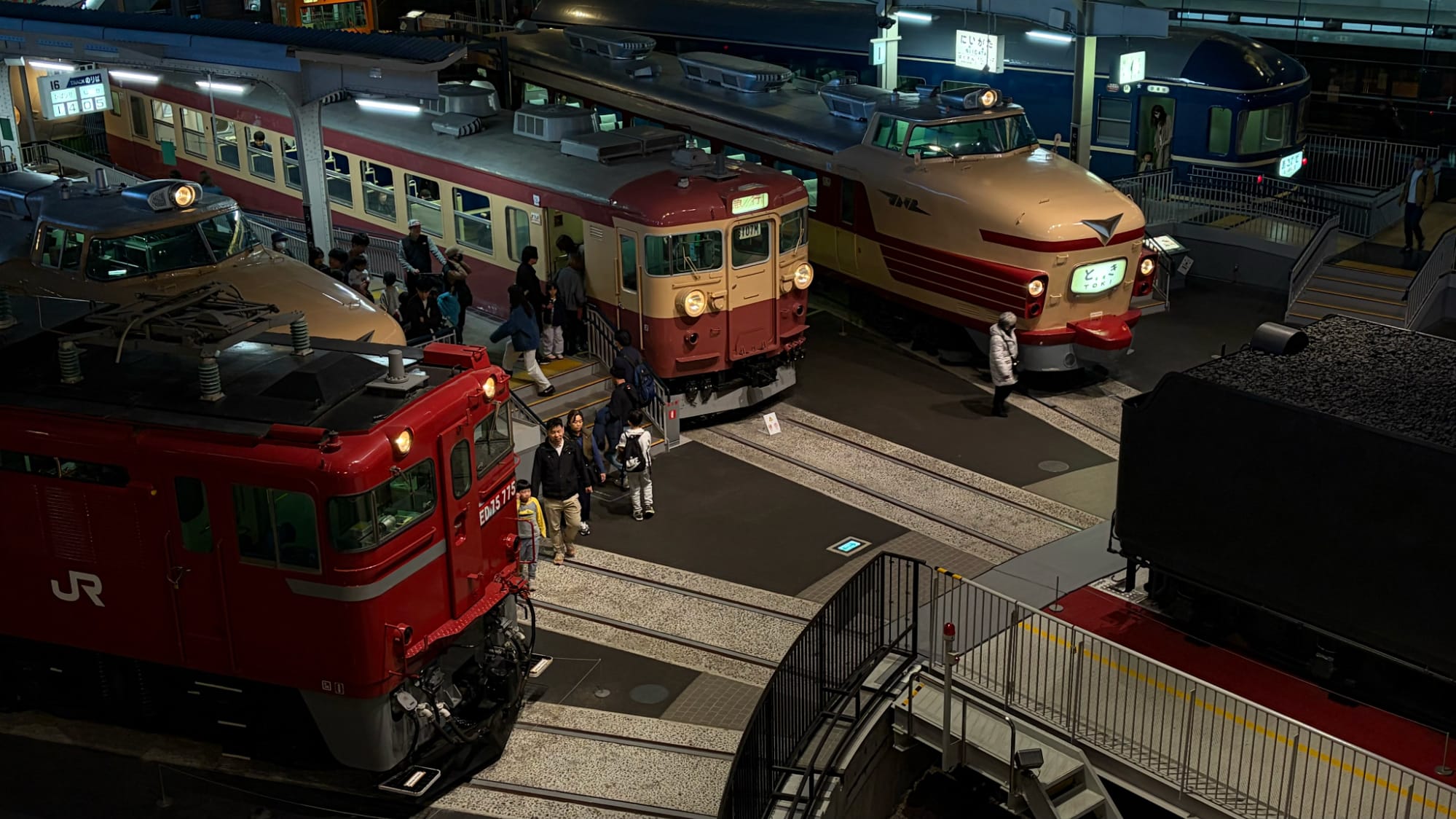
The museum’s centerpiece is its Rolling Stock hall, the first stop on our tour of the museum. The space is a cavernous three-story warehouse with a massive turntable at its centre, flanked by a variety of steam, diesel, and electric locomotives dating across the full range of Japan’s railway history.
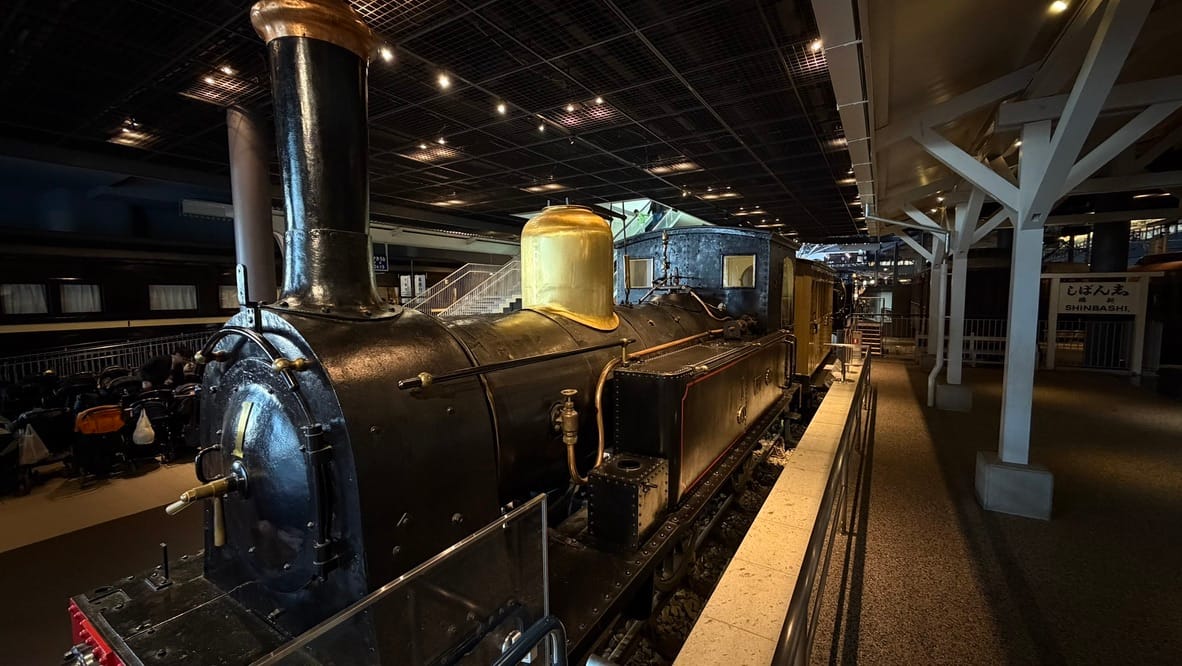
Sitting at the entrance is Japan’s very first locomotive, imported from England in 1871. The locomotive ran from Shinbashi to Yokohama across manmade embankments over Tokyo bay, and was relatively expensive for its time: even a third-class ticket would have cost around ¥5,000 in today’s money.
The next three decades saw the founding of a myriad of regional railway companies, the majority of which operated foreign-made locomotives. Nippon Railway, the first private railway company in Japan, constructed a route from Ueno to Aomori, one of Honshu’s northernmost cities. Meanwhile, various companies constructed their own stretches of track connecting Tokyo, Kyoto, and Osaka with the country’s southern regions.
It was not until 1893 that Japan produced its first domestically manufactured locomotive, the Class 860, and not until 1902 that it created a mass-production model, the Class 230. Japan’s major railways were nationalized following the Russo-Japanese war in 1906, with 4,525 km stretching from Hokkaido to Kyushu coming under national ownership.
Flanking the right of the hall is a row of imperial carriages, purpose built for the transportation of Japan’s royal family. The first of these carriages was built in 1893, and features meticulously painted filigree decorations along its side. Its successor, the No.2, resembles a massive rivet studded lacquerware box, its interior filled with luxurious padded furniture and painstakingly decorated surfaces.
Other important and unique trains within the Rolling Stock station include the streamlined sleeper train Nahanefu 22, the rack-and-pinion mountain train ED40, a variety of cargo container carriages, two steam locomotives, and an entire hall dedicated to the Shinkansen Series 0.
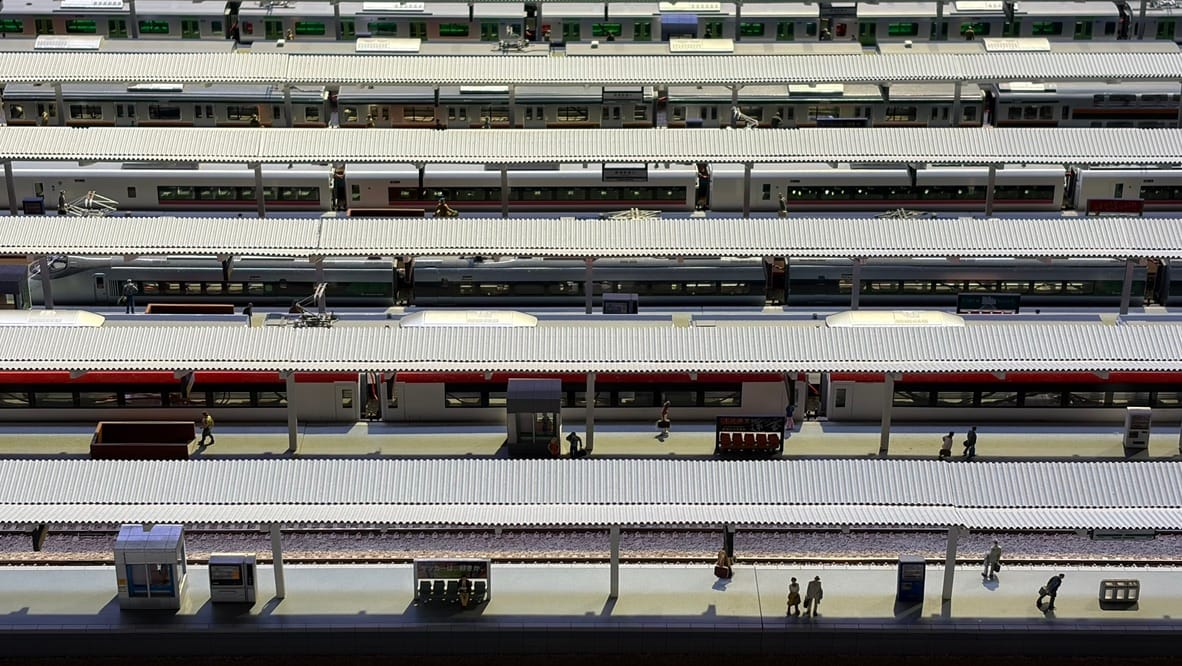
On the second floor of the hall is the museum’s expansive model railway layout, with regular narrated demonstrations of the display recounting the history of Japanese rail. The setup is impressive regardless of your interest in model railways, with several different settings for day and night operation as well as extreme attention to detail— looking closely, you can see people waiting at railway crossings, gathered in a park for an outdoors concert, milling about on platforms, and even watching penguins in the zoo.
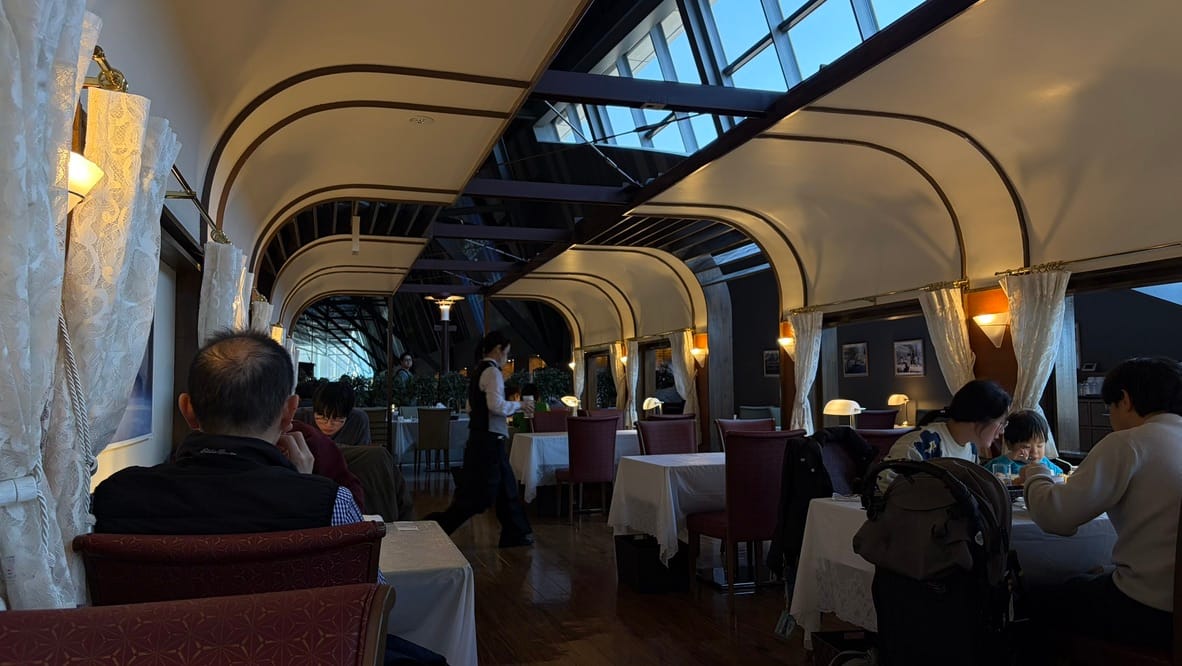
Also on the second floor of the main hall is one of the museum’s train-themed restaurants ‘Nippon Shokudo’. The interior is based on a classic dining car, with its windows overlooking the tracks of the JR Takasaki line. The restaurant offers standard Japanese ‘western-style’ dishes such as omurice, hamburg steak, and two types of curry, but nothing for vegetarians aside from bread or salad.
I had their omurice with demi-glace sauce, which I thought was just okay’. While the slow-cooked beef was deliciously tender, the rest of the plate was a little cold, and the rice filling of the omelette was not the tastiest. This could be a wider problem of mine with the omurice format, though: ketchup and rice is just not a favorite combination of mine.
If you’re after a train-themed dining experience, I recommend bringing a packed lunch and eating on one of their 'lunch trains’ (real historic train carriages with tables at which you may eat and drink freely), or heading to the top floor of the South building, where the ‘View restaurant’ overlooks the much more impressive Shinkansen tracks that ferry passengers north towards Akita, Aomori, and Hokkaido.
The museum even has Ekiben-ya on either side of the main hall that sell a limited quantity of classic eki-bento (bento boxes available for purchase at larger train stations) including gyu-don, mackerel, and tempura. You can even take one of these lunches onboard a lunch train for a taste of real railway dining.
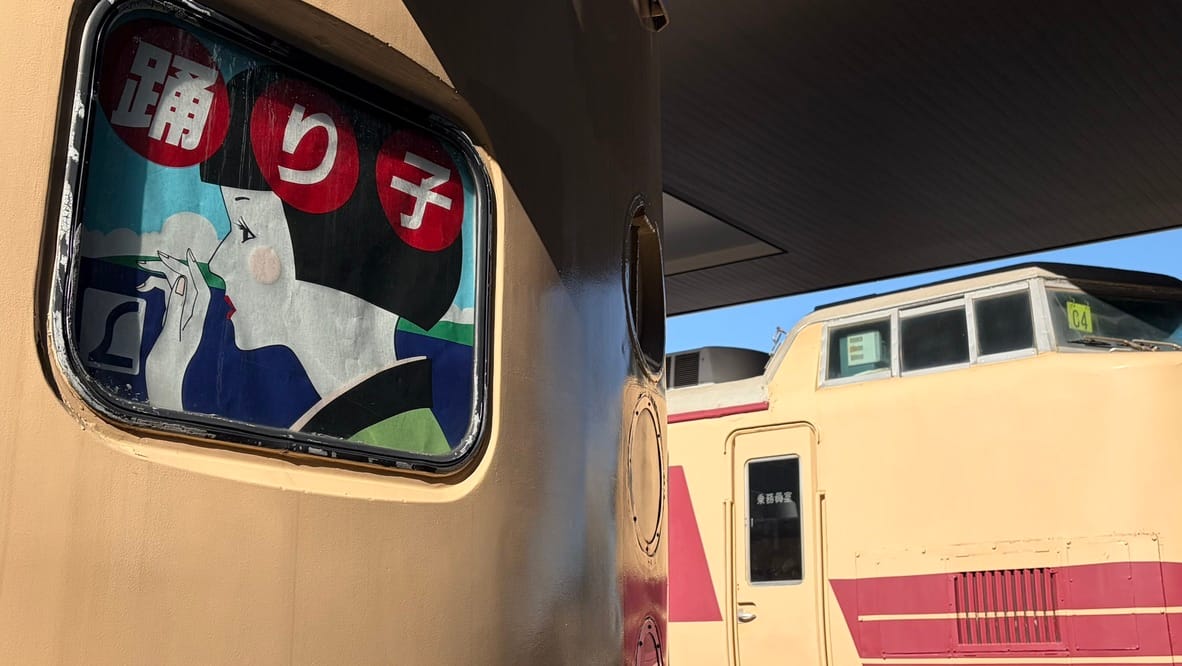
The next stop on our tour of the museum is the South building, home to the museum’s ‘Job station’, which allows visitors to experience the various roles of railway workers firsthand. Visitors can experience working as a member of station staff behind ticket machines, watch trained staff members re-enact emergency procedures at a railway crossing, and take a class train operation before putting their skill to the test at simulators recreating everything from local trains to the E5 Shinkansen.
Across the atrium is the museum’s ‘future station’, a small gallery describing innovations expected to diffuse across Japan’s railway network in the coming years: flywheel energy storage for rolling stock, live remote monitoring of train car’s internal systems, as well as touch-free entry gates and live camera tracking of passengers at stations.
On the floor above is a section that briefly describes the history of Japanese rail, while the top floor of the building contains the aforementioned ‘View Restaurant’ overlooking the Shinkansen tracks, as well as an outdoor plateau overlooking the passenger rails to the museum’s east.
Over in the museum’s North building is the ‘Science Station’, which uses interactive displays to demonstrate the engineering principles behind different components of train cars and railway system architecture in an easy-to-understand way. While definitely aimed at younger visitors, the gallery does give a good introduction to the content for anybody without prior knowledge on the subject.
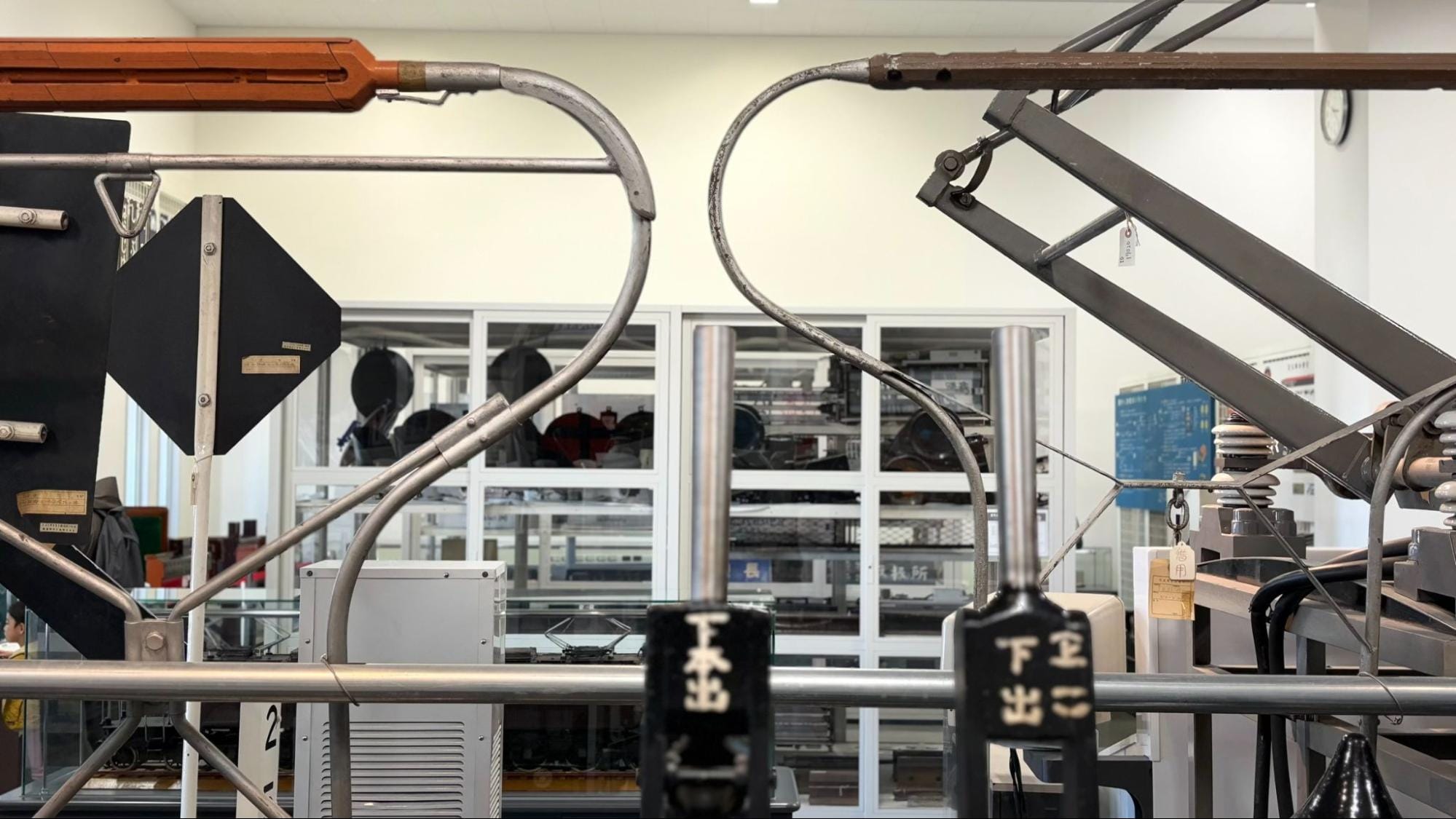
Not far from this section is the museum’s Collection Gallery, which wound up being one of my favorite sections. The gallery displays all sorts of odds and ends from across the museum’s collection, all displayed alongside one another without rhyme, reason or explanation. Disused railway maps, Shinkansen nose cones, commemorative plaques, malfunctioning models, dismembered pantographs, strange equipment and metal surfaces all stack on top of one another in a beautiful juxtaposition of shape and function, visual collisions that would never occur in reality unless after a catastrophic train crash. The effect is like an instantaneous, placeless collage of material culture across Japan’s railway history.
The roof of the south building is home to a circular plaza offering sweeping views of the Shinkansen tracks as they curve over the metallic rooftops of Omiya’s factory buildings, the silhouette of Mt. Fuji looming deep blue over the distance. Every few minutes, the quiet of the plaza is interjected by the passing of a glinting, rhythmic corridor of stream-lined steel and light, before returning to silence as the metal stream retreats into the horizon.
I hadn’t noticed that so much time had passed, but the sun was beginning to set and the announcements were telling visitors to return home. I walked from the museum towards the station, passing the factories and the disused engines at their gates. The windows flashed scratched golden light in the sun’s reflection. I boarded a Takasaki line headed back towards Shinjuku via Ikebukuro.
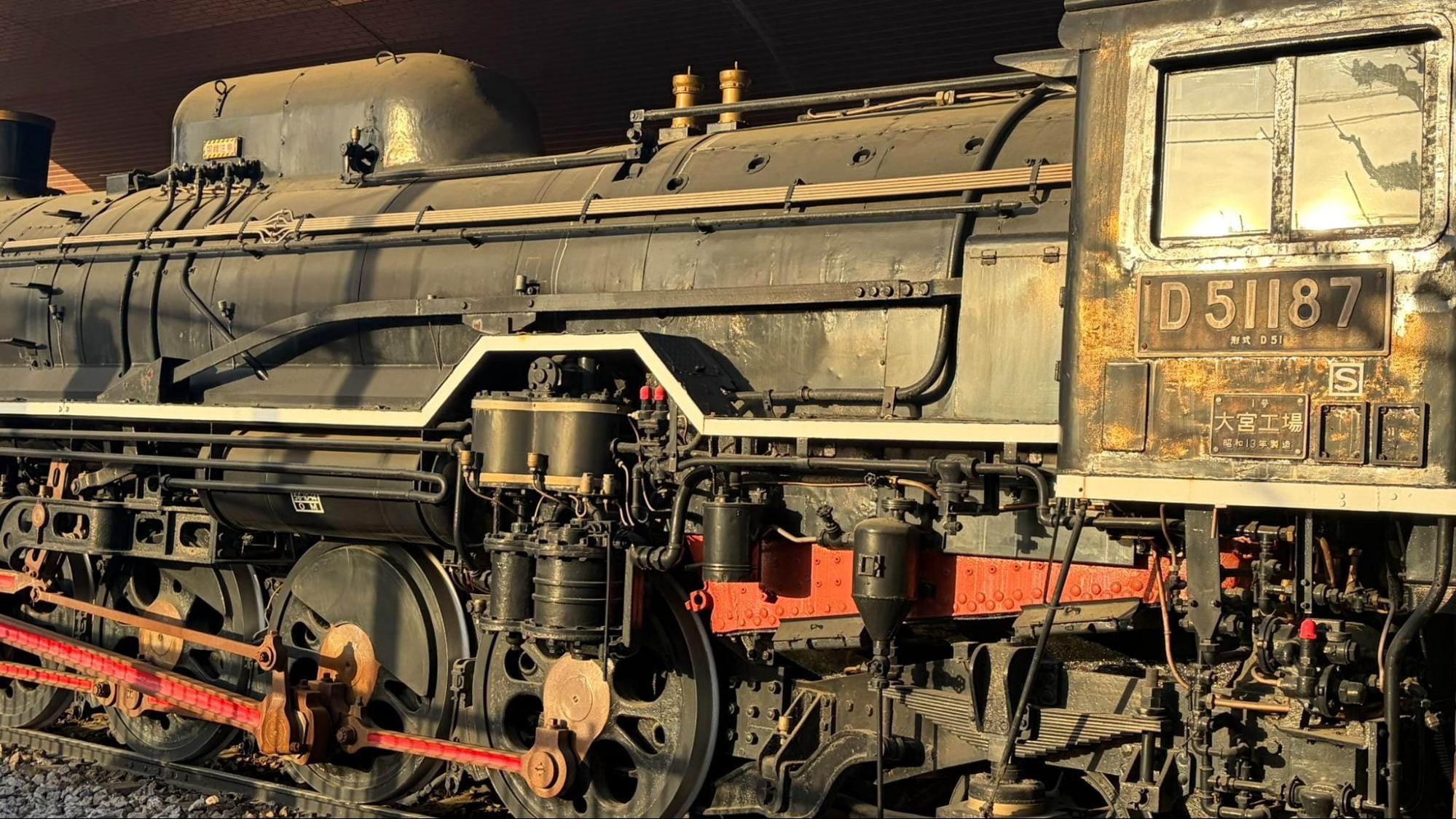
The story of Japan’s rail network is the story of its modernization and reinvention. Initially a symbol of the country’s westernization during the Meiji era, Japan’s railways took over as a mark of technological progress after militaria following the Second World War. Once far behind the west, Japan was now leading in technological progress, efficiency, and organization. The Shinkansen was a central national symbol of post-war reconstruction, inspiring the country as it worked towards its economic miracle.
Japanese manufacturers continue to lead in the world of railway engineering, while the country’s rail network remains expansive and affordable in an era that has seen de-accession and disarray in many western countries. Railways are an inextricable and interconnected aspect of the Japanese national identity, and this museum serves as an incredible celebration of their beauty and importance.
You can visit the museum’s website here for information on their collection and special events.
Tickets cost ¥1,600 for Adults, ¥600 yen for children under 18, and ¥300 for preschoolers.
Hours: 10:00 ~ 17:00
The museum is closed on Tuesdays, as well as the final week of the year.