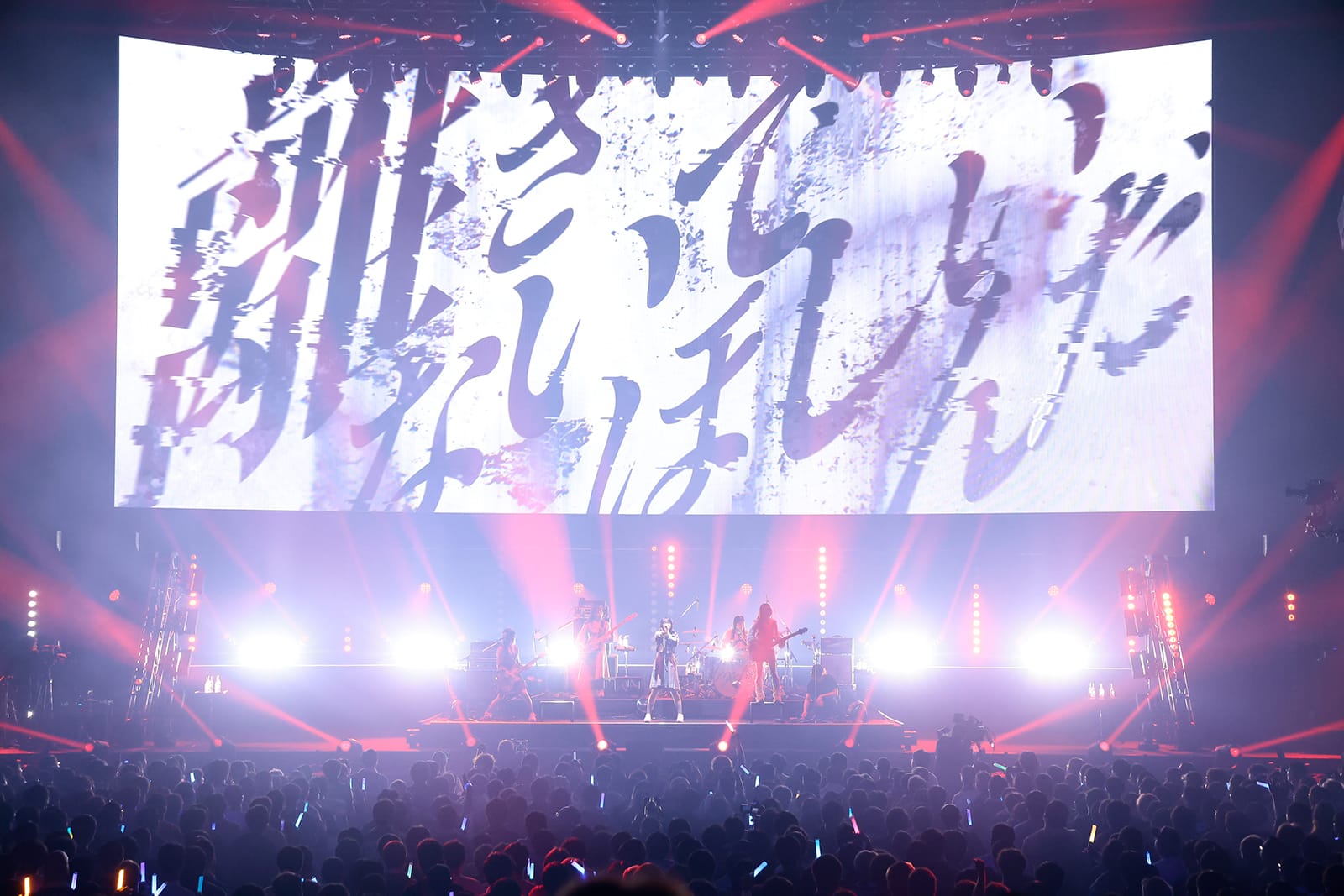
Even within the incredibly diverse landscape of Japanese music, perhaps no subculture is more important than anime songs or ‘anison’ for short. For better or worse, anime has come to exemplify Japanese culture on the world stage, meaning that tracks associated with and used by the medium are given the most attention. LisAni! Live on Tokyo Anime Music Highlights showed the best of this subculture, but not without a few incidents along the way.
As part of the week leading up to Music Awards Japan 2026, thousands of people poured into Toyota Arena Tokyo on June 9. It was a Tuesday, meaning that many had either dipped out of weekday commitments early or taken the day off entirely: a testament to their dedication. This is somewhat less surprising when considering that the line-up contained representatives from many powerful anime-adjacent franchises with passionate fan bases.
LisAni! is in and of itself a powerful brand that commands an awful amount of name recognition. Despite beginning life as an anison-focused magazine in 2010, it has since transformed into more of an event label, regularly organizing a self-titled festival every year alongside smaller events. 2027 will even see said festival head to Kobe for the very first time, in addition to two days in Tokyo.
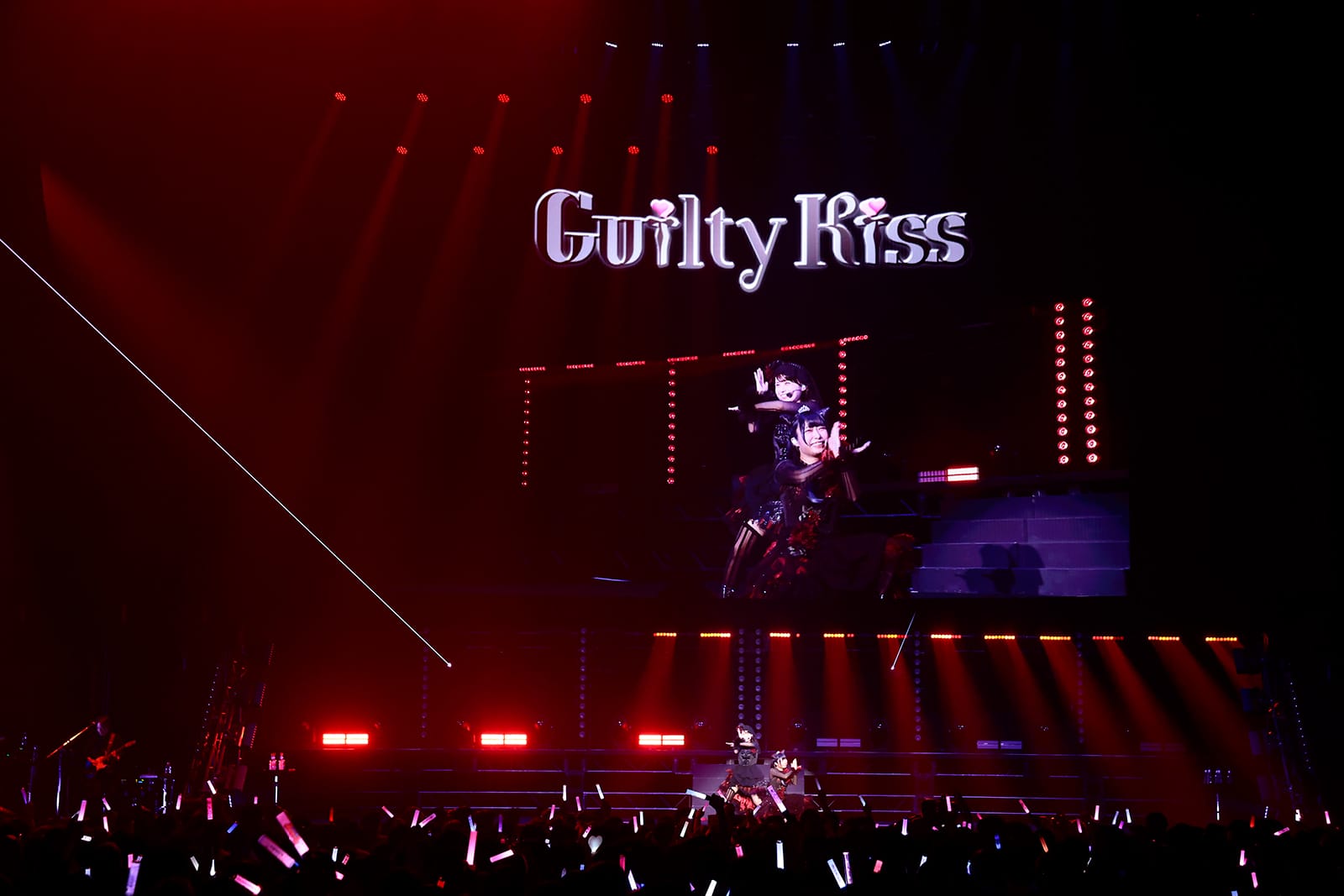
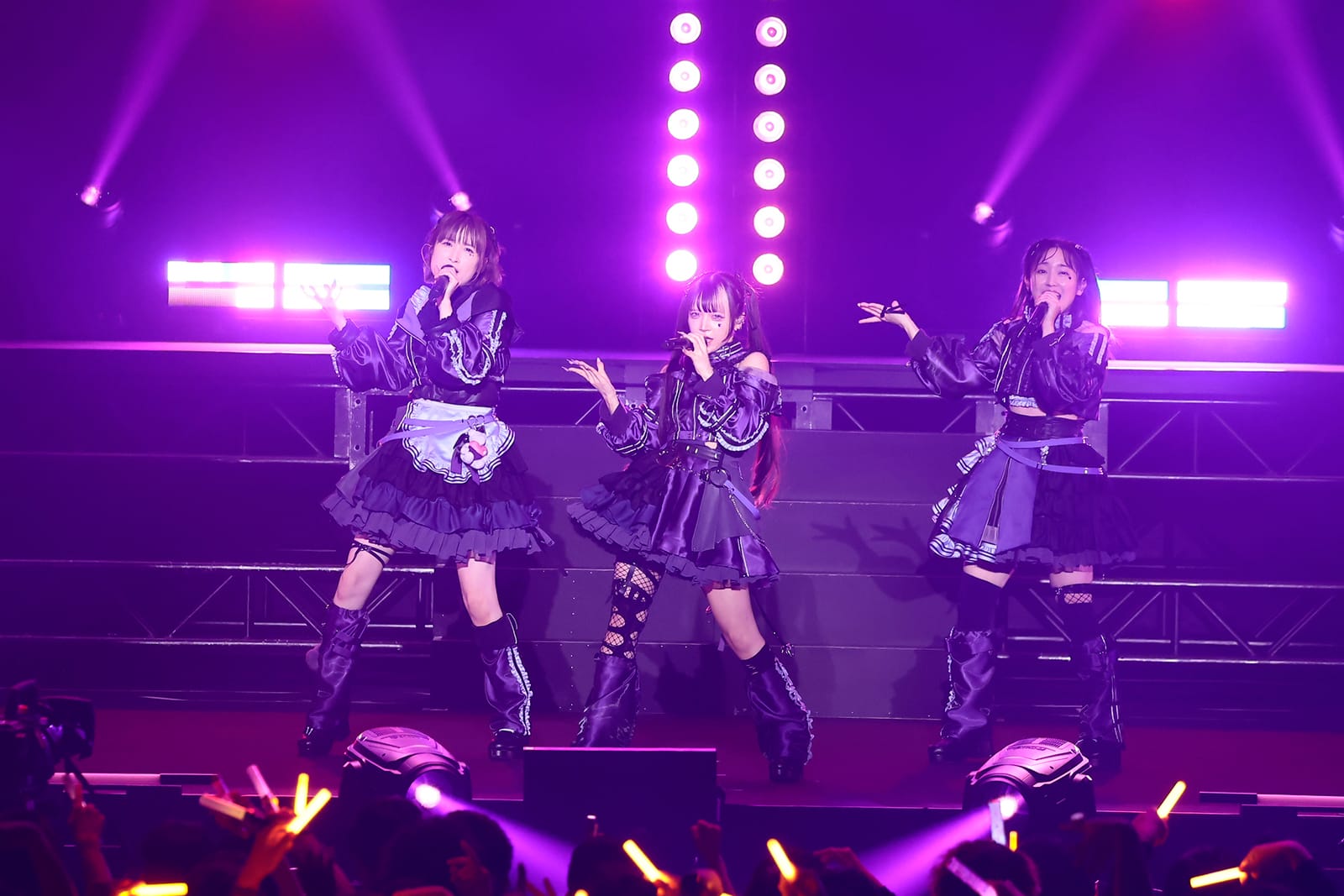
In any case, kicking things off at LisAni! Live on Tokyo Anime Music Highlights was Guilty Kiss from Love Live! Sunshine!!. Even though the series’ main group Aquors held a finale concert last year at Belluna Dome, several sub-units have continued to perform, including rival characters Saint Snow at this very event. That being said, voice actor Aina Suzuki was missing from the line-up this time around for unknown reasons.
Everything was fine until the second song. During the final verse of “Guilty Night, Guilty Kiss!”, two attendees brandishing massive multi-pronged super-bright penlights ran down the aisles towards the stage, blinding everyone in their path. It didn’t take long for staff members to arrive on the scene and put a stop to the shenanigans, however, using a surprising amount of force along the way.
Known as ‘peacocks’ or kujaku in Japanese, these types of penlights are usually banned at live events for obvious reasons. LisAni! Live on Tokyo Anime Music Highlights was no exception, but a group of determined individuals had managed to smuggle in the illegal objects through an initial bag check. Similar incidents occurred during voice actor trio TrySail’s performance, as well as Cometik from The Idolmaster: Shiny Colors and MyGo!!!! from BanG Dream!.
The point of this article is not to criticize the event for a lack of security, nor lay the blame at the feet of any particular group or fan base. Indeed, one of the points of peacocking is to cause a ruckus in the moment and later claim credit for it on social media in a twisted way of earning online clout, so there’s no point in feeding the beast any further. Rather, what’s interesting is what this says about the subculture as a whole.
Looking at the official website, tickets for LisAni! Live on Tokyo Anime Music Highlights cost 11,000 yen. When you consider that the event took place on a weekday, that’s not an insignificant investment of time and money into something that you plan to get thrown out of. Of course, most people came to enjoy the performance normally: they’re the real victims here, both in terms of coverage and literal harm to the visual cortex.
While peacock penlights are forbidden, one type of penlight that sets anison performances apart from others in Japan is the ultra orange or UO. UOs are single-use, bright orange penlights that fans activate by snapping at the final bridge of a song or chorus, usually to signal anticipation or excitement. They’re one of the only kinds of lights that are visible from the stage, hence why they are only used at key moments.
Truly engaging performances always come down to shared communication between the audience and performer. We’ve all experienced the sensation of somehow feeling at one with someone on the stage, whether it be at a concert or during a play, so anison flips this on its head: what if the person on stage feets at one with the audience? Peacocks can be seen as a way of achieving this goal in the most extreme of ways, putting significant resources on the line to signal affection.
Nevertheless, the continued reappearance of peacocks somewhat ruined the atmosphere of the event thereafter. Each new act came along with the question of if and just how many fans would dare to go out in a ball of flame: the record was taken by MyGo!!!!!, during which five activated all at once. There was a period of time when looking out for peacocks was arguably more fun than watching the performance, so it’s a good job that Masayoshi Ooishi rounded out the event.
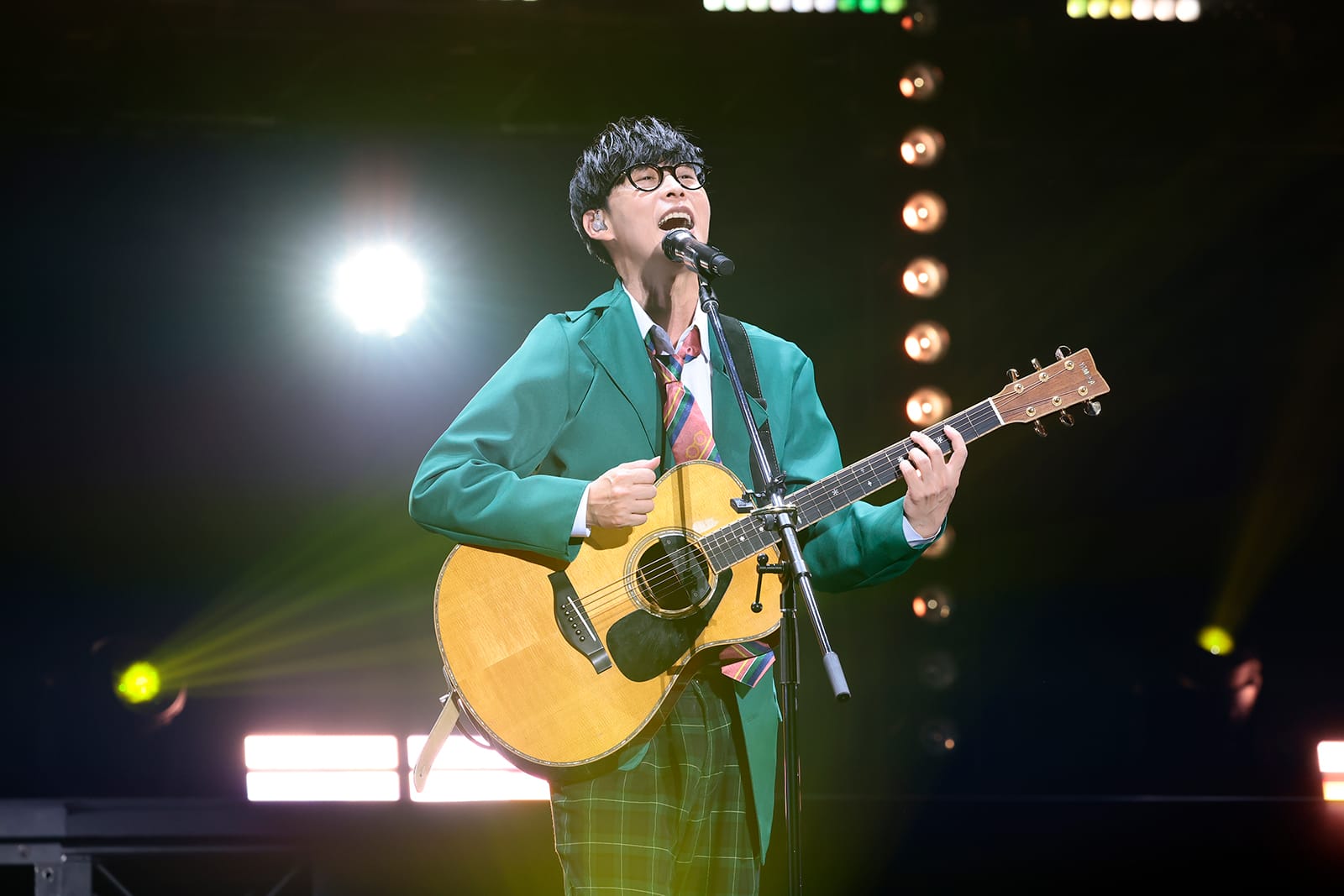
Despite debuting in 2001 as the vocalist for the band Sound Schedule, Ooishi has since gone on to associate very closely with the world of anison as both a performer and composer. Aside from the opening themes for Monthly Girls’ Nozaki-kun and Tada Never Falls in Love, he was the one behind “Welcome to Japari Park,” arguably the defining anison of the 2010s. In fact, his ubiquitousness across the industry has earned him the affectionate nickname ‘kuso megane (that damned four-eyes).’
Oiishi’s involvement with the industry isn’t just a case of work, but genuine love for the subculture. During his performance, he expressed his desire to unite the world with anison, as well as a declaration that “anison festivals are the best.” If anyone was able to wash away any bad tastes, it was him.