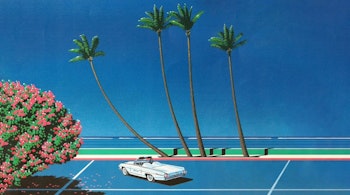
In a society obsessed with flawless beauty, where every detail is carefully curated and perfected, Kazumi Kurigami shattered the norm, pushing his bold ideas into unexpected places. His work was a brazen middle finger to the over-polished world of fashion and advertising in Japan, laser-focused on the raw edge and quiet imperfections of his subjects. In an industry that favored soft, flattering depictions of models, Kurigami dug deeper, using harsh lighting and unflattering angles to capture his subjects' true emotional response, and to expose the soul beneath the surface.
Every pore and wrinkle, left unretouched and proudly showcased in Tokyo’s luxury retail spaces, left a lasting imprint on the beauty industry. Kurigami became the go-to photographer for top designers and publications, his unfiltered style shaping Japanese fashion photography from the 1980s onward.
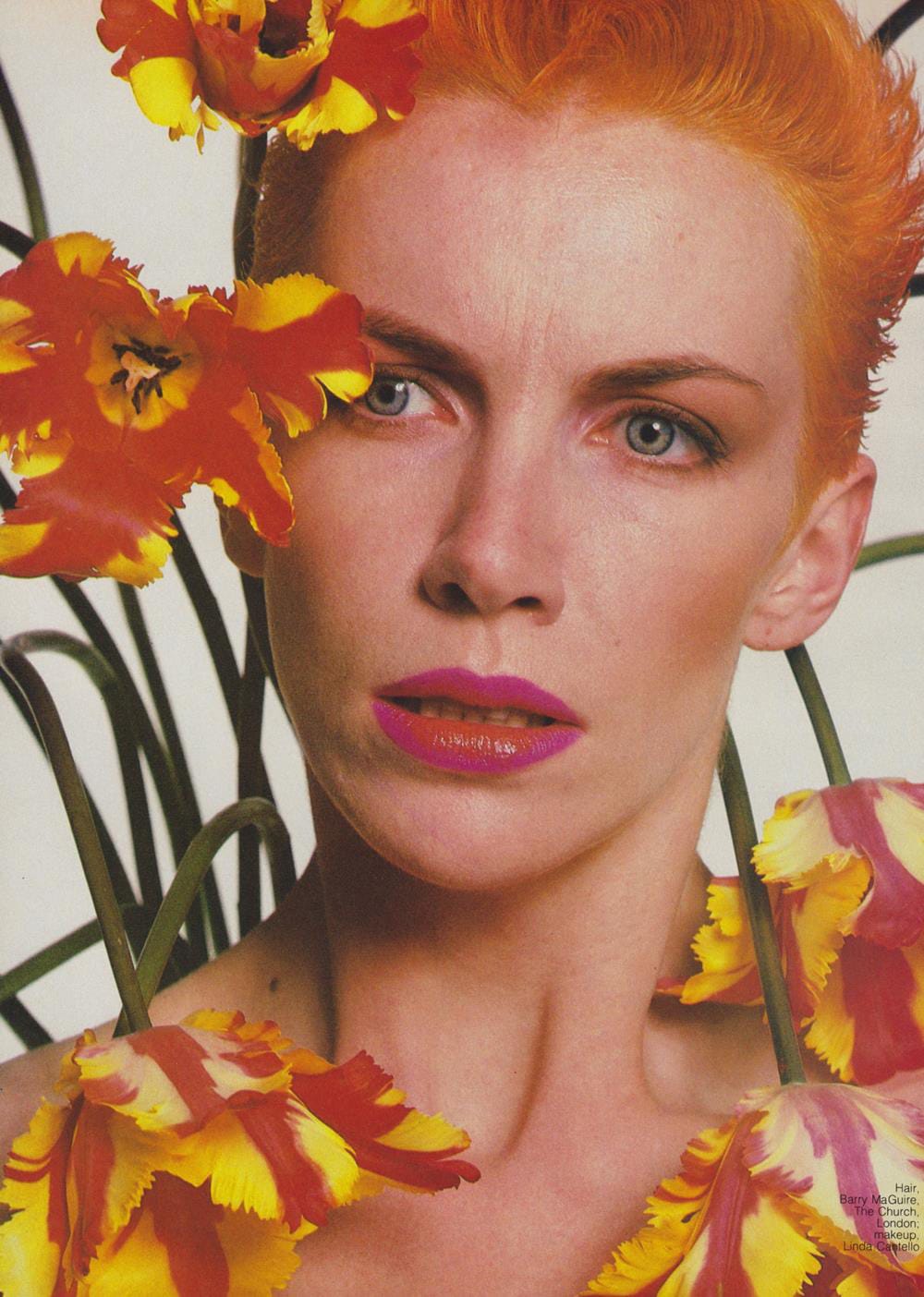
Kurigami was born into a ranching family in Hokkaido and didn’t make his way to Tokyo until he was 24, when he began formal studies at the Tokyo College of Photography. Despite the relatively late start, his unique vision quickly caught the eye of the advertising world, and he rose through the ranks fast. His spark was undeniable, leading to collaborations with some of the biggest names in fashion: Rei Kawakubo, who brought him on in the '70s for a series of bold monochrome campaigns for Comme des Garçons; brooding portraits of Takeshi Kitano in Yohji Yamamoto; and high-profile celebrity shoots for Vogue.
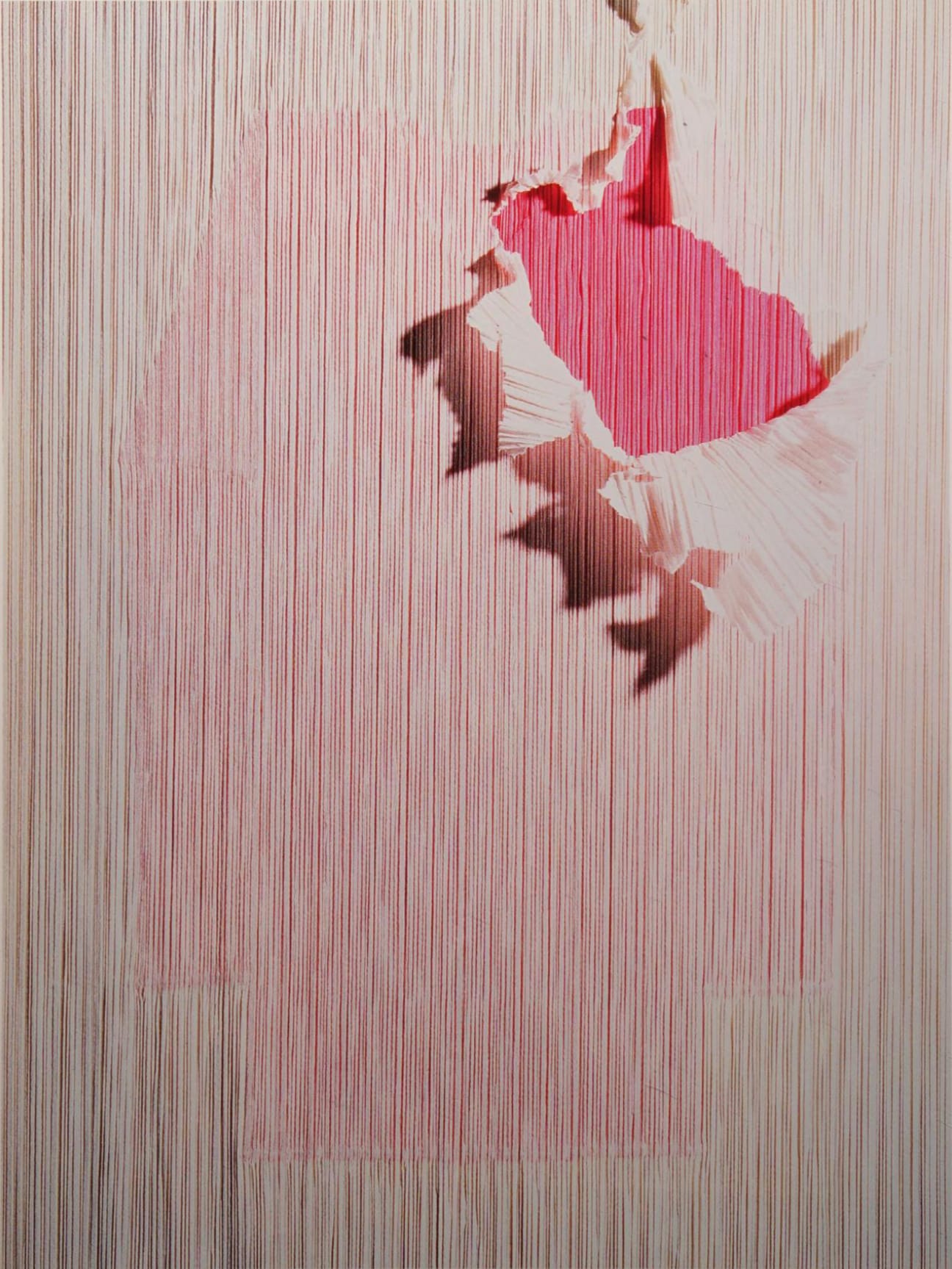
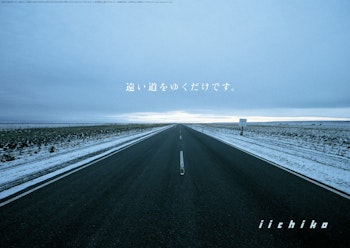
It’s no surprise that Kurigami’s avant-garde contemporaries were drawn to his unique style. His work became a staple in fashion and advertising, earning him a reputation as a master of light and shadow. His unforgettable PARCO ads remain some of his most iconic creations: surreal, abstract commercials scoredby Ryuichi Sakamoto, Faye Dunaway in Issey Miyake, casually eating a boiled egg, and Gary Numan undergoing a subtle drag transformation. These pieces often left audiences with more questions than answers, and that ambiguity was precisely what made them so compelling. Unlike traditional ads, which put the product front and center, Kurigami’s approach was art-first, offering an emotional experience rather than a straightforward sales pitch. It was a radical departure from the norm, inviting consumers to do more than just buy. The emotional experience he was curating invited them to feel.
The fascination with the underbelly of human experience remained a constant throughline in Kazumi Kurigami’s career. At 72, he channeled this obsession into his directorial debut, Gelatin Silver, Love. True to his photographic style, the film explores the complexities of identity, observation, and the blurred lines between public and private life. It follows a voyeuristic protagonist obsessed with documenting his neighbor’s every move, raising questions about the ethics of observation and the boundaries of personal space.
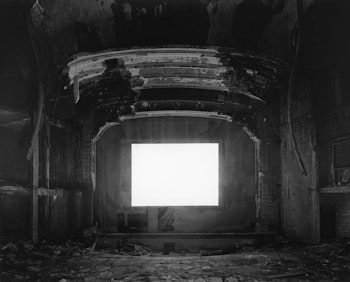
Visually, Gelatin Silver, Love is stunning, drenched in shades of black and blue, with every frame feeling like a carefully composed photograph. Much like his photography, the film doesn’t just tell a story; it invites viewers to question what they’re seeing, urging them to look beyond the surface and into deeper layers of meaning. Rie Miyazawa, a former idol-turned-actress with a complicated relationship with the public eye, stars as the neighbor. The role reflects themes of reinvention and personal history, focusing on how society imposes narratives on individuals, particularly women, and distorts them in the process. Miyazawa’s portrayal adds depth, balancing vulnerability and strength with nuance.
At almost 90, Kazumi Kurigami still embodies the punk attitude that defined his early career. You’ll almost always spot him in his trademark sunglasses and leather jacket, diving headfirst into new projects and defying convention. Whether behind the lens as a photographer or director, Kurigami has never stopped experimenting, chasing the next challenge, and always doing it in his own voice.
What’s kept him relevant year after year isn’t just his ability to adapt; it’s his refusal to compromise. Known for demanding full creative control since the '70s, he’s quoted as saying, “You’re paying me a lot, so let me do it my way.” It’s this stubborn, unapologetic streak that’s allowed him to carve out his own space, free from industry trends and expectations.
In 2025, he was still turning heads in Shibuya Station with a bold new billboard campaign for CFCL, a sustainable knitwear brand. But Kurigami isn’t keeping up with the times; he’s staying ahead, shaping the conversation in his own distinctive way. After seven decades, the fact that a photographer who’s never followed the rules is still making waves in Japan’s commercial world speaks to the sheer power of his unyielding vision.