JR East has opened Oimachi Tracks, a new commercial development incorporating a Mall, Park, Office building, Private residence, and Hotel. The development, which opened on the 28th of March, has been in construction since 2023 and sits on the former site of the Imperial railway depot, constructed in 1915. The new complex is one in a series of trackside redevelopments by JR East, opening on the same day as several new buildings at their Takanawa Gateway development in Shinagawa. The company has been expanding developments of this kind across their nationwide real estate holdings over the last 10 years.
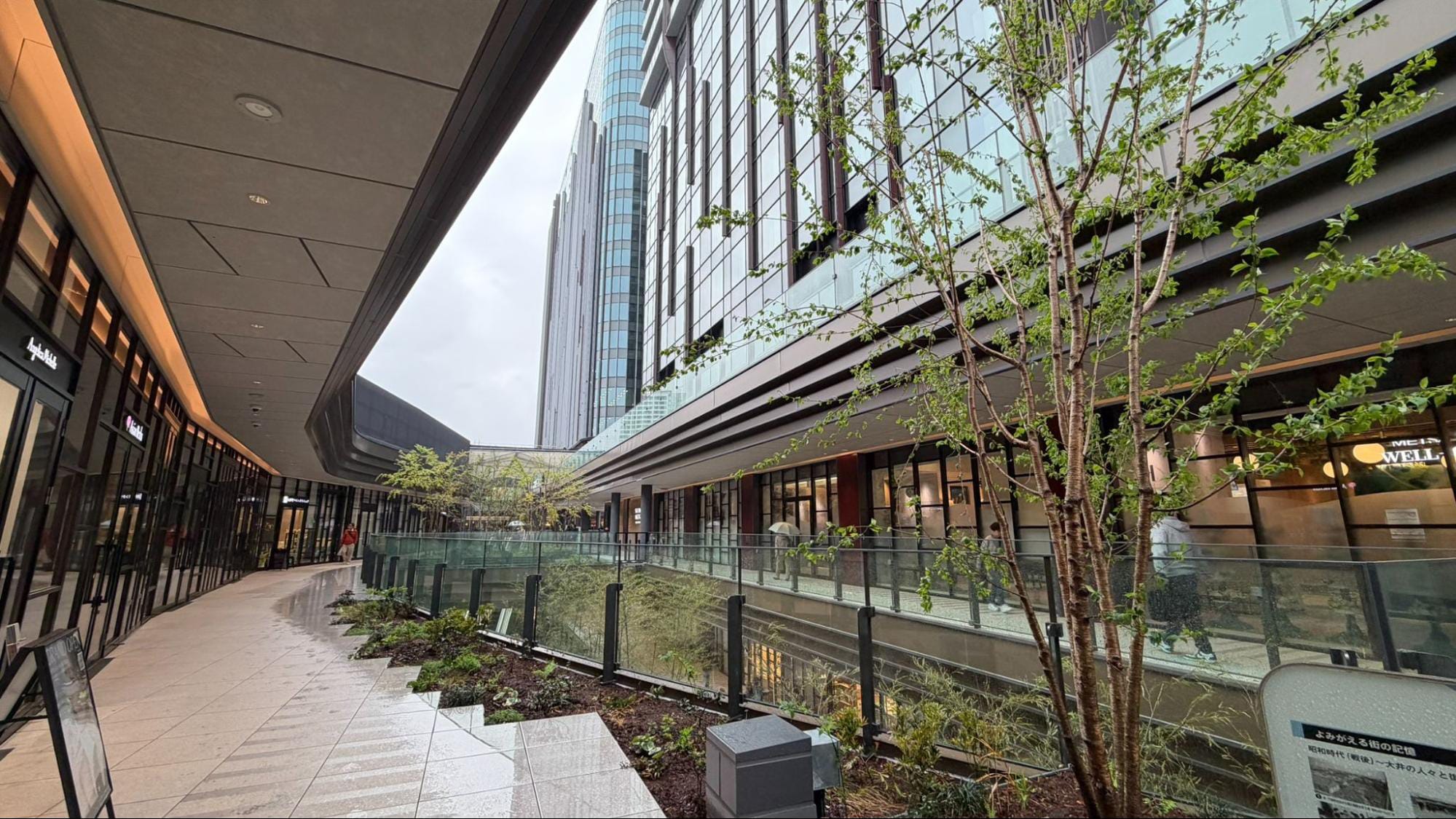
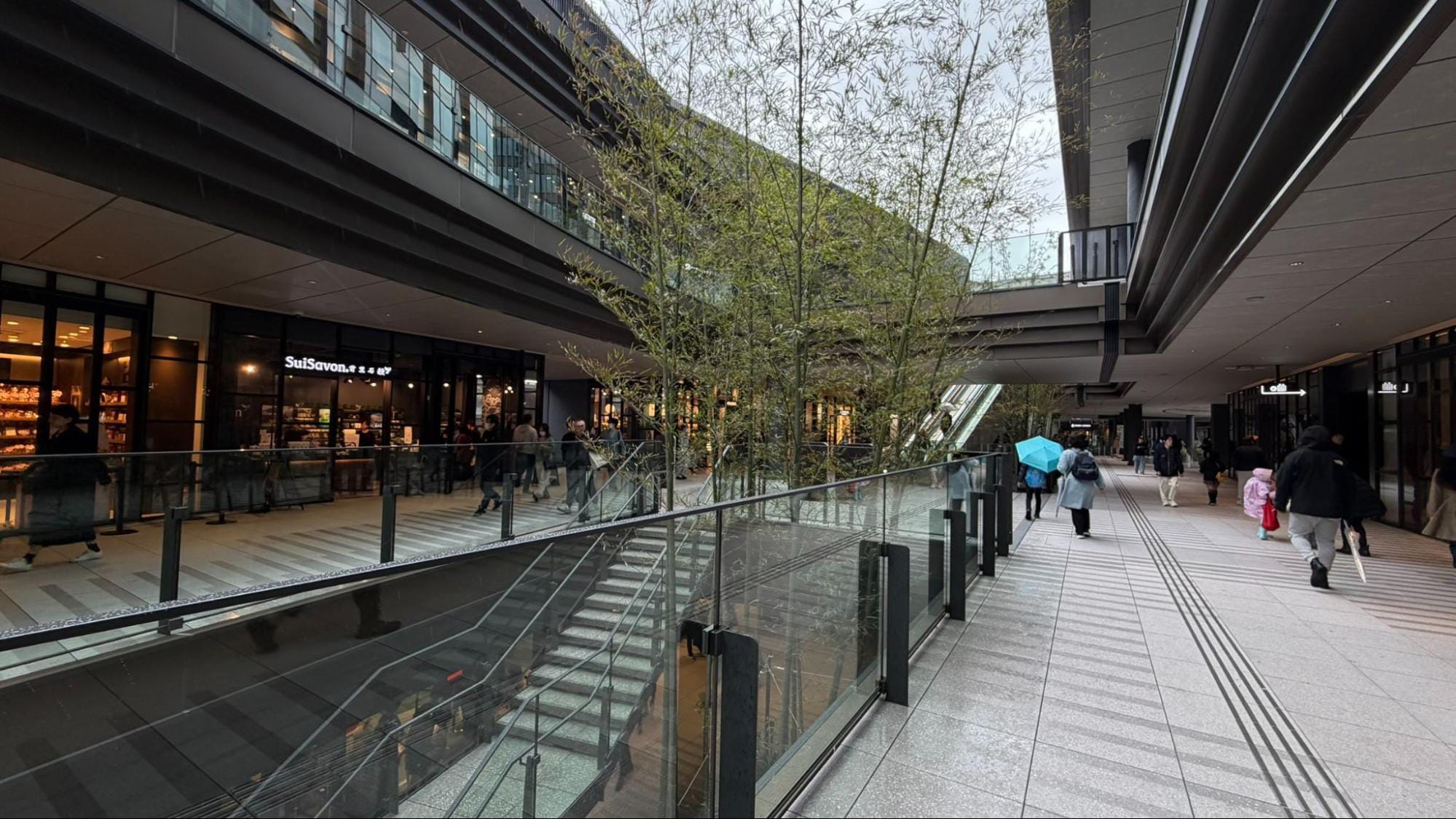
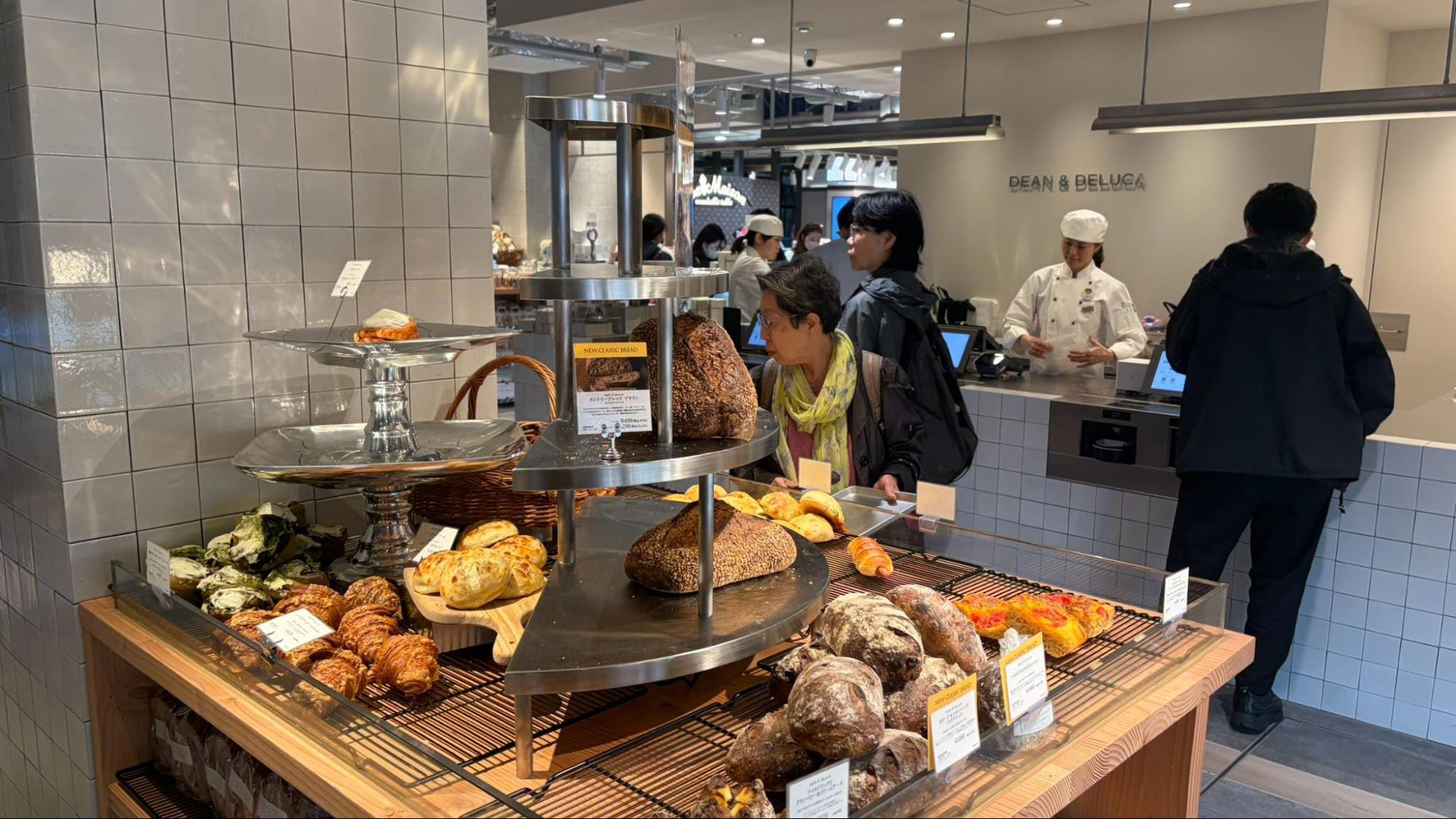
The mall is directly adjacent to Oimachi station, with a dedicated entrance by the West JR and Tokyu line exits. The station opens onto a wide plaza overlooking rows of Yamanote Line trains. The main strip of the mall is to the left, and is split across three levels. The complex includes many of the classy storefronts common to upscale developments: a Dean & Deluca Cafe, an Akomeya for cookware, a Nakagawa Musakichi for home goods, and a L’Occitane for cosmetics, among others.
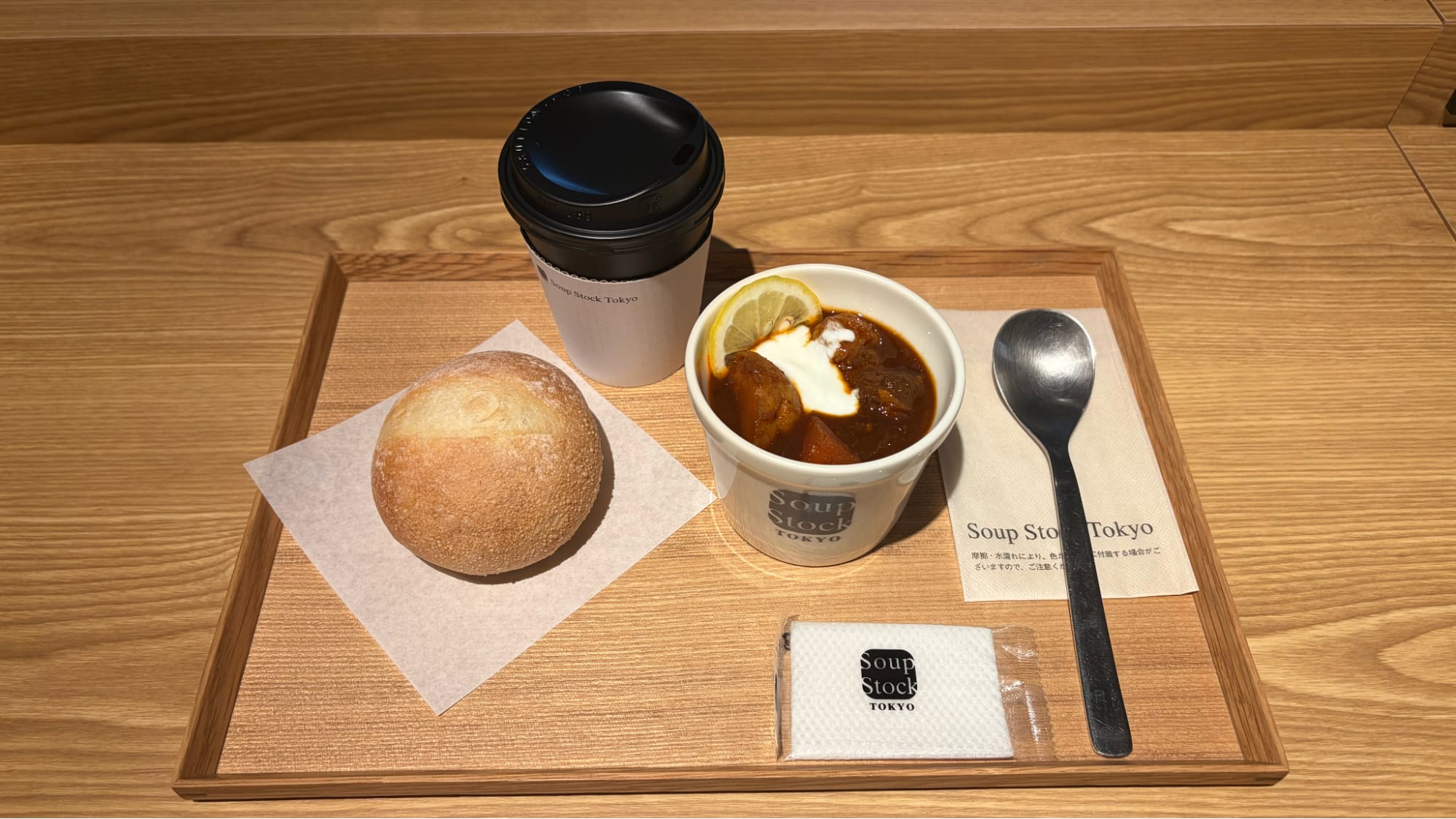
There are plenty of restaurants, including Soup Stock Tokyo, Kamakura noodle, omurice specialty restaurant Yellow, as well as options for Ramen, Curry, Tsukemen, Gyoza, Italian, and more. The development also boasts a fully-fledged Toho Cinema, the first cinema in Oimachi since the closure of the Oi Musashino Cinema in 1999. The development also includes a wide park area to its west, as well as two plazas overlooking the Yamanote Line depot. Sauna Metsä pays homage to the depot with its tram-themed sauna rooms, which are modelled on the inside of trains and overlook the tracks. You can explore a full list of the Shops, Restaurants, and facilities on the museum’s website here.
Regarding the architecture: the material language of the complex is certainly in line with recent trends, with sweeping copper strips reminiscent of projects like Heatherwick Studio’s Coal Drops Yard in London, or the more recent Azabudai Hills redevelopment in Tokyo. Alternating paving stone strips resemble railway tracks across its length, while blocky surface details and mud-red accent colours that seem to reference the iron-and-brick warehouses which inhabited the site prior to its redevelopment. However, the reference is unclear until you discover a preserved facade tucked away in an obscure corner of the complex– I can’t help but feel like an opportunity to integrate actual brick and iron into the building’s material language has been missed, especially as the park cafe building at the development’s West manages to do so with elegance.
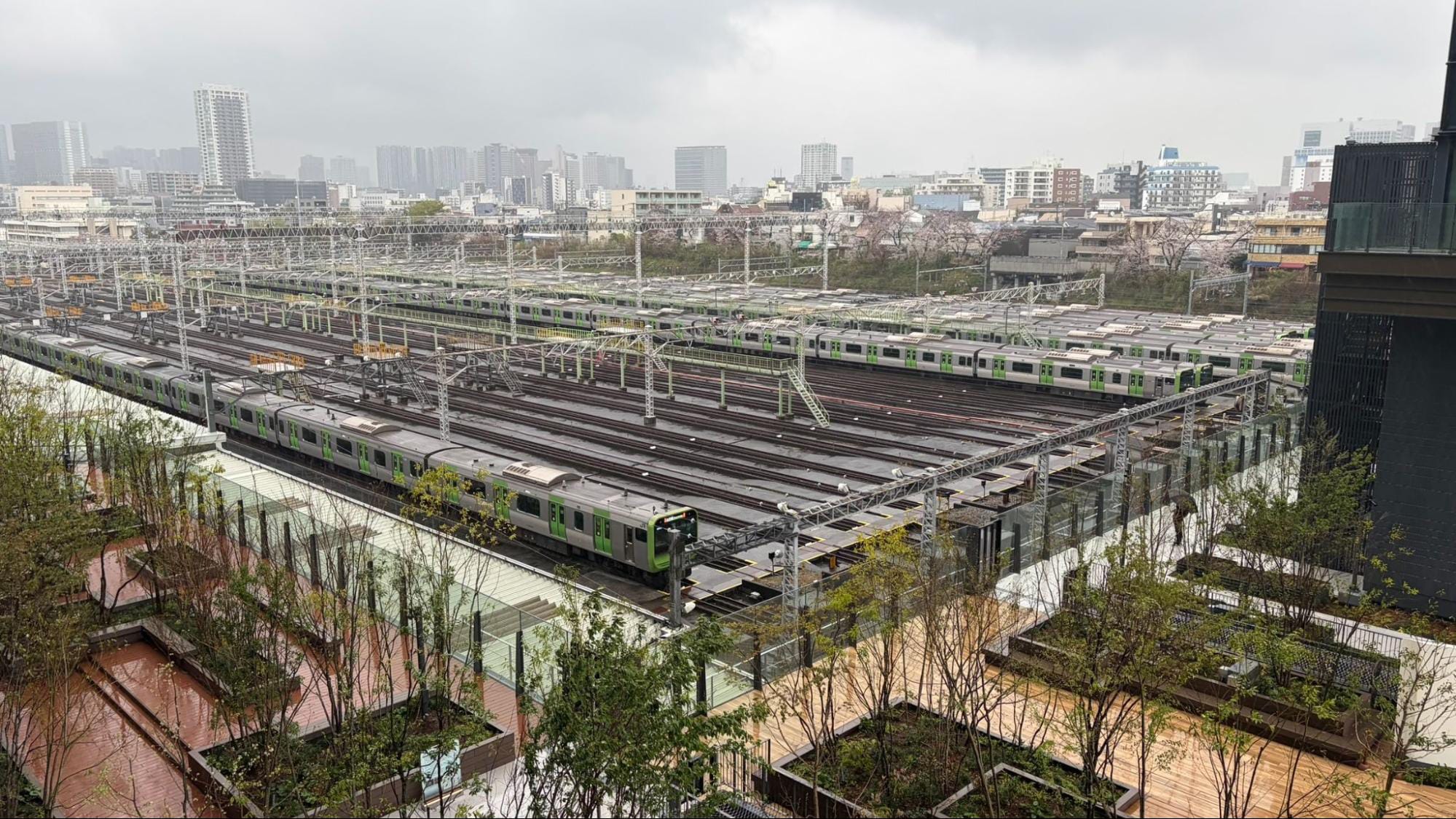
That said, the feeling of exploring the facility is excellent. Though the entire building flows around an open corridor from the building’s East to its West, the architects have designed the space as a meandering valley, elegantly addressing the claustrophobia of being channeled through a space. The space is perforated by vast vertical channels of air and light that make the visitor feel as if standing within a great canyon. Looking out on the Yamanote depot from the second floor plaza, long lines of silver-and-green train cars strum a rigid rhythm of metal and glass, a row of blooming sakura scattering their petals over the tracks from the depot’s east embankment.
With a sleek design, plenty of facilities for locals, great shops and restaurants, and excellent views, I can picture Oimachi Tracks remaining a popular space for years to come.
Oimachi Tracks is accessible from JR Oimachi station and Tokyu Oimachi Station.
Official Website: https://www.oimachi-tracks.com/en/