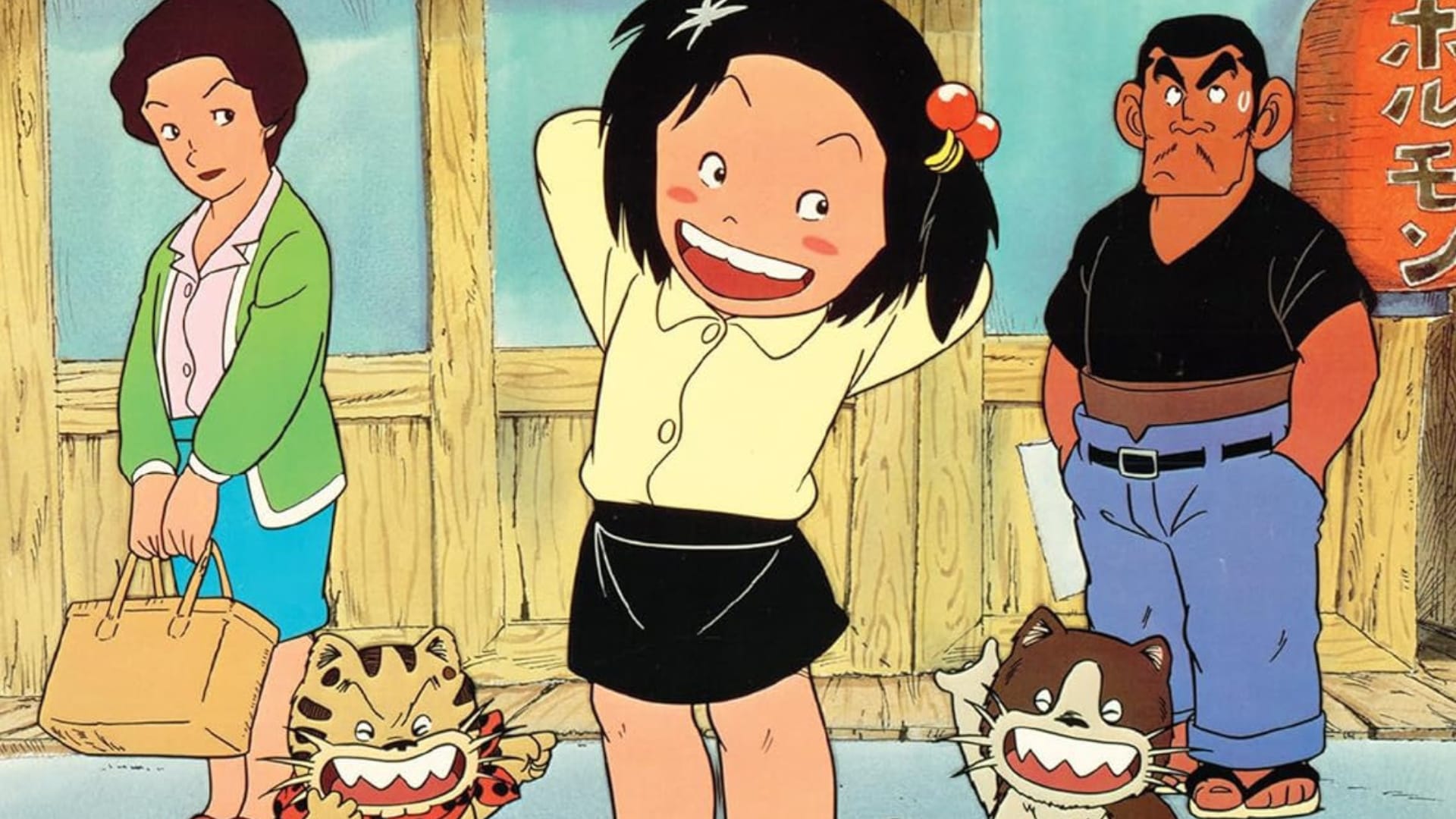
A modest yakitori shop specializing in grilling up “horumon” (intestines and innards) neatly tucked into a shopping alley nestled in some Osaka backstreets calls out to you. It's late 70s Showa era Japan and while the economic bubble bringing you wealth and merriment looms just ahead, you remain unaware and upon seeing this unassuming shop decide to scarf down some offal after a long day of manual labor, a cheaper yet filling option. You notice the word “Testu” crossed off the sign and the name “Chie” scribbled beside it, curious but not enough to deter you once the smell of perfectly grilled up guts and crisp sake hits your nose. Not even the realization that an 11 year old girl prepared your meal stops you from chowing down, neither does the hardy guffaws accompanying a series of Yakuza thwackings just outside the shop.
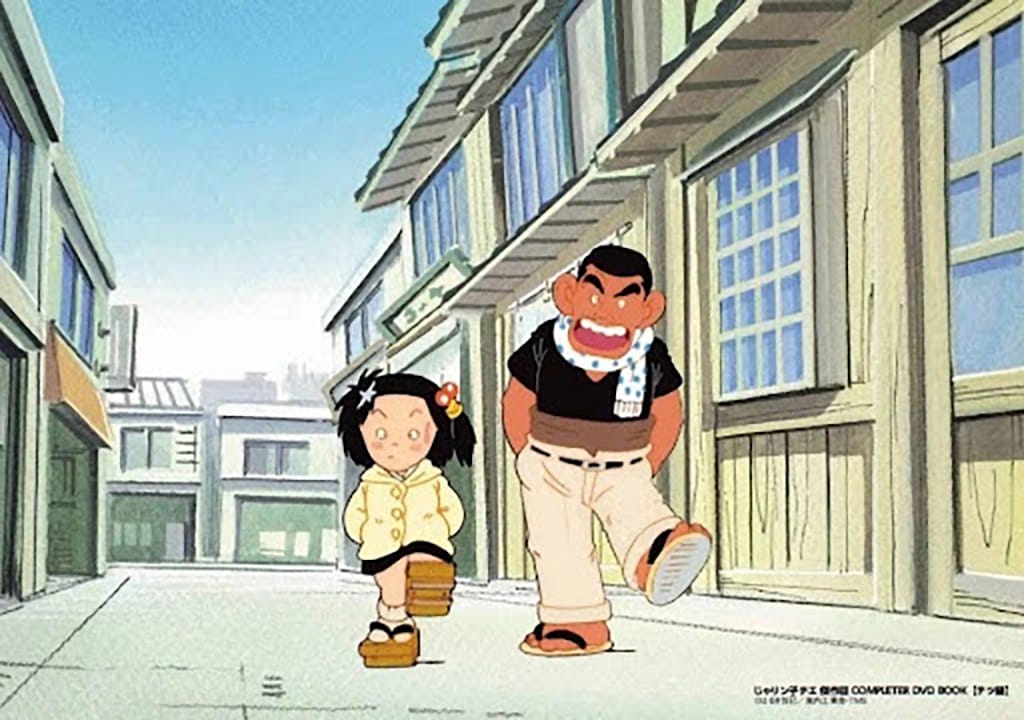
This would be the first scene that awaited you if you visited “Horumon Chie,” the center location of Isao Takahata’s Chie The Brat, starring the aforementioned sharp tongued 11 year old who took over her father’s shop, the titular Chie Takemoto. Always a handful, Chie’s Dad Tetsu never quite grew up, choosing to spend his time lazing about, beating up local Yakuza thugs for petty cash, and gambling away his earnings. He gets away with this aberrant lifestyle by simply being too tough to stop and, against all odds, winning over those around him with his simple nature, no one really questioning or taking issue with his daughter’s child labor. At the start of the series, caring mother and trusting wife Yoshie lives away from her husband and daughter, if only due to Tetsu’s oafish treatment. Kotetsu, a former brawling cat of the highest caliber just trying to live peacefully, rounds out the Takemoto family.
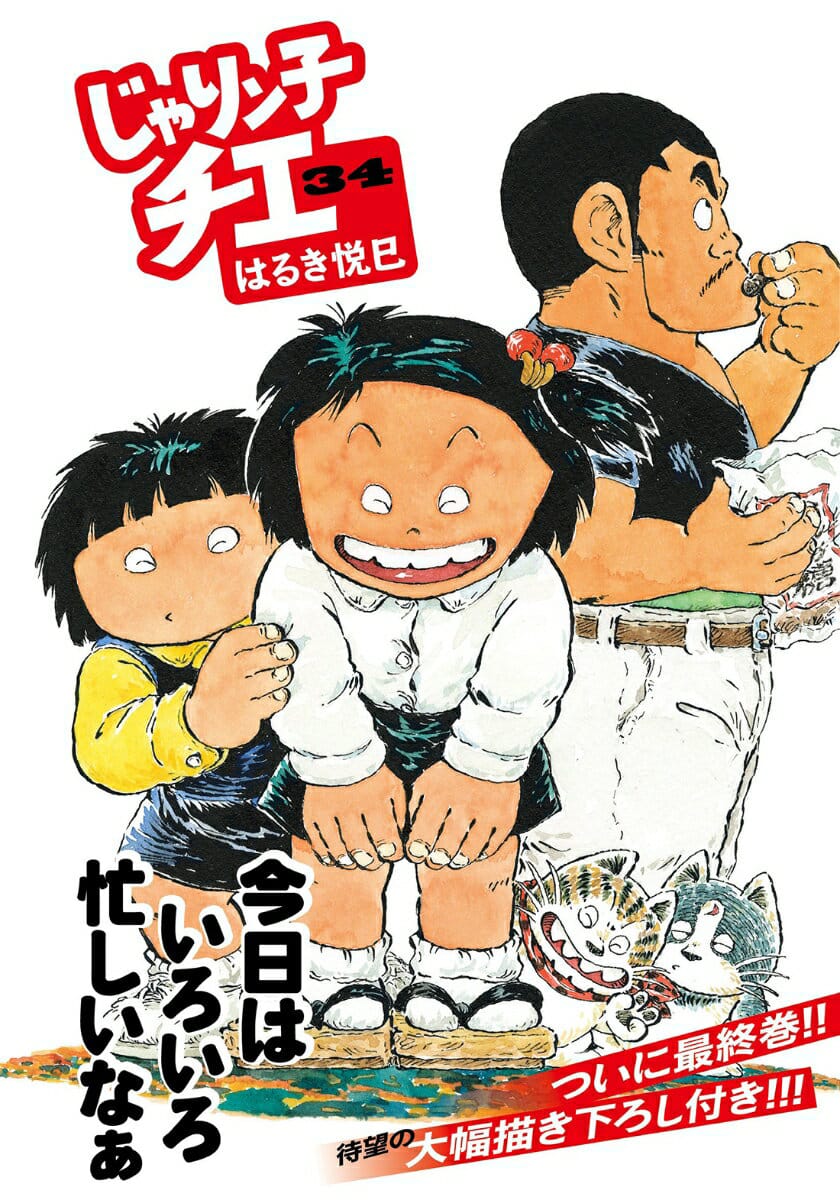
Manga author Etsumi Haruki, a native Osakan, originally brought Chie The Brat to life in 1978 within the pages of Futabasha’s Manga Action, the same seinen manga anthology magazine that brought the world Lupin The Third a decade earlier. Running for nearly 20 years, Haruki’s family comedy lived side by side with one of Japan’s most famous families, the Noharas of Crayon Shin-chan fame. Like the American baby boomer and gen x fascination with sitcom families, a live action television trend that reached its pinnacle leaping to the medium of animation with The Simpsons, Japan too has long loved familial hijinks and a zany community ensemble. While Crayon Shin-chan in its animated form gets produced as a cheeky but ultimately PG rated children’s fare, Chie The Brat, like The Simpsons in their Prime, sits in that sweet spot where anyone at any age can come away with something.
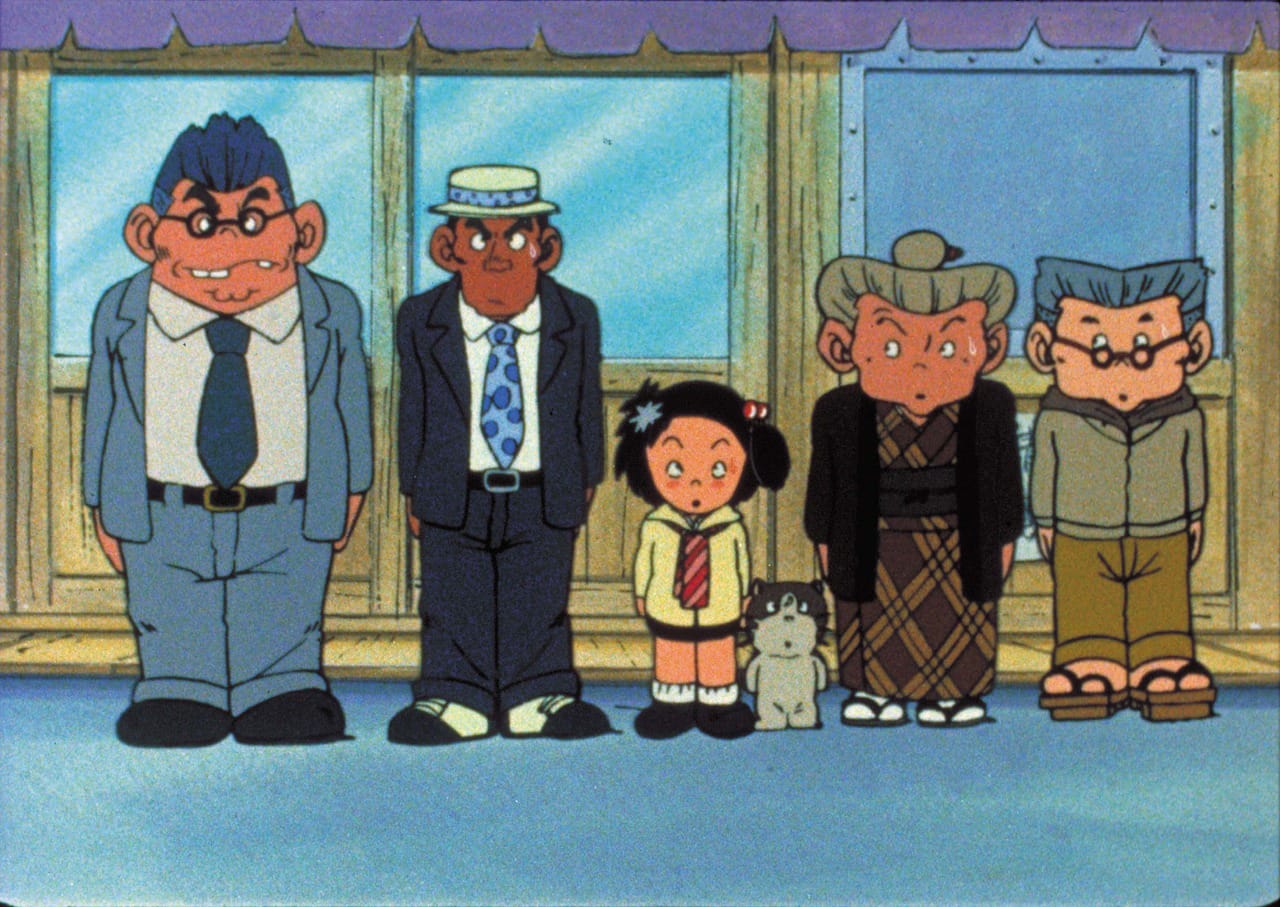
Daily hijinks with the Takemotos and the colorful company they surround themselves with give the Chie The Brat viewer temporary accommodation in Showa era Osaka; A simple way of life in a liminal time between the capital P post war Japan and the economic boom of the 80s where community remained paramount just as a matter of course. Your Dad might help out at the Okonomiyaki shop part time shooing away Yakuza customers and, in turn, you might get a discount meal after a hard day at school fending off the jeers of the class narcissist. His grade school teacher, though now a critically respected and commercially successful writer, never left the small Kansai town and ended up playing matchmaker to your Dad and all of his homies. Everyone frequents your yakitori shop, a trade you learned from your own grandmother, for years to come.
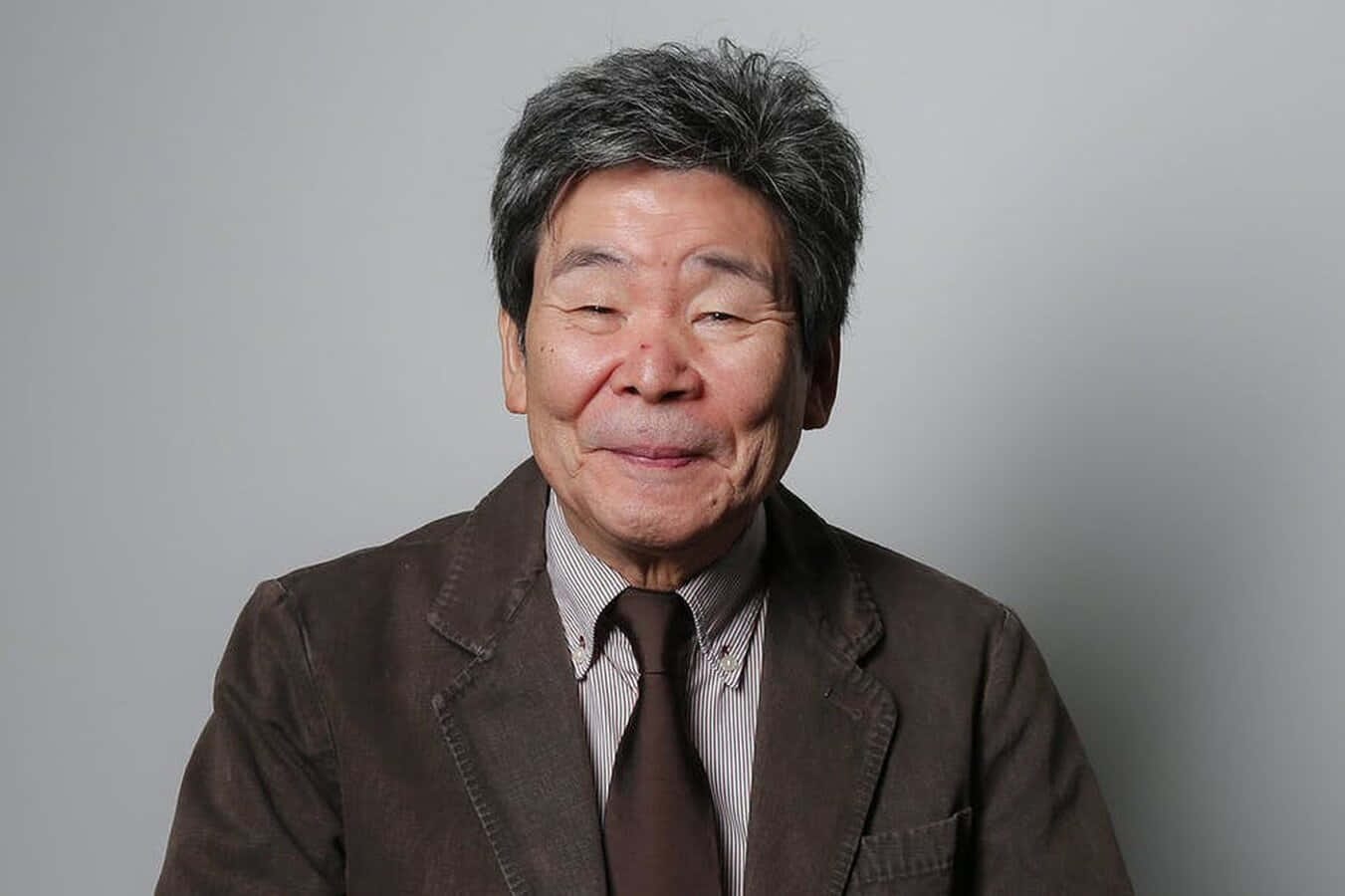
With all respect due to manga author Etsumi Haruki in the first place, no more appropriate a creator to adapt Chie The Brat existed than Isao Takahata who very regularly explored the Japanese family and local community in much of his critically lauded and culturally significant Studio Ghibli work. Grave Of The Fireflies sings the importance of family and communal kindness through countrywide trauma, Pom Poko tackles the issue of losing culture & community in the face of modernization, and My Neighbors The Yamadas finds charm and joy in small family happiness. On its surface Chie The Brat finds itself closest to My Neighbor The Yamadas, remaining an easy watch through its 64 episodes, not directly tackling tragedy and countrywide restoration but here Isao Takahata maintains a level of working class grit while purposefully avoiding any heavy handed moralizing or pandering which serves to keep the show grounded.
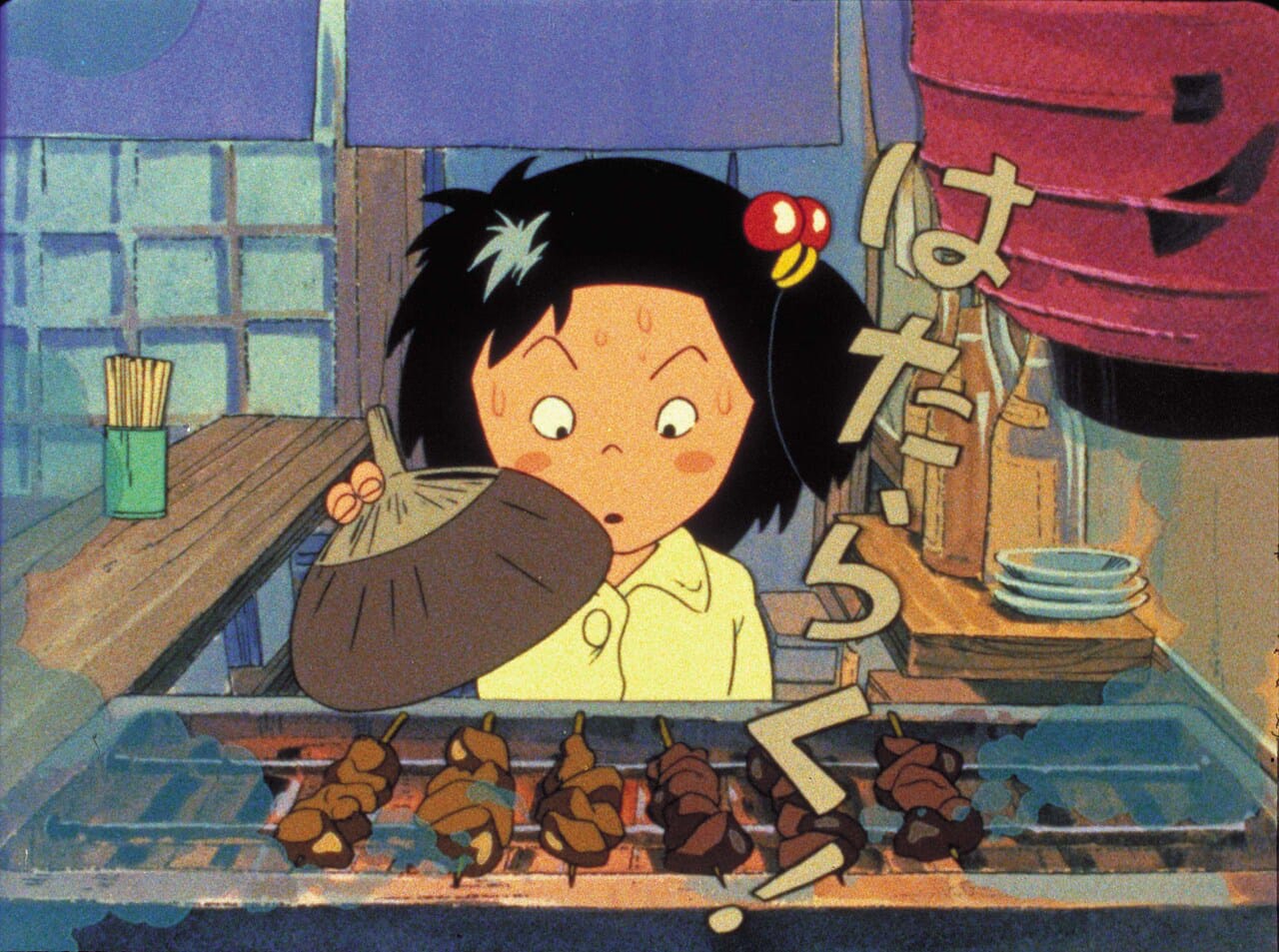
Chie works because her Dad won’t bring home the bacon, but despite calling herself the “unluckiest girl in the world,” Chie’s not actually too plussed about her labor situation as she’s long since accepted her lot in life. Instead, she squeezes whatever enjoyment she can out of her day by day, whether that’s palling around with her friend Hirame or watching her cat Kotetsu fend off local neighborhood gangster cats. Really most days with the Takemotos end up with somebody getting clobbered, but no one’s ever hurt too badly as Takahata masterfully threads a very fine line between depicting a lower income reality and Osaka community charm. You couldn’t call Chie The Brat wholesome, its cast is a little too conniving and self motivated out of sheer necessity, but it's a delightful sitcom that proclaims your people are your people warts and all.