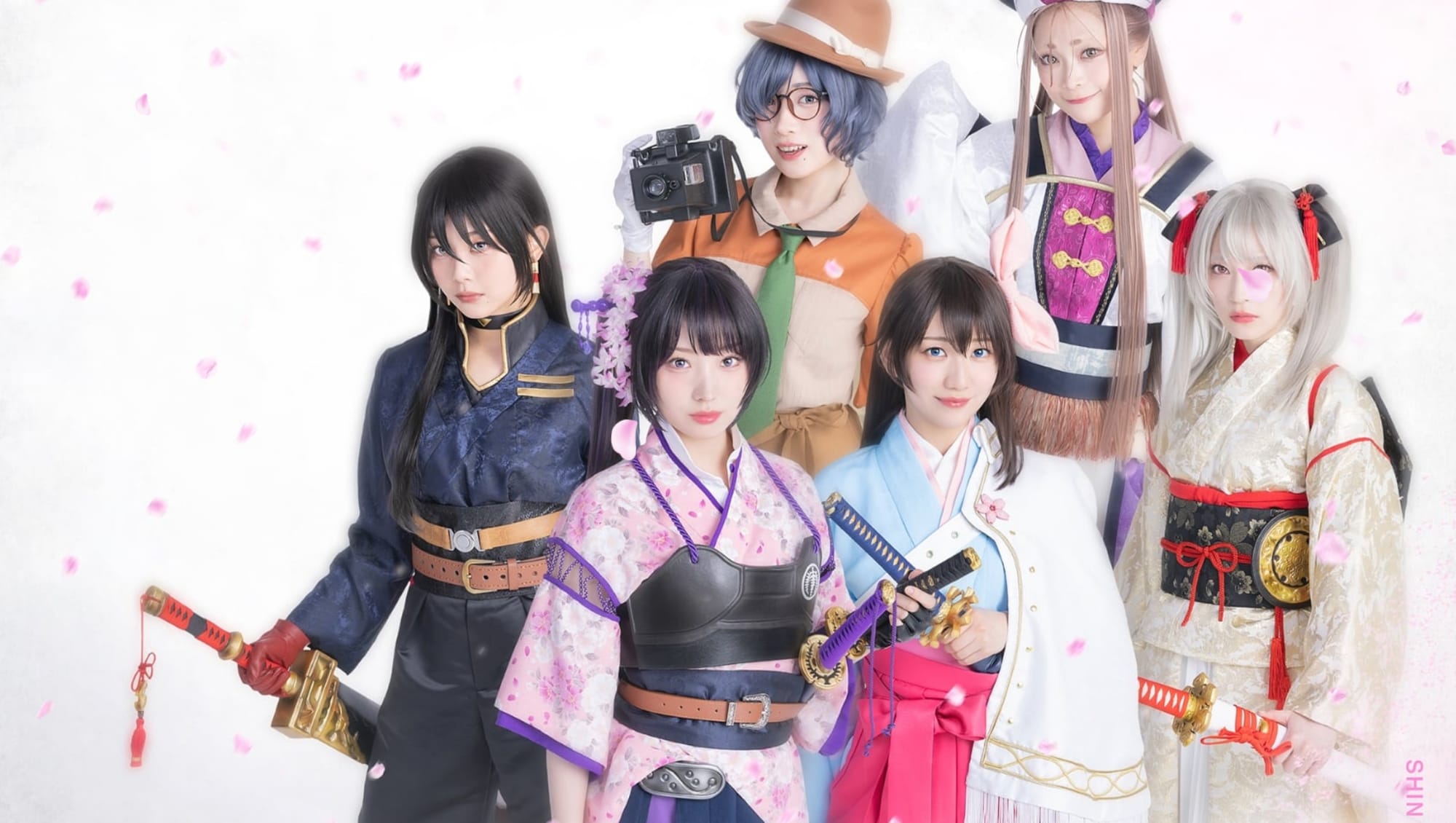
The Sakura Wars franchise is one of the many fascinating oddballs to come from SEGA’s last hurrah as a console manufacturer in the late 1990s. An all-new IP amongst a number of creatively-unique projects designed to revive an ailing hardware business that endure despite their failure to prevent the company's enforced exit from the hardware business following the failure of the Sega Saturn and Dreamcast.
Still, even compared to iconic titles like Jet Set Radio, Crazy Taxi, Seaman, Shenmue and others, Sakura Wars stands apart from the rest in its conception and approach. It’s a tactics role playing game, but also a dating sim, an unlikely blend of Tactics Ogre and Tokimeki Memorial, coated in a steampunk Taisho-era alternate history setting that sees a modernizing Japan and European-inspired architectural evolution clash with ahistorical mech suits. Behind all that is an all-female theater troupe piloting them, inspired by the Shochiku Revue that creator Oji Hiroi’s grandmother was a part of as well as the famed Takarazuka Revue. Not coincidentally, the Revue debuted in the era much of the franchise is set.
Every aspect of these games is seeped in both a grand steampunk fantasy suited to the action throes of fans of the time, and a deep appreciation of theater and its rich history. In the game, the player serves as a ticket collector and figure involved with the Imperial Theater Revue, a group of mech-piloting fighters who, outside of fighting, disguise themselves as performers for the troupe. The casting for the actors considered the potential of a theatrical adaptation later, with many of the actors bringing their characters to life in early stage productions. Music produced for game and stage took cues from classic jazz and musical theater history, with real theatrical shows being used as inspiration for the in-game performances.
The result was unlike any other SEGA IP of the time, a truly unique franchise without easy comparison to any from other manufacturers developed at the same time. While its star might not shine as strongly with audiences today, upon original release, this was by far the most successful of the many new ventures made by SEGA during this era. Although the franchise would remain Japan-only until many years later when the fifth entry in the series for PlayStation 2 and Wii would receive a global release via NIS America, the first Sakura Wars game would go on to become the 13th best-selling game for the SEGA Saturn in Japan, with its Dreamcast port and many sequels also becoming bestsellers.
The series would get spin offs, fan discs, a huge array of merchandising and cross-promotional multimedia opportunities, including a permanent cafe that ran for 10 years. And, naturally, it would make its way to the stage. In a full-circle moment, the game inspired by a century-old all-female theater troupe would debut its first musical stage show in 1997 and perform shows consistently for over a decade before returning with irregular shows even as the production of new games halted. The theatrical aspect of this franchise remained one of its most enduring elements, its enduring popularity and regular revivals becoming a factor in SEGA’s risky decision to revive the franchise in 2019 and remaining its most enduring elements.
It’s also the medium where some of the series’ initial ideas could be fully realized and enhance the core gaming experience by virtue of expanding its world and bringing its essence to the heart of those who loved it. Not only that, it laid the groundwork for the modern 2.5D theater movement enjoying huge popularity and even expanding globally today.
If recent years of Japanese musical theater can be defined by the rise of 2.5D musical theater, it is Sakura Wars, not its most iconic and oft-lauded forebearer Prince of Tennis, that first pioneered the phenomenon of such adaptations to the stage upon its theatrical debut in 1997. At the time, there was no precedent for attempts to bring anime or games to the stage, beyond limited attempts with hits like the Takarazuka Revue’s own adaptation of Rose of Versailles. Even then, the few that made it to the stage were typically downplayed dramas more suited to the medium, unlike the typical 2.5D theater production today often defined by attempts to bring the spectacular to the stage, from post-apocalyptic worlds to high fantasy, just as the fans imagined it.
There was no blueprint for how you should bring Sakura Wars to the stage in 1997, which makes the show revolutionary in how it sought to establish the conventions that would bring the typical non-theater attendee to the theaters, as well as how these fans should interact with the show. Typically, theater audiences are expected to watch in silence, beyond set moments of applause. There are exceptions, like with kabuki theater which features moments where audiences are expected to shout the name of an actor as a mark of respect, breaking the illusion to pay tribute to the medium. In other shows, characters will wander the theater itself, making for another moment where crowd interaction is permitted. But this is only understood by those who are regular attendees.
Sakura Wars wasn't a show produced by seasoned theater actors, intended for an audience unused to the environment. The result is that this first show is, frankly, disjointed and messy, but a fascinating blueprint for what was to come. It plays out more like a disjointed clip show, featuring the voice actors in cosplay reprising their roles as they jump between concert-style performances, short skits involving the characters, and revue-style moments where audiences could clap along to a song being performed. Any narrative that exists is clunky, and you get a sense everyone is still figuring out what a Sakura Wars stage production can be beyond seeing fan-favorite characters on stage.
Still, there was potential. The voice actor’s adherence to their in-game roles created the illusion, and this new audience felt welcomed to the usually-intimidating theater as a result. The show would return for yearly production every summer, with additional shows later being introduced every Winter. As time went on things were more polished, often playing to a core theme each instalment that centered narrative while admittedly minimizing the difficult-to-produce mech battles. By the mid 2000s, many shows were essentually classical plays using Sakura Wars as a trojan horse to justify their performance: the Summer 2001 show featured within it an adaptation of the 1913 classical play Kaizin Bessou by Izumi Kyoka, as it more broadly explored the tribulations the troupe faced attempting to bring this show to life.
What was notable by this point was that, even as SEGA confirmed their withdrawl from the console business, the shows became more sophisticated and popular, boasting famous fans like movie director Yoji Yamada, and renowned collaborators. For this aforementioned 2001 production renowned kabuki actor Ichikawa Danjiro came in to coach them on kabuki dance to ensure the performers could do justice to the material.
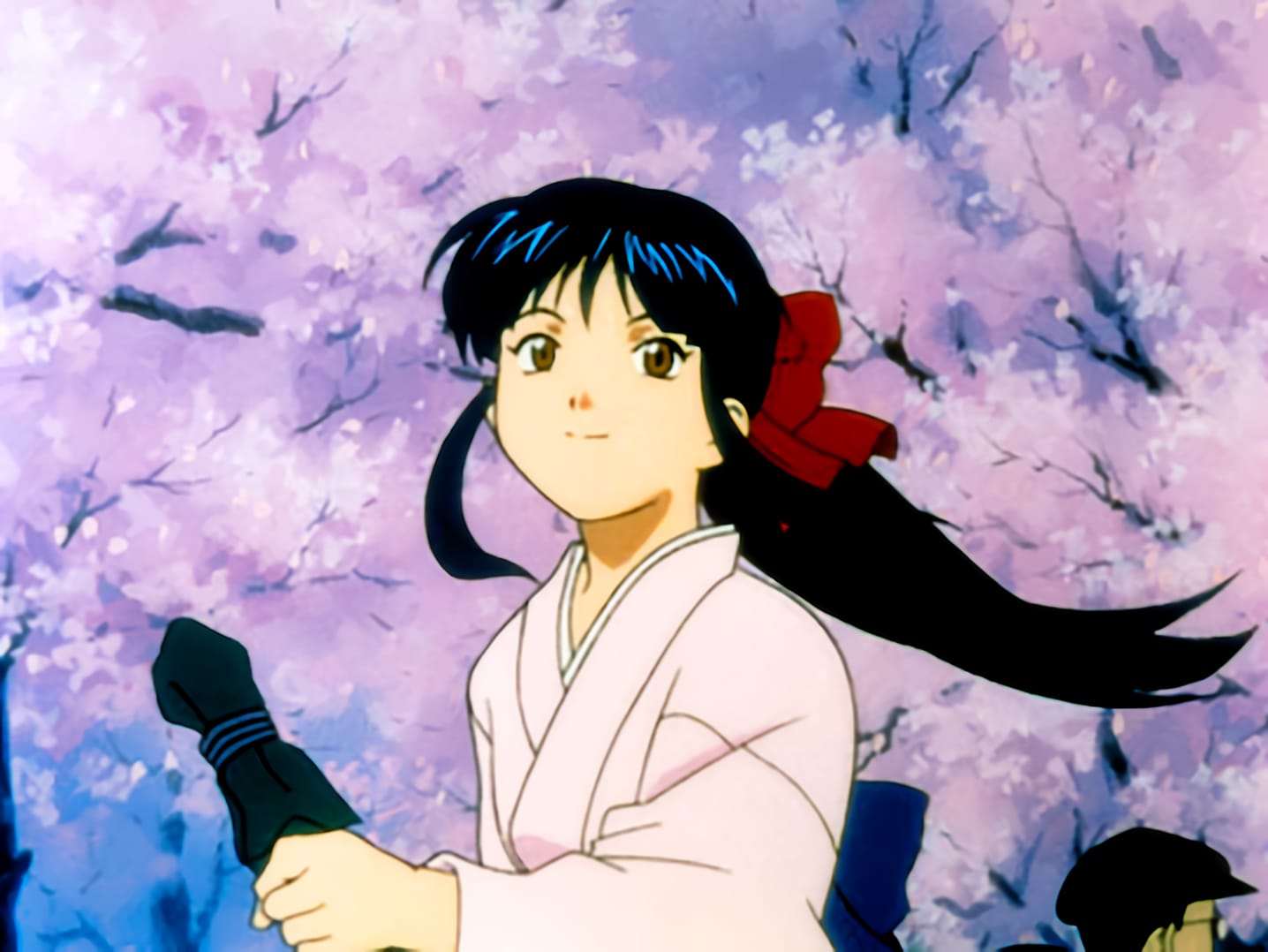
This formula stood strong and defined the twice-yearly shows throughout the peak of their popularity between 1997 and 2004. Each show would begin with a concert performance, before a narrative would blend the unique world of the games with real theater history, with all-new music by the game’s composers. It complimented and often tied these narratives into any new sequels produced by SEGA, alongside a slew of anime OVAs, series and movies also being produced.
By the time the mid-2000s rolled around, you had the unusual scenario where every aspect of the franchise beyond the video game was enjoying impressive success. The cafe remained popular, the stage shows sold out and even enjoyed later home video success, the anime continued to churn out new stories, but none of it could convince audiences to play the games that inspired it all. After an attempt at something different to revive fortunes with 2005’s Sakura Wars: So Long, My Love, the video games would even go on hiatus. On stage, however, the series evolved once again.
As more anime and video games were beginning to make the jump to theater, further buoyed by the grandiose nature of Prince of Tennis, the Sakura Wars series shifted its approach. Sakura Wars: So Long, My Love was the first game in the mainline series not to focus on the Tokyo Hanagumi revue, instead focusing on a similar revue based in New York that followed the same structure. Concurrent to and following the conclusion of the 2005 performance, the Sakura Taisen New York Revue Show was a series of shows that maintained the formula but took on a new tone as it focused this new troupe. They also performed two large-scale Budokan concerts with multiple troupes in both 2007 and 2011.
For all these were the biggest events to date on the iconic Budokan stage, it was also the end of an era, or at least it was supposed to be. Following the first of these concert shows, Sakura Taisen Teikoku Kagekidan Hanagumi Kayou Show Final Kouen Shin Ai Yueni and Sakura Taisen New York Revue Show 3: Last Show marked the end of the Sakura Wars stage shows as they were first conceived, seemingly for good. The cafe closed, the games were on hold. It was the end.
Except, demand kept it going, rescinding this decision and returning to the stage as soon as 2009.
Shows sporadically took place throughout the 2010s, taking on original play concepts and finding excuses to bring back the troupes whose storylines had once been concluded. When most SEGA franchises had endured long periods out of the spotlight, these plays ensured Sakura Wars, despite mixed fortunes in games, was one of the few to remain relevant and avoid disappearing from public consciousness. Perhaps that's what inspired them to take this movement one step further, with a reboot for the video games in Shin Sakura Taisan (released internationally simply as Sakura Wars) accompanying even more musicals.
With the incredible success enjoyed by 2.5D theater as it grew to become an ever-more important aspect of the modern theatrical landscape, shifting expectations made this reboot a chance to shift their approach on stage once again. If early shows brought the characters to life, now the expectation was to bring not just the world, but the story and the characters to life in their entirety. If that story involves mech fights, that's what audiences expect. Combat was never entirely absent from earlier shows, but this became a far greater part of this new era of shows that felt more in line with direct adaptation as opposed to stories inspired by a familiar world.
It's a shame, then, that these performances were hampered by poor timing. For what should have been a grand return, a planned early 2020 premiere in the peak of COVID-19's first wave in Japan forced a full postponement before returning later that year in theaters stuck performing at half capacity. It persisted, but struggled to build momentum despite being mostly entertaining experiences. It can't have helped that the video games earned a mixed critical and commercial reception for abandoning their strategy-focused roots for a modernized action gameplay template, making it impossible to convert fans from game to the stage as it once did all those years ago.
Times are changing, however. This year marks the 30th anniversary of Sakura Wars, while next year will celebrate 30 years since the show first hit the stage. For all its rises and falls, the trajectory of the series on the stage is a mirror to the shifts in the 2.5D theatrical landscape and a showcase of how such an adaptation can entrench fan loyalty in a series and allow a story to endure through the communal aspects of theater. Without these shows continuing to perform well in theaters, one would have to wonder if SEGA would have ever considered bringing the games back at all, as the strength of these adaptations maintained relevancy for a series that could have otherwise fallen into obscurity.
Success for a theatrical franchise like this benefits everyone. Non-theater fans learned of the traditions of the Takarazuka Revue or of classic Taisho-era plays, encouraging them to see those shows. Just like has been seen with series like Touken Ranbu, a successful theatrical offshoot can even stand alone and attract fans who would never play the games. It’s a viable path for a series to perform beyond initial expectations.
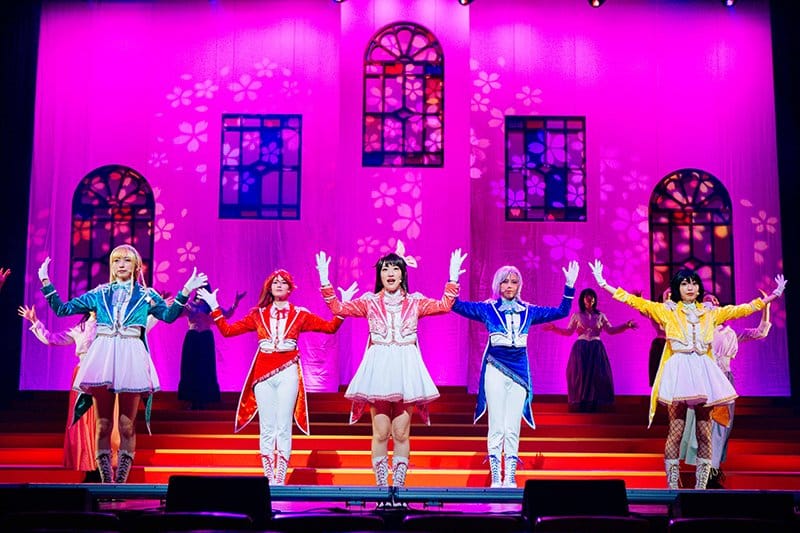
Perhaps that’s why we appear to be seeing SEGA return to the series with the rumblings of new possibilities for its future. A recent Shibuya-based SEGA pop-up store in Miyashita Park brought new merchandise for the series, while the stage show will return after a multi-year absence since 2022 at the end of 2026. When Crazy Taxi or Jet Set Radio endured years without any support in any medium, Sakura Wars used theater to expand its core audience and maintain a fanbase that ensured the series almost-always maintained a semblance of relevance.
If a series never dies, it can always grow. If stage plays remain a success for Sakura Wars, perhaps SEGA could be encouraged to take one more chance with the games. Who knows, a popular game with an established 2.5D theatrical show could even earn the franchise a cascading multimedia international expansion. If select 2.5D shows can enjoy international performances, why not Sakura Wars, if a new game can boost its global popularity to where it becomes viable?
In any case, the theatrical expansion of this franchise shows what is possible when embracing a new medium as a chance for growth and expression. From a cosplay event in 1997 to a theatrical franchise today, how about that for the power of music?