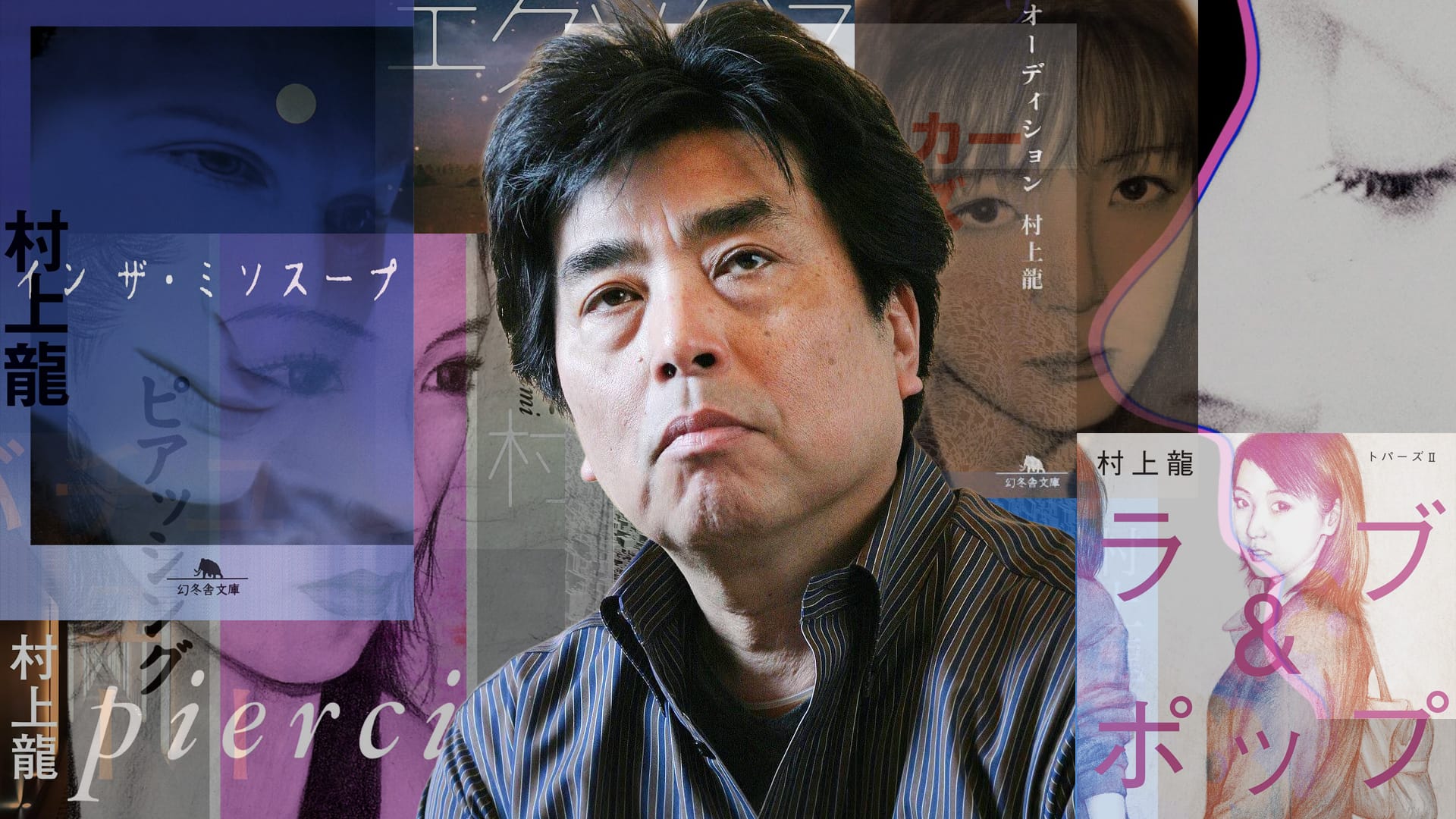
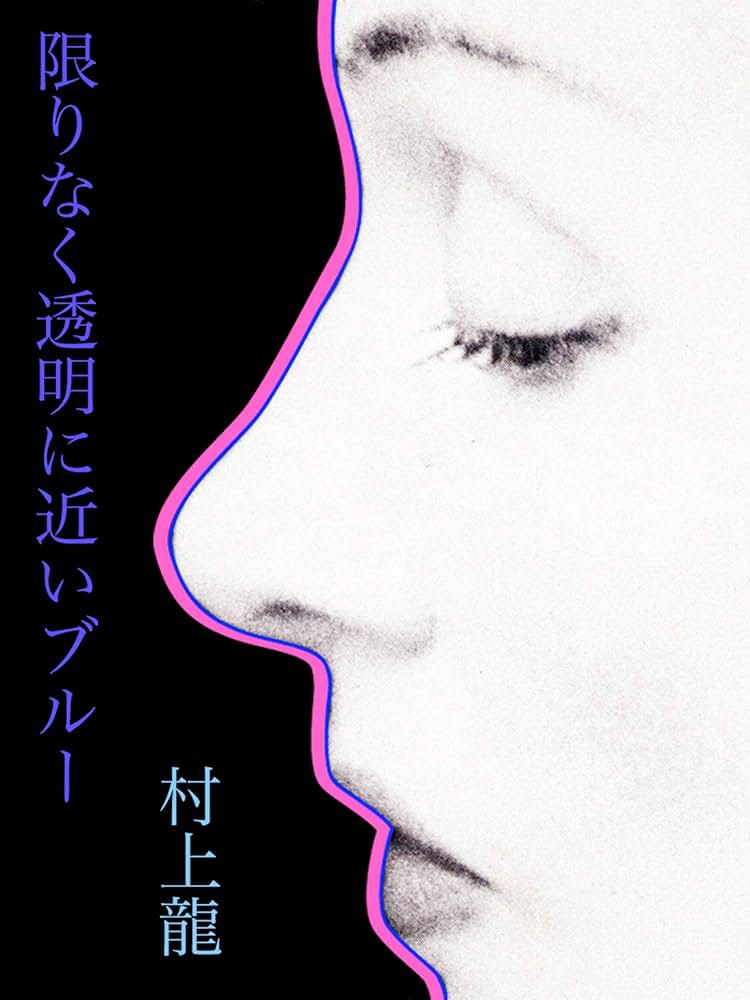
Japan’s crop of myriad literary stalwarts lost one of its most remarkably towering figures with the passing of the indomitable Ryu Murakami on October 17 2026 at 74 years of age; This year doubly marking a now bittersweet 50th anniversary of his debut novel Almost Transparent Blue, which set the Japanese literary world on fire upon its release, taking home the coveted Akutagawa Prize. It would be the first of Murakami’s dozens of publications which over the years moved beyond novels alone and into essay collections, memoir writing, and certain collaborative efforts with the likes of Ryuichi Sakamoto and Haruki Murakami amongst other cultural titans of the rising sun. Always transgressive, often sardonic, dancing between the macabre, the political, and the societal, Murakami’s writings entranced more than one single generation of creatives and that influence extends beyond aspiring novelists alone.
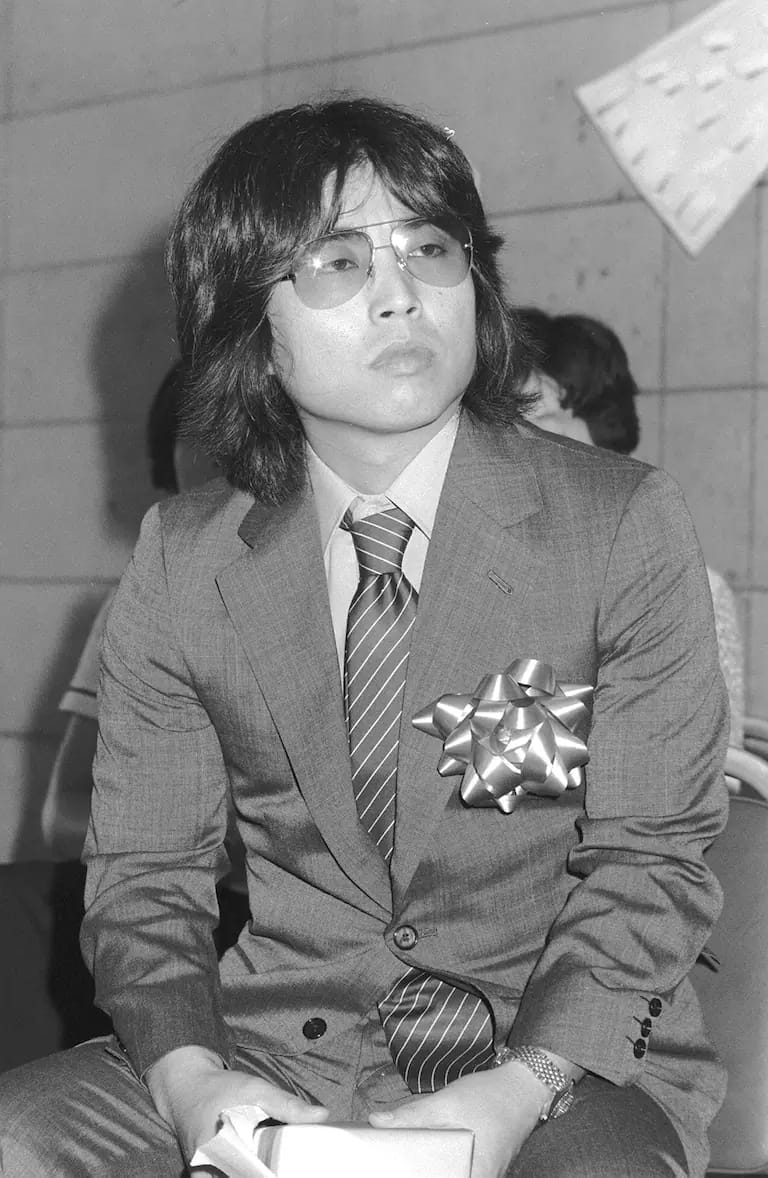
Born in 1952, Ryu Murakami came of age during a fully transformative period in Japanese society, namely the post war westernization and all the bumps that came with trying to reconcile traditional Japanese culture with the rest of the modern world. He developed an interest in rock music, cinema, and other forms of counter culture from an early age, eventually leading him to Musashino Art University. While he formally remained part of their sculpture program, his broad interest in the arts led him to writing, with Murakami penning the original draft for the award winning Almost Transparent Blue while still in school. The aforementioned interest in counterculture and alternatives to normal Japanese societal living shines through right from the very beginning of his novelist journey, Almost Transparent Blue weaving naked tails sex and drug juxtaposed in a city occupied by American soldiers, just despite or maybe because of their taboo nature resonated deeply with the culture.
The forward thinking author would from time to time return to his counter-cultural late sixties roots in his writing, with his book 69 existing as a send up of his own high school experience barricading his school grounds, and ending up placed under house arrest for months after. That period of time allowed him to see outside the confines of Japanese society and take influence from protest & hippie movements in the west, making him simultaneously quite critical and interested in the world at large; that effect remains a sometimes direct and sometimes allegorical central throughline in his body of work. What would start as a young writer’s disillusionment would grow into an ever evolving lens that would hold the mirror to different facets of Japanese and eventually global society, though sometimes with stories that veer more heavily towards the unconventional and unconscionable.
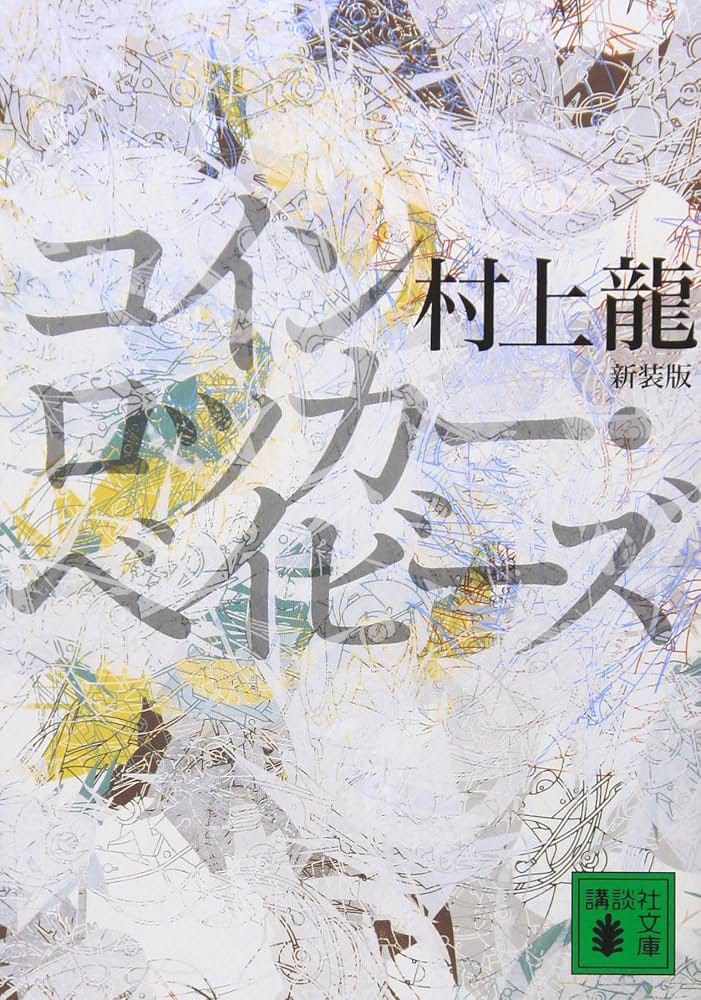
Murakami’s work of the more horrific and maniacal persuasion might be what a good percentage of his readers primarily identify with and seek from the multifaceted author. Not a ‘capital H’ horror novelist ala Stephen King, Ryu Murakami often explores darker sides of the psychiatric, chronicling fictional instances of extreme, passionate, and inspired violence in works like the celebrated Audition and In The Miso Soup amongst other novels and stories. His forays into the unspoken underbelly of humanity while often sensational continue his career long examination of true societal phenomena; One his signature works, the 1980 novel Coin Locker Babies as the name suggests centers around a pair of boys whose parents abandoned them soon after birth in coin operated storage lockers and the nihilistic battle with futility their lives seem stuck to contend with, such cases occurring a couple dozen times a year in 1970s & 80s Japan. Certainly these sorts of stories may ostracize a potential audience chunk, but enough readers ate these up over the years to make Murakami a Japanese literary star.
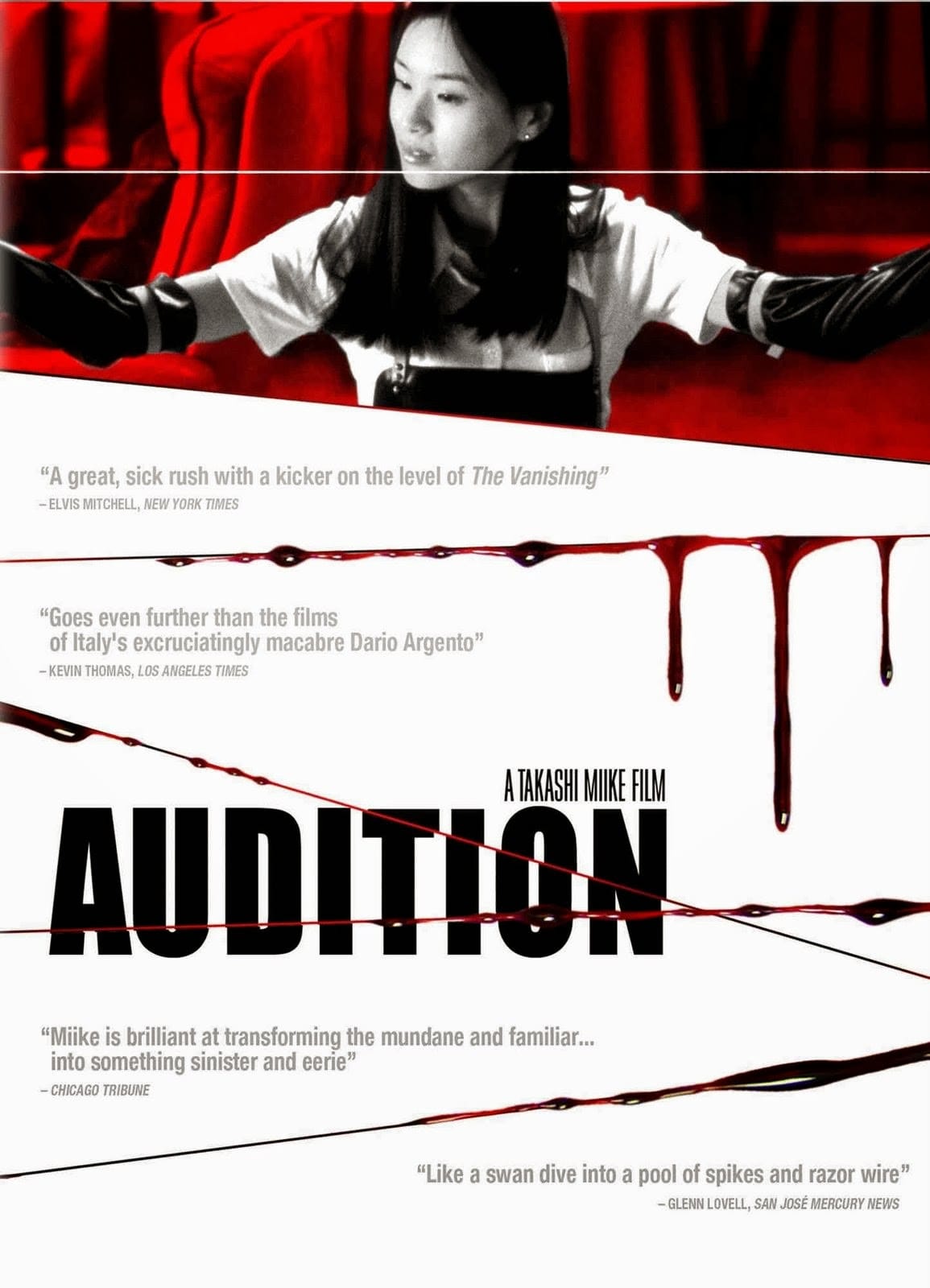
While Ryu Murakami might not make for a household name in the west, to those whose obsession with Japanese entertainment and ephemera extends past animation and into the world of cinema, several adaptations of his works routinely get cited as some of the best live action film-making to come from Japan; The horribly prolific Takashi Miike’s film version of “Audition” remains a beloved cult classic not only enjoyed by audiences but Murakami himself loved the work so much he gave Miike a blessing to adapt his revered Coin Locker Babies. Unfortunately while that production failed to manifest, one Hideaki Anno in a post Neon Genesis Evangelion haze thankfully did deliver the one of a kind film Love & Pop adapted from a Murakami book of the same name, a matter of fact and affecting work shot entirely on a turn of the millennium camcorder delving into dark undercurrents of the “papa katsu” teen self-prostitution phenomenon.
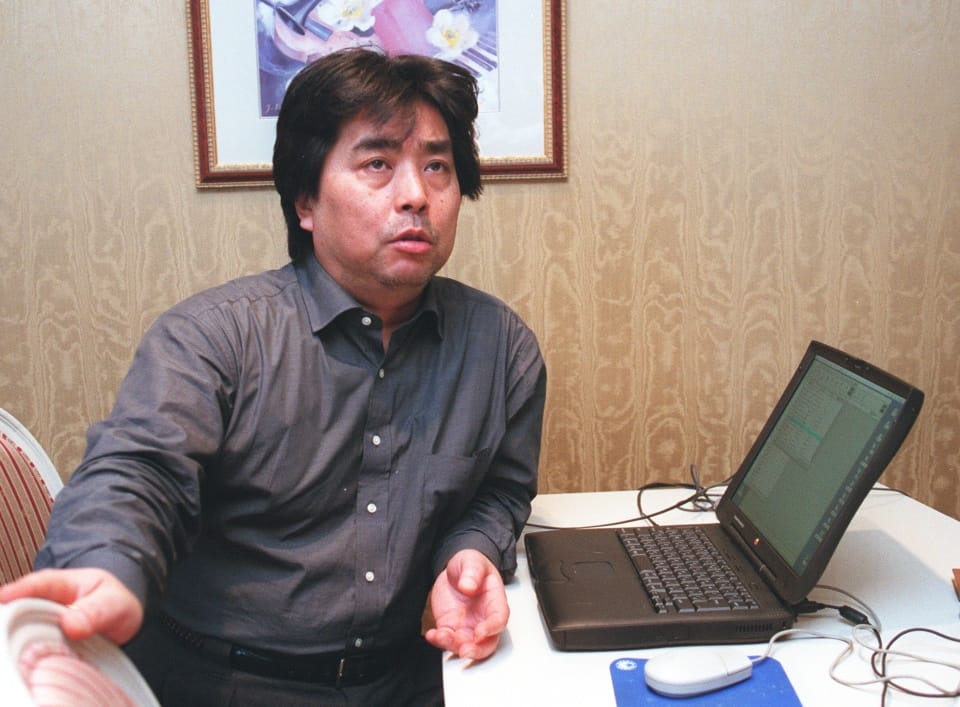
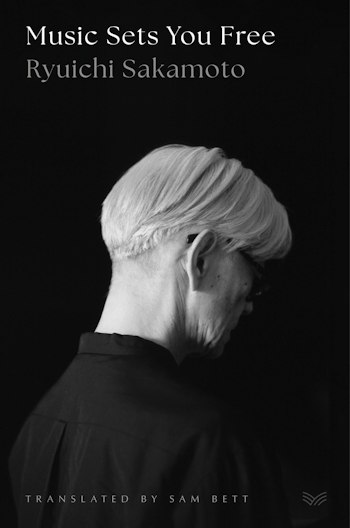
Ryu Murakami actually even directed a number of his own film adaptations early in his career, several of which featuring original Ryuichi Sakamoto scores, though virtually none ever came to be translated. Unfortunately the majority of Murakami’s works remain unreleased in the west, with a couple that have been long out of print including his revolutionary Always Transparent Blue. English speaking fans can get their hands on Audition, In The Miso Soup, Coin Locker Babies, and a handful of others, though now with the author himself having passed, perhaps an increased and renewed attention to his bibliography will domino effect into more of his works getting localized as there currently seems to be a 2020s western posthumous push for Japanese novels written by legacies like Osamu Dazai and Yukio Mishima; Both part of a canon Ryu Murakami too most certainly makes the cut for.