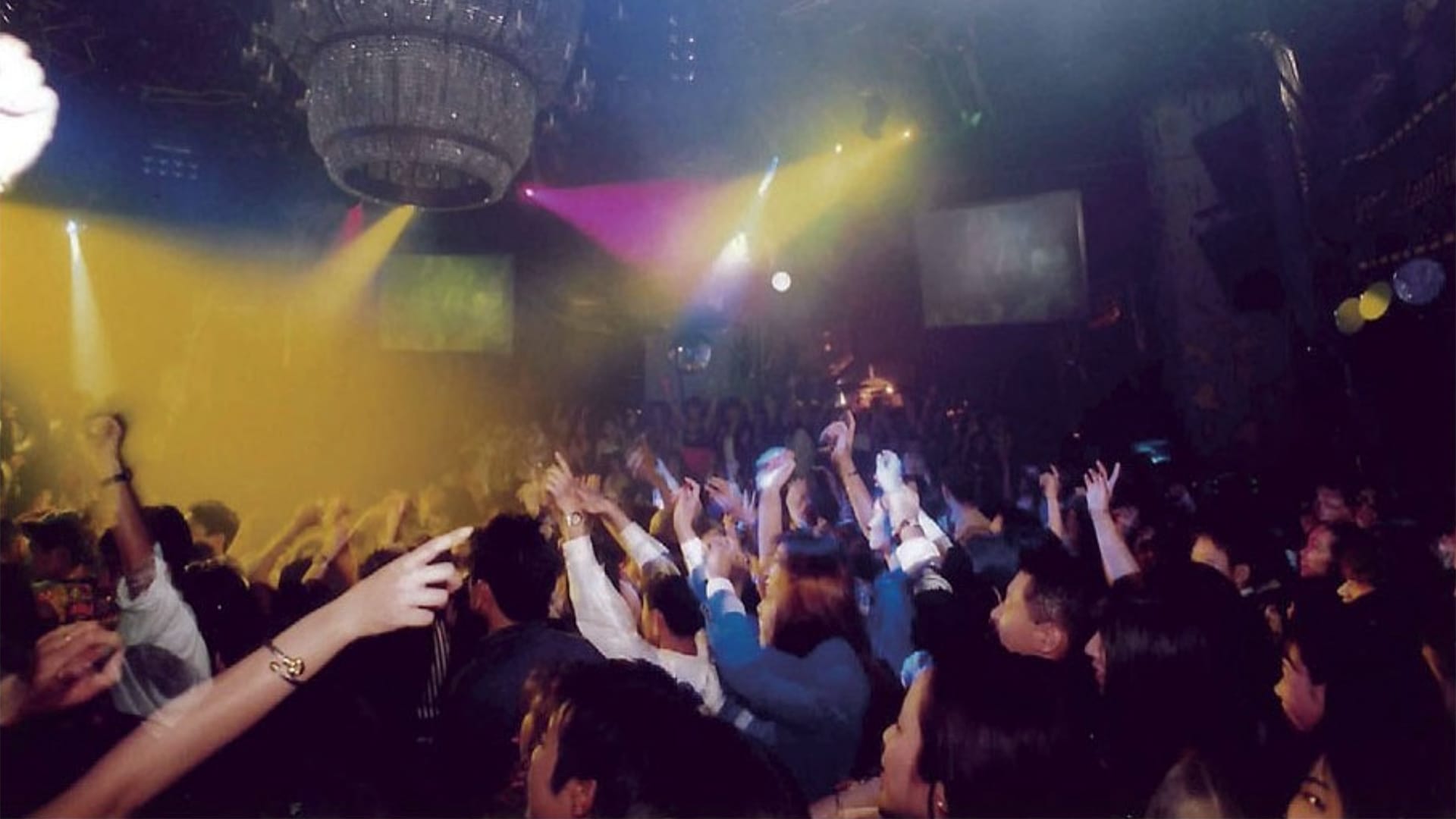
On May 15, 1991, in a converted clearance warehouse in the Shibaura district of Minato Ward, a nightclub opened that would come to define an era. Though short-lived, closing its doors in August 1994, Juliana’s Tokyo etched itself into the national memory, its laser lights, high-tempo techno, and bodycon dresses becoming a symbol of Japan’s late bubble era exuberance.
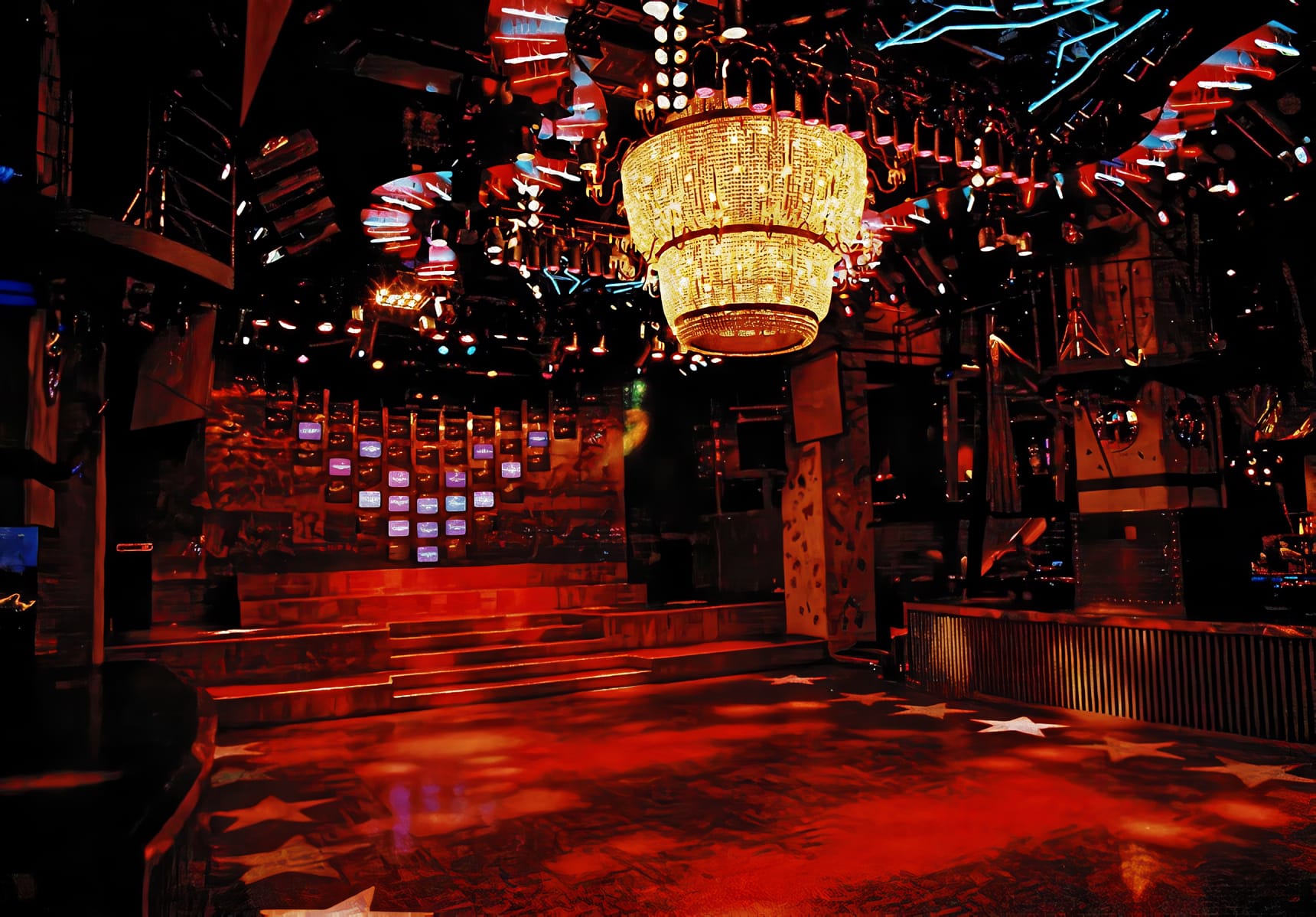
While media often pigeonholes Juliana’s as the peak of Japan’s speculative mania, its history offers a more nuanced timeline. The asset price bubble had already begun to deflate between 1990 and 1991. Juliana’s was less a direct product of the boom than a glittering final act of excess on the precipice of recession. Born from a joint venture between British leisure group Wembley PLC and Japanese trading firm Nissho Iwai, the venue was brought to life by businessman Masahiro Origuchi, who transformed the 1,700-capacity warehouse into a state-of-the-art entertainment complex.
What set Juliana’s apart was its deliberate push for democratic spectacle. Unlike the exclusive, high-end Roppongi discos of the 1980s such as Maharaja, Juliana’s built its brand on accessibility. Women wearing figure-hugging dresses and high heels were granted heavily discounted admission, posting up on the venue's elevated dance platforms while brandishing bright, feathery juri-sen fans.
Office workers and university students flocked to Shibaura to shed the rigid expectations of daily life. Musically, resident DJ John Robinson drove a hard-hitting mix of Italo house, Dutch hardcore, and hyper techno. Tracks like MAXIMIZOR’s “CAN'T UNDO THIS!!” became anthems that transcended the venue to sweep the nation. The club’s signature sound also inspired a series of hit compilation albums for then-independent label avex trax, putting them at the forefront of dance music in the country, and contributing to its rise as a powerhouse of the Japanese music industry.
The club's cultural reach extended beyond the music itself, driven by strategic locality and the media dynamic unique to early-1990s Tokyo. The Shibaura waterfront was emerging as an trendy district, and Juliana’s location away from central entertainment hubs allowed patrons to craft an insular, escapist reality. Lines routinely snaked toward Tamachi Station before opening hours, often causing strict entry rejections for many hopefuls every night due to capacity constraints. Television camera crews would also sometimes broadcast live from the dance floor, turning clubgoers like Kumiko Araki (known by her nickname “Araki-shisho”) into instant cultural figures.
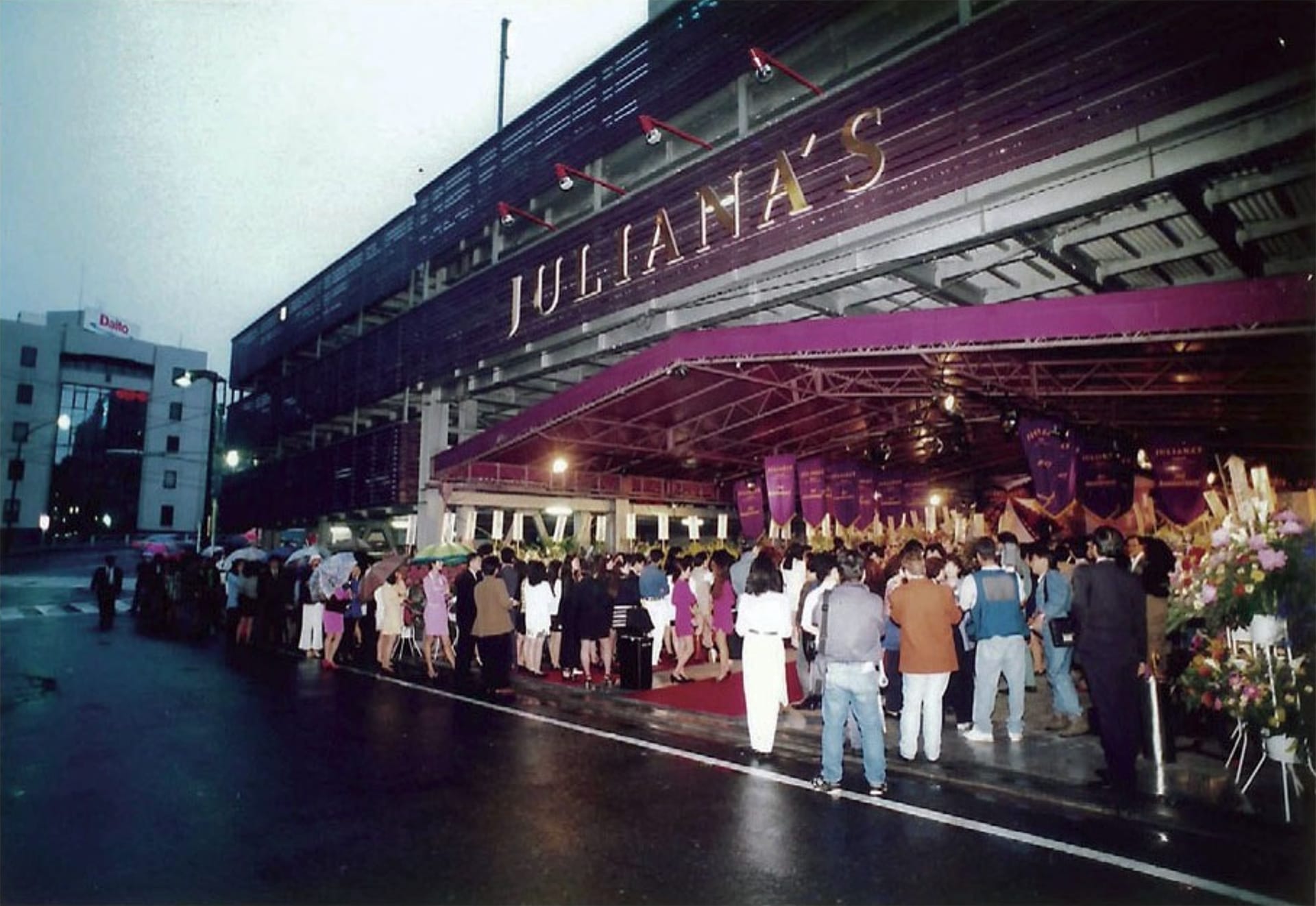
However, the club's overwhelming success contained the seeds of its downfall. As the avex trax compilation series sales exploded, so did the use of their included “free first time entry” vouchers. This influx of casual, one-time visitors diluted the venue’s exclusive atmosphere, driving away celebrities, models, and loyal regulars toward rival venues like Shibaura Gold or emerging underground clubs in West Tokyo. Concurrently, sensationalized television coverage attracted aggressive male crowds, damaging the welcoming environment that female patrons had initially built.
This increased visibility and rise to prominence for the club eventually triggered a public backlash. Media scrutiny shifted toward concerns over public decency, and under growing pressure from law enforcement and local authorities, Juliana’s removed its iconic raised platforms in November 1993. Having to remove one of its most popular elements may have been an early signal to the beginning of the end. The club wouldn't survive another year, with a final, packed farewell party on August 31, 1994, where over 10,000 fans lined up to bid farewell to an icon.
Decades later, Juliana’s Tokyo endures in the memories of many as a monument to early-1990s Japan. The imagery of feather fans and sleek dresses remains permanently embedded in the country’s pop-culture lexicon, capturing a fleeting moment of boundless energy before the Lost Decade took hold.