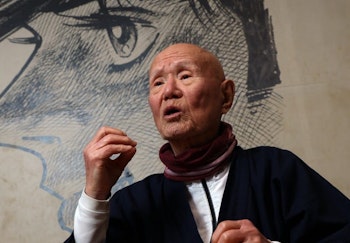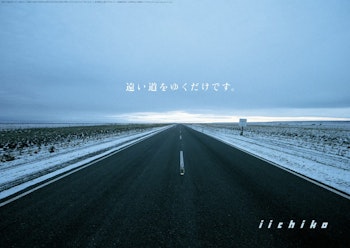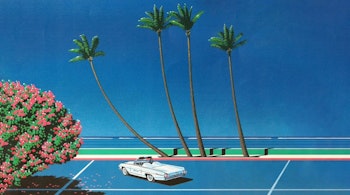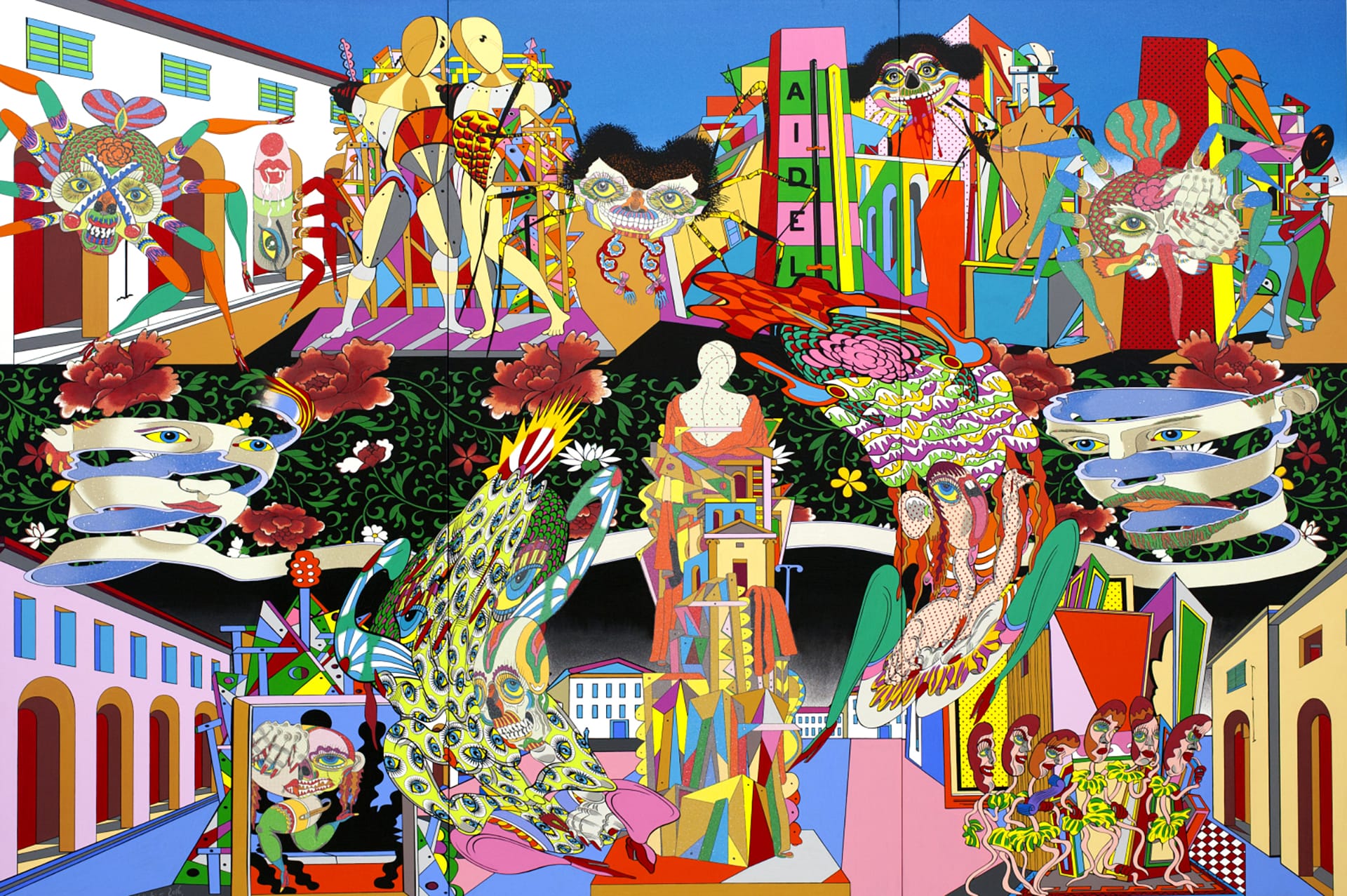
Keiichi Tanaami was a legend in the world of contemporary art, post-war illustration, and psychedelic animation. Throughout his 6 decade career, his work as a multi-disciplinary artist saw him engage in many fields including graphic design, art direction, experimental film, painting, and sculpture. Blending his traumatic memories of war from his childhood with his surreal dreams and pop culture, he has created some of the most iconic artwork in Japanese pop art history.
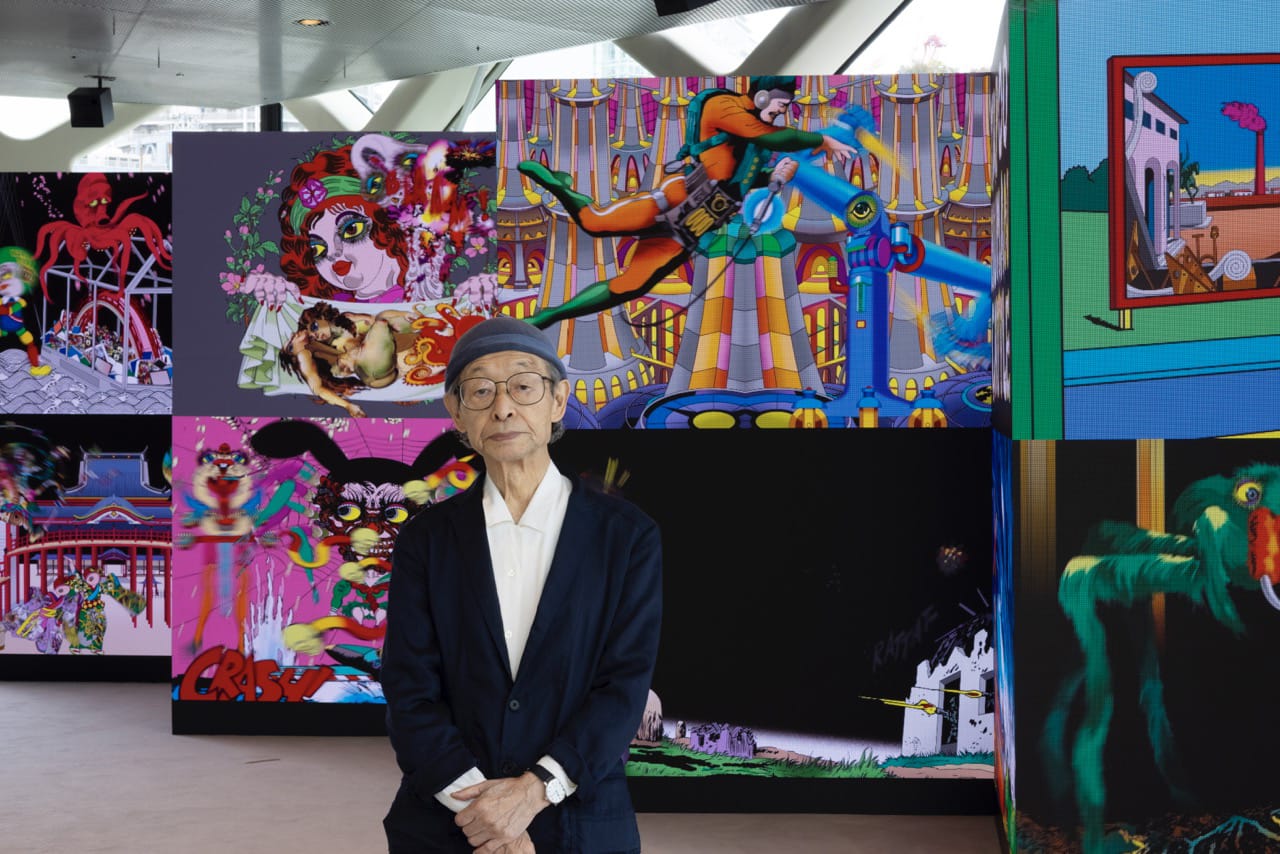
Born in Tokyo in 1936, Tanaami was deeply impacted by the trauma and chaos he witness first hand during World War II. At 9 years old he survived the air raids on Tokyo sheltering below ground. He was heavily impacted by this experience with images of the blinding search lights, air-raid sirens, explosions, and the reflections from his grandfather’s goldfish tank sticking with him throughout his life. These memories and formative moments had a profound impact on his work and can be seen in the themes in his artwork throughout his career.
Tanaami grew up obsessed with American culture and was into Hollywood films, and pop illustrations. He was also enthralled with Japanese paper theater shows (kamishibai) during the same period, which would later be reflected in his work. He showed great talent from a young age and was accepted into Musashino Art University to study design in the mid-1950's. Whilst studying he was already gaining attention for his work and won the prestigious Japan Advertising Artists Club special prize in 1958.
Upon graduating in 1960, Tanaami started working for an advertising agency called Hakuhodo. However Tanaami was overwhelmed by his creative impulses and found the position restrictive so he left after only 2 years to become a freelance Graphic Designer, Illustrator and Art Director.
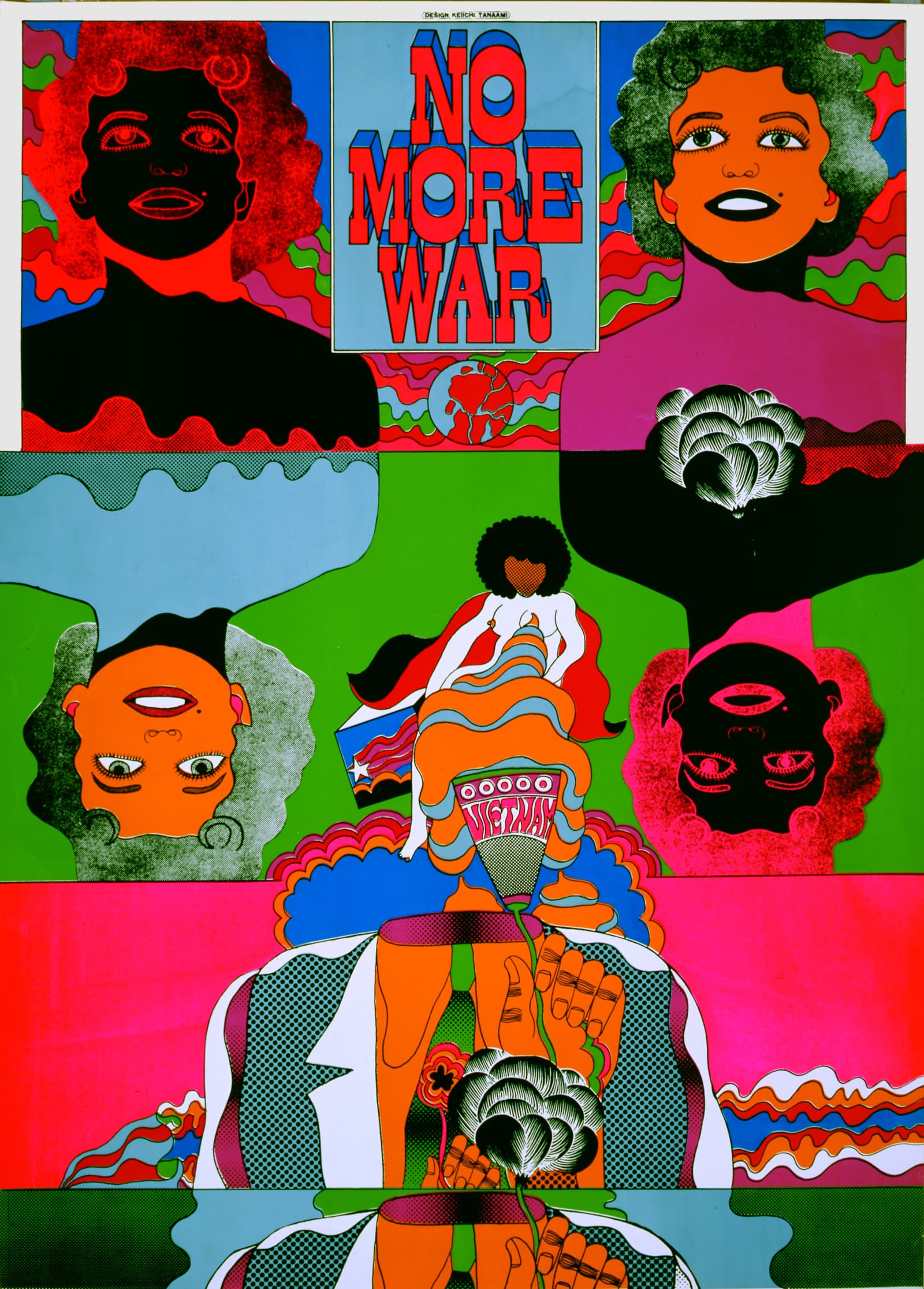
Throughout the 60s and 70s, Tanaami became an key figure of Tokyo’s underground art scene. He worked alongside pioneers such as Ushio Shinohara and the Neo-Dadaism Organizers creating album covers, theatre posters, and experimental magazines. In 1968, he moved to New York and experienced Andy Warhol’s Factory first hand. Seeing Warhol break down the barriers between commercial art, fine art, and film cemented Tanaami’s belief that art should have no strict boundaries.
In 1975 he reached a key moment in his career becoming the first art director for the Japanese version of PLAYBOY at its launch. He utilized bold layouts, bright colors, and psychedelic themes to create a style for the magazine that stood out amongst contemporaries at the time.
Alongside his work in graphic design, Tanaami was also contributing pioneering work in experimental animation and 16mm films in Japan. Pieces such as GOOD-BY MARILYN (1971) merged bright flashing colors, pop art collage, and erotic imagery, earning him international recognition at film festivals including Oberhausen, Rotterdam, and Edinburgh.
In 1981, aged 45, Tanaami fell ill with a serious infection causing him to be admitted into hospital for an extended period of time. During his recovery he had intense hallucinations with bright vivid images of strange creatures, spiraling towers, twisted pines, and floating sea-life. Once he had recovered he decided to turn his back on commercial design and instead focus on fine art. He started creating large scale pieces filled with his fever dreams and memories of war. His work from this point on would often feature recurring elements like strange monsters, skeletons, and comic heroines using bright acrylics.
Despite his acclaim in Japan, Tanaami was often overlooked by western art circles due to his work in the commercial sector. However, in the early 2000’s young artists and curators such as Naohiro Ukawa helped to reform this image and shift the narrative to position Tanaami as a pioneer in Japanese pop art.
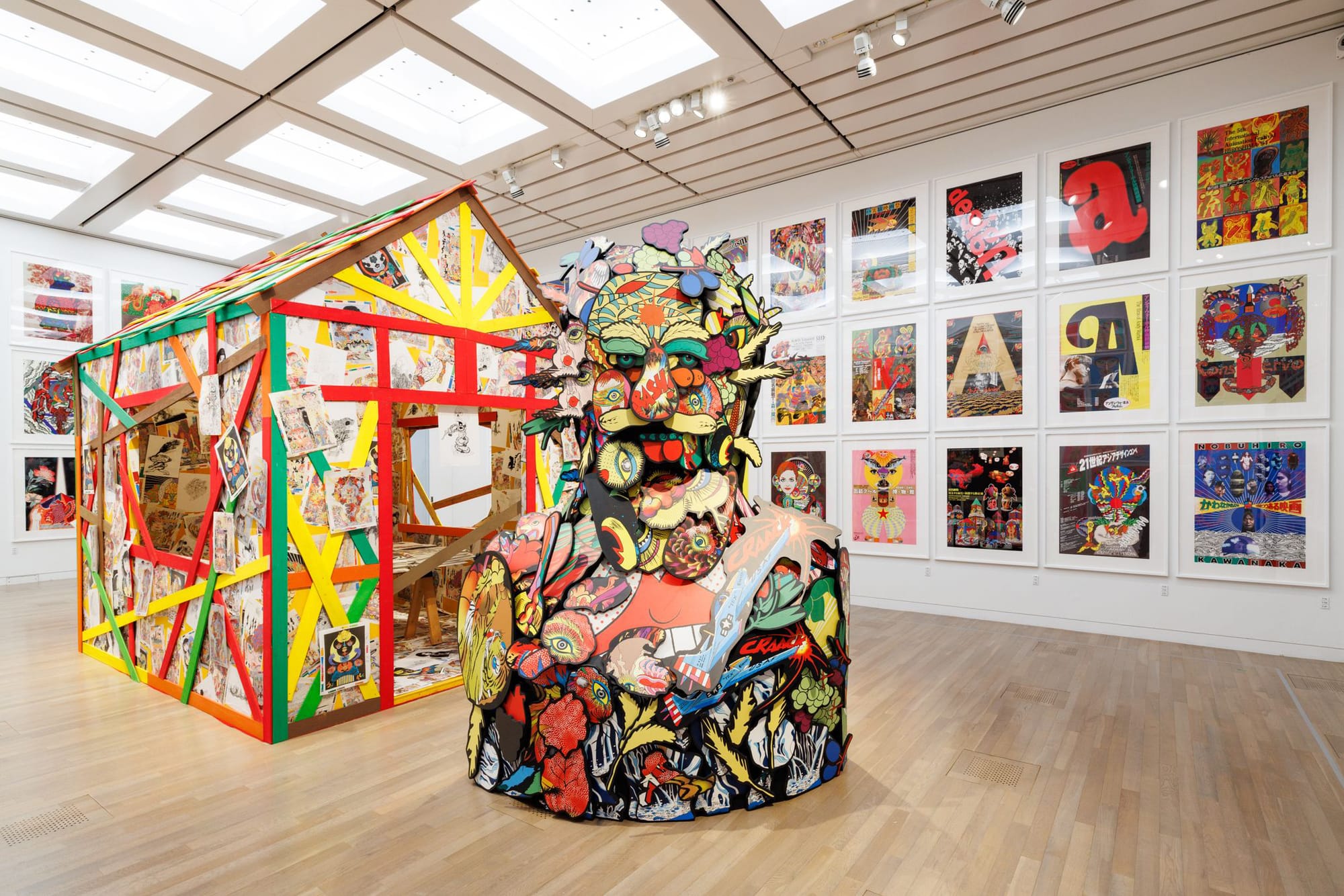
His place in the fine art world was established thanks to his relationship with NANZUKA Gallery in Tokyo, who would go onto represent him starting in the late 2000’s. They showcased his archive work and new large scale pieces at international art fairs, prestigious galleries, and museums. Thanks in part to their championing, his pieces were being collected by prestigious institutions such as MoMA in New York, Tate Modern in London, and Berlin State Museums. Places where longtime followers would argue he has always belonged.
Later in his career he also had a prolific run of high profile collaborations with brands such as Adidas Originals, Stüssy, and boy band GENERATIONS from EXILE TRIBE which put him in front an entirely new audience globally. One of his final works was a multi-brand collaboration with American toy maker Mattel, including an extravagantly designed Barbie doll adorned with clothing and accessories that perfectly reflect Tanaami’s signature style.
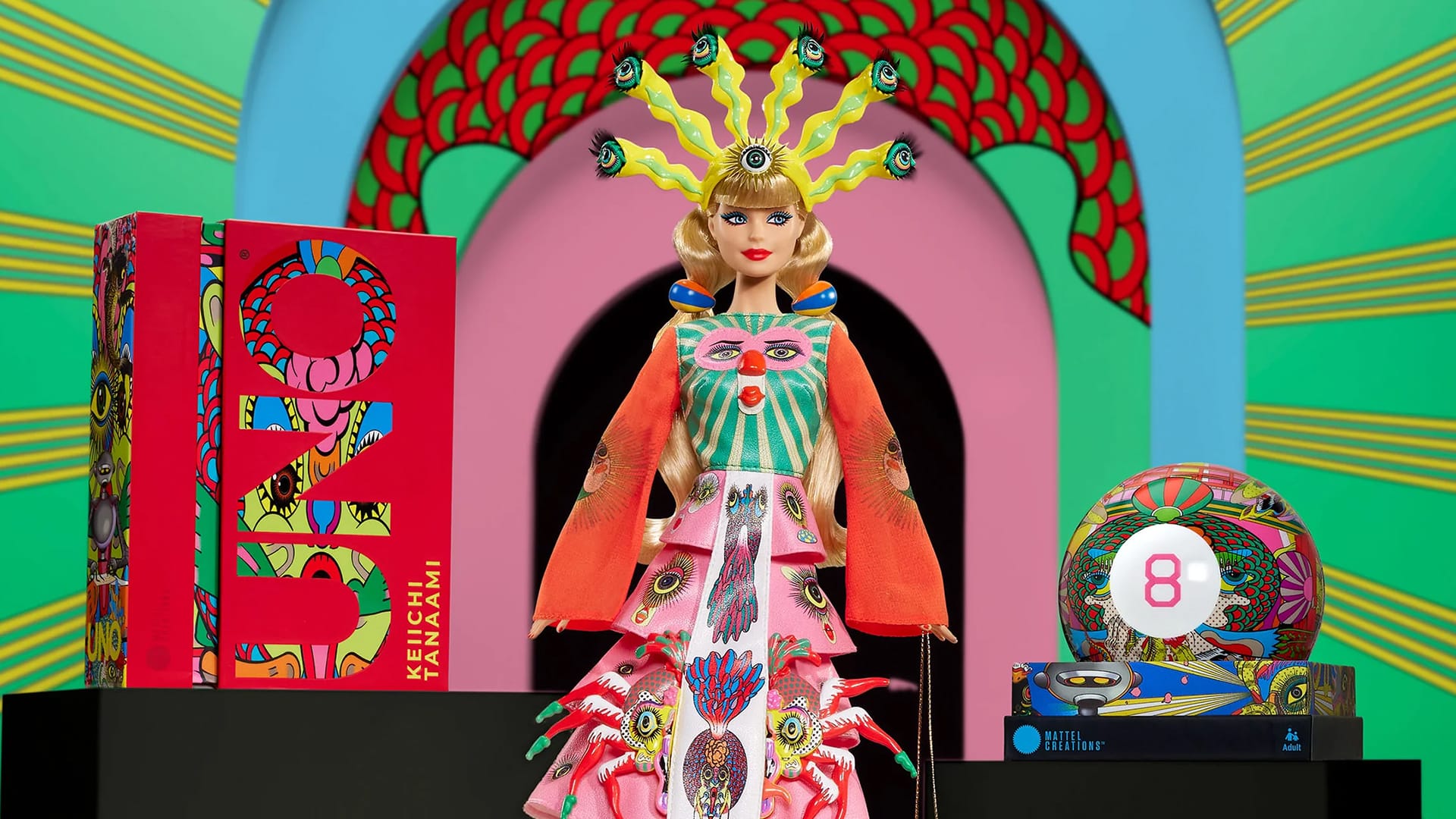
Tanaami continued to create with insane energy into his 80s. In August 2024 the National Art Center in Tokyo held a huge Retrospective showing his work titled Keiichi Tanaami: Adventures in Memory. Unfortunately whilst the exhibition was taking place, Tanaami sadly passed away on August 9, 2024 aged 88.
Keiichi Tanaami showed that you can take heavy memories and life experience and craft an insane universe from creative energy. His colourful and mind-bending legacy will never fade.