scrmbl contributor Patrick St. Michel runs an email newsletter called Make Believe Mailer, an offshoot of his long-running blog Make Believe Melodies. Every week, he shares essays and round-ups of new Japanese music, from J-pop to independent releases, including albums that might have flown under listeners' radar. Here are some of the highlights from the past month, shared with readers of scrmbl.
7th Jet Balloon And PLATFORM — Split EP
Two emo-rock-indebted groups get together for a split release showcasing the full range both possess. PLATFORM moves from math-rock-drizzled outpouring on “shuu” to skippier J-rock stylings to dramatic closer, and leaves a good impression (especially with the first cut). Still, the draw around these parts is checking in on 7th Jet Balloon, who create a little melancholy movement with its trio of songs here. “Through song” sets it off on a skip but heavier feelings hover over that pace, and after a scene-setting instrumental highlight “Snowing day2” roars in with guitar and vocal catharsis. Listen above.
Saki Arita — Shihosai
The melodies Saki Arita seemingly dreams up from her bedroom remain as gorgeous as ever on latest transmission Shihosai, made all the more vibrant by singing that wrings the emotion out of every syllable. I’ve already spent time showering her ability to turn guitar-and-whistle strolls into pop magic, so instead let’s spend some time shouting out the odder touches scattered throughout this one. Amidst all the catchiness are blurry robot-like voices having conversations with Arita (“Koibito No Inai Machi”), vocal trails that sound like their battery is about to die (“Tumuji”), and sneaky keyboard melodies offering a fritzy edge to grooves (“Keikan”) among more uneasy touches. It’s very Shintaro Sakamoto of her, and adds to a sonic world leaning towards the lonely and dejected. Listen above.
Lilhana — something’s calling guess that’s me and I let it ring
It’s easy to fall in the trap of thinking all these young Japanese internet-centric artists emerging from the sea of Spotify playlists and SoundCloud accounts are having a downer time. Sure, gloominess creeps in for almost everyone — who amongst us doesn’t feel that way!?!?! — but it’s also a space full of a lot of fun playing out. Lilhana’s best moments on something’s calling guess that’s me and I let it ring indulge in good times, opening with an entire song where she shouts out all the things and times she likes (“Suki”). The music often mentions merrymaking, from the zero-gravity bounce of “staticbloom” to the rippling club skip of “ten.” She even pulls out a sample conveying the glee within at one point — the cat “meow” from Mario Paint. Listen above.
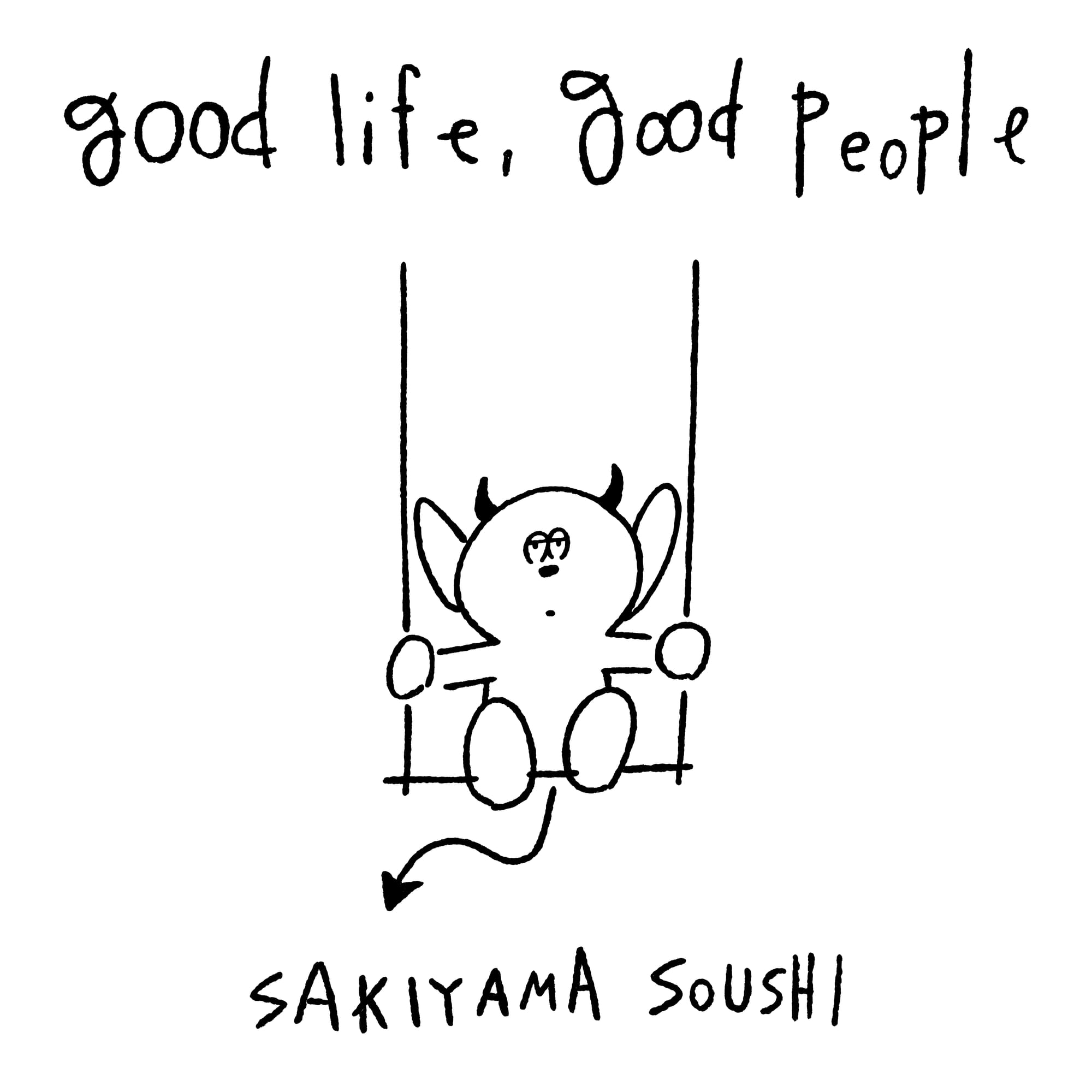
Soushi Sakiyama — good life, good people
The experimental creeps into the corners of singer-songwriter Soushi Sakiyama’s new album good life, good people. Personally, the biggest attention-grabbing moments come via Sakiyama’s collaborations with assorted electronic creators helping to dissect modern pop sounds. Sasuke Haraguchi appears twice, first to help offer a disruption of a perviously released song on a remix that strips it apart, before popping up right after on the Nico-Nico-damaged bossa bounce of “ending routine.” “Diary” finds PAS TASTA players and accomplished producers yuigot and Kabanagu playing around with fizzy afternoon pop, while most surprising is the presence of Yukichi Kasaku/men dueting with Sakiyama on the seasick “ghost,” moving away from the usual hyperactive stylings they prefer for something more uneasy and sputtering without losing their unpredictability.
All of this is balanced out by Sakiyama’s guitar-centric creations, which are more singer-songwriter at initial blush but incorporate details that add a sense of disorientation to what otherwise could have been Yuzu-ish (check the tempo mutations taking over “SOS” late or the twinkles illuminating the bedroom shuffle of “Kaata Bakari No Mono Wa,” itself a pretty self-loathing reflection of regrets). The biggest left-field turn, however, comes on “eden,” prominently featuring a children’s choir singing the whole song. Yet this touch proves charming and surprisingly earnest — and a nice contrast to the sudden melodic spins the music does — and shows Sakiyama’s ability to play with J-pop manifests in so many ways. Listen above.
Shaka Bose — EVOGON
Tokyo rapper Shaka Bose is one of the most influential underground artists of the last decade. He’s an early example of someone dabbling with internet-damaged sounds that would eventually be tagged as “hyperpop,” while he also organized parties such as TOKIO SHAMAN that helped give space for creators who would define this space room to grow. Latest album EVOGON finds Bose in an experimental mindset fitting for the ethos he shaped. He touches on bleary-eyed dance on “Shadow Zone,” metal-throat-tearing singing on “XXX,” tropical house on “Kaguya” and much more. Bose revisits more familiar hip-hop delivery at times, but the thrill of EVOGON is seeing a creator who has always been restless continuing to see what corners of sound he can play with. Listen above.