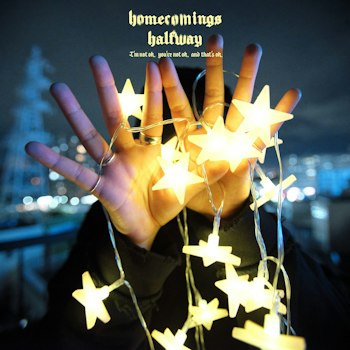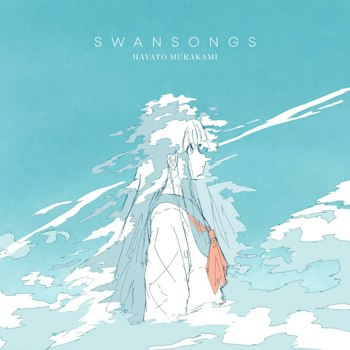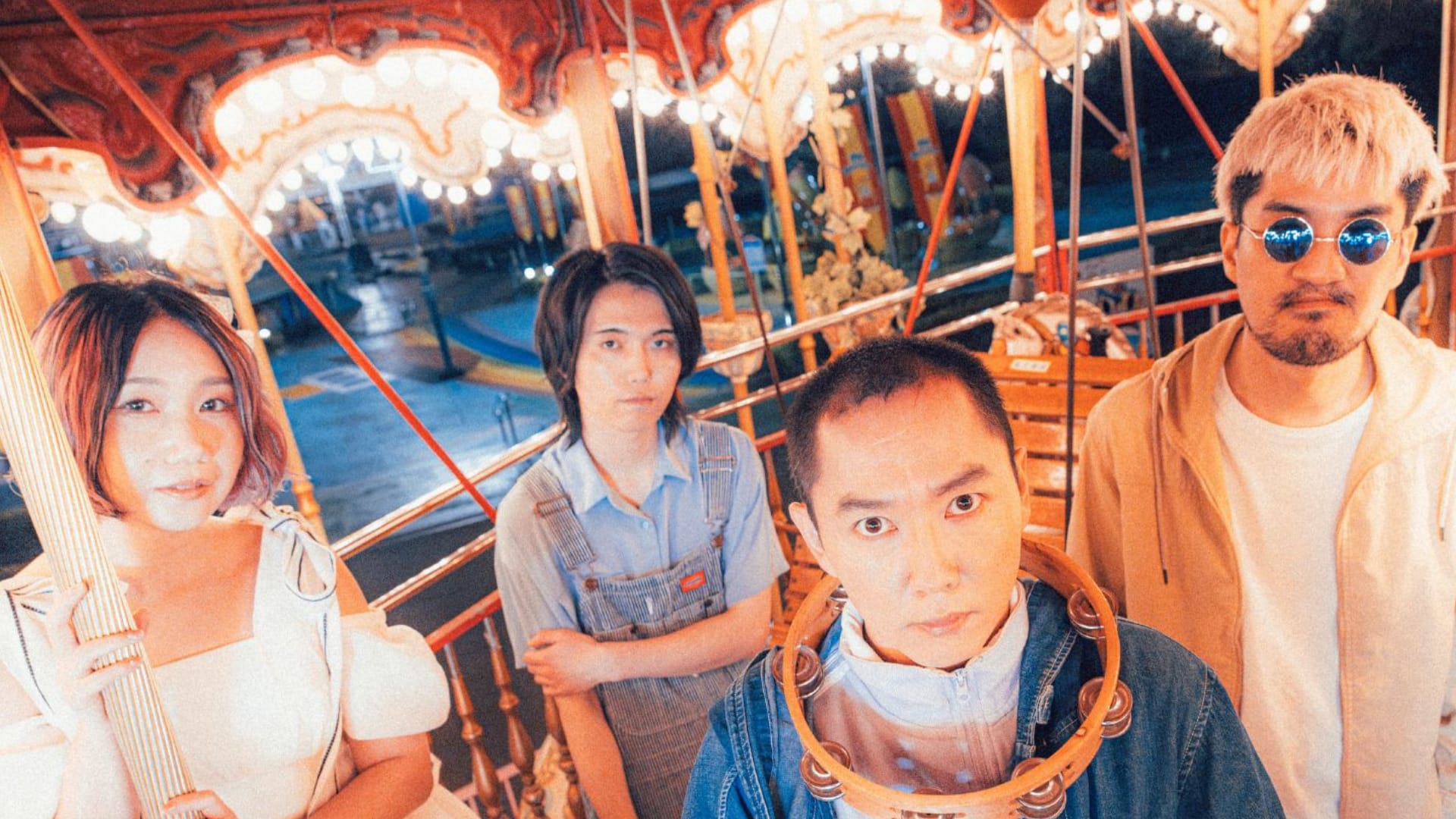
Few bands cultivate a personal sound so instantly recognizable as Shinsei Kamattechan: A misfit punk spirit refracted through a pop internet prism into a pool of blood and color. Kamattechan’s hardcore original manic depressive anthems smothered in delirious innovative digital choruses and candy vomit all playing out with effectively catchy, melodic pop rock sensibility speaking to the pent up anxieties of Japanese society earned them a dedicated, far reaching cult fan base. Continuously building on their own alienated online generation philosophy while simultaneously refining their unmistakable, distorted music aesthetic keeps the band fresh and inventive even as they hit the two-decade mark of activity, remaining one of Japan’s most singular sonic voices.
Before Killing A Friend
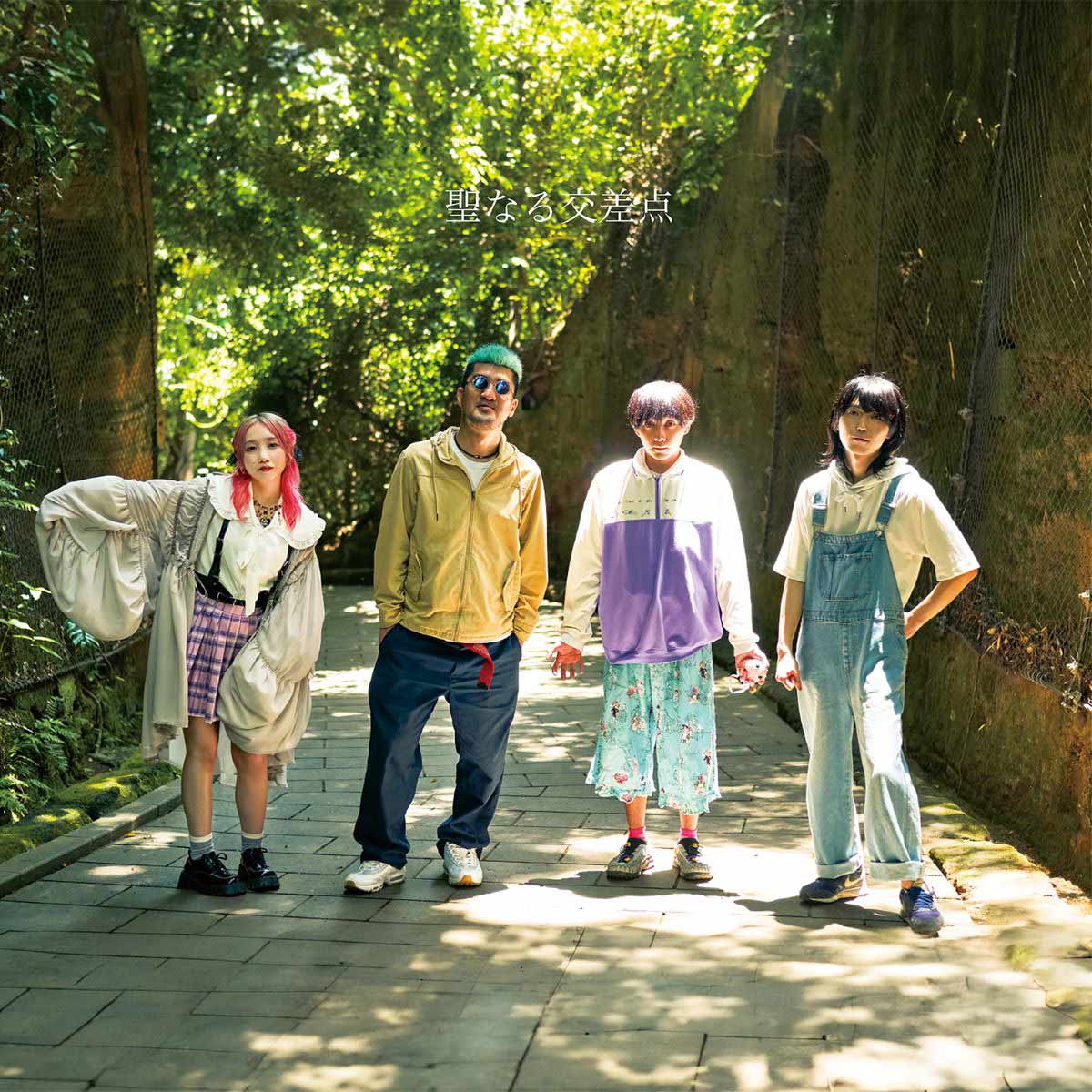
Singer-songwriter Noko, keyboardist & sound programmer Mono, and bassist Chibagin, the founding members of Shinsei Kamattechan, actually attended the same kindergarten together, though it wouldn’t after graduating high school that they all ended up making music together. The band truly crystalized when Noko personally recruited then Getsuyou Neko drummer Misako online towards the end of 2008, seemingly prepared for the type of antics Kamttechan would shortly get up to and the pop, abrasive sounds these four would cook up.
The band and their sound both mirrored the transitioning schizophrenic era the turn of 2010 presented and would channel this with a mix of unfiltered, early internet streaming activity and raw chaotic live house shows, with occasional genuine guerrilla performances law enforcement would have to put the clamp on. One night Noko would be cutting themselves on a livestream or in between songs at Koenji High, a long time favorite DIY venue of many-a Japanese indie rocker, and the next they would be posting about the show on 2channel or Mixi (a Japanese Myspace analogue).
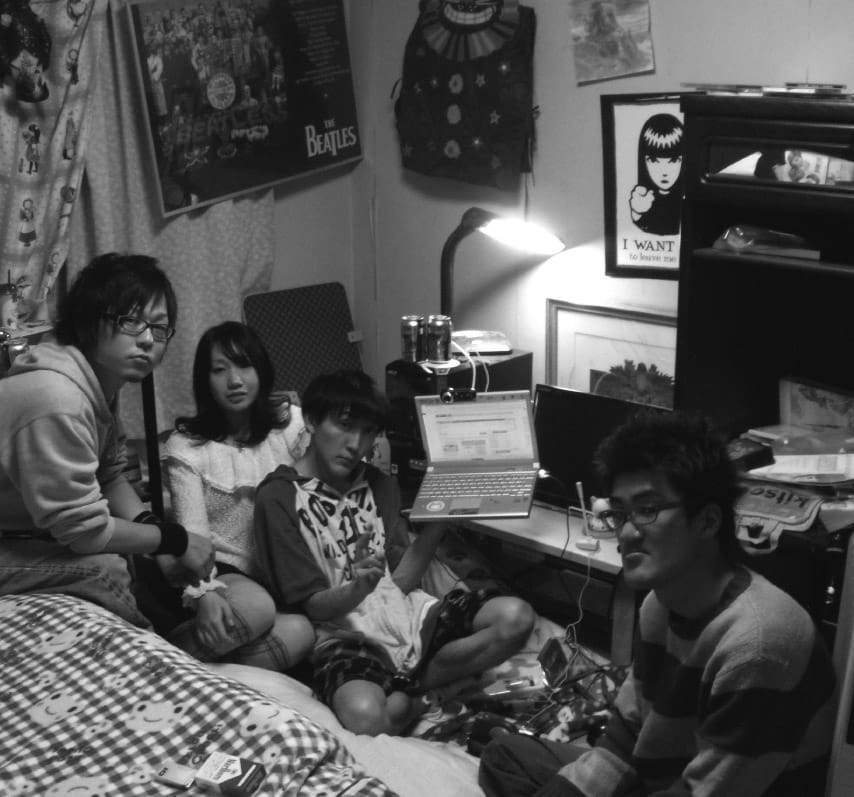
These antics gained the band some press, but the devoted following wouldn’t stay if the music didn’t match the message.
Never Boring: Three Albums In A Year
Originally getting signed to Japanese indie label Perfect Music and getting picked up by Warner Music’s eclectic sublabel unBORDE shortly after, Shinsei Kamattechan released a whopping three albums in 2010; Tomodachi Wo Koroshite Made (To Kill a Friend) collects their earliest Japanese punk rock adjacent compositions, many of which still remain fan favorites and played out at live shows. Tsummane (Boring) starts incorporating their signature digital production elements like splicing digital & live percussion and Noko’s own vocals getting torn and patched into cloudy atmospheres and choral symphonies. Minna-Shine (Everyone Die), rounds out the trilogy.
Shinsei Kamttechan in theaters and on television
As Shinsei Kamattechan would continue into the 2010s refining their societally concerning, heart consoling blend of Blue Hearts-y, Ging Nang Boys-y soul-screaming over blasting guitar chords and hallucinatory distorted synthetic production all evocative of the candy-color internet generation and all of its alienation with increased pop sensibility on fan favorite albums 8 Gatsu 32 Nichi e (To August 32nd) and Tanoshiine (It’s Fun), director Yu Irie sought to center a fictional film around the band named after their definitive “Rock 'n' Roll wa Nariyamanai” in 2011.
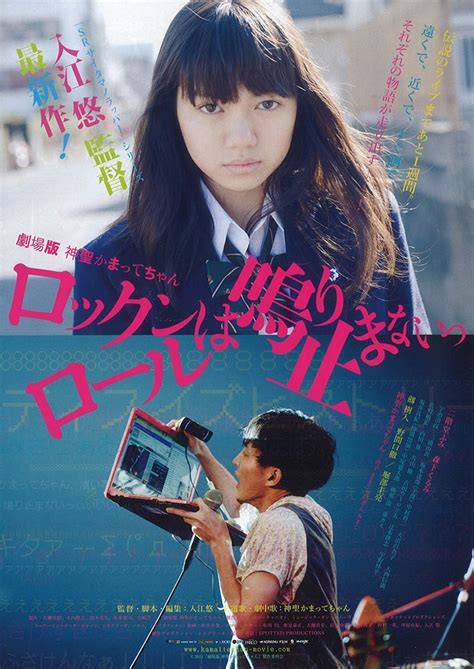
That same year they received their first anime placement, the collaborative “Os-Uchuujin” with Asuka Oogame for SHAFT’s Ground Control to Psychoelectric Girl. It would remain their only so-called anisong until it didn’t.
Our War: Shinsei Kamattechan and Attack on Titan
Shinsei Kamattechan would just take a year as a breather between their 2014 pop production thriller Eiyuu syndrome and a burst of (nearly) yearly albums between 2016 and 2020. During this second overly prolific era the band would be tapped to a stage that would put them in front of countless new ears; Attack on Titan. Creating the slower ethereal, “Yugure no Tori” and the mind-shattering, militaristic “Boku no Sensou” for the 2nd and 4th seasons of the era-defining show brought the band an international audience. Both songs evoke the bleak, hopeless tone of the anime’s world so perfectly that only the tortured, misaligned, beautiful Shinsei Kamattechan could ever create them.
Boku no Sensou would instantly becomes their biggest hit,
Kamattechan’s Thesis For Today
After more than a decade of Noko straining their throat at every opportunity, Shinsei Kamattechan took things easy for once. With a global pandemic surfacing just as their foundational bassist Chigabin left the band, it’s no wonder a band that dealt out yearly albums would need a break. They still played live and brought in young Yunosuke to fill out the low end grooves, a stylish odd performer who started as a fan.
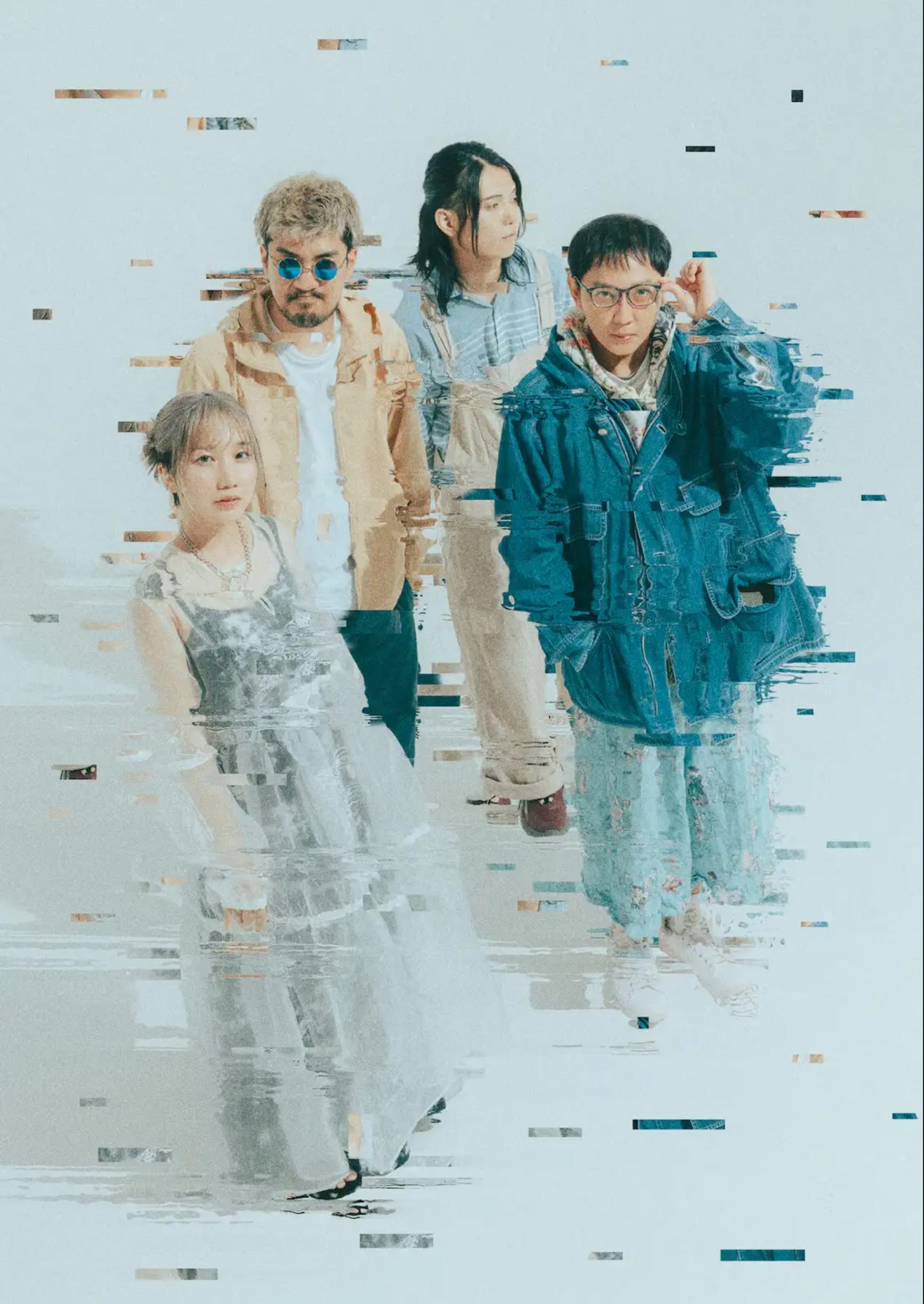
While Kamattechan would release a greatest hits album filled with re-recordings and remasters in 2023 that brought in high profile guests singers like Ano-chan and the lauded Jun Togawa, their next full length wouldn’t come until 2025’s Danchi Thesis; A refined 65 minute treasure trove of addictive recordings half a decade, heavier on the digital side though all imbued with a bursting raw sound despite the subtly matured grooves.
All in all, their best album in a decade.
Five Essentials
“Rock & Roll wa Nariyamanai”
All the elements Shinsei Kamattechan would be known for, namely playful keyboard melodies, punchy percussion, catchy choruses, and Noko going the hell off, can be found in this early, career establishing track that remains one of their most popular.
“23 sai no natsuyasumi”
Shinsei more than occasionally makes music about long-past summer vacations, alien feelings, and self-reflection with no feel good conclusion. What does feel good though is that perfect balance between bright and wistful.
“front memory”
Slicker than the early singles, poppier than what’s come before, yet this 2014 iteration of the Kamattechan sound so sweeping, so groovy, so simply fun the band has remade the song several times over with different guest vocalists.
“Robot no Yoru”
Hypnotic, dizzying, a whirlpooling ocean cacophony of air-filling vocal distortions, percussion analog and digital, sonic accoutrement both sparkly and mechanical, and rhythmic walls of sound building over each other culminating in two minutes of pure catharsis in the back half.
“Yuugure no tori”
A sophisticated song-writing effort from the band, Shinsei Kamattechan owns the slower pace by painting atmospheres with melancholia and layering soft, distorted chorus vocals on top to haunting effect.