Globalization has the ability to connect the world, but also flatten out the cultural creases that make places interesting. People all over the world have access to Hollywood films or Uniqlo clothes, but what gets lost in that deal? This past week, a staple of early Japanese internet culture became a victim of this phenomenon, reminding both of how different nation’s digital identities developed and how they risk losing value in a linked world.
Ironically, it was related to McDonald’s, which is usually guilty of this the other way.
Last week, McDonald’s Japan announced in a tweet that it was changing the name of its clown mascot from “Donald McDonald” to “Ronald McDonald.” This shocked many…including a wide contingent of those outside the country who had no idea the colorful character wasn’t named Ronald, as he is in most of the world, but rather Donald.
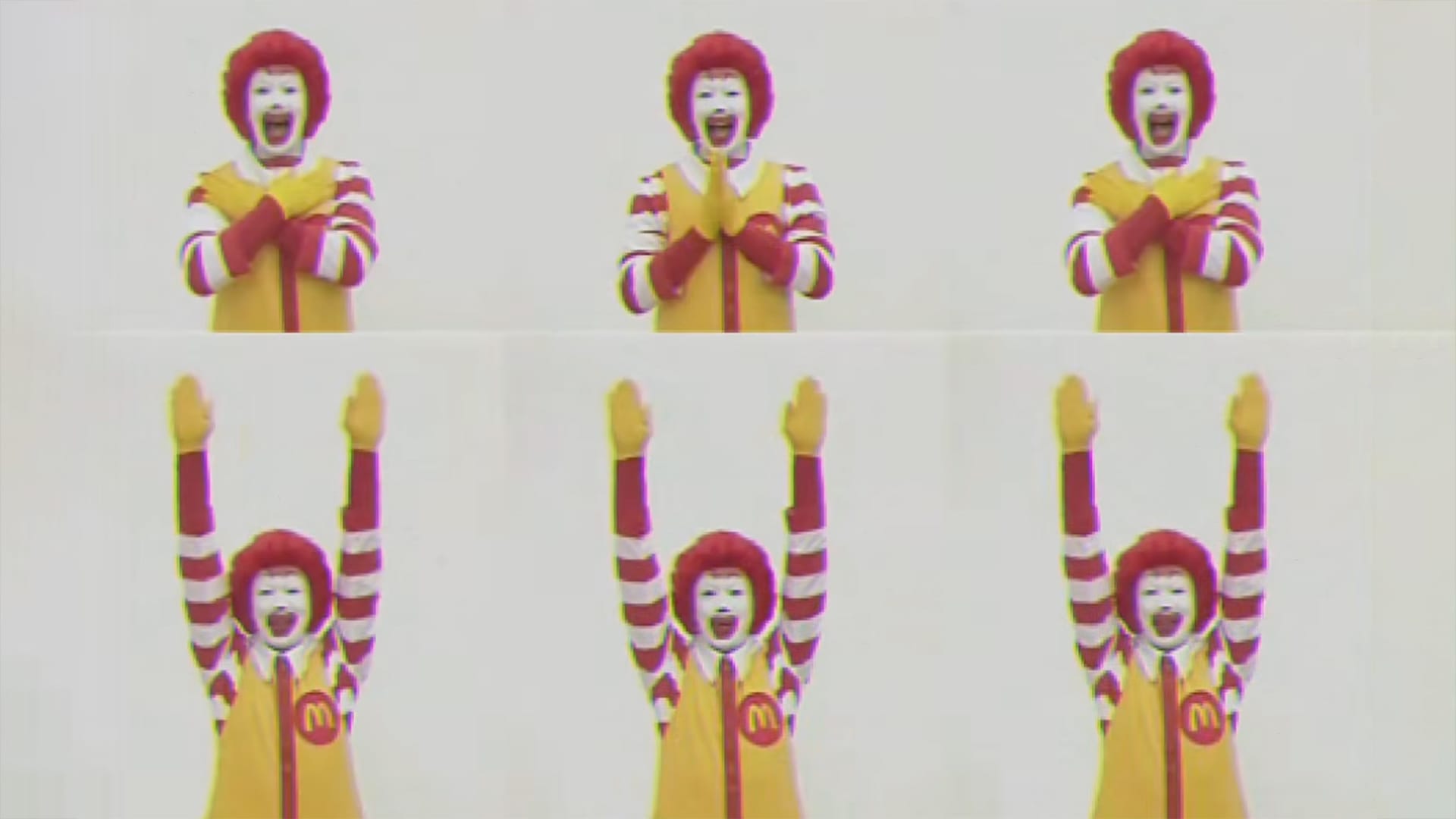
Rare 2000 McDonald’s Japan ad featuring anime Donald
The exact reasons why aren’t crystal clear, but the popular reason for this name swap stems from linguistics. When McDonald’s arrived in Japan in 1971, businessman Den Fujita pushed for a pronunciation of the chain differing from how it was originally imagined as being closer to its English origins (makuda-naruzu) in favor of something that he imagined the Japanese public could say easier (makudanarudo). The same logic was applied to the clown, with the idea of “Ronald” being harder to say” for the Japanese (along with, one might imagine, some brand synergy, as “Donald” sounds closer to the katakana-ized name).
Whatever the reason, it meant generations of Japanese consumers knew the mascot as “Donald” via appearances in commercials, video games, and more. That extended to the "Donald McDonald House,” the Japanese arm of the chain’s charity arm (which also changed its name last week). As the franchise itself changed, Donald remained a constant…until now.
That’s not the real focus of this article, however. While “Ronald” being “Donald” and now becoming “Ronald” is interesting, it’s tough to get weepy eyed over marketing. Rather, it’s a chance to look at how Donald became a defining character of the 2000s era Japanese internet, specifically because of how people took advertising and warped it into something weird for early online times.
For whatever reason, Donald became a favorite with early internet users in Japan. Those flocking to bulletin board 2chan turned the clown into a meme in the early Aughts, initially just via images (or text). Right away, the burger-promoting mascot became a fixture of the Japanese web in the 2000s.
Soon enough, he became a star on Nico Nico Douga, Japan’s go-to video site during the decade and basically the homegrown choice over YouTube (perhaps best known for having comments scroll by on screen while the video is playing). Donald McDonald became an early source for alternative humor and creativity on the platform, with creators inserting him into existing anime or creating dizzying remixes of his commercials (part of the “MAD” genre of edited clips that have become a staple of Japan’s online ecosystem).
Again…why? Well, why did He-Man or “All Your Base Are Belong To Us” become staples of the Western internet at this time? Perhaps the fact that Donald McDonald wasn’t showing up in much McDonald’s advertising by the late 2000s had something to do with it — swapped out for generic commercials and characters like bumbling foreigner Mr. James. It was absurd, but something that this early generation of netizens could embrace…and embrace as their own.
Dig a little deeper and you find that Donald was treated as something akin to a “cult leader” by these Nico Nico Douga users — or, at least, held up in exaggerated terms like this by them. He existed as one of the major “religions” of the video site, alongside fellow spokesmen “old guy from “old guy from Werther’s Original commercial” and “witch from Japanese candy ad.” Why? Again, don’t worry about it. These were the muses from one of the first extremely online generations.
Like all memes do, Donald McDonald’s time in the digital spotlight faded, though he has enjoyed bouts of revival. In the early 2020s, everyone got back into this kind of Nico-Nico-born creations, probably because of anniversaries related to the initial wave. Yet the era it represents is well over.
That’s the real melancholy with this other ho-hum name change. The news comes at a time when Nico Nico Douga — now just niconico — exists more as a reference for people to play with Aughts-era nostalgia than any actual modern influence. Japan still has a unique internet culture, but one slowly being flattened out by the presence of YouTube and TikTok and other platforms that push less unique global trends onto feeds. “Donald” is just “Ronald.”
The Donald of the Japanese internet during the Aughts, though, symbolizes the character of the times, one that registered in all its goofiness in the decades after and which, even with this name change, will still be associated with that period. Ronald can stand for the corporate synergy and blandness of now…Donald can recall weirder times.