Danganronpa was, at least from a narrative perspective, over. While Danganronpa V3 was designed as the end of the narrative of this beloved visual novel franchise (and indeed was the end of the involvement of the core writer on the series, Kazutaka Kodaka), the series hasn’t fully disappeared from the public purview in the decade since. It’s been released again on modern platformers, had its own spin-off, and now its own remake, Danganronpa 2x2. But wait, doesn’t 2x2 equal 4? And who is that new character?
Ever since the reveal of the game, something has been a little, well, unusual about this reimagining of the most beloved game in the franchise. It’s supposed to be a remake, and in many ways it is, but it also promises new narrative beats that transform the story with a new ending. And once you re-open the door to that narrative, who knows what can come from that.
Unless, of course, you had the chance to sit down and play the game. Luckily, we had the opportunity to do just that at Tokyo Game Show, learning a few new details about what to expect about this new title in the process directly from the remake’s Producer Shohei Sakakibara and Director Takahiro Suzuki.
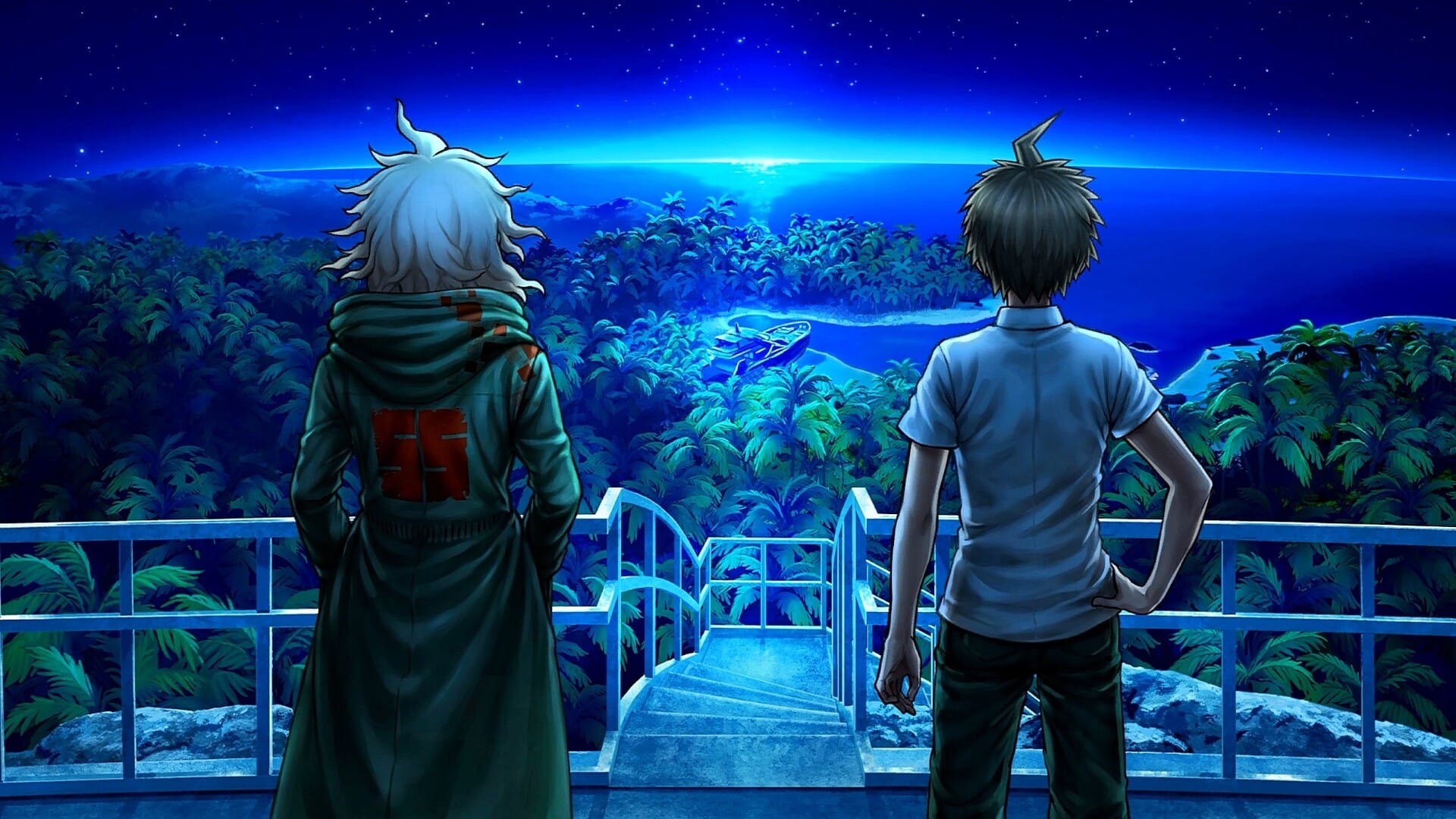
To catch people up to speed, Danganronpa 2: Goodbye Despair was first released on PSP in 2012, just one year following the release of the original game. The scope of the murder mystery adventure grew significantly in such a short time between releases, retaining the school setting of a group of 15 students denoted as Ultimates for their unique abilities are trapped and forced to murder each other by Monokuma in order to escape. Compared to the first game, however, the constraints of a school building have grown to an expansive desert island known as Jabberwock Island.
Hajime Hinata is the lead character in this game, an amnesiac dropped like the other students in this place and asked to murder the other students and get away with it in order to escape. Why their trip to this remote island was hijacked by Monokuma (usurping the cuter, seemingly more benevolent Usami), and the truth to why another Killing Game has begun considering the ways in which Ultimate Despair had changed the world after the events of the first game, is revealed as more students are killed and access to more of the island is unlocked.
Sitting down with the game, it was clear almost immediately where the team chose to embrace doing something new with the second entry, and where the team chose to stick with what people were intimately acquainted. Quite literally, since the game is split into two distinct modes that delineate the familiar with the new and unexpected. The classic mode is exactly what fans will recognize: the original narrative for Danganronpa 2 as it was presented on PSP, with little more than corrections to typos differentiating the script of the original from this new game.
“There are a few things that have been edited from the original,” explains Sakakibara. “Typos, and omissions, things like that, any mistakes we’ve gone back and fixed, but otherwise the script is identical in this game. There has been some upgrades and changes to the map, so where necessary there we have made changes, [but in the original mode] everything is identical.”
Naturally, that means this is going to be a great experience if you’re a fan of the series, but if you’re only here for the original mode, it’s not essential. If anything, it would be hard to recommend Danganronpa 2x2 based on these desires - the game has been visually spruced up, for sure, with new and higher-resolution sprites that certainly feel more polished than the upscaled assets featured in the original or prior console ports. These were very stylized games, however, and it’s not like this remake is abandoning that for an all-new 3D rendered locale or a brand new art style. It’s familiar, identical in its 2D-like rendering of locales and characters, to the point that without a direct side-by-side comparison it would be near-impossible for all but the most eagle-eyed players to spot the difference.
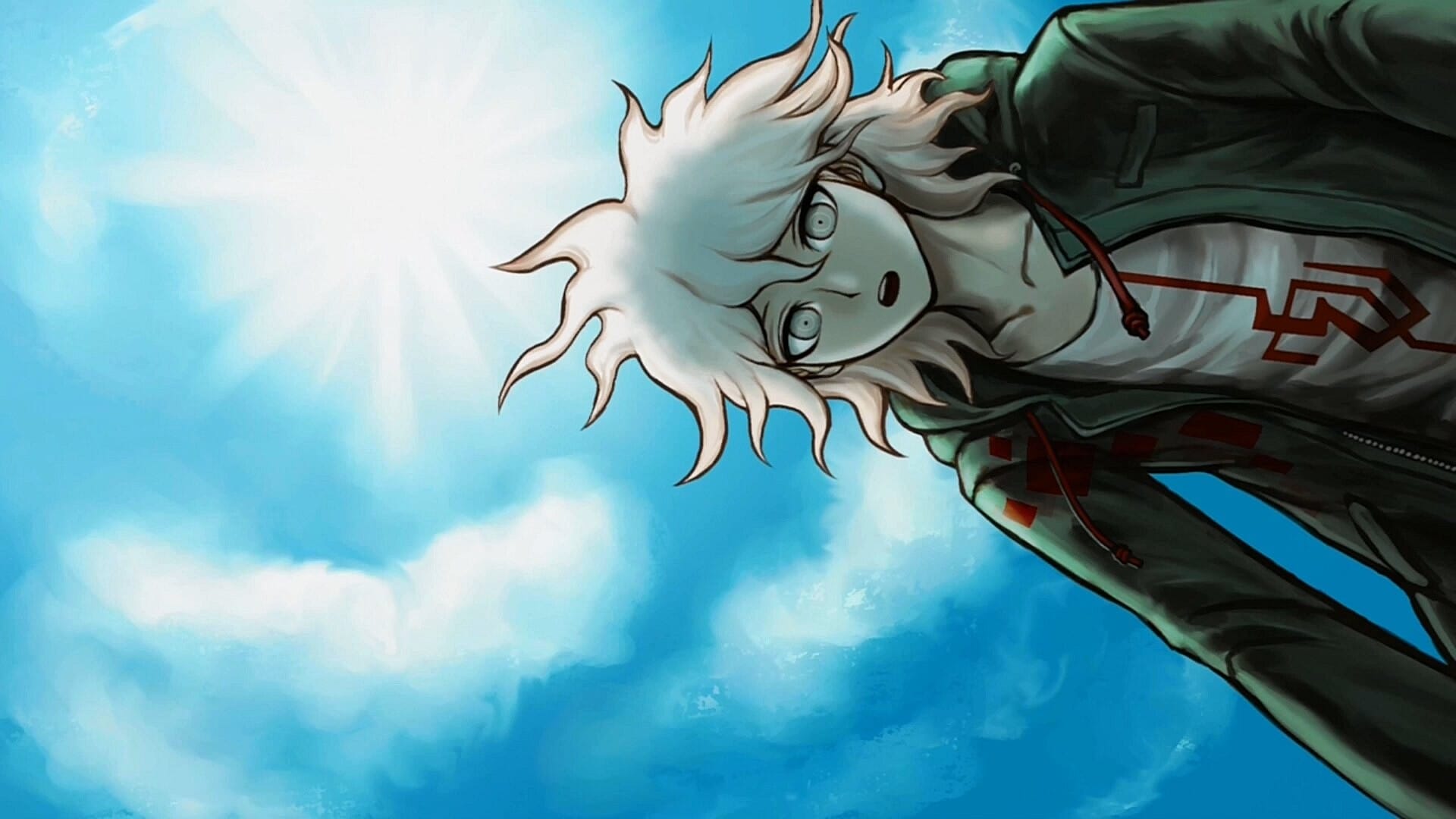
Where things get more interesting is in Slayhem mode, and is certainly the draw for this new release. We were given time to play from a moment early into the game’s story where the key narrative twist between the original and this all-new alternative narrative is revealed: secret items. Monokuma is looking to incite a little more chaos into proceedings this time around, and has chosen to further encourage students to murder one another by leaving unique weapons (or items with unclear purpose) inside the rooms of each student. Think of it as something akin to the provisions bag given to participants in Battle Royale, which also asks its students to fight to the death.
There are rules to these weapons to avoid them becoming entirely useless, such as how there will be severe punishment for anyone who tells another about their weapon. But, if you murder someone, you’re free to take the weapon for yourself. And with these weapons, you have just another tool at your disposal, whether to kill or for other purposes, during your time on this island. One person doesn’t have a weapon, but that's because there’s only supposed to be 15 people, and thanks to our newcomer, there’s actually 16 on the island. Perhaps the person without an item may know more.
Immediately, though the core concept of the game remains, this opens up many possibilities of which we only got to witness a fraction during our time with the game. It’s clear that murders and their subsequent class trial will play out differently, and between the new weapons for extra killing (hence the Slayhem name of this new mode) and our new character, who knows how the story will end. Compared to the strictly-traditional narrative of classic mode, this is a ground-up reimagining in the same world, an alternative universe for which shenanigans will unfold.
“While we feel that the Danganronpa core story has come to an end from the original games, we wanted this game to bring new content to fans, and perhaps it can lead to new things to come in the future as well,” notes Sakakibara. “The project started after the release of Master Detective Archives: Rain Code, and we were talking with Kazutaka Kodaka, who wrote the scenario for the Danganronpa series, about wanting to do something new with the series. And we decided the timing for that was now.”
Whether playing either mode, music has been remastered from the PSP original sounds with new instruments and remixes, and where appropriate in Slayhem mode new songs courtesy of Masafumi Takada of Too Kyo Games, another returning name from the original games. Most of these new songs align to new scenario sequences, for which the new songs were developed based on the vibe of those moments.
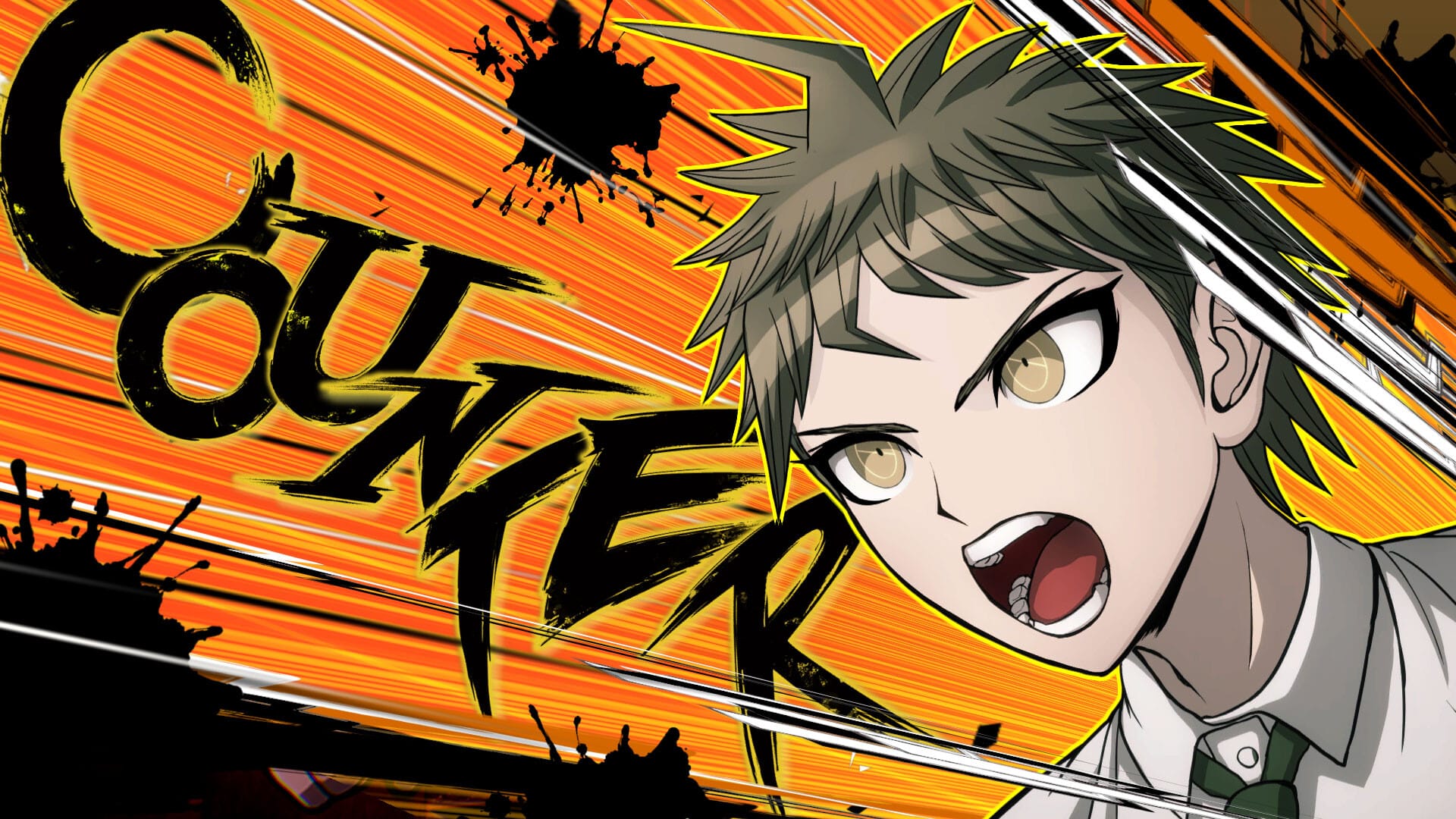
There’s something tantalizing about what’s being introduced with Slayhem mode that opens up new possibilities for what Danganronpa can grow to become. For all that the narrative of the trilogy has long since come to an end, love for the franchise has never really gone away. This past summer saw the first ever live concert for Danganronpa in Shibuya, while songs were also performed at Square Enix’s Game Music Jam event which brought music not just from the company’s own games, but titles like this and Undertale for a broader celebration of video game music.
And fans showed up for both. Tickets almost immediately sold out for the Danganronpa concert, and sales for rereleases of past games on modern systems have been strong in ways that show fans continue to care deeply about the unique universe crafted here. Which is what makes this new game so intriguing.
As mentioned previously, one of the biggest teases about what’s in store for Danganronpa 2x2 comes in the form of a brand-new character. Sakutaro Higashi, whose Ultimate ability hasn’t even been revealed as of writing, is an anomoly to proceedings, shifting the typical 15-character student cast to 16 and placed in the story in a manner that appears to surprise even Monokuma. This is what the team refer to when they note that returning to the franchise now or potentially the future can bring new things even to familiar territory. With a new character in proceedings, involved in class trials or a suspect, perhaps more deeply involved, it’s difficult to know the truth behind their plain facade.
That’s the point. Danganronpa is fueled by its core mystery, which this brings back. If there’s a reason to come back to Danganronpa 2x2, it’s because of how items in Slayhem and this new character promise to shift the balance of the game and revive that uncertainty even in long-time fans. Maybe it’s time to dig a little deeper, once again.