Considering the meteoric success of Cyberpunk: Edgerunners, it was not a question of if there would be a second season, but when.
Contains spoilers for Cyberpunk: Edgerunners, Cyberpunk: Edgerunners 2, and the Cyberpunk 2077 game.
Studio TRIGGER’s take on the futuristic world of Mike Pondsmith was so beloved that it almost singlehandedly revived the reputation of Cyberpunk 2077 following a disastrous launch, with Steam charts showing a drastic increase in the number of concurrent players between August and September 2022. The obvious caveat here is that CD Projekt Red carried out the thankless work of fixing the game in the meantime, but who knows how many players would have given it a second chance if not for the anime?
In any case, the production team looks very different this time around. Gone is the legendary Hiroyuki Imaishi, replaced with the relatively untested Kai Ikarashi as director and Naoto Uchida as his assistant. Ichigo Kanno is picking up the slack from You Yoshinari in his first stint as character designer and chief animation director. Rafal Jaki also left CD PROJEKT RED in the interim between season one and season two, leaving Bartosz Sztybor to act as the sole showrunner.
All of these personnel changes have resulted in a follow-up that looks and acts very differently from its predecessor. Rather than simply replicating the success of the first season, Cyberpunk: Edgerunners 2 sets out to forge its own identity through clever narrative choices, diverse characters, and poignant themes. It definitely doesn’t capture lightning in a bottle in quite the same way, but time will undoubtedly be kind to this earnestly ambitious addition to the world of Night City.
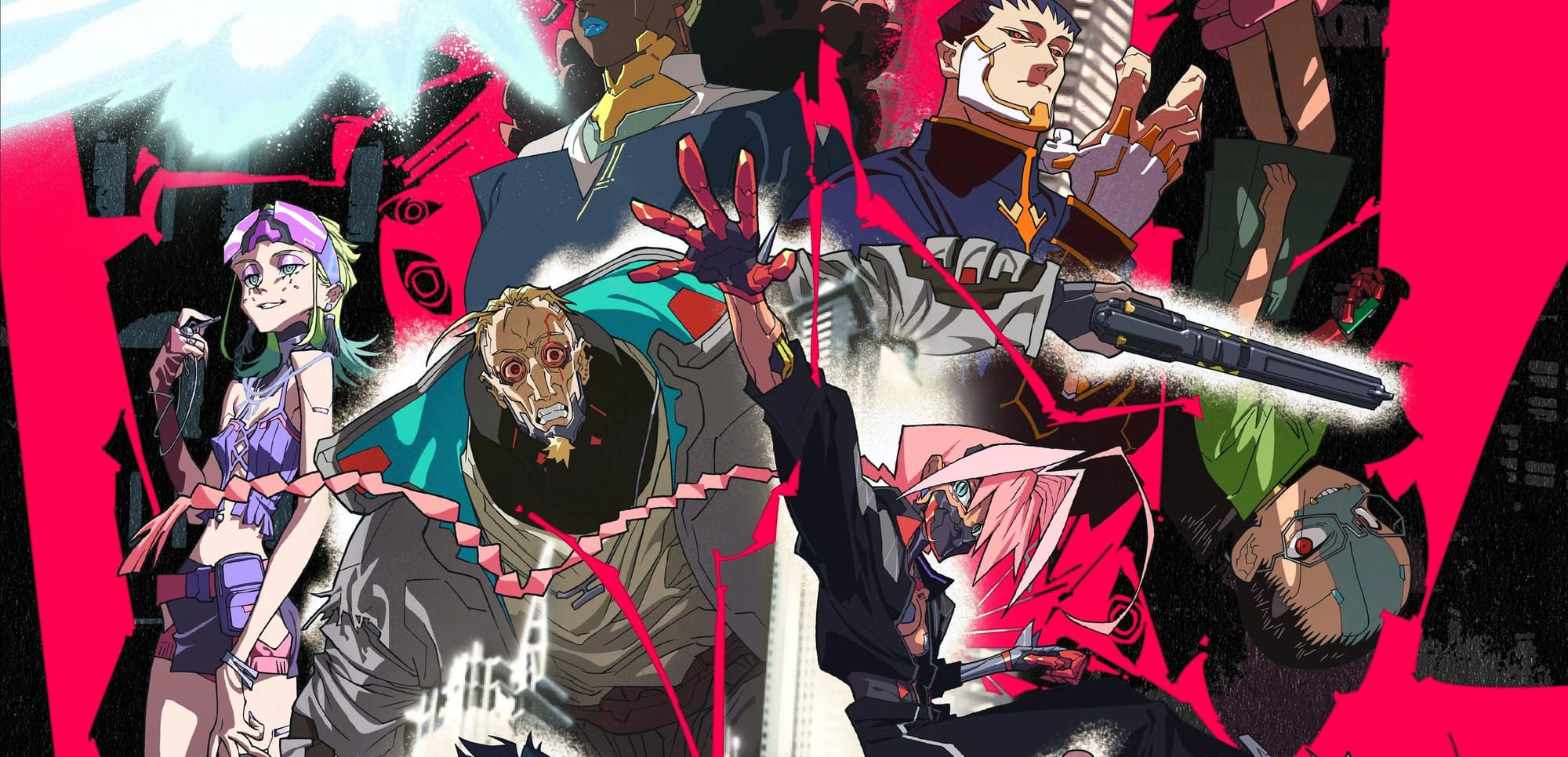
While Cyberpunk: Edgerunners could very simply be described as the tragic descent of David Martinez into the underground world of Night City, season two is more of an ensemble story. The four main characters don’t even meet face to face until less than halfway into the series, with the plot deftly hiding the reason why they are drawn together until the very last second. Just trying to determine who is the ‘main character’ this time around is a difficult challenge, even though D’s link to David does make him the obvious candidate.
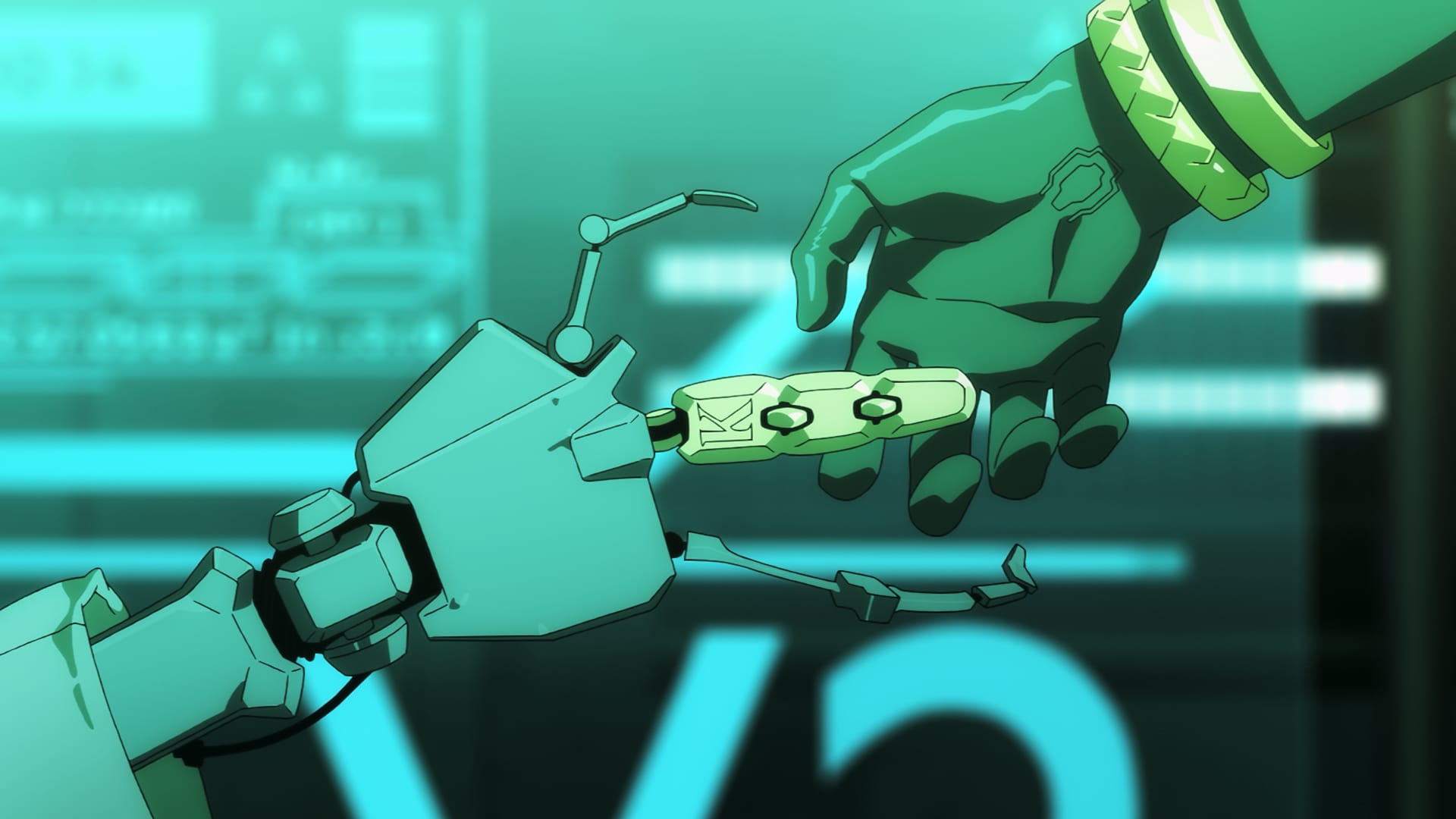
On the one hand, valid criticism has been made of the way that Cyberpunk: Edgerunners 2 jumps around from one event to another. Such a narrative shortcoming is inevitable with multiple point of view characters, however, and the story more than makes up for it with sheer variety. Season one definitely did not bring the plurality of perspectives that season two does, ranging from the depowered struggles of Weak and Talia to the cinematic aspirations of Roman. For an anime based on a setting as rich and cultured as Cyberpunk, that’s very important.
Moreover, many of the characters feel like the antithesis to Maine and his mercenary crew from season one. Weak’s opening moments in the first episode definitely give the impression that Cyberpunk: Edgerunners 2 might follow this same template, but his subsequent submission to cyberpsychosis and reduction to a mere humanoid quickly serve to discredit this idea. Even D’s more violent motivations for revenge are more horrifying than heroic and eventually turn out to be pointless.
The futility of revenge is one of many themes that season two explores in a follow-up that feels much more cerebral than its predecessor. Perhaps because two of the characters can’t use any cyberware, quite a lot of the run time is spent on dialogue that explores how they feel about their current predicament. It isn’t until the introduction of Capri later on that the stakes return to a familiar TRIGGER level, with the finale in particular betraying the studio’s preoccupation with giant robots.
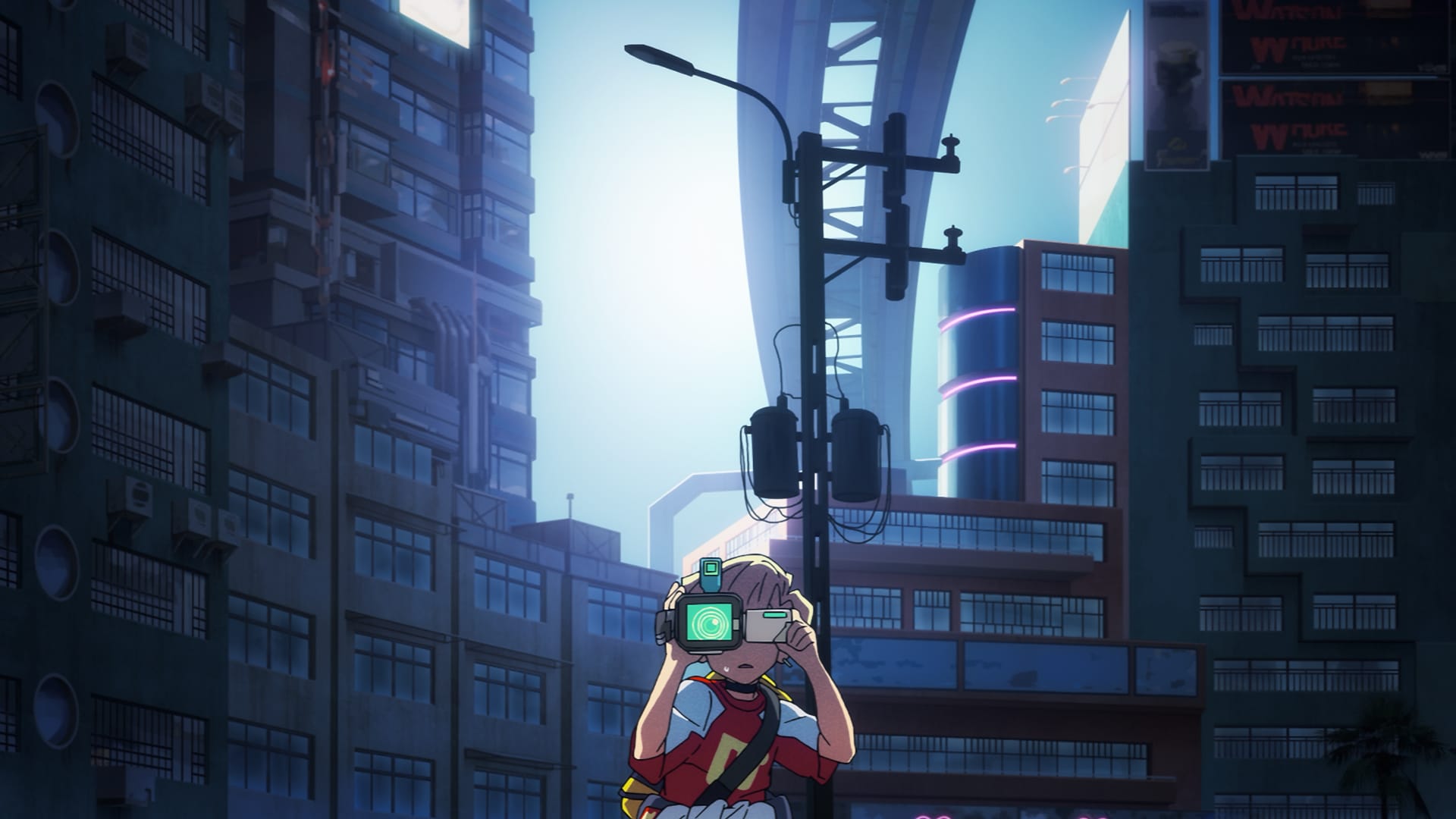
One of the most interesting ways that Cyberpunk: Edgerunners 2 combines both style and substance is the deliberate drop in quality whenever footage is shown from Roman’s vintage cameras. Kai Ikarashi’s love of classic cinema and 90s anime is evident here, but the contrast also serves to highlight the clash between artificiality and real human connection. In much the same way that Roman rejects advanced technology in favor of something more real, more and more people are choosing to unplug and return to more analogue forms of existence today. That feels both pertinent and progressive.
Speaking of Kai Ikarashi, the young director was the one behind the traumatic sixth episode of season one that saw Maine murdered and David confronted with the brutality of Night City first hand. He brings a similarly psychological dimension to the follow-up, particularly when depicting D’s trauma and mental state when tapping into the powers of Capri. A special mention also has to be given to director Yuki Kouno for their work on episode eight, rendering the riots instigated against Arasaka into a hypnotic carnival of chaos and violence that wouldn’t look out of place in something like Texhnolyze.
Fans of the original game will feel right at home here, particularly because the concept of an engram as opposed to an artificial intelligence is embedded so deeply in the story. Adam Smasher is nowhere to be found, but the technology that allowed Johnny Silverhand to come back to life is pushed to the absolute limit here in terms of lore and presentation. It took less than a week for fans to then come up with a mod that added Capri to the game, showing that TRIGGER is able to make valuable contributions to the canon.
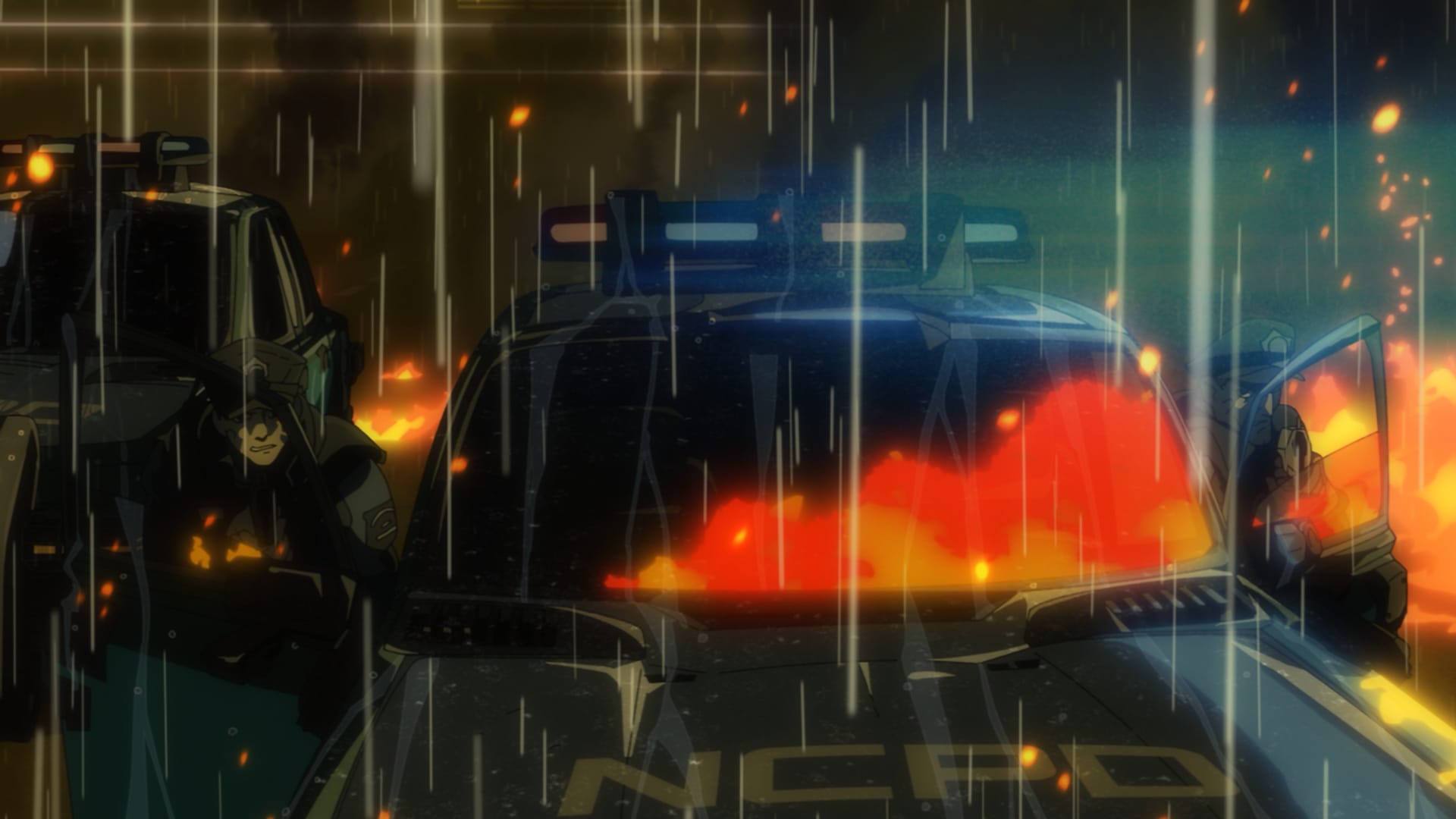
During a recent REDstream, Bartosz Sztybor remarked that the anime studio is always trying to push the envelope by asking to destroy both the setting of Night City and Arasaka in the story. These wishes didn’t come true this time around either, but the cumulative effects of Cyberpunk: Edgerunners season one, two and the game surely leave the megacorporation in a very bad position. Are there even high-ranking executives left at this point?
All of this leads to the question of what might come next for the anime series. Given that season one was developed as a standalone project, there is reason to believe that only a really good idea can get the gears turning once again. CD Projekt Red may want something to tie into the upcoming sequel, however, particularly when considering just how much publicity both seasons have brought. Paweł Sasko recently announced that project had officially entered pre-production.
If anything, the lesson that Studio TRIGGER should take away this time is that giving new talent a chance to shine is what will keep the franchise feeling fresh and original. Determining who exactly is responsible for certain creative decisions is always difficult in anime production, but the sheer number of staff changes between season one and season two definitely merits consideration. Let’s just hope that the pressure of cross media marketing doesn’t get in the way.