Tatsuro Yamashita helped soundtrack the bubbly vibes of Japan’s final year of the Showa era and eventually reached millions more around the globe who used it to craft their own nostalgia for the times.
Before any of that, though, the artist had to go to the United States.
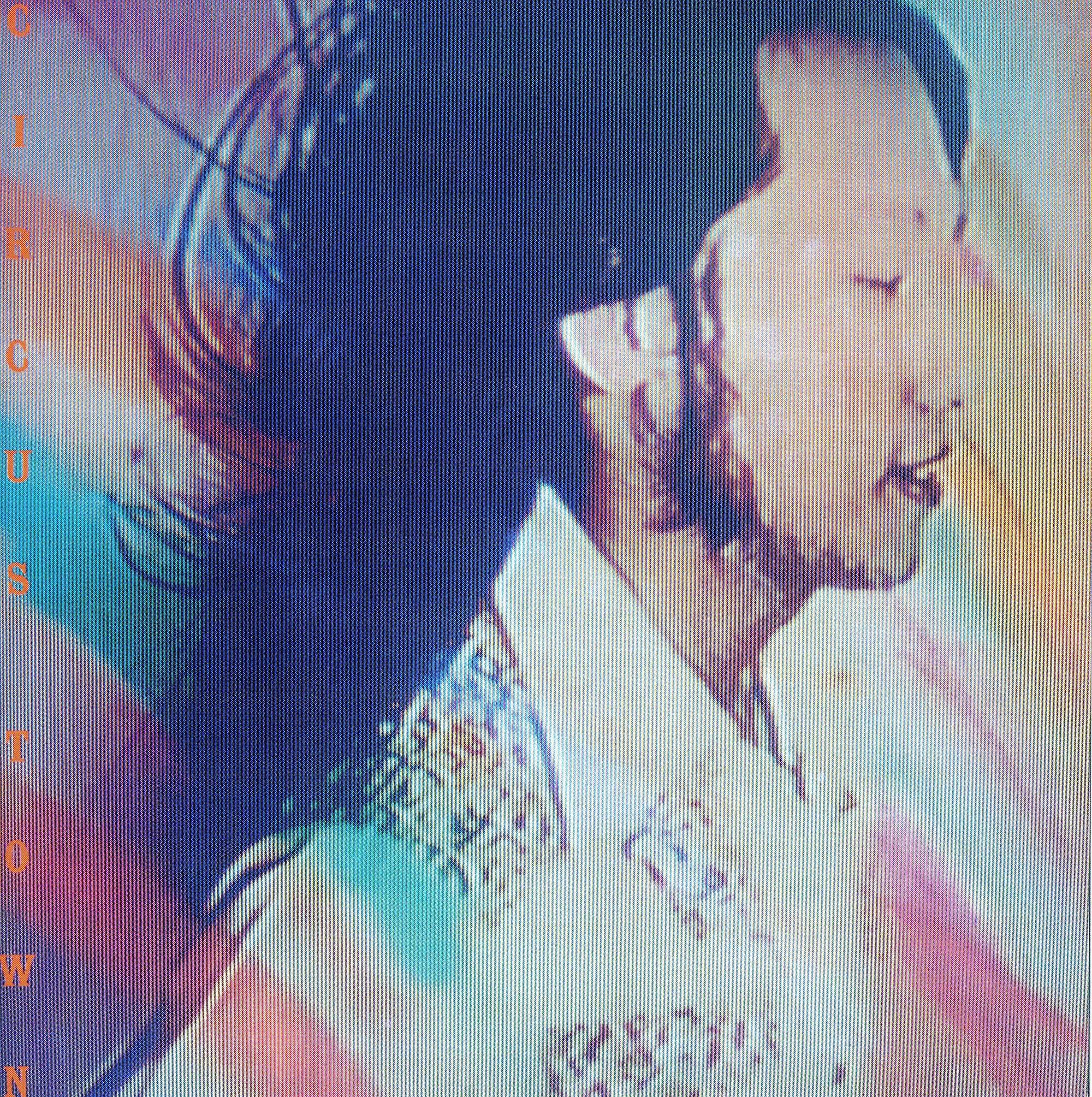
Yamashita’s first solo album Circus Town is the singer-songwriter challenging his own idealized musical past and coming out the other side emboldened. Originally released in late 1976, a 50th-anniversary reissue came out this week, providing an opportunity to revisit the starting point for one of Japan’s most celebrated pop tinkerers. The background of how Circus Town came together is almost more important than the songs within in explaining where Yamashita would go in the half century since.
Yamashita grew up obsessed with music from a place he had never experienced. His gateway came via American pop, with sea-sprayed acts such as The Ventures and The Beach Boys leaving a deep impression on him. That became a fascination with all corners of US-born music, running from doo-wop to West Coast Rock.
His first self-recorded release Add Some Music To Your Day is nothing but covers of Brian-Wilson-penned tunes and ‘50s cuts. By the time he started creating originals with the band Sugar Babe, that American sound defined his approach. When that band called it quits, Yamashita struck out on his own, determined to record his solo debut overseas as a way to test himself. Writing about this period of Yamashita’s career capture someone at a crossroads, and seemingly shaken — Sugar Babe was a commercial flop at the time (when I talked to fellow member Taeko Onuki, she recalled festival crowds pelting the band with bottles because their sound didn’t mesh with the heavier vibes of the day). He had something to prove.
Thanks to connections made by his label, Yamashita went to the United States for the first time ever to make his first solo album, seeing if his own artistic vision could mesh with the sounds of the country that shaped him. He would record for two weeks in New York with prolific producer Charles Calello followed by one week in Los Angeles with John Seiter (former member of Yamashita faves Spanky & Our Gang and The Turtles). The result is a snapshot of an artist diving into their influences in the places they came from (and sometimes surrounded by those who made them), learning and setting down a foundation to build something greater later.
Yamashita has always let his influences sparkle through in his sound, but on Circus Town he’s zeroing in on specific styles one by one, like crossing off a checklist to prove he’s actually got it. “MINNIE” nods to balladry of a few decades earlier, featuring a string swoop bringing to mind the NBC Symphony Orchestra and horn touches adding something a little more swinging into the slow dance. “Last Step,” originally a strolling meditation Yamashita wrote for Minako Yoshida’s Flapper, becomes a showcase of his doo-wop love. “Mayoikonda Machi To” is him playing with then-on-trend West Coast sounds with a drizzling of jazz.
It’s an album highlighting what drives Yamashita musically and how he approaches those genres, but one where he’s not playing around with how they could work together. Two songs here hint at where he’ll go in the near future. The opening title track begins with a bit of “Entry Of The Gladiators” that almost makes it reek of big-top popcorn, but once that’s out of the way we get an early example of Yamashita adding elements to a tune to make it pop, with backing choruses, horns and strings fattening it up to turn it jubilant.
That’s vital to but also more understated on the other standout, “Windy Lady.” Despite recording Circus Town on the US coasts, this one took its name from the Midwest as it was a nod to Chicago’s Soul. Slinking forward on bass plucks — the sexiest a Yamashita song has ever sounded — he adds horn bursts, a sax solo and string touches gradually to add a glow. Elevating it all is his voice, here showing off range and climaxing in shouts adding a rawness to the performance.
The actual experience of recording in the States proved most impactful for Yamashita, both in the metaphorical notes towards music composition he picked up on both sides of the country and the literal notes that Calello gave him, which would help him shape his artistic breakthrough a year later with Spacy, where his personal color really started coming through. Making Circus Town led to that leap forward, but the album itself can often feel more like an exercise in an artist figuring themselves out rather than a fully fledged work. As a starting point, though, it’s still strong, with “Windy Lady” in particular being a highlight in his songbook.
Fifty years later, however, and Circus Town takes on greater heft in the context of how Yamashita’s music has been discovered. It’s ironic that he and countless other Japanese artists (for which he wrote songs for, in some cases) have been received by many globally as this shimmering example of better days from a time and place they can never experience. On his first album, Yamashita himself was digging into the same feeling via the American sounds that thrilled him but might as well have existed in another universe. He had the rare chance to actually head to the USA and give what once probably felt like fantasy a whirl and…come out of it eventually focused on a sound all his own.
Circus Town is vital as a reminder that “city pop” or any music that becomes a point of nostalgic longing never just emerges from the neon-soaked ether. “City pop” was heavily shaped by the sounds of America and Europe, something the artists who made it were never shy about stating and in the case of Yamashita chasing down. His debut album showcases that fully, showing how the USA entranced him…and how he forged his own artistic road from it.