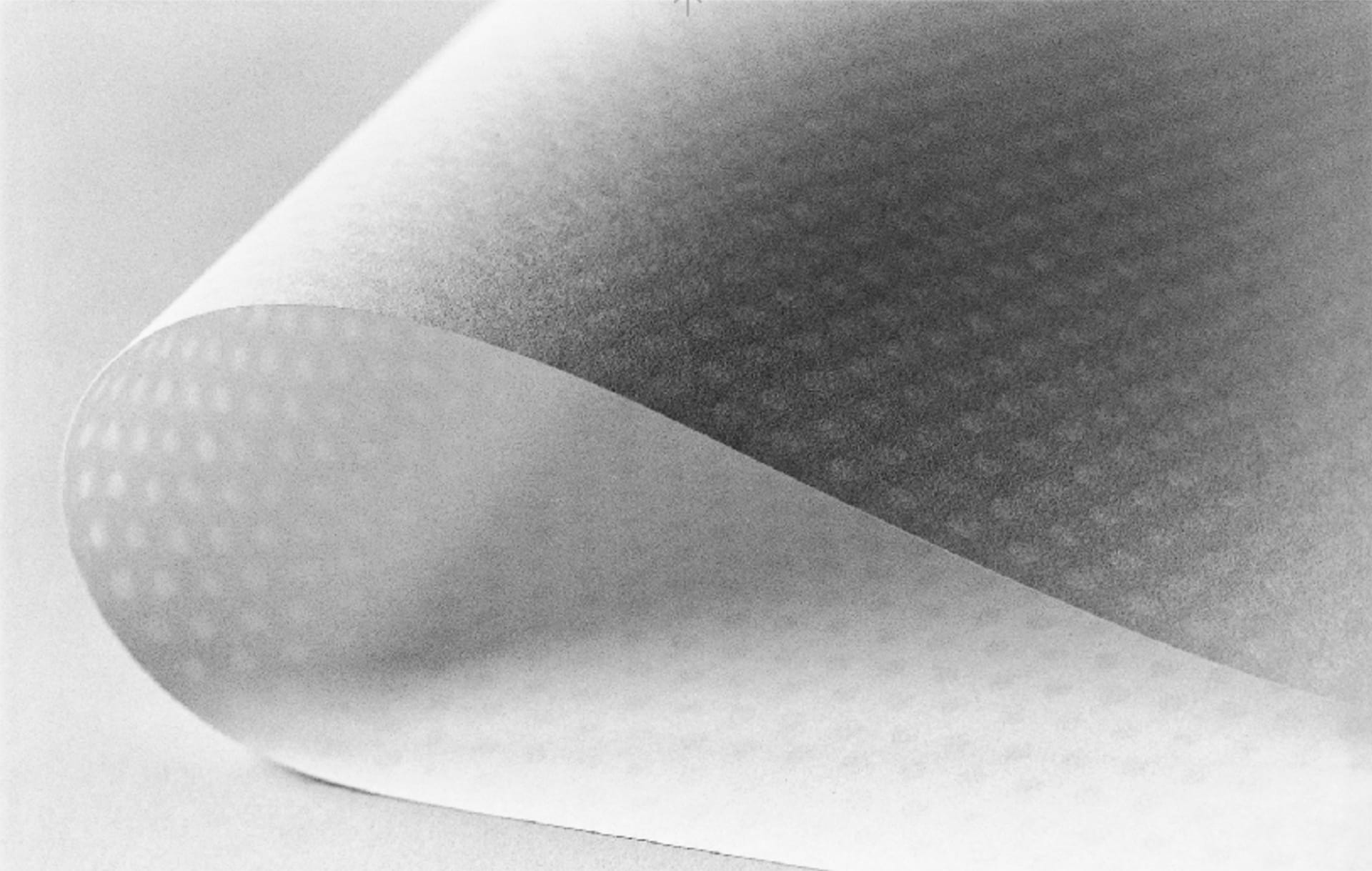
When was the last time you took a moment to think deeply about paper? We live surrounded by– but almost completely unaware of– the material’s presence. Check your pockets: maybe you’ll find a stray receipt, a crumpled tissue, maybe even a crisp bank note you’d completely forgotten. Aside from plastic, it seems like paper is the fundamental matter of human life; as abundant and invisible in the everyday as hydrogen or helium in the wider universe. Even in the age of screenward migration, it feels unlikely that paper– and its 2,000 years of history– could ever go extinct.
But how many of us can really say we admire paper? My grandmother (a bookbinder and paper conservationist) had drawers full of it in her basement. Her collection represented a lifetime of travels across the world, a cross-section of the material’s variations in color, texture, and wood of origin. Out of all the papers in her collection, the papers of Japan were the ones she admired the most. The subtlety of their surfaces, their minute variations in coloration and texture, their tasteful usage by designers and artists– these marks of quality made Japanese paper a locus of fascination.
Japan began to make paper in the 8th century, and became known across the world for their high-quality Washi paper after the country opened to foreign trade in 1850. The hallmarks of Japanese paper– its delicacy, strength and tactility– result from qualities of the island’s vegetation: The long, interlocking fibers of Kozo mulberry, Ganpi Bark, and the mucilaginous neri from the Tororo aoi plant all serve a role in the painstaking process that results in some of the world’s highest quality paper.
It was in 1899 that Eichi Takeo founded Takeo Paper, beginning as a small store in Kyobashi and growing over the course of the 19th century into one of Japan’s most innovative paper manufacturers. The company has become a center for technological innovation in papermaking, pioneering new techniques to expand the capabilities of paper and printing.
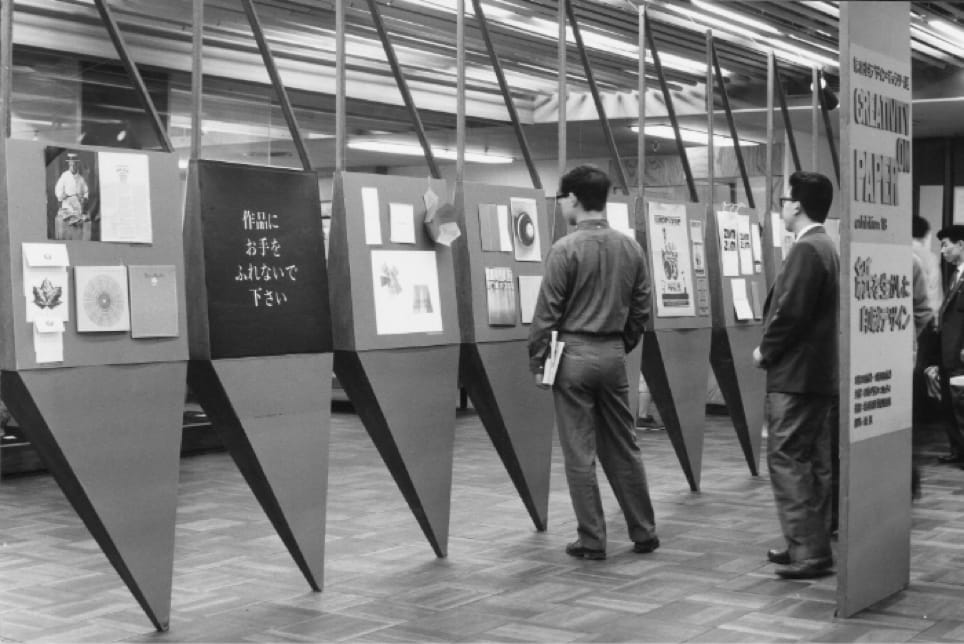
In 1965, the company held the first Takeo Paper show in Ginza’s Matsuya department store, promoting their materials to general consumers and specialists alike. From 1989, the show evolved into TAKEO PAPER WORLD, working in direct collaboration with designers to produce exhibits to demonstrate the properties of Takeo’s paper products.
In 2000, Takeo invited Kenya Hara, director of influential studio Nippon Design Center, to produce their centenary anniversary exhibition. The result was ReDesign, a groundbreaking installment of the Takeo Paper Show which invited 32 leading creatives to rethink everyday objects such as Matches, Toilet Paper, and Tea Bags. Participants included product designer Naoto Fukasawa, architects Shigeru Ban and Kengo Kuma, graphic designers Shin Sobue and Ikko Tanaka, and fashion designer Kosuke Tsumura.
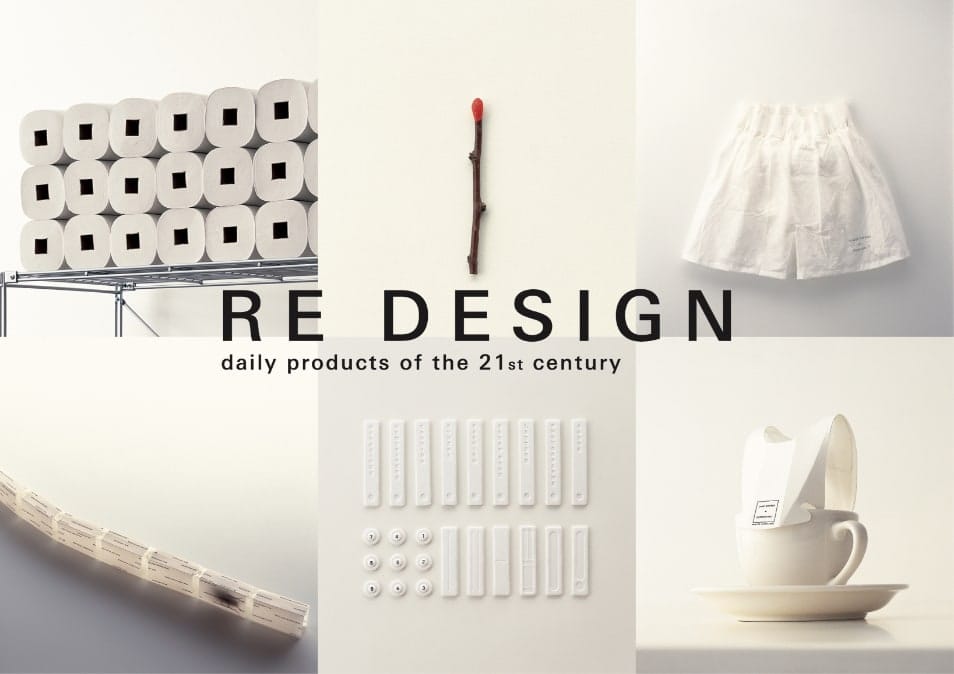
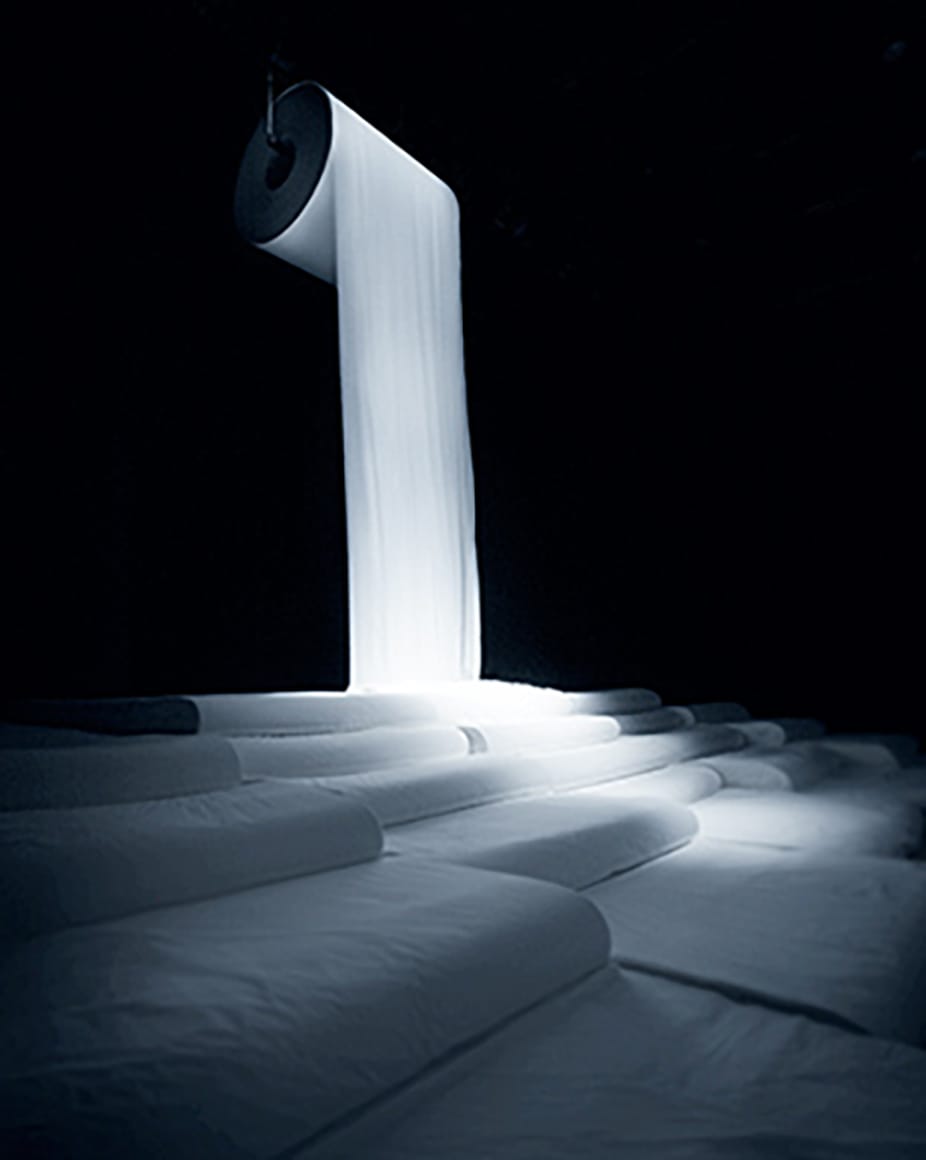
The exhibition went on to tour across the U.K., Denmark, Canada, and China, influencing designers throughout the world. Hara would go on to direct four more exhibitions for Takeo, each one expanding a single concept– HAPTIC, SUBTLE, FILING, and PACKAGING– into new and unexpected forms. Subsequent exhibitions such as PROTO-, HON, and PRECISION continued the format, curating a selection of emerging and established talents to rethink the paper.
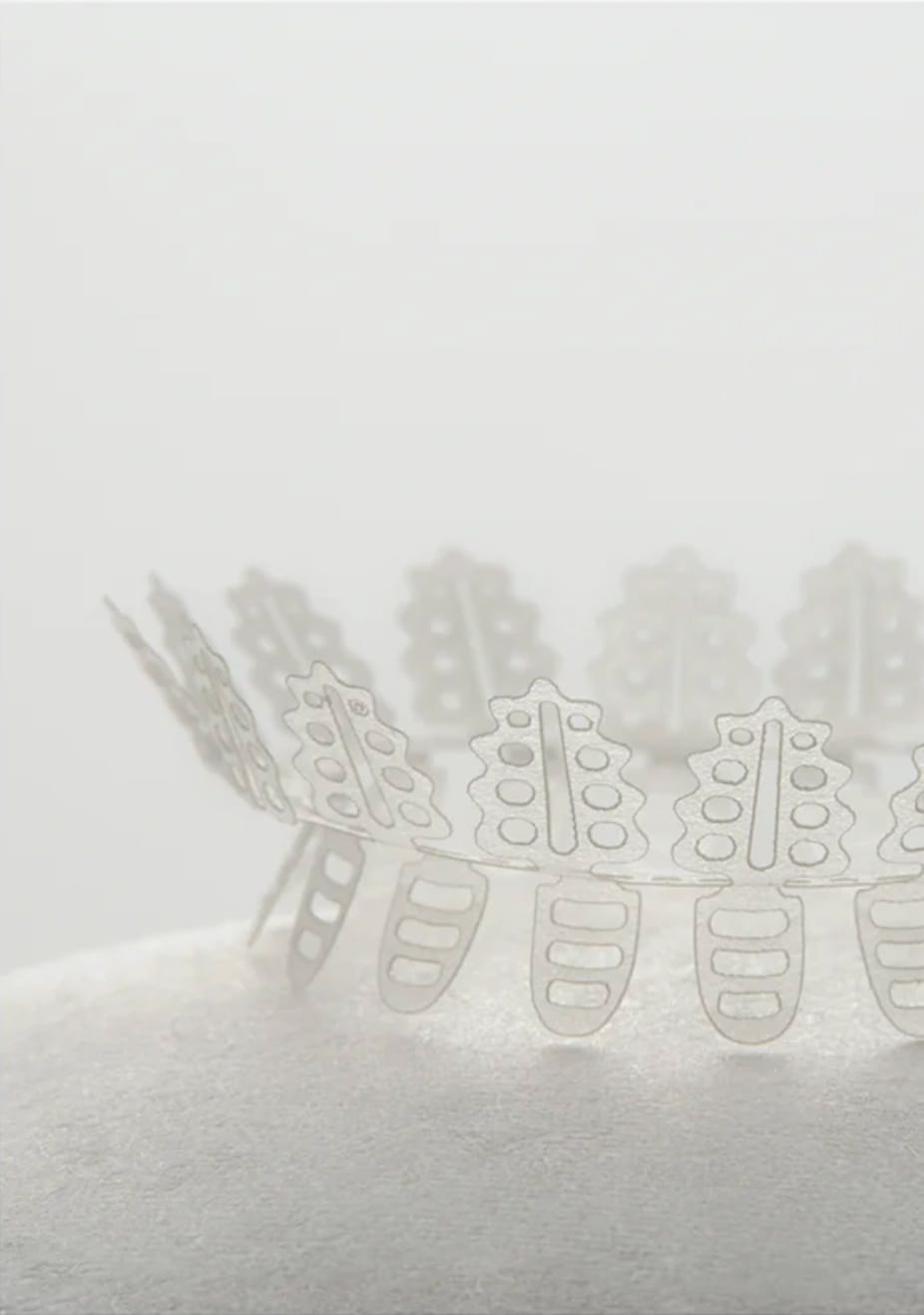
©Takeo Co., Ltd.
Over the last 70 years, the show has become a hotbed of experimentation, catalyzing generations of creatives to reconsider and redefine the meaning of an everyday material. The exhibition’s 50th installment will be held at Kanda Square Hall from the 17th–25th of October, and will explore paper’s role in celebration and gratitude. You can find out more about the exhibition on the official website.