According to the western gaming consensus of the mid 1990s at large, Sega’s iconically titled Sega Saturn failed by all accounts. Sony’s miracle machine the PlayStation succeeded at producing smoother 3D graphics over the Saturn, which was still totally novel at the time, and providing game hungry individuals with a comparatively robust library that ran the gamut from RPGs to action games, platformers, and beyond. Perhaps the average Japanese game player of the era would also ultimately agree that Sony offered greater yields for the expensive hobby of video games but insist that Sega put up a real fight; Perhaps NiGHTS Into Dreams failed to bloom into a phenomenon, but Sakura Wars with its bishojo game and anime informed sensibilities did. In fact, from the perspective of a “capital o” Otaku, the Sega Saturn served you well with the amount of dating simulators and anime-based visual novels and other games on the console, many of which existing as semi-canon original excursions created in part by a show’s original staff!
OG anime fans willing to learn Japanese could find themselves reacquainted with some old favorites, and fill in a few canonical gaps, if they put in the work! Here’s a few examples as reasons for why they should!
Slayers Royal 1 & 2
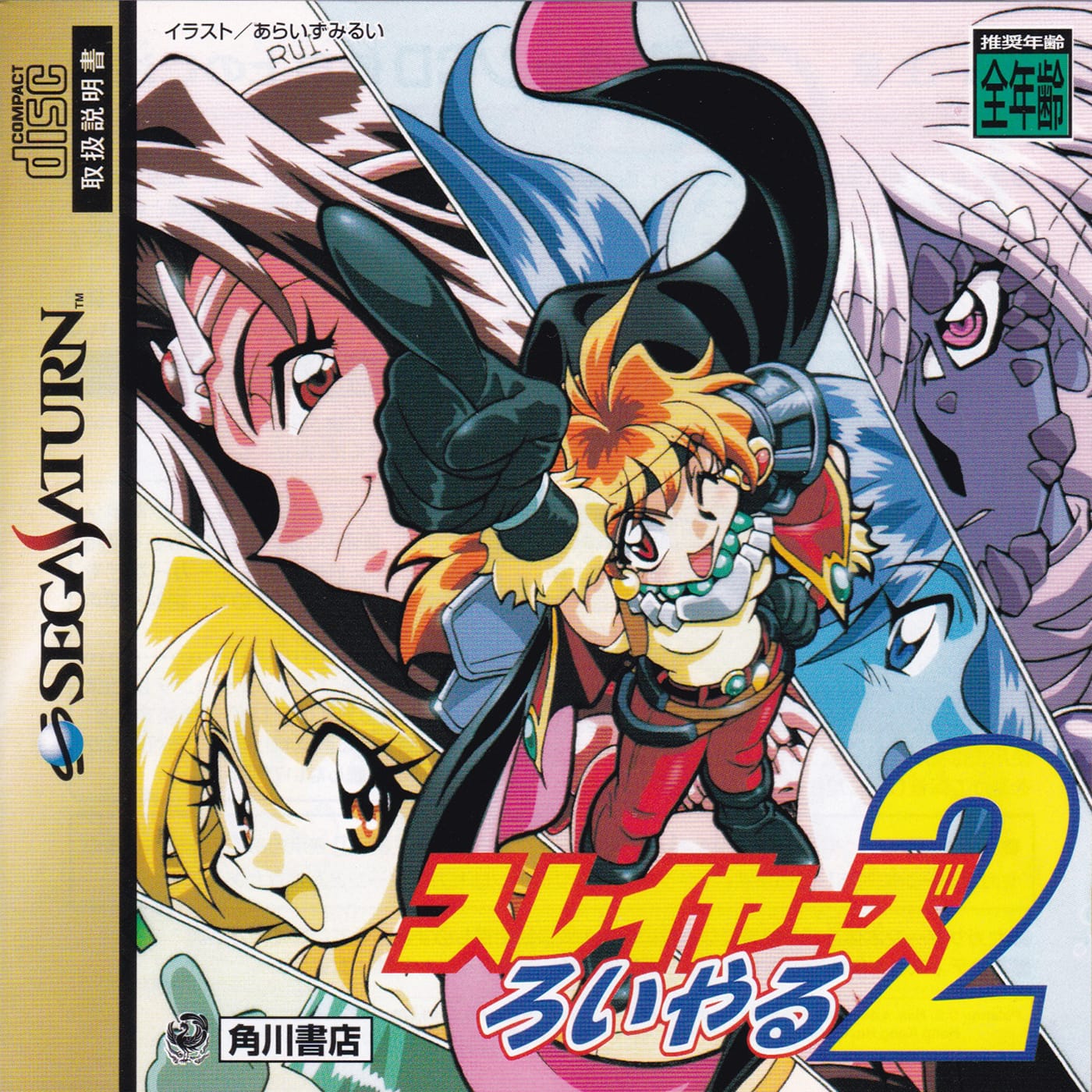
The Slayers Royal duology, developed by the short lived Onion Egg, satisfied one dream that a generation of Lina Inverse lovers yearned to see; Gourry, Amelia, and Zelgadis, Lina’s default DND party in the various Slayers TV anime, finally coming face to face with anime’s most obnoxious ‘hime laughing’ individual Naga The Serpent, Lina’s partner in her early days who features in the series’ numerous movies and OVAs. Beyond the welcome fanservice, this pair of Sega Saturn classics features a mix of Final Fantasy Tactics style battles and classic adventure game narrative, complete with original FMVs and the landmark Japanese voice cast, lead by the one and only Megumi Hayashibara who may appear again later in this article.
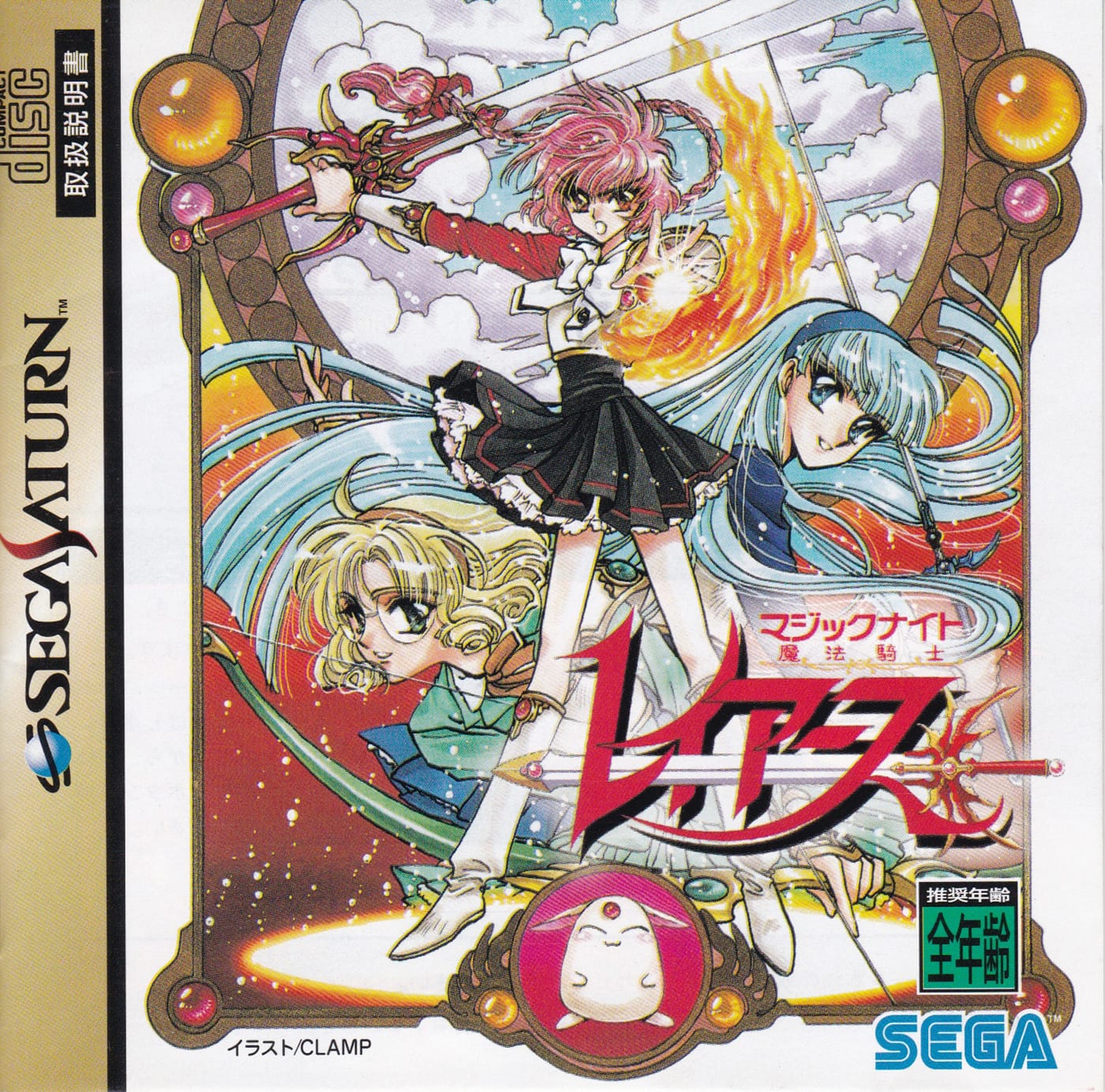
Magic Knight Rayearth
©CLAMP・Kodansha・Yomiuri TV・Dentsu・TMS ©Sega Enterprises, LTD.
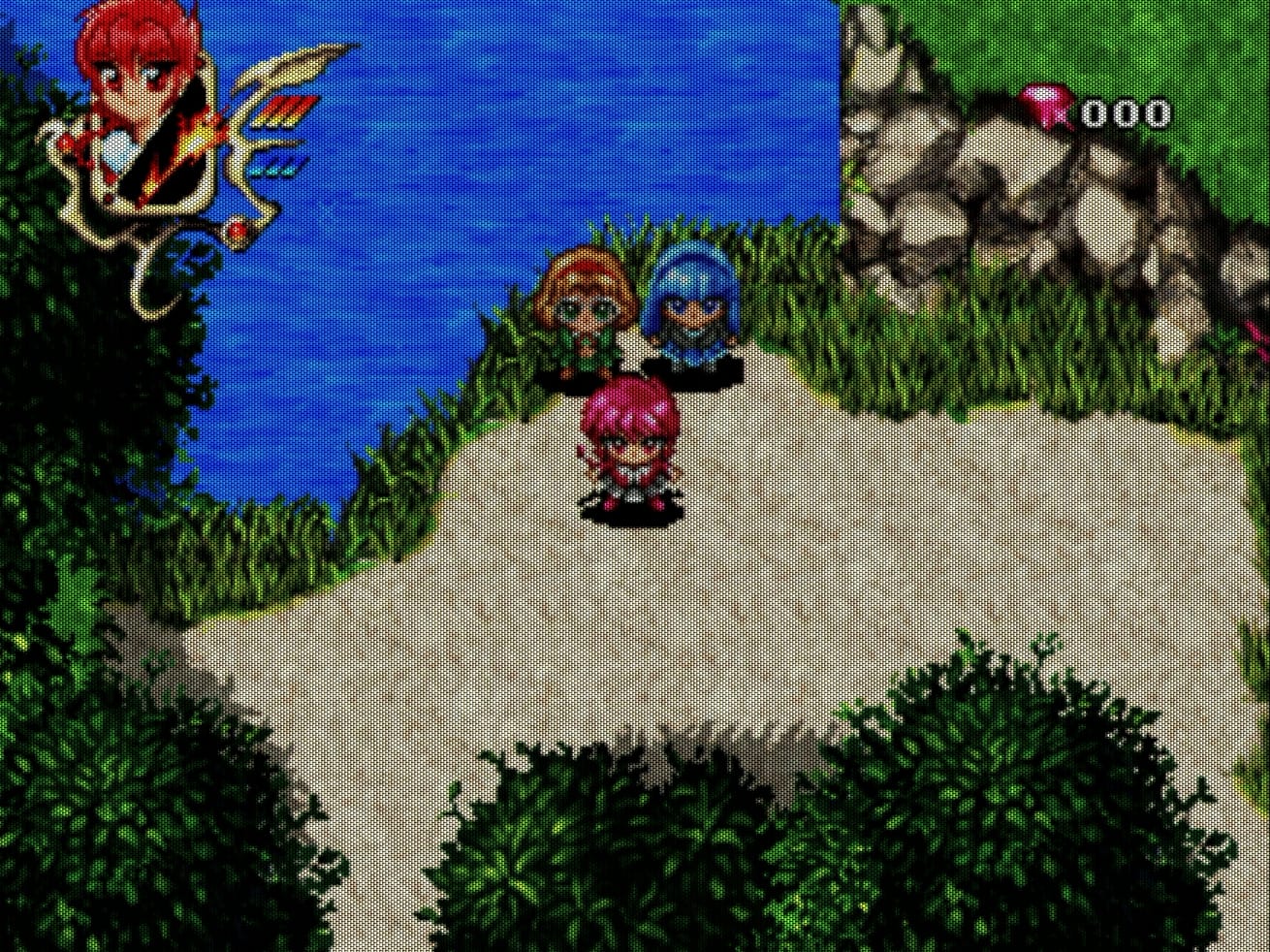
Based on the soon to be reanimated classic shojo fantasy manga by CLAMP and developed in house at Sega by the great late Sega artist and Phantasy Star IV director Rieko Kodama, this game gets mentioned often as one of the true masterpieces of the Sega Saturn, likely played by many who maintain no strong awareness of the Magic Knight Rayearth anime or manga. Today the top down perspective and weapon system push this game into the “Zelda-like” category, but don’t confuse it for some pale imitation of A Link To This Past; Magic Knight Rayearth offers gorgeous pixel art a true level evolved from what the SNES and Genesis could offer, with lived-in JRPG towns and a fully voiced fun retelling of the series that works for fans and newcomers alike!
Martian Successor Nadesico: The Blank Of Three Years

©Xebec / “Nadesico” Production Committee・TV Tokyo ©Sega Enterprises, LTD.
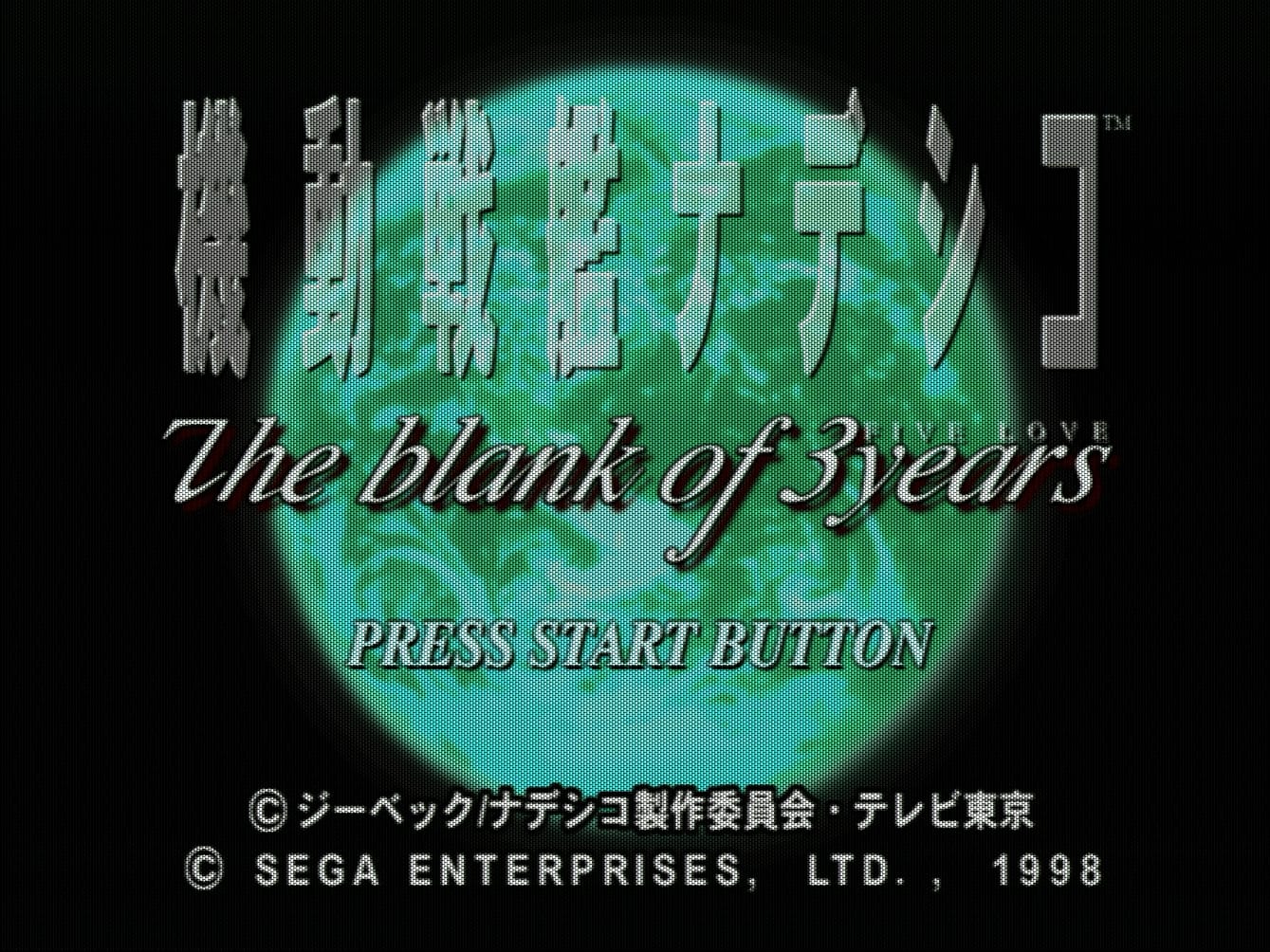
Martian Successor Nadesico: The Blank Of Three Years may be the most necessary game to play on this list for fans of its respective series, as this Nadesico indeed can call itself a fully canonical entry which takes place after the end of the originally TV anime, literally filling in the blanks between it and the film Martian Successor Nadesico: The Motion Picture – Prince of Darkness. Released on the Sega Saturn just two months after the film hit theaters in 1998, its the de facto season 2 of the series that the creators, for whatever reason, couldn’t move forward with in lieu of the film. Those who’ve seen the series and the film know that Prince of Darkness alienated audiences, opening them into a dark, deep end, a world away from the original series both in tone but also regarding where the film starts and its notable absence of the TV anime’s leading couple. The Blank Of Three Years remains a necessary piece of the puzzle English speaking audiences never got.
Neon Genesis Evangelion: Girlfriend Of Steel
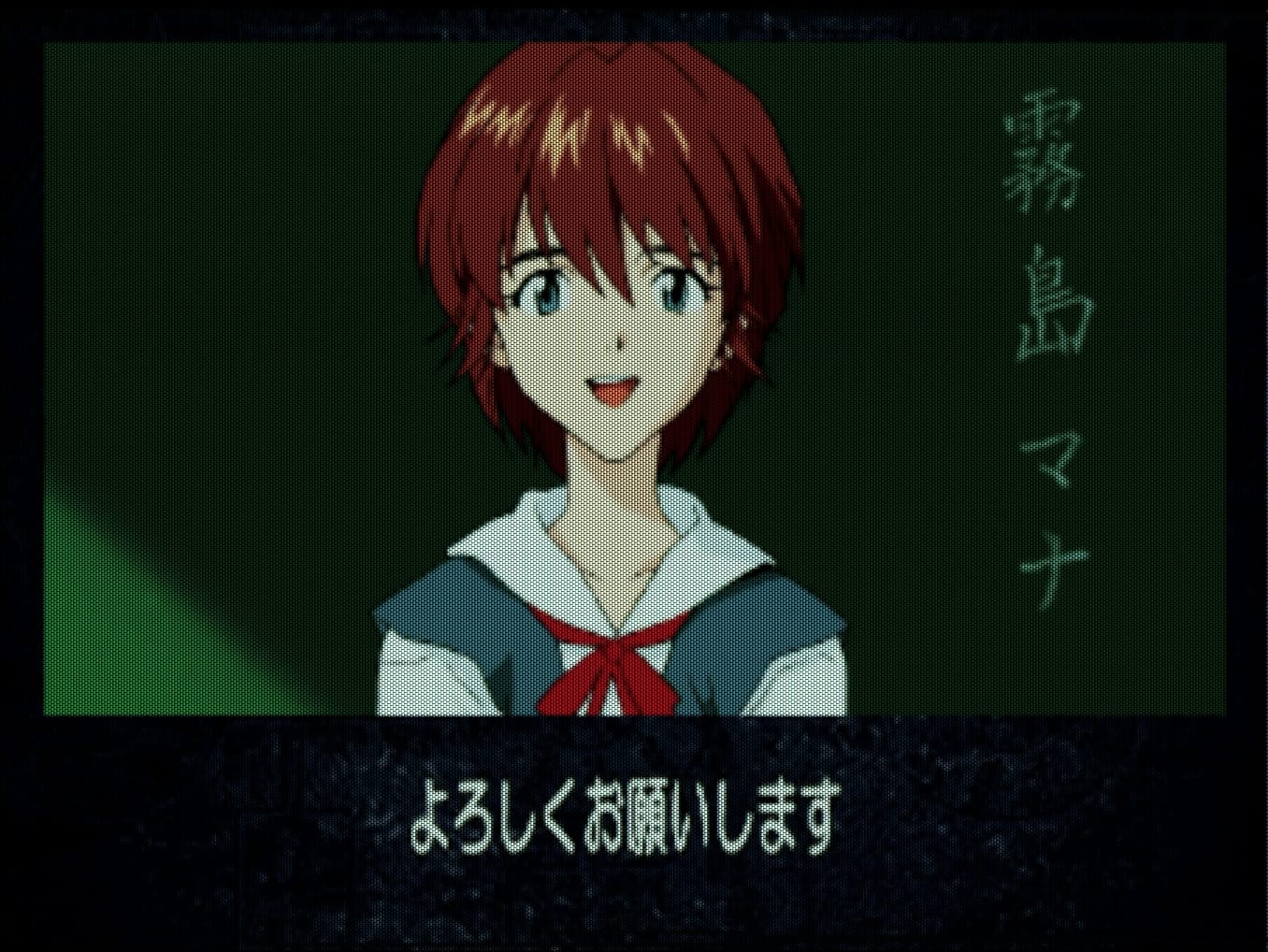
©GAINAX / Project Eva・TV Tokyo
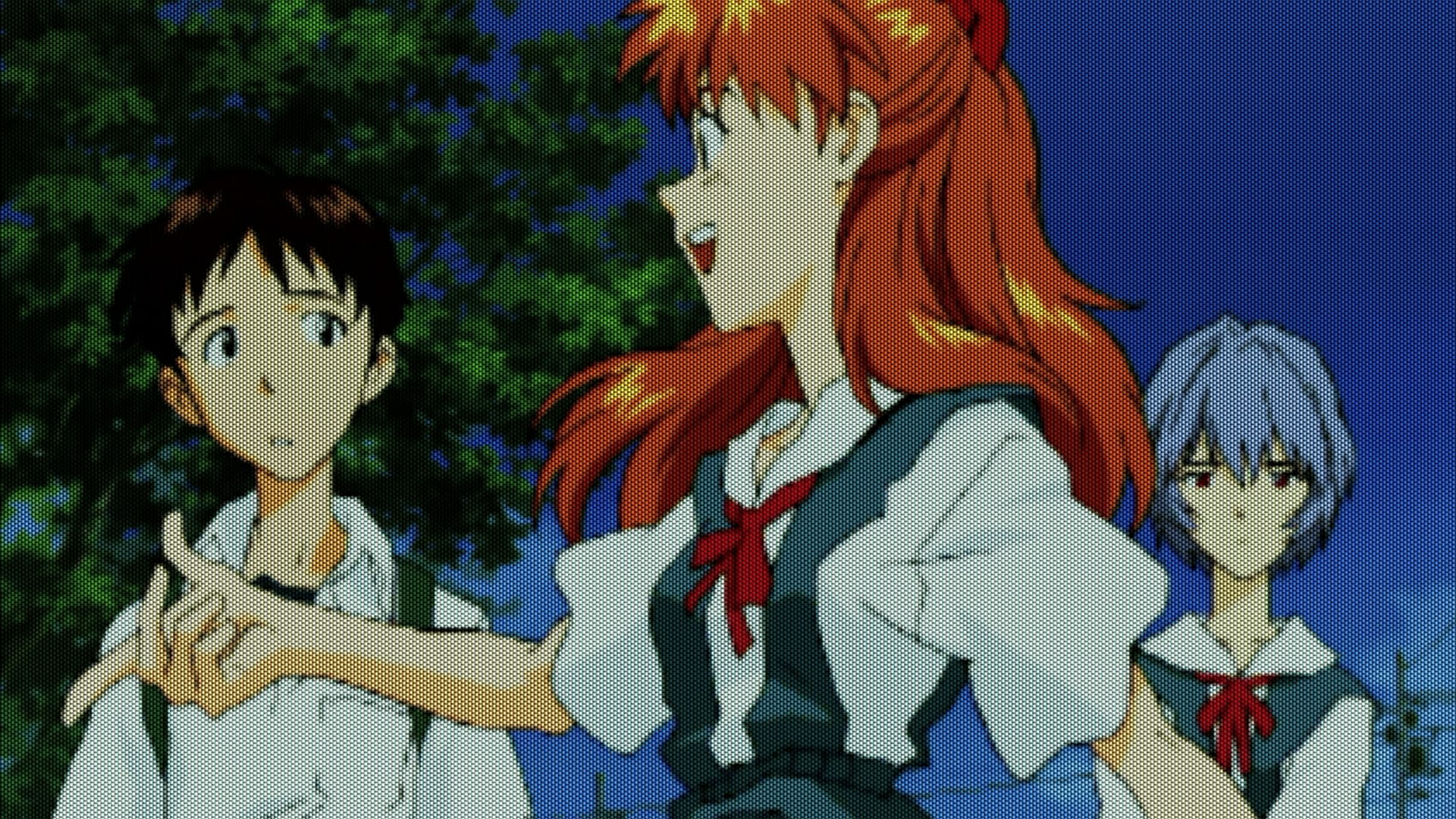
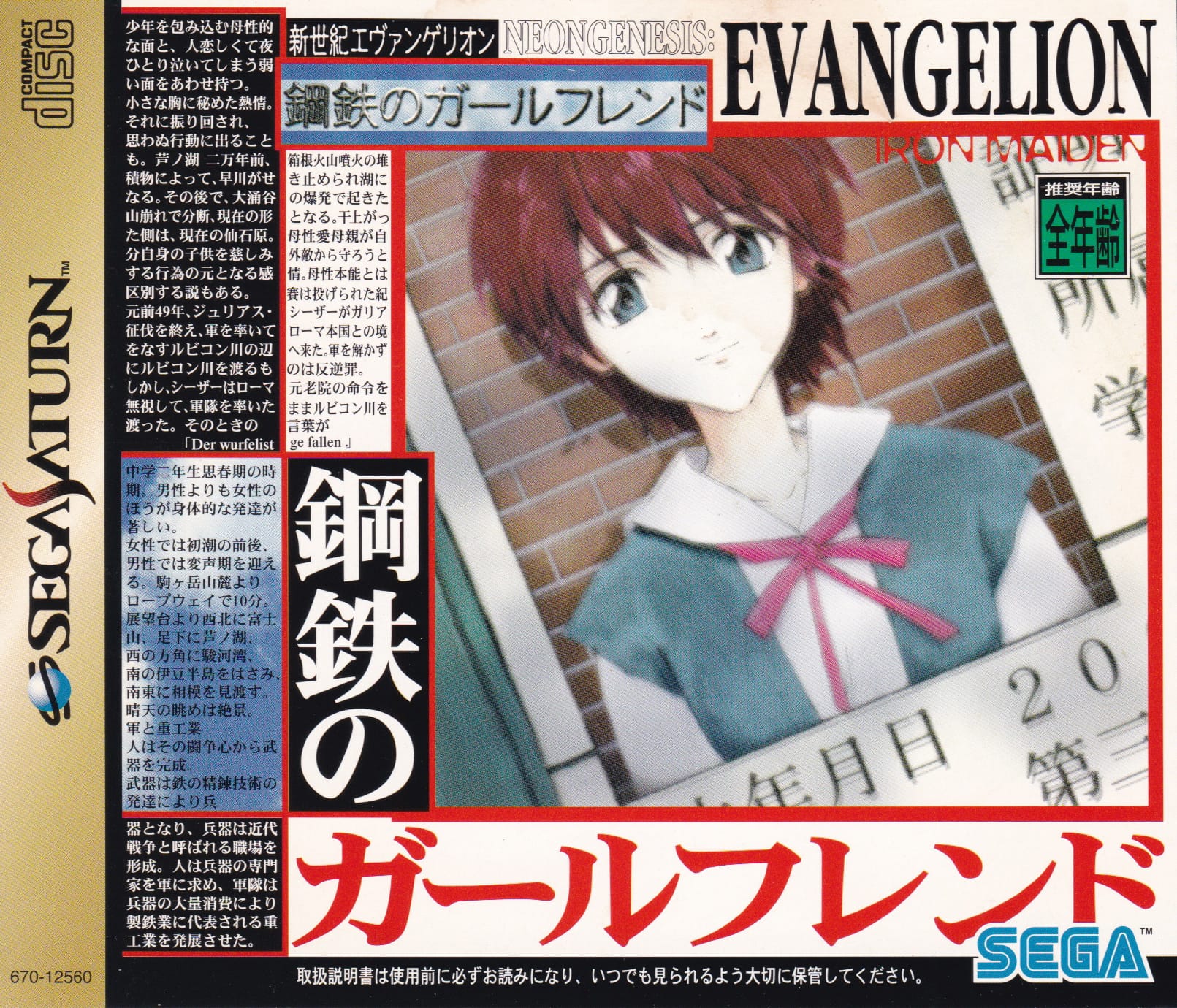
Sega’s little console that could had a few Evangelion branded experiences released onto its discs, which checks out seeing as Sega had a financial stake in the franchise from the getgo. The Girlfriend Of Steel visual novel remains in the conversation for a few reasons, namely for being developed in house at Gainax, the aforementioned Megumi Hayashibara, already a Neon Genesis Evangelion Star, lending her voice talents to the mysterious girl on the game cover Mana Kirishima, and for its semi-canonical nature. Not that it directly takes place within the confines of the original series or the Rebuild Tetralogy, but as Hideaki Anno says Evangelion Is A Story That Repeats, and Girlfriend Of Steel can be read as a valid permutation of the story. At the very least, the fact that it has been multiple times ported and remastered over the years warrants it some attention.
Revolutionary Girl Utena: Story of the Someday Revolution
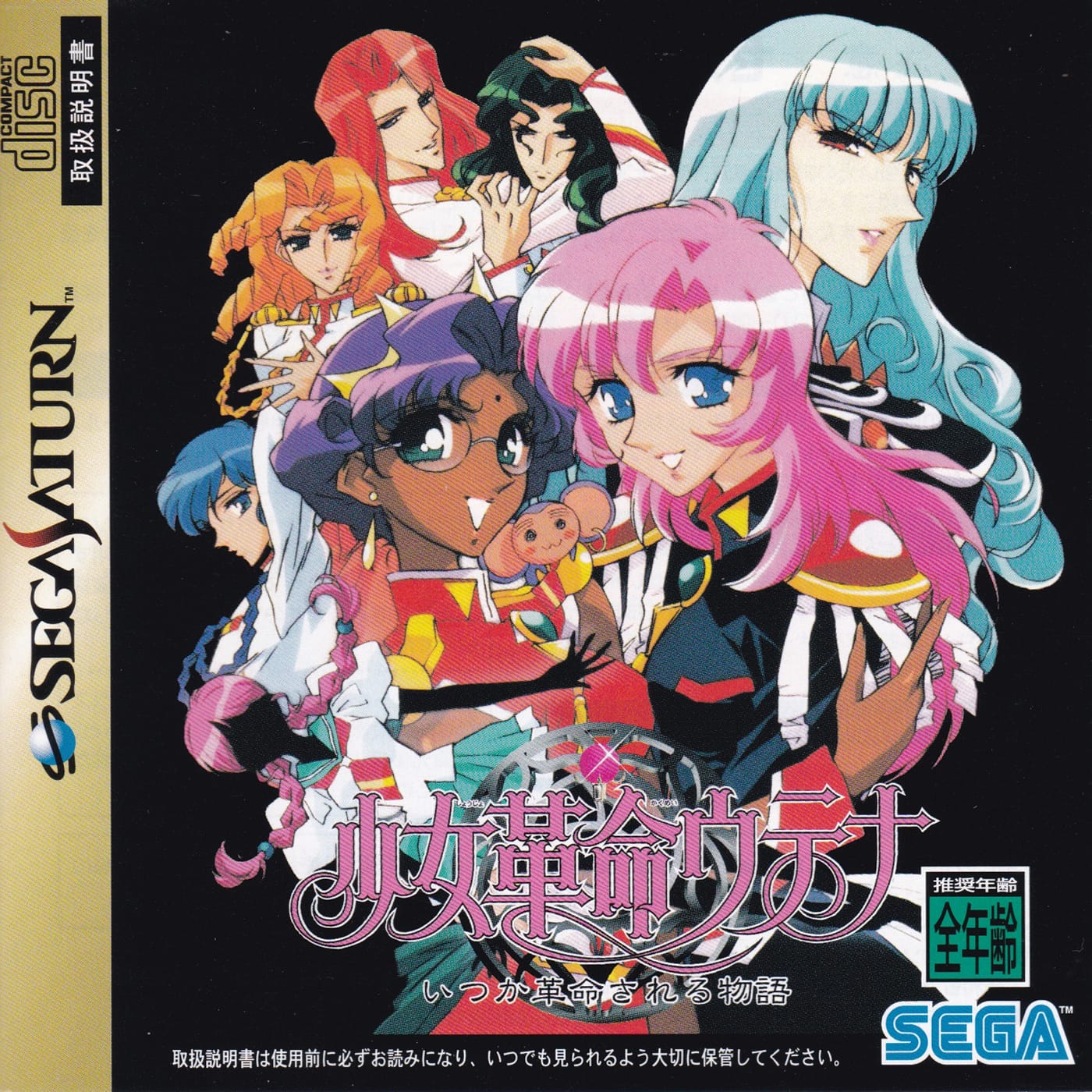
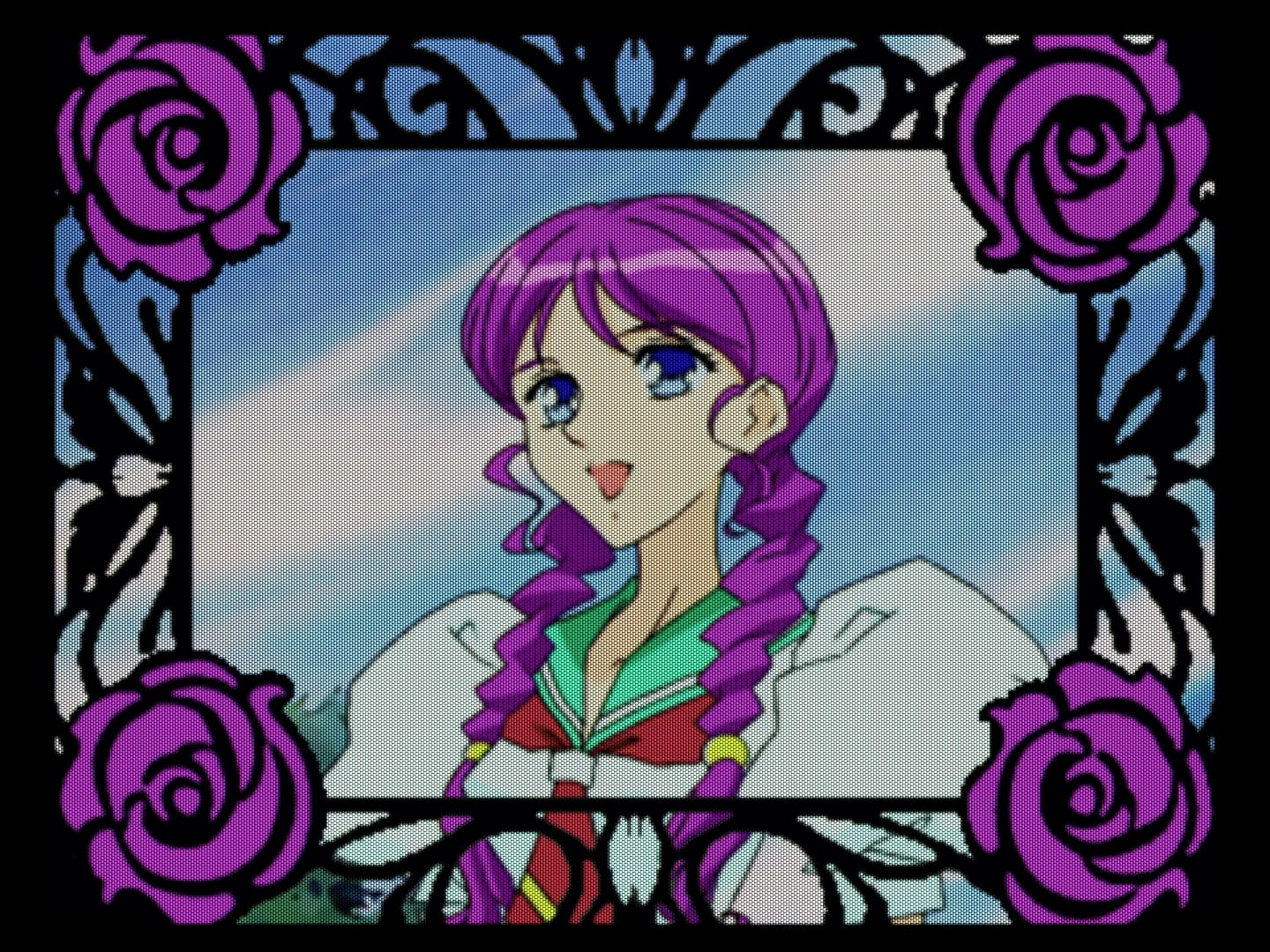
©Be-Papas・Chiho Saito / Shogakukan・“Shojo Kakumei” Production Committee・TV Tokyo ©Sega Enterprises, LTD.
Developed collaboratively between Sega itself and Micro Cabin Corp, a studio whose licensed efforts over the years include playable iterations of Maison Ikkoku and Kimagure Orange Road, Story of the Someday Revolution proves to be an authentic Utena visual novel experience with the anime’s voice cast returning and some animations being produced for the work. Here, the player assumes the role of an original character thrust into the machinations of Ohtori Academy and its dueling student council. Branching paths with a variety of endings, plenty of illustrations, you too can become a black rose duelist!
For those not yet convinced, the Sega Saturn also commands in its library a handful of Tenchi Muyo! Releases so what are you waiting for?