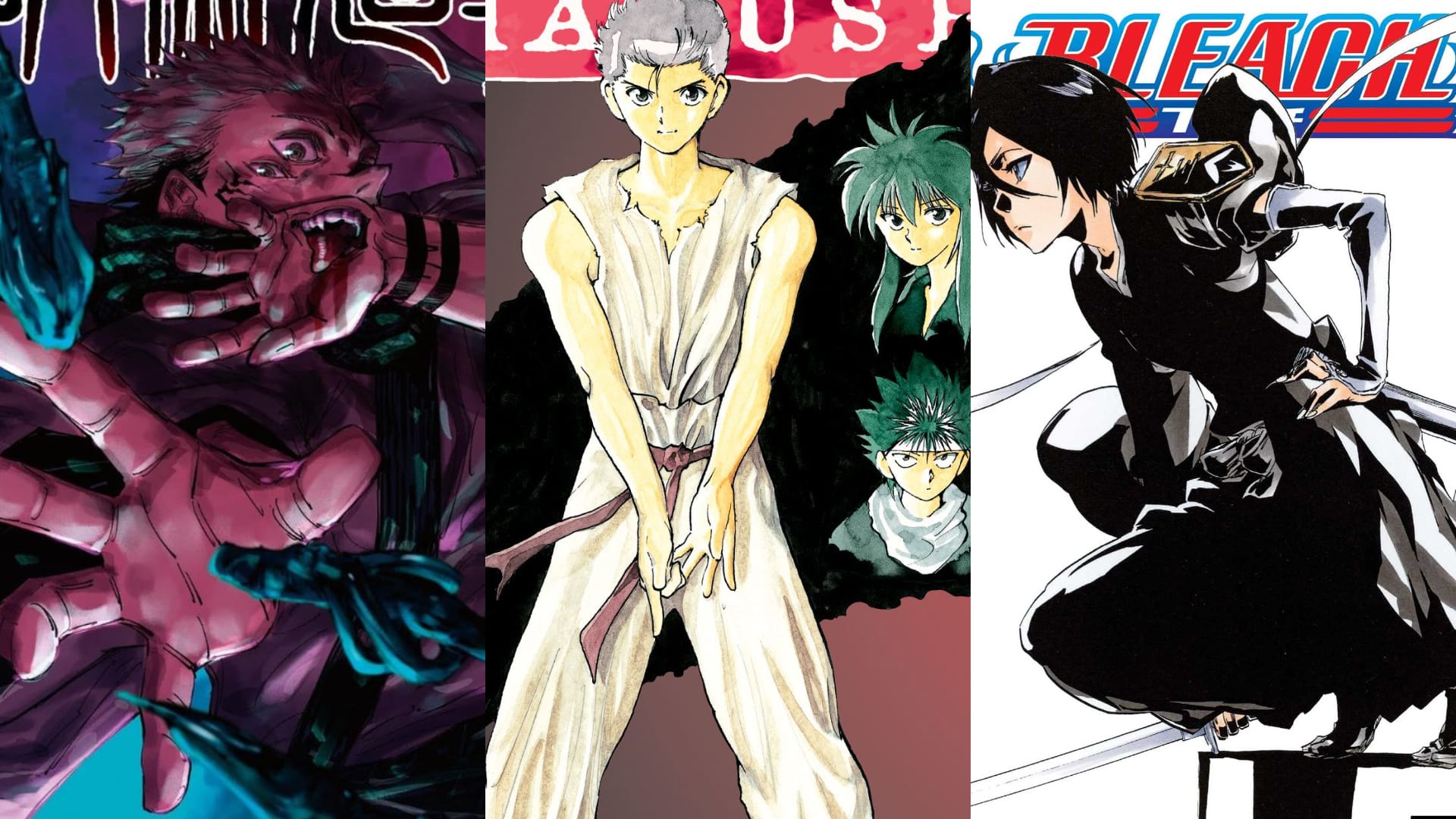
Crack open any given Shonen Jump manga and see if the below description holds true.
A bright eyed young adult male in some kind of fantastical world wants to protect what’s precious to him and, through whatever strength or “powers” he may possess” engages in a series of battles of those who invite danger and unrest to his friends, family, community, or eventually his world. Likely to win his first few battles after some trial and error, receiving more than a few lumps in the process, an enemy that ultimately overpowers a plucky protagonist enters the free, causing the do-gooder warrior to retreat and engage in some kind of training or obtain some new skill or item that becomes a minor, or even major, arc of his story leaving him with not just new strength but perhaps even wisdom and character development. With a protagonist’s newfound abilities, he eventually throttles the formally more powerful enemy and heads towards his next challenge, often as the saying goes with the friends he made along the way.
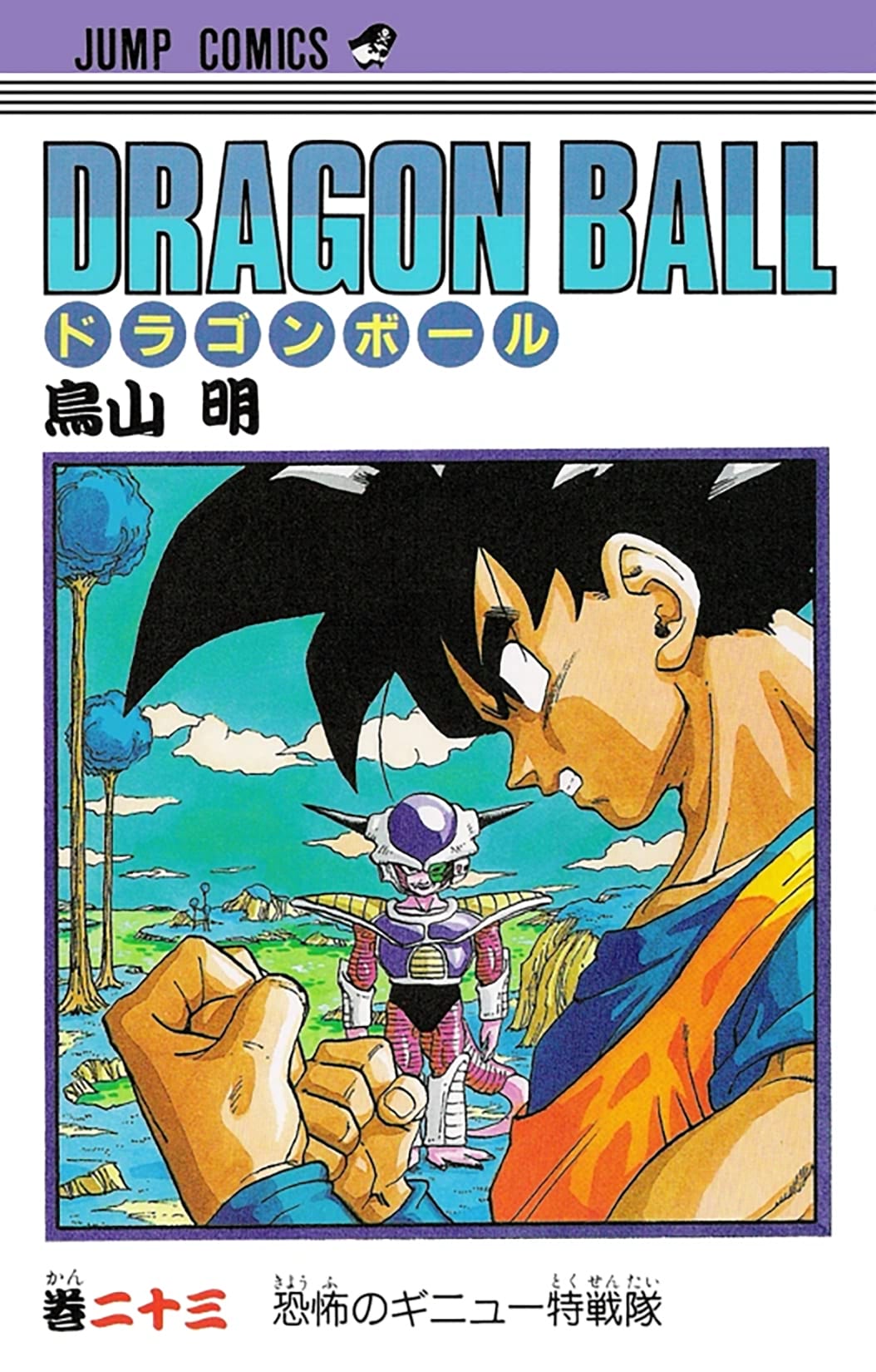
The above description could be called a summary of what fans pithily call “The Shonen Jump Formula," a sort of basic template crystalized by Akira Toriyama’s seminal Dragon Ball usable by aspiring manga authors to mold their own characters, settings, and stories into a weekly serialization that, if fan demand and the Shonen Jump editorial both deemed necessary, could easily scaffold into years of weekly chapters for the biggest IP generator in anime and manga. Dragon Ball’s Goku goes through this loop several times in his life, from King Piccolo to Frieza to Buu, and in emulating Goku’s path so does Naruto through the chuunin exams, Luffy while figuring out the depths of first his rubber based abilities and then his Haki powers, amongst myriad other instances. A manga author can edit the malleable Shonen Jump formula to their needs, though manga that more or less sticks to its key tenants usually remains straight forward and, at the end of the day, optimistic. This said, Shonen Jump battle manga alone offers more than just Toriyama’s revolutionary 1+1=2 progression formula.
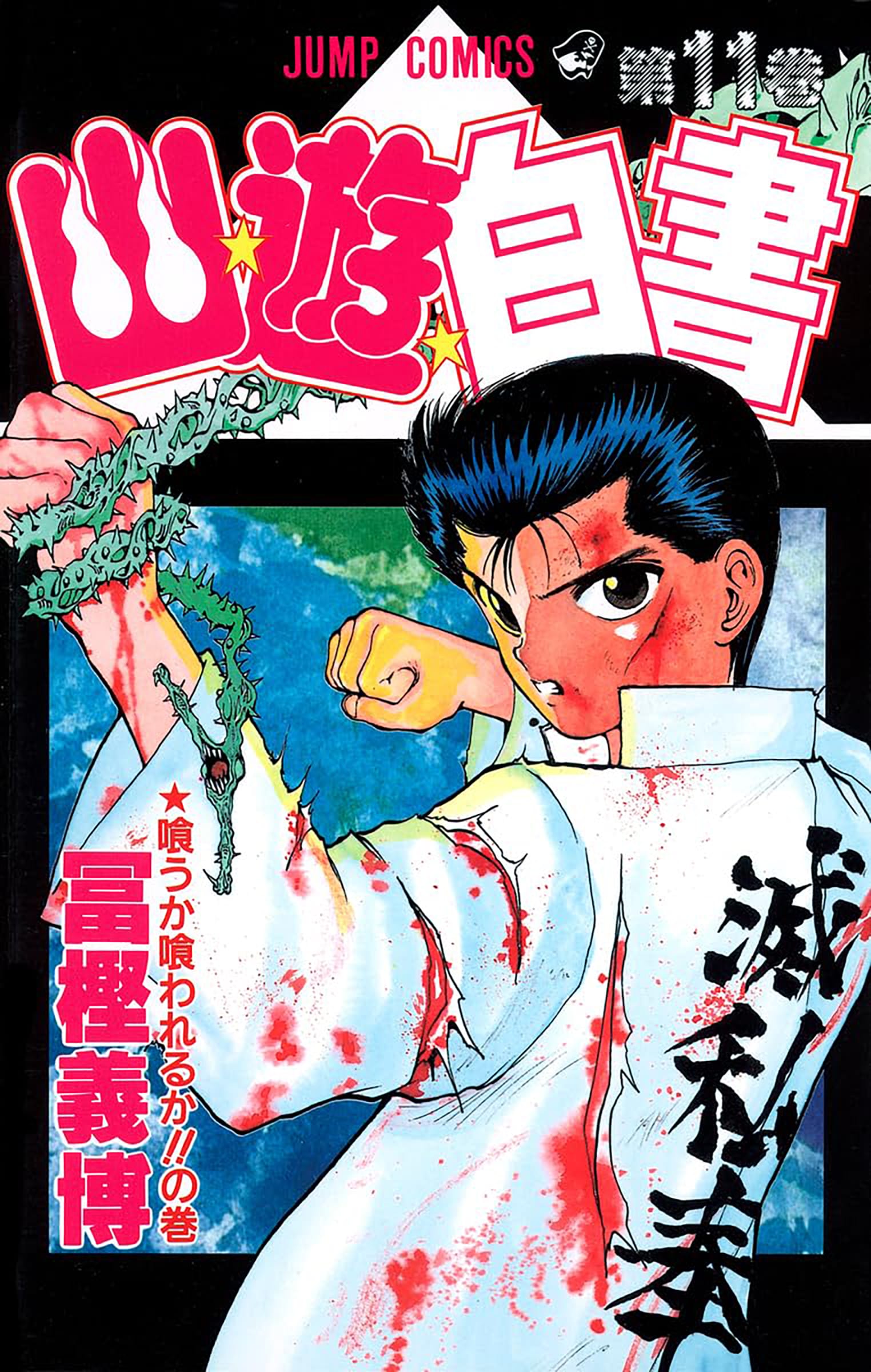
Looking through the totality of the magazine’s history and which seminal authors' influences could be found in which younger author’s newer hit series, perhaps no single author meditated on battles more deeply & creatively than Yoshihiro Togashi, the genius with two omega level hits to his name. Yu Yu Hakusho and Hunter x Hunter both defined generations of Jump readers and anime watchers, neither ever disappearing from the public consciousness at large, even when the former wrapped up 30 years ago and the latter only sporadically gets new chapters on occasion (though more frequently in the last couple years than the previous ten!) While one could not count the number of hearts Togashi captivated, his influence amongst then future Jump manga authors also can’t be understated; If Akira Toriyama and the formula he perfected remains the gold standard for shonen jump series being addictive and inspiration, Togashi darker and more contemplative path showed the world just how intense, artistic, and intentional shonen manga could become.
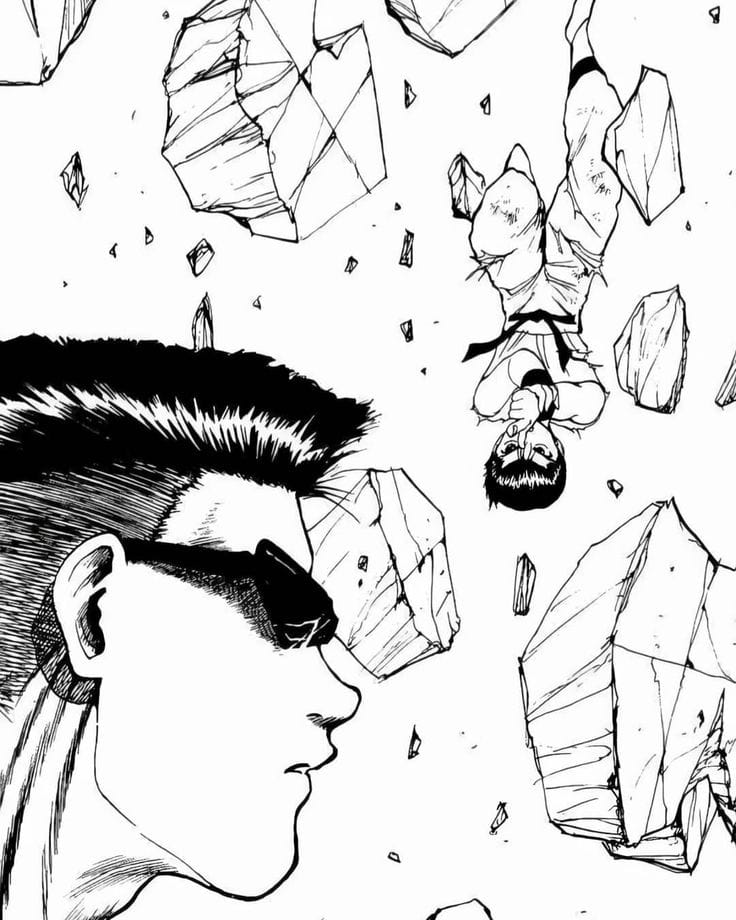
In Yu Yu Hakusho Togashi begins to hone his craft; Taking a couple characters from “real life,” throwing in a few paranormal elements, and eventually throwing a central cast into a series of consecutive battles to survive and accomplish xyz goal. One can see a link to Dragon Ball here of course, but as the series goes on even with so called “power scaling” elements at play, Togashi depicts more cunning, ingenuity, and grit in his battles over brute contests of strength and overwhelming abilities alone. By the time Togashi gets to serializing Hunter x Hunter, his interests clearly lay in crafting combat scenarios and systems that adhere to strict rules, with the majority of “training” in the series more relating to further understanding and utilizing the Nen combat system as opposed to simply “becoming stronger” or obtaining new forms & attacks. While traditional leveling up does still occur, Togashi always accompanies those instances with an essay’s worth of explanation.
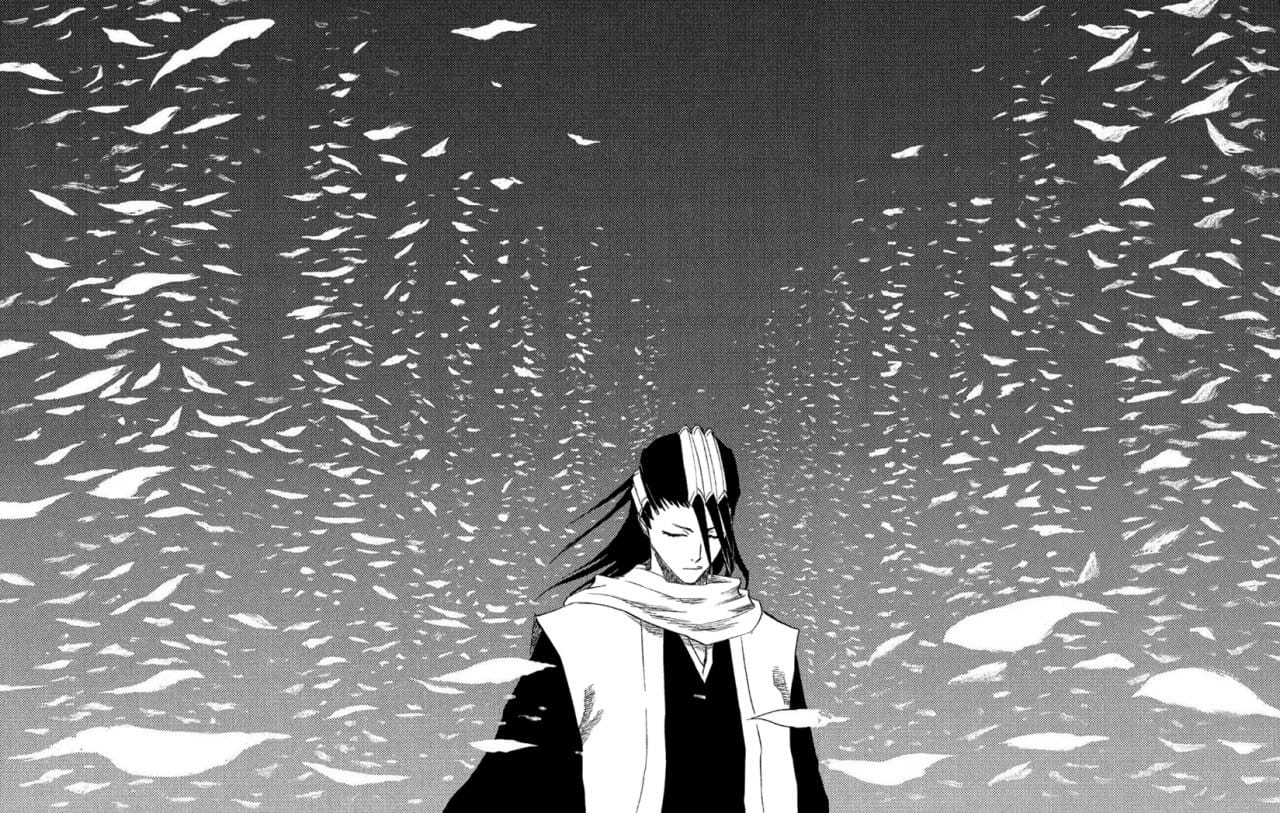
Bleach found itself in its early days in the exact same starting position as Yu Yu Hakusho; A somewhat delinquent teenager named Ichigo finds himself through some paranormal circumstances awakening some spiritual fighting ability which gets tested time and again by an assortment of baddies, evolving into new configurations any number of times along the way. Make no mistake, Tite Kubo’s Bleach concerns itself with battle first and foremost, even to the detriment of character and storytelling as the series goes on. Where Togashi gets into the how of battle, Kubo’s interests particularly lay in pushing artful battle manga depiction. With sweeping ink on the page materializing Kubo’s imagination for battle in the form of “Bankai” unveiled and put to task , Kubo penned up one outlandish battle after the next always with masterful dynamic page composition that ingeniously played with the balance of black and white space. Where Bleach lost out to the other members of the big three in resonance and longevity, it won the style competition hands down.
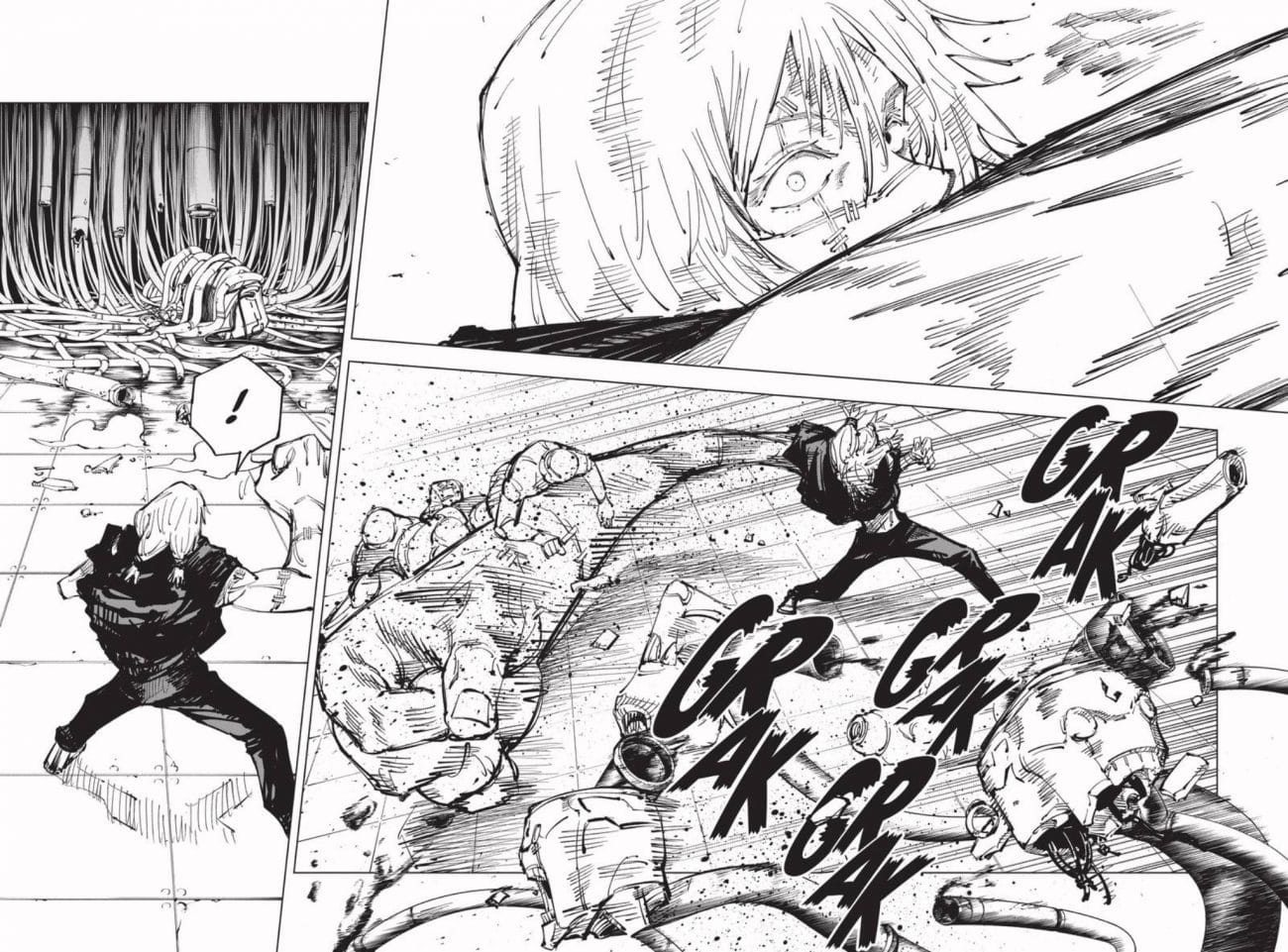
Jujutsu Kaisen creator Gege Akutami admits to both Hunter x Hunter and Bleach being amongst their most chief influences, continuing to great success the alternate Shonen Jump lineage formalized through the works of Togashi. Sharing a similar set up to both Yu Yu Hakusho and Bleach, Shonen Jump’s biggest hit of the 2020s takes place in modern day Japan and revolves around young people one might find in any Tokyo high school coming into an otherworldly power system and rather dark conflict of their very own. The similarities extend further than the capital P plot however as Akutami’s striking battle sequences proved to be one of the myriad reasons Jujutsu Kaisen captivated so many, and these owe a debt to both of their influences; Akutami’s intensities in the line work and taste for the depiction of facial expression remain his own but certainly one can feel Tite Kubo through them, and no doubting Jujutsu Kaisen takes after the Yoshihiro Togashi school of imagining rigorous, complex power systems and rigidly sticking to them.

One could argue Gege Akutami adds a new innovation to the legacy of all battle manga in the form of Satoru Gojo; Beyond just being a charismatic fan favorite, Gojo exists as a definitively known “strongest person in the world” quantity from the start of Jujutsu Kaisen, whose mere presence in the world of the comic directly influences the planning and execution of any given character or faction, enemy or ally, in the series. While Toriyama’s Goku has to prove himself to be unbeatable time and again each time a new enemy arises, Akutami continuing a Togashi created and Kubo fortified lineage outside the mainline Shonen Jump Formula asks what does a battle series look like when a predetermined strongest dude already exists and it's not even the protagonist.