There’s no linear path that takes you from music group to a long-running rap/dance/turf war franchise to the Sengoku period. The HiGH & LOW series, however, is a malleable one, the product of dance-focused music group Exile Tribe’s star vehicle that has expanded from their on-stage performances to a movie series, the stage and more. It’s even spread beyond the group to become a franchise that stands beyond the agency and idols that pioneered it, thanks to how its modern styling and storytelling within its musical charms.
Yet somehow, it’s when the story goes back, further back, to the era of samurai that only further codifies the gangs and turf and characters within it against parallels of real life, that High & Low takes on a new meaning. In some ways, HiGH & LOW THE SENGOKU may be the most resonant version of this decade-old franchise to date.
The franchise originally began in 2015 with the TV drama HiGH & LOW: The Story of SWORD, and basically assumes the framework of a gang war with distinct groups looking for supremacy over the city. These groups are fictionalized with their own unique styles, musical and dance performance, and structure, inspired by the members of Exile Tribe, the LDH dance/music group for which the project was produced for and stars in all of its lead roles. Initially, there are five gangs, made up of members of the main group, with the Amamiya brothers attempting to reunite them.
These gangs are the Hoodlum Squad, White Rascals, Oya High School, Rude Boys and Daruma Ikka, each distinct in their own way (the White Rascals, for example, dress in white and run the nightlife, while the Oya High School crew are supposed to be high school delinquents), but they represent demographics, areas and identities within this universe. And this drove the franchise from its initial two-series TV show (with continuations) and no fewer than eight movies.
For the most part, these can be very entertaining. Certainly tied closely to their role as promotion for the group and actors that never allowed them to truly become their own thing, it’s more than just a thinly-veiled music video at the same time. With some later going on to earn acting careers on the back of it, you can understand in the more emotional sequences why that was the case. Effort did go into the scripts and particularly the action sequences, and for a multimedia experiment designed for PR it is able to embrace each medium and do something unique with it.
It was on stage, however, where the franchise was a bit more experimental. If it was Exile and sibling groups getting the push on TV and in movies, theater experimented with the form to see what this world, not its actors, were most capable of doing. Times when LDH and these artists experimented with the theatricality of the franchise during concerts, such as HiGH and LOW: The Live which featured cars and motorbike stunts during performances, felt like it embodied the rawness of the series within these theatrics. As the movies wound down in 2022, a Takarazuka Revue adaptation in 2022 titled HiGH & LOW -THE PREQUEL- took this a step further.
Removed from the stars the series was made for, the actors here are able to delve into the archetypes and take them further, freed from the real person the roles are supposed to highlight. Considering the larger-than-life gang battles underpinning the series anyhow, it arguably works better as a result.
While love can feature in the series in other entries, often fueling some of the battles, this is the most up-front with the idea that they fight not just for the area but the people they care for. In giving the characters to explicitly theater actors rather than the people they are supposed to be molded after, the roles had the freedom to transform. The asset and barrier to the High and Low series is that, because of its musical roots, the characters can’t stray too far from the original performer because the core fans in the series are more interested in the actor than the role. When this balance shifts, it can embrace the fiction of it all and benefits from it.
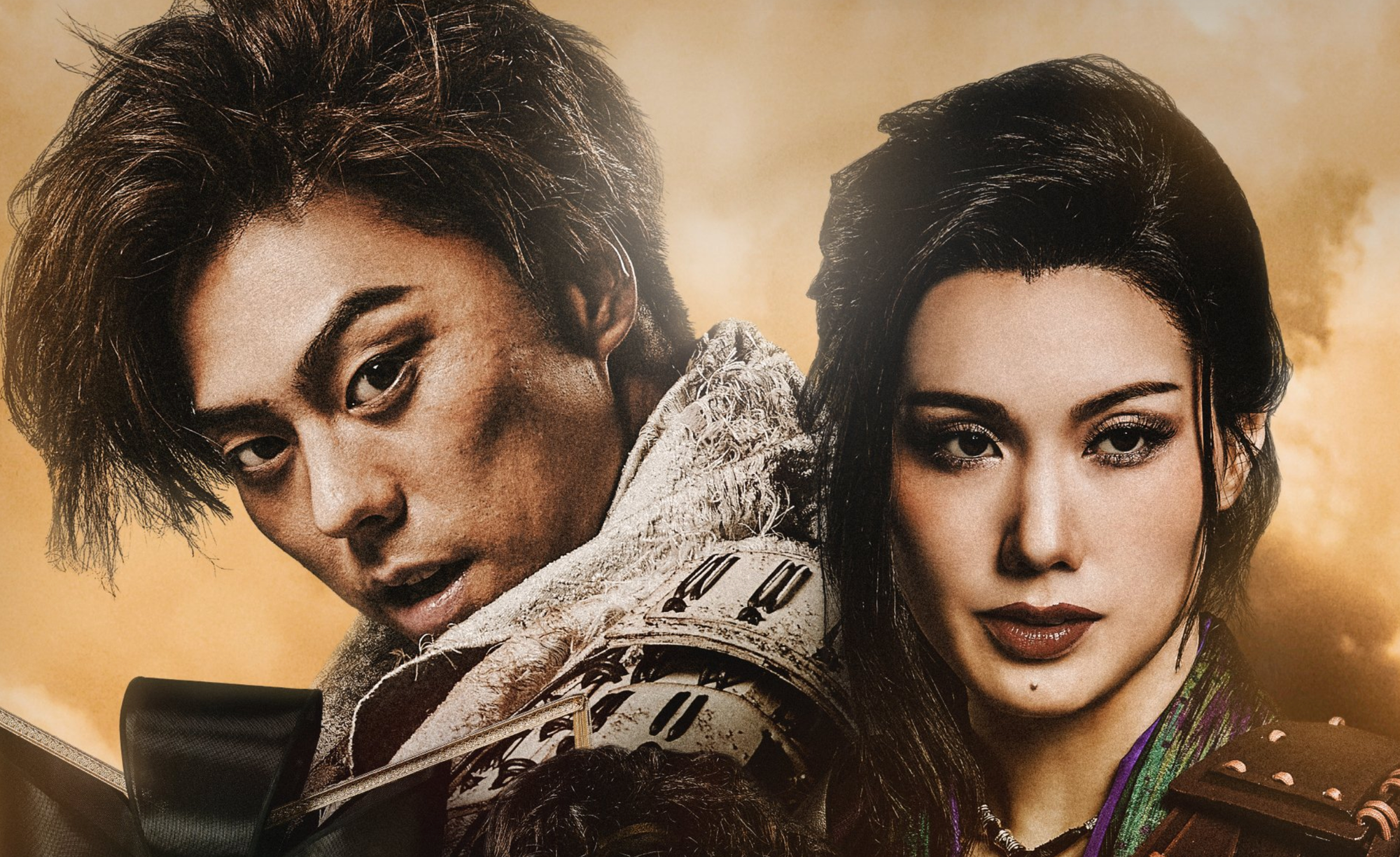
This is where its Sengoku reimagining is most attuned. This was a deliberate fusion of the Takarazuka Revue experiment and the original films, bringing in some current actors from the troupe to perform with current Exile members, directed by TEAM GENESIS, the dancing and creative unit at LDH Japan in charge of crafting choreography and vision for many of these grander multimedia projects. Essentially, this new show serves as a convenient merger of the two forms moreso than any other entry to date - the movies are explicit vehicles, while the Takarazuka Revue production is entirely filled by actors with only advisory involvement from the original creators.
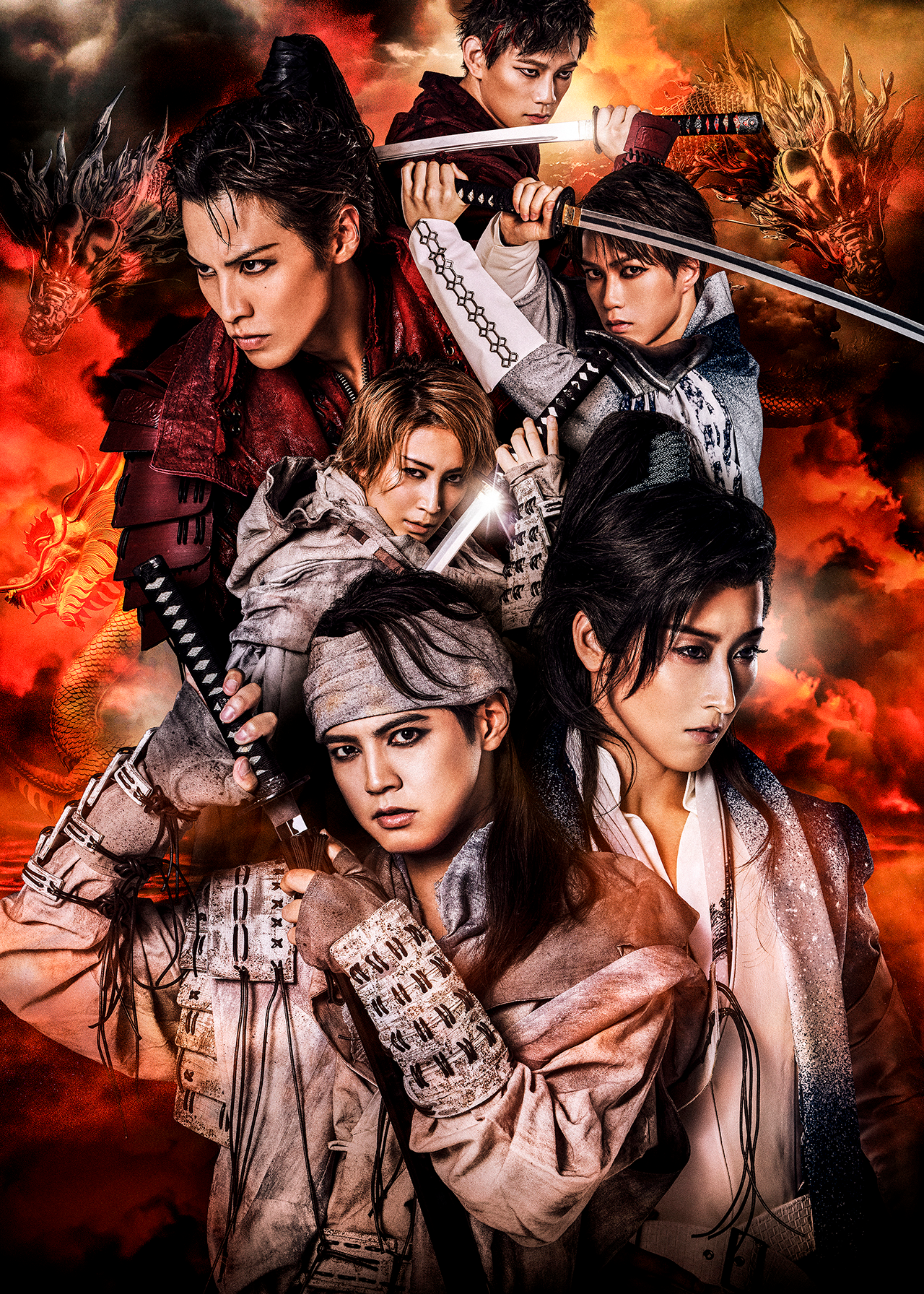
Rather than a town descended into factional gang warfare for five groups, we have five states in one area fighting for supremacy. Suwa State is seeking new land after their land has resorted to a desert-like state after once being abundant. Nogi State, by contrast, sits on the banks of the river. The other states, also centered on elements and location, each have rooted power and influences that overflow as each sees their ambitions for war and control overflow.
The roots in the original gangs inspiring each of these States remain, as does the structure of the world, but this historic setting liberated from the need to stick to the real lives of its actors or the familiar everyday of its audience, can relish excess in performance and action as it narrows on questions of why these people fight, and who it is all for. During the climax of the first movie, there’s an impressive action sequence featuring roughly 100 actors and extras rushing towards one another for one grand final fight, set against the hardened streets. But there’s something about a showdown between two leaders, powered up by non-diagetic rap and dance that feels attuned to the theatrics of swordfighting, that relishes in the audacity of a series.
Through this new setting, it also felt like the series allowed itself the chance to explore the desire to protect and love and fight in a new light. In Nogi State, led by Takarazuka Revue actress Minami Maito performing a male role, Kamisuzaki Yusui, and The Rampage’s Fujiwara Itsuki as Himekawa Genryu, comes a shared desire to protect that transcends into a mutual respect that borders on love as brother and perhaps more, a vulnerability that feels missing in other adaptations. The implication of desire and love here feels only possible in this setting and in theater, a franchise allowed to expand because of the medium and desire to create something new.
◥◣___________◢◤
— 舞台『HiGH&LOW THE 戦国 外伝』 (@HiGH_LOW_SG_ume) July 24, 2026
舞台『HiGH&LOW THE 戦国 外伝』
🔥🎥劇中曲「RAIDERS」舞台映像🎥🔥
◢◤ ̄ ̄ ̄ ̄ ̄ ̄ ̄ ̄ ̄ ̄ ̄◥◣
レコーディング映像や稽古場取材会にて公開した、
劇中曲「RAIDERS」の舞台映像を一部公開✨https://t.co/stpFqJcJ0X… pic.twitter.com/5rWLkGBUPi
A sequel to HiGH & LOW THE SENGOKU, subtitled Gaiden, broadens this samurai rap fantasy into a new light. With it comes new groups that embrace traditional Japanese music and dance to compliment the musical experiments the franchise has embodied. As much as they may seem like distinct worlds, hip-hop and theater are closely interlinked, their identities deriving from emotional performance that requires stripping the layers to reveal an inner soul. Even if sound and stage are different, the two are interlinked.
The movies and TV drama, at their best, have always embodied that, transferring that into live performance. In theater, however, it felt like a perfect match, and by going back in time to a period where the performance of battle was as important as the fight itself, you further go to the core of the meaning of fight with the metatextual musical ideas of HiGH & LOW and create something that fascinates. Indeed,
Gang warfare, samurai, rap, hip-hop. HiGH & LOW THE SENGOKU shouldn’t work, and yet it feels effortless.