Getting any kind of creative work into active production, be it a television anime, a video game, or Hollywood movie, takes infinitely more to manifest than a pocket full of ideas and a passionate creator. You need a considerable amount of money to motivate a considerable amount of people to spend a considerable amount of time breathing your watchable or playable vision to life. Especially in our recent high-fidelity, probably global recession imminent era, games, animation, and the like demands more money than ever to be brought into existence. In the film world, blockbusters can easily command nine figure budgets which lead to the disastrous state of board approved franchise regurgitation even mainstream audiences now tire of. While not quite in that ballpark, a single anime between production and marketing takes millions to create, which makes cementing funds for original works like Despera, first announced in 2009, extremely difficult even with big names attached.
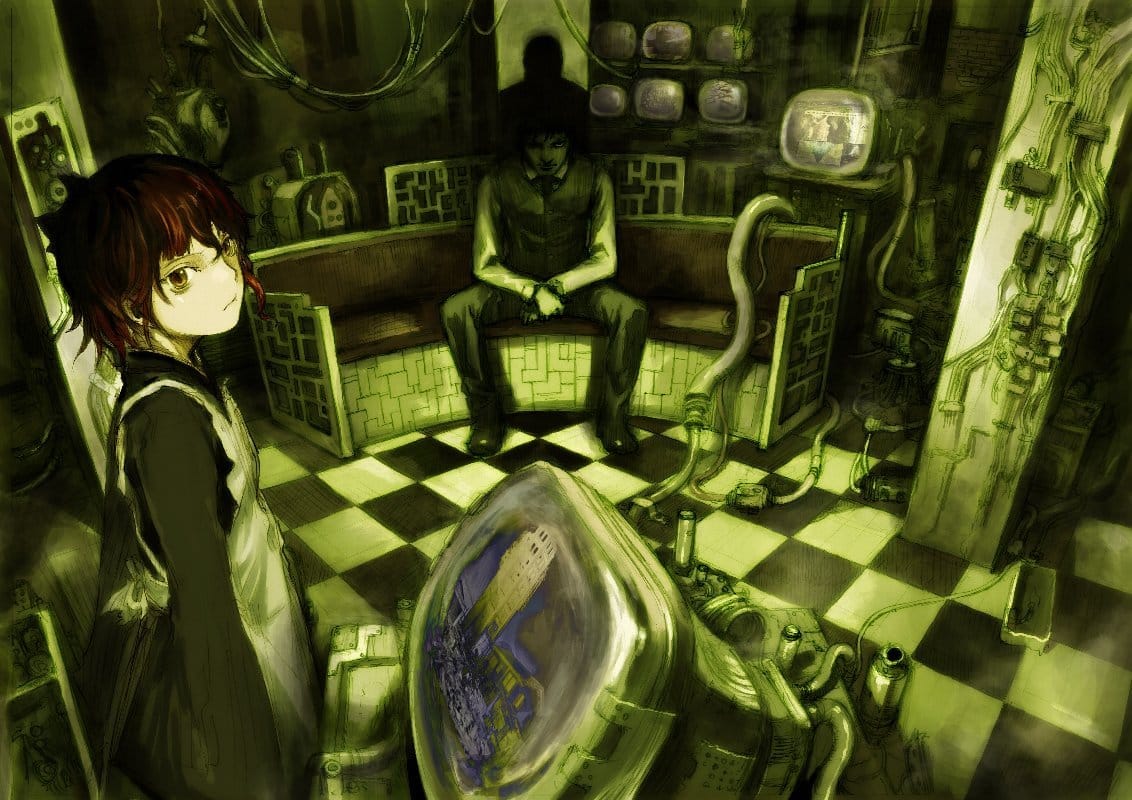
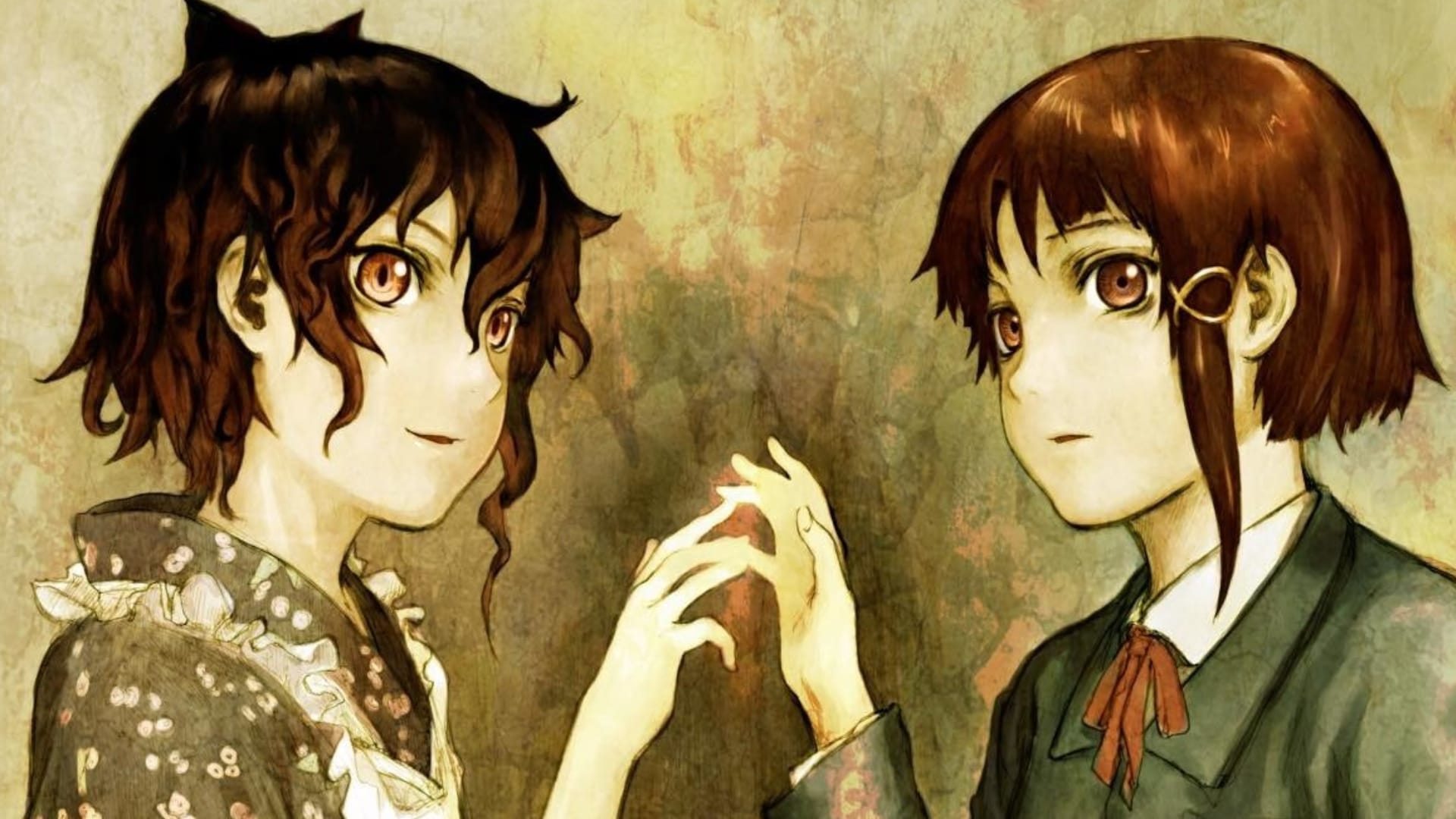
The eccentric yet clued in Chiaki J. Konaka boasts one of the most impressive filmographies in TV anime that any writer could, a creative position undervalued by audiences compared to the visual animators and directors, but Konaka ranks with the best of them with Cerebral affairs like The Big O, Digimon Tamers, and the original Hellsing under his belt. Perpetually in demand for book covers and album illustrations, dojinshi Illustrator Yoshitoshi Abe’s unique pencil stylings, simultaneously gritty and beautiful, brought life to the pensive, dreamlike Haibane Renmei and gave Welcome To The NHK its style. Rounding out the team comes a versatile director who commands auras to his liking, Kino’s Journey and Colorful’s Ryutaro Nakamura. With three creatives who each excel at creating moody, contemplative, stories drenched in otherworldly miasma, Despera would mark the second time this team fully united.
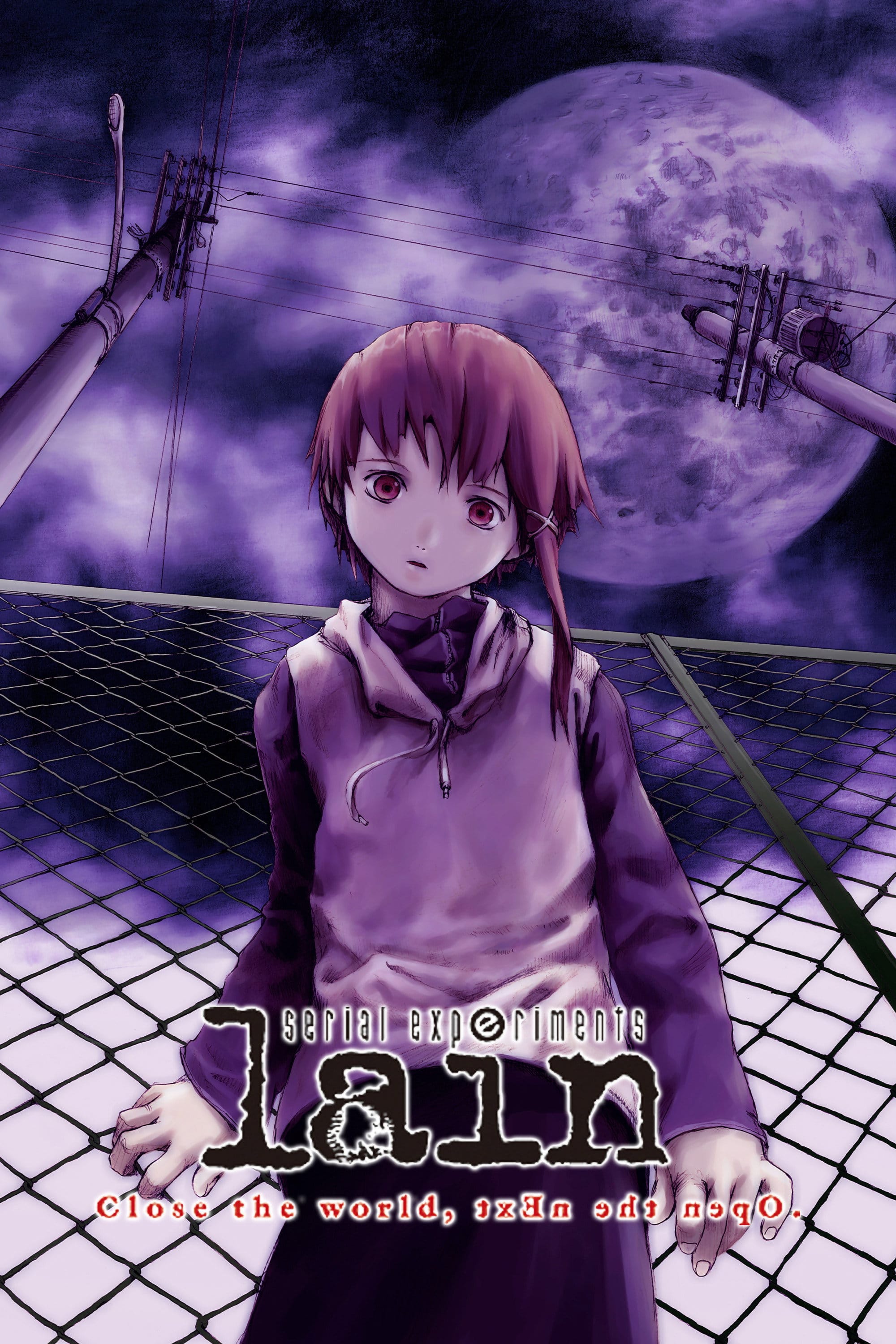
This creative trio behind Despera brought to audiences one of the definitive singular works of Japanese animation; The ever controversial Serial Experiments Lain. Love Lain or hate Lain, the 1998 series which waxed predictions of internet assimilation while exuding an affecting disharmonic atmosphere not found elsewhere in anime endlessly stirred in the consciousness of both anime fandom and internet subculture, to the point where in the 2020s it’s distinct britpop opening Duvet became a TikTok phenomenon giving its performers, the band Boa, an entire career 30 years after releasing the song. Since the eerie and pointed Lain hit the airwaves, audiences chased its high and one would think with such a pedigree, the exact team of hitmakers who all independently found continued success with other projects could convince financiers and studios to give their project a chance. Konaka even worked with Yoshitoshi Abe and Ryutaro Nakamura individually on Texhnolyze and Ghost Hound respectively with the full trio gearing up to eventually reunite with Despera.
Of course the dream becomes harder when one of the said hitmakers dies.
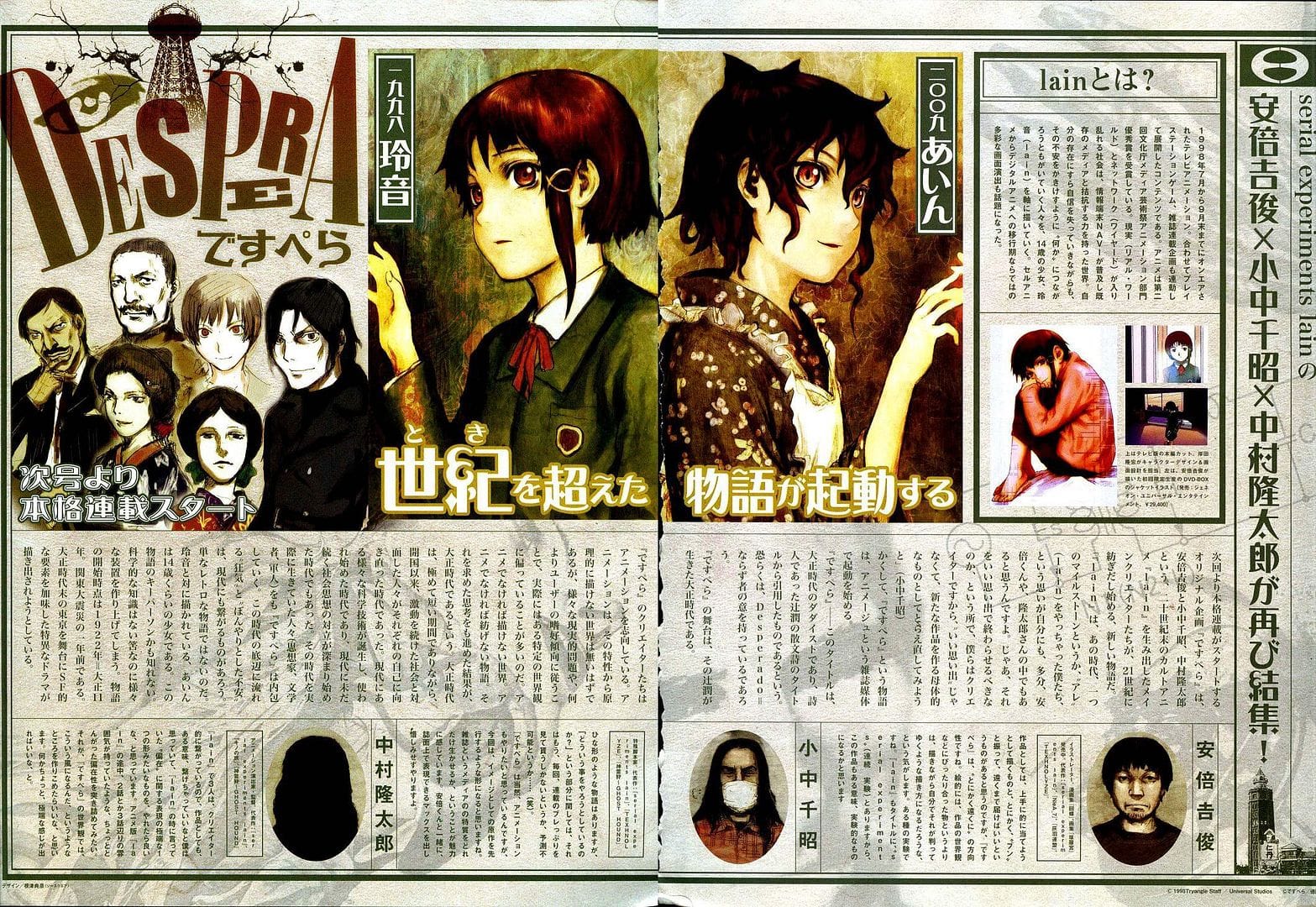
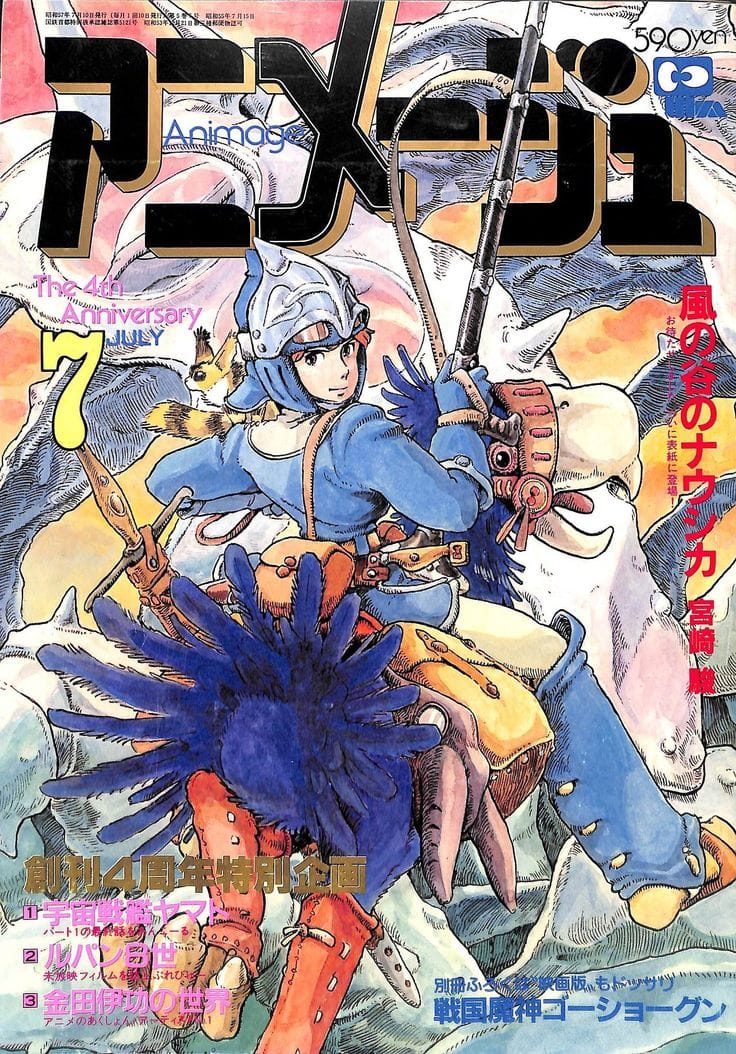
Ryutaro Nakamura unfortunately passed away from pancreatic cancer in 2013, four years after the original announcement for the Despera project and two years after the production was formally put on hold with Nakamura publicly announcing an illness in 2011. At the time of his passing, no tangible or publicly presentable progress on the actual animating of Despera came to light and one could only speculate as to if anything could be completed in that time frame. At that point only a Despera light novel written by Chiaki J. Konaka and illustrated by Yoshitabe Abe existed, published monthly for a year following the series’ original announcement in the storied and influential Animage magazine, the original home of Hayao Miyazaki’s Nausicaa of the Valley of the Wind manga. While a placement in such a magazine does not guarantee an anime adaptation will automatically manifest, that Konaka could serialize a light novel in its pages does portend the idea that he and his collaborators took this project seriously enough to convince certain Japanese subcultural tastemakers.
The burden placed on any given anime director typically extends beyond creative responsibilities alone. This means the late Ryutaro Nakamura, beyond just making the thousands of small and large artistic choices a particularly individual work dyed in the creation of some of anime’s most unique creators would need, maintained the responsibility full on directing in a physical sense the mass of illustrators and animators to make Despera. Granted producers and production assistants help with the intense and, in the modern area where so much animation work gets outsourced worldwide, bifurcated coordinated essential to actually animating a work, without a director to spearhead a project, to get the hands of animators at a given animation studio moving, to directly and indirectly convince investors that yes their funds aren’t just being flushed down a toilet, a project remains stagnant in development hell.
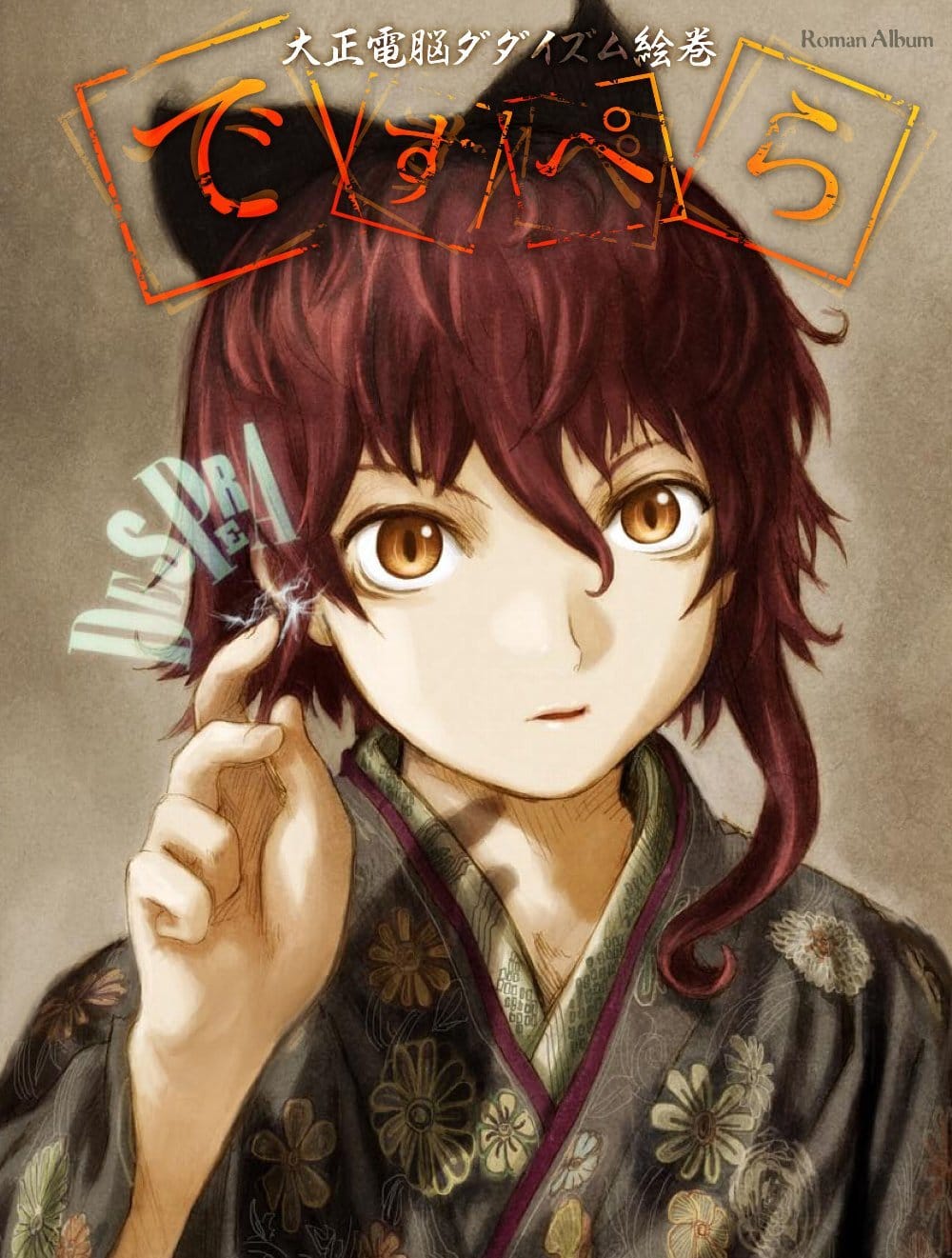
From Nakamura’s passing till just recently, Konaka gave sporadic updates on Despera over the years, doing his best to assure that he and Abe would get the series made with a new director, even stating funding sat at 80% though professing difficulties all the way. In 2025 Konaka announced that Despera would hit airwaves in 2027, but with no footage or staff announcements to back up the claim, it seemed like another hopeful plea in the dark. However, Yoshitoshi Abe and Chiaki J. Konaka pair just announced a Despera prequel manga set to start publication next year, complete with an assortment of in progress illustrations. It’s infinitely easier to get a manga published than to produce an anime, so whether this truly portends the envisioned anime coming to fruition remains to be seen. While no doubt the project differs from its original conception, with the pedigree of all creators involved this work nearly 20 years in the making demands audience attention as part of the Despera dream finally comes to light.