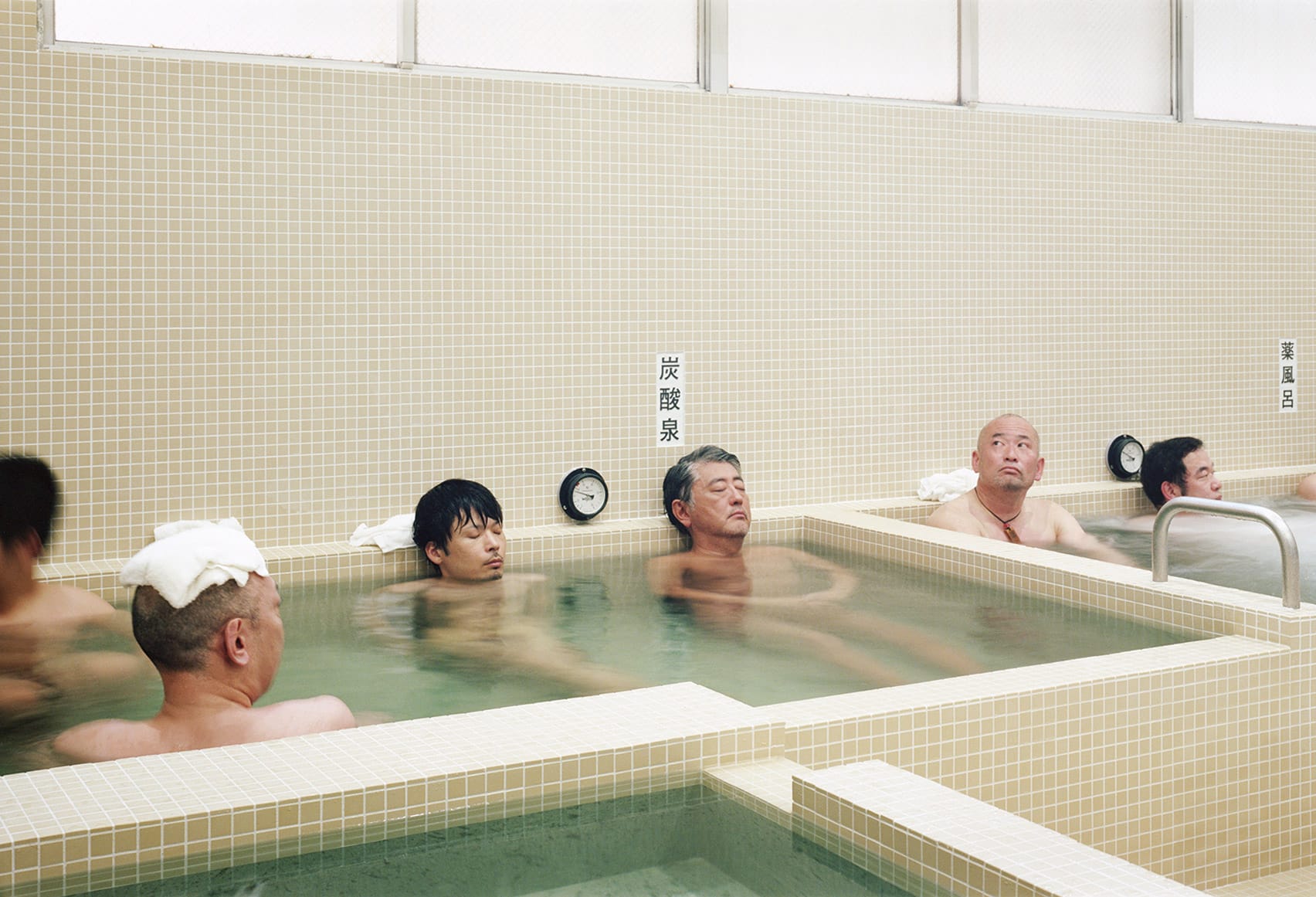
Perched upon the rim of the Pacific ring of fire, the Japanese archipelago is a site of intense geologic power. Continental plates slip and clash, mountains thrust against the sky, and volcanoes spew lava from the deep within the earth. A formidable engine churns beneath the island, transporting kilotons of rock across unseen oceans of magma. But the same geologic turmoil responsible for bursts of incredible destruction is also responsible for the nation’s stunning natural wealth.
One such natural treasure is the island’s abundance of hot springs– subterranean water sources are heated by geothermal activity, with the resulting upwards pressure pushing their waters to the surface. Evidence suggests that humans have enjoyed their waters since around 1,500 BC, communal bathing remaining a central aspect of the Japanese lifestyle ever since: The country is home to roughly 27,000 hot springs, 3,000 Onsen (Natural hot spring establishments with waters above 25°C) and approximately 1,500 registered Sento (bathhouses that heat tap water with a boiler), with 420 Sento in Tokyo alone.
But despite the abundance of these bathhouses, many visitors and foreign residents remain hesitant to enjoy their waters. For many, public nudity is a source of insurmountable embarrassment, while others remain wary of breaking the bathhouse’s social conventions. But it’s a shame to come all the way to Japan and miss out on the relaxing and unique experience of communal bathing. I’ve written this guide to explain exactly how– and why– to enjoy Japan’s bountiful bathhouse culture.
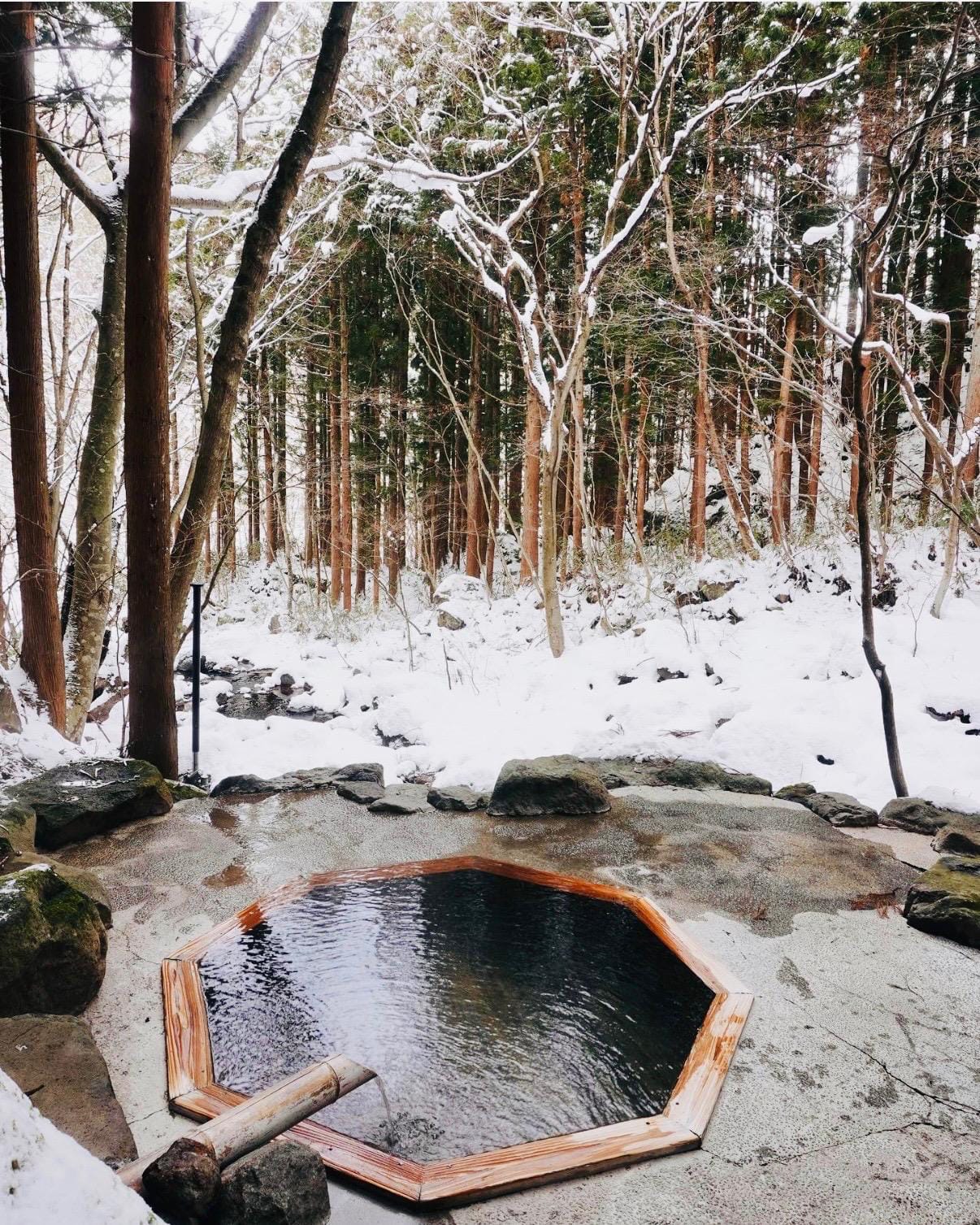
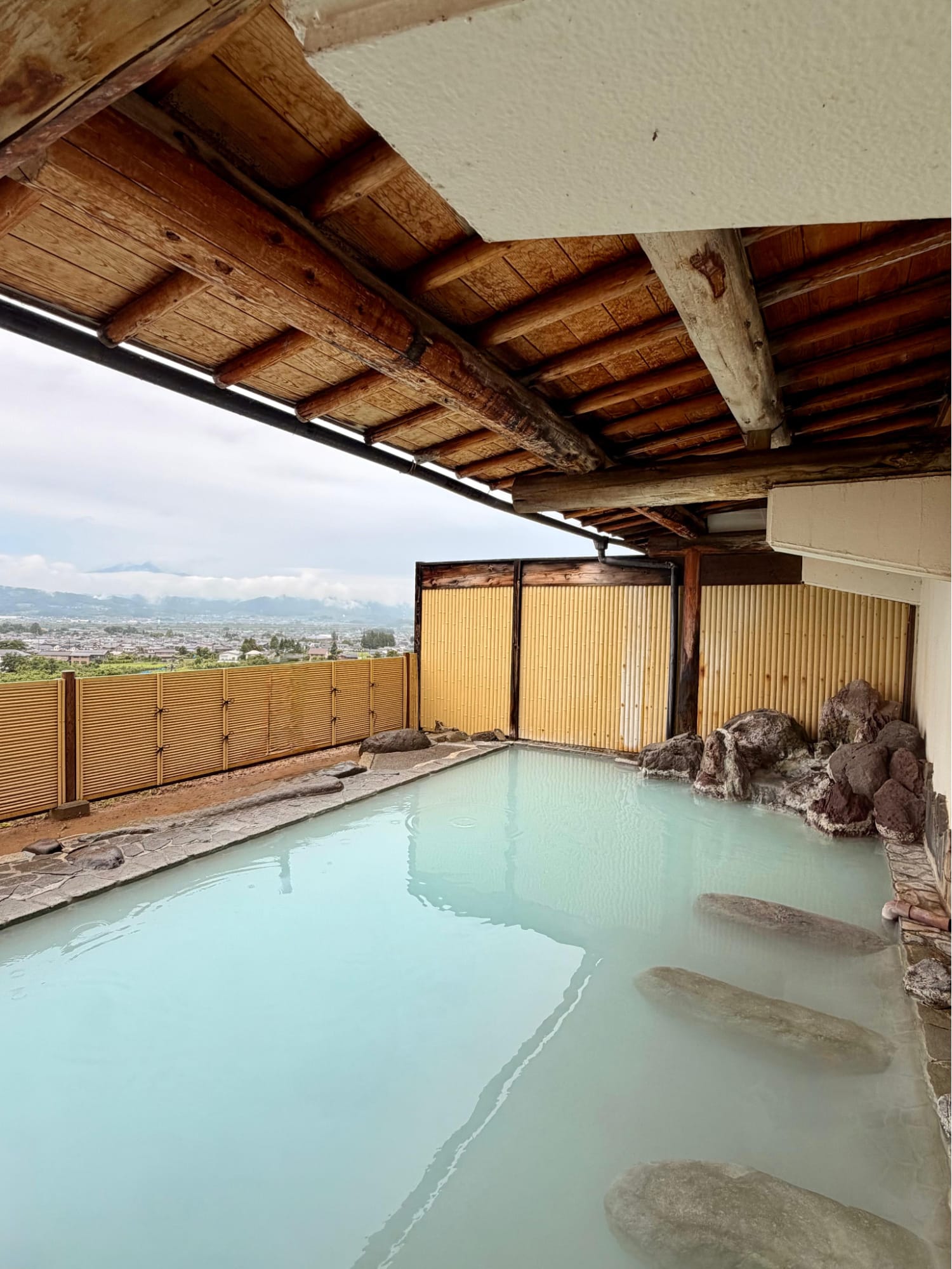
Photo: Yumi Penrose
What’s the difference between an Onsen and Sento?
As mentioned above, Onsen are defined as natural hot spring baths with waters above 25°C, while Sento use boiler-heated tap water. Entire resort towns have developed around hot springs of high water quality and mineral content. These Onsen are typically operated as hotels, with visitors travelling from across the country to relax in their waters.
Many Onsen claim specific health benefits for their unique mineral contents. Famous Onsen towns include Kusatsu, Hakone, Noboribetsu, Ginzan, Arima, and Beppu– but Japan’s hot springs are so plentiful that you can find onsen almost everywhere!
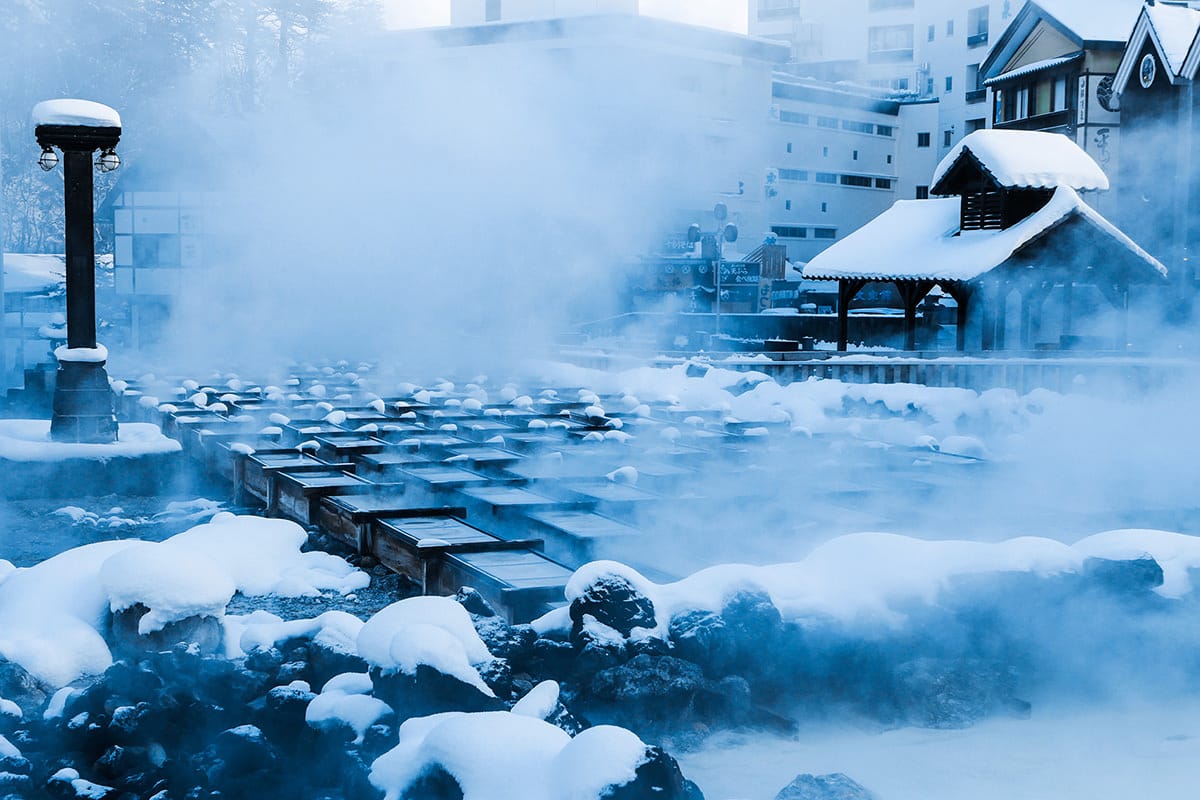
Sento, on the other hand, create a more community-scale atmosphere than onsen. Many are more local spots, and may feature a variety of special baths such as electrified, carbonated and even faintly radioactive waters. Depending on the scale, some Sento may feature relaxation spaces, saunas, and even cafés.
How to Bathe
Every Sento and Onsen do things slightly differently, but the guide below should serve as a general framework for the typical flow and etiquette of most bathhouses. Make sure to look around for signage and listen to staff to make sure you’re doing as the establishment expects: Bathhouses have a rather specific expectation of behavior for the sake of all visitors’ comfort and satisfaction.
1 - Remove your shoes
Almost every Sento or Onsen feature a grid of shoe lockers at their entrance. Place your shoes in one of the lockers and take the wooden key. Some bathhouses ask you to exchange your shoebox key for your changing room locker key, while others ask you to keep a hold of it with the rest of your belongings.
2 - Purchase your ticket and amenities
Some Bathhouses use automated ticket machines (usually cash-only), while others have you interact with a desk clerk. Purchase your entry ticket (Typically around ¥550 for adults) and optionally rental towels, shampoo, razors, or anything else you require. If purchasing at a machine, exchange your tickets for their respective items at the front desk before proceeding to the changing rooms.
3 - Changing
Find or select your locker and store your bag before stripping naked. Never use your phone in the changing room. Some bathhouses have shelves next to the entrance to the bathing area for you to keep your amenities, and others may have vending machines offering water, ion drinks, and even beer. I recommend picking up a bottle of water or Pocari sweat – the hot water of the baths can be dehydrating.
4 - Washing
It sounds counterintuitive, but always make sure to wash yourself before entering the baths. Use either a standing shower or one in the row of seated showers (making sure to clean off the provided stool before and after use). This is your time to apply any hair/body wash, shave your face, and/or brush your teeth (being mindful of your neighbors). Some bathhouses also provide Kakeyu, which is a more traditional method of cleaning before bathing: Ladle water from the tub onto your body, starting at the feet and rising to your head before completing the rest of your pre-bath wash.
5 - Bathing
Most Sento and Onsen provide a variety of baths at different temperatures, with the hotter end typically rising to 40°C and cooler baths at 15-18°C. It’s up to you how you’d like to bathe, but the standard method is to alternate between hot and cold baths for 10 minutes each. Be mindful that sudden temperature changes can cause lightheadedness and sudden heart rate changes. It is widely understood that this cycle is beneficial to the body’s circulatory system. Make sure to have a go at any special baths on offer, and feel free to use any seated areas to air-dry and cool down. Make sure not to dive, swim, or let your hair touch the bathwater.
Many bathhouse visitors use their small face towels to clean their bodies in the shower, wipe sweat from their brows during bathing, and for modesty when moving from bath to bath. Make sure that the face towel never touches the bath water – many keep the towel on their heads during bathing. If it does get wet, wring it out away from the baths.
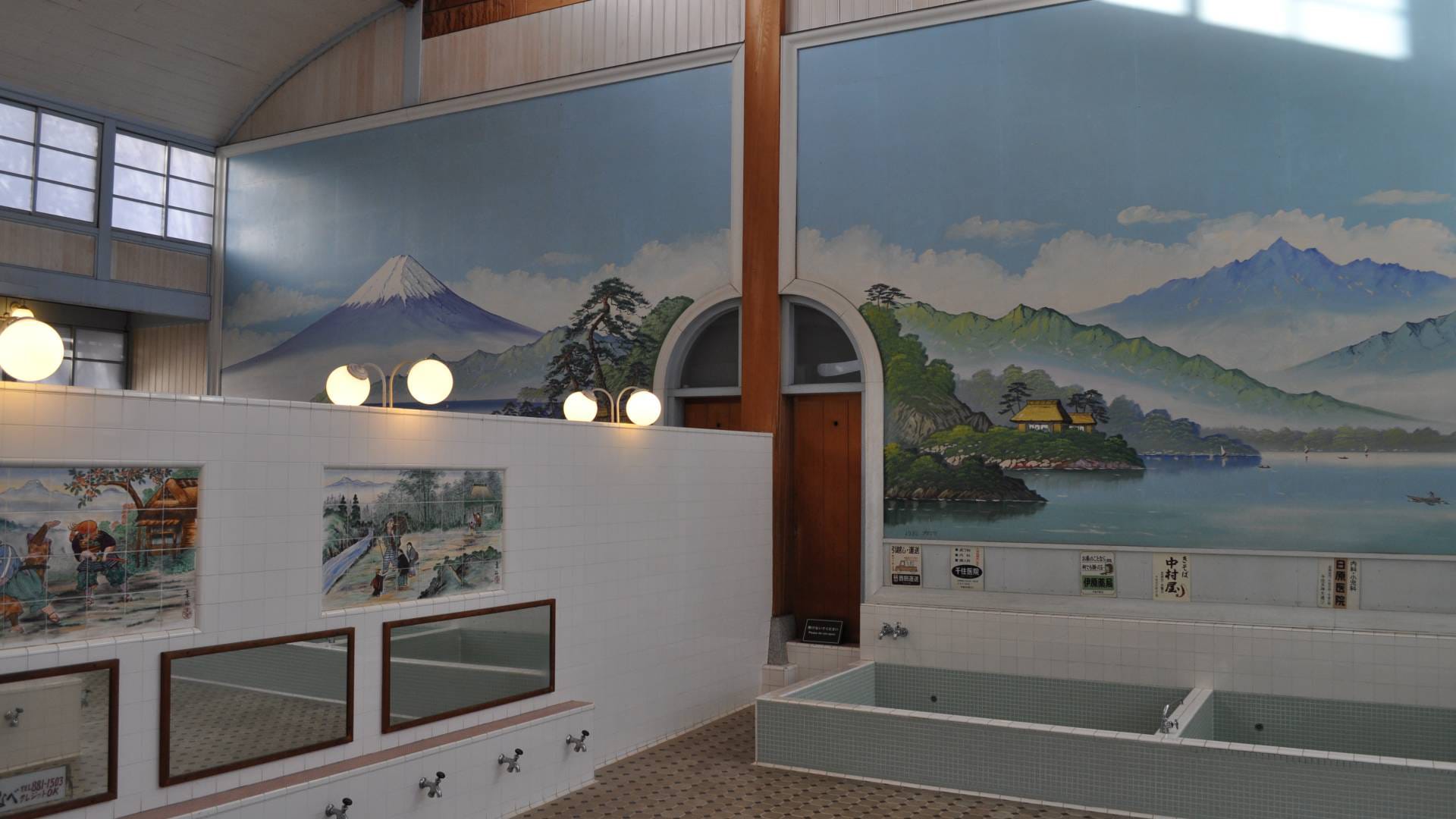
Make sure to keep your eye out for your bathhouse’s grand mural: A common feature of Japanese bathhouses is a landscape painting or mosaic of Mt. Fuji. Feel free to use your bath as an opportunity to ponder the beauty of the scenery.
6 - Drying off
When you’re done, use your small face towel to dry quickly before returning to the changing room for the full bath-towel drying. Make sure to use the provided mops to keep the floor dry. Make sure not to leave anything behind. Most bathhouses will provide coin-operated hairdryers and sinks in changing room spaces as well.
7 - Totonoeru
Your bathhouse experience is not over when you’ve finished bathing: it’s about more than just cleaning the body. The ultimate aim for any bathhouse visit (beyond cleanliness) is to Totonoeru: The achievement of total clarity, relaxation and inner harmony brought about by the contrast of temperatures. Larger bathhouses provide lounge spaces where visitors are free to relax, read, and even nap as they come down from their relaxing bathhouse experience.
Bathhouse etiquette
These rules are not universal but should be understood as generally applicable. Make sure to check the (typically signposted) rules of each establishment.
- Talking in the bathhouse space is discouraged – it can be distracting for others’ relaxation.
- Keep your hair out of the water – use a hair tie if necessary.
- Respect others’ privacy and avoid staring.
- Wash anything you sit on before and after use.
- Do not put your face towel in the bath water, and wring it out away from the baths.
- Do not Dive, Splash or Swim.
- Policies regarding tattoos vary from establishment to establishment: they are no longer banned everywhere, but there remain many bathhouses that will turn you away or ask you to use adhesive patches to cover tattoos. Confirm in advance to avoid disappointment.
Japan’s Onsen and Sento are a core facet of the country’s culture around relaxation and health, enjoyed for thousands of years. With the above knowledge, you should be prepared with everything you need to know to make your visit go smoothly. If you’re uncertain of anything, make sure to ask the staff, and be open to making mistakes and being corrected by others. It took me a few times to memorize the correct procedures and etiquette. If you remain mindful and respectful of others you can’t go wrong: a good attitude for everything in Japanese manners– and everything else in life!
Special thanks to Onsen Somellier Yumi Penrose for Consultation and Corrections.