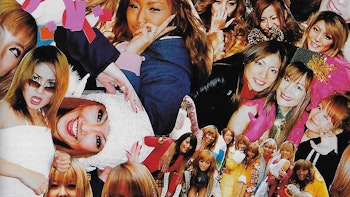
As with many other pockets of the world, Japan sees itself amidst its own mini Y2K resurgence, complete with turn of the millennium fashion, cultural trends of the “garakei” cellphone era, and heaps of 2000s nostalgic tunes popping off on TikTok. Breezy pop-rap duo Halcali has come out of retirement, punk couture royalty brand Hysteric Glamor seems to be worn by more people across the globe than ever, and old issues of gyaru-centric Egg magazine now are sought after collectors items like Fruits magazine before it. With Japan also longer boasting a strong mascot & character goods culture (think Sanrio), you better bet some old familiar faces are making the rounds too!
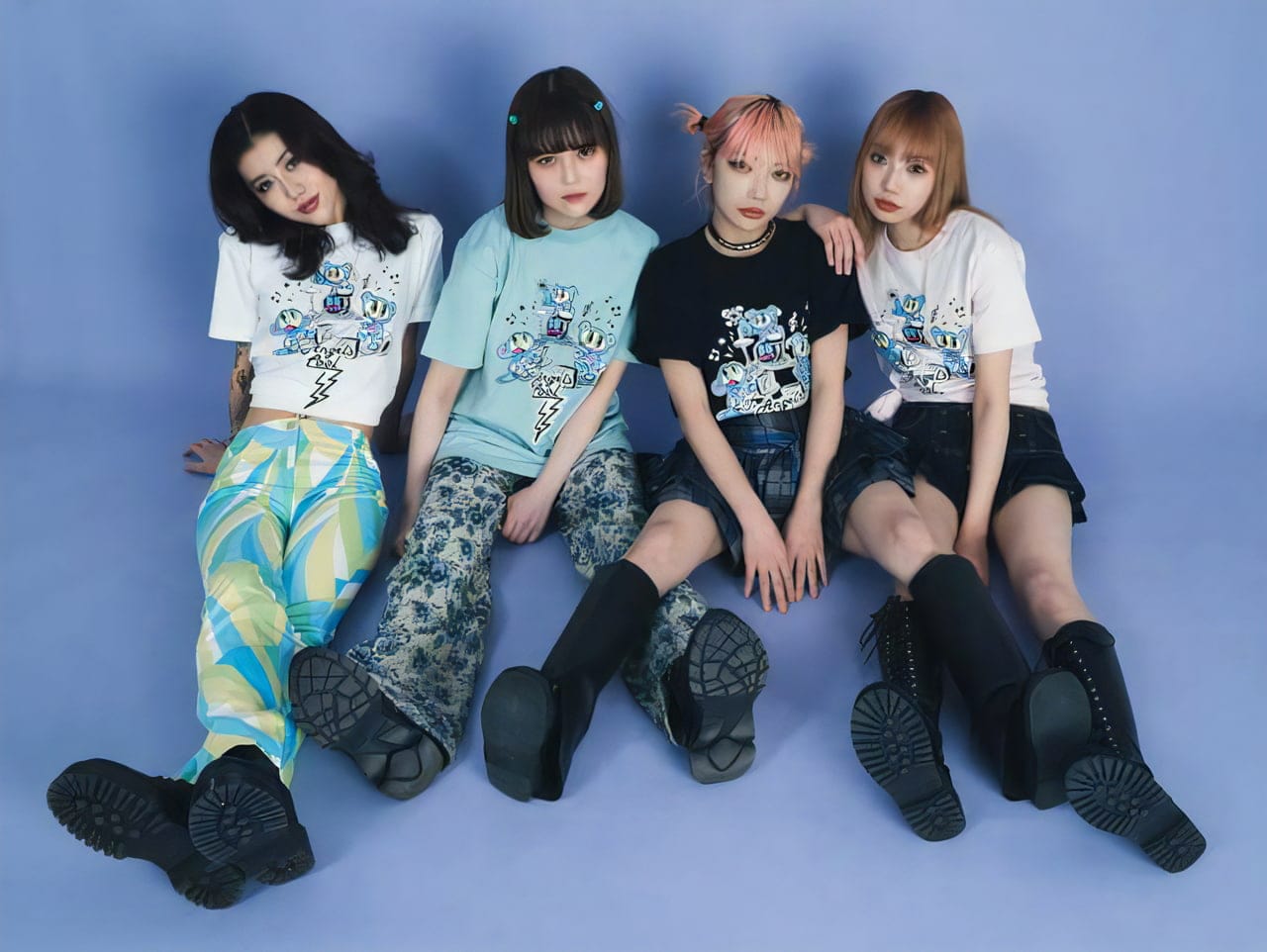
One of which we’re particularly happy to see in 2026 filling gachapon containers and Village Vanguard store displays once again is the cheeky and expressive world of Angel Blue POP & CUTE!
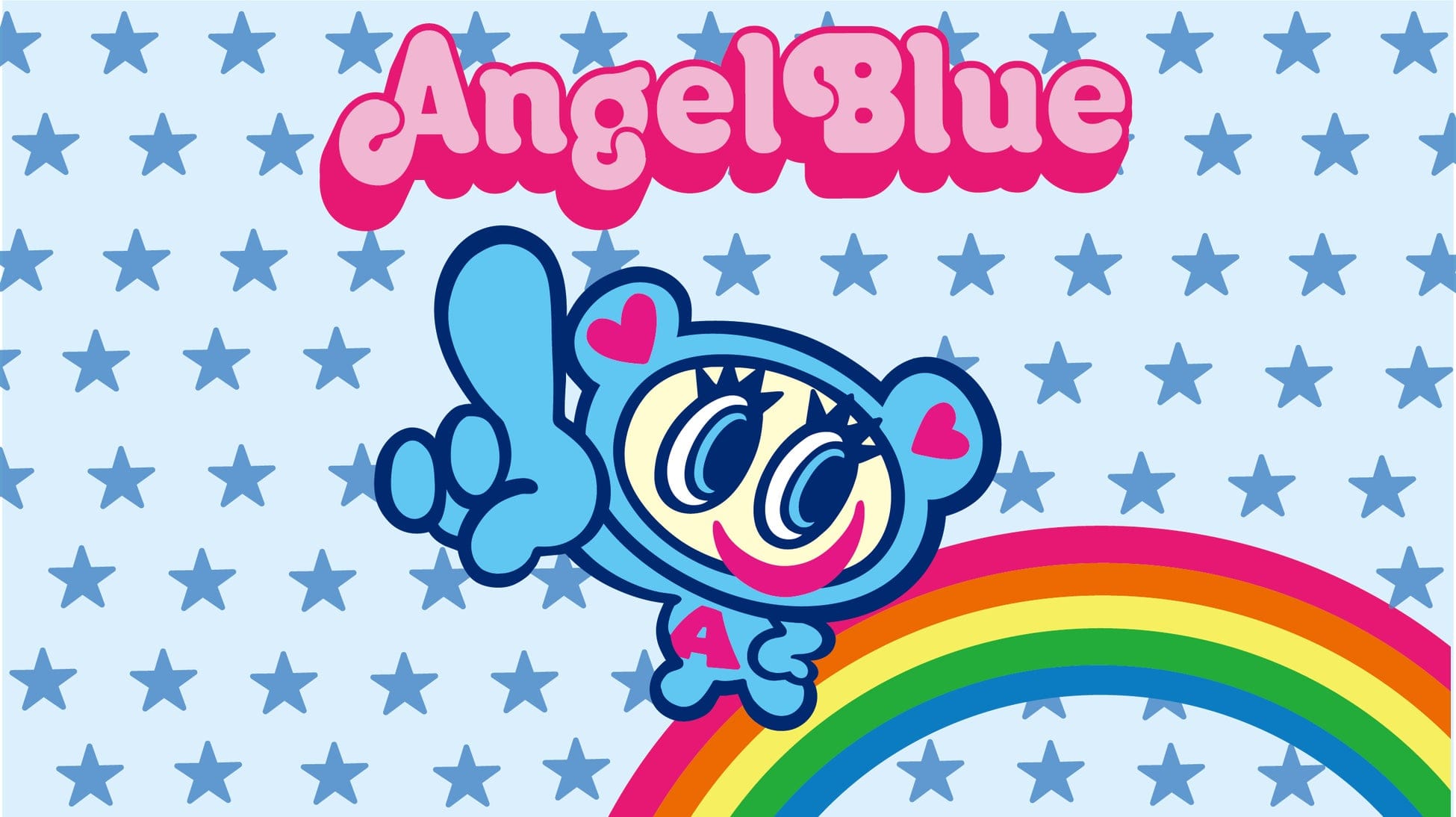
Looking like sort of a cross between My Melody and AnPanMan spray-painted cerulean and doused in the same facial expression juice Professor Utonium gave the PowerPuff Girls, Angel Blue entered the market back in 1989, just as Japan’s bubble market began to crash around itself. Thankfully this spunky blue fella and their company of origin, Narumiya, survived the shock, enough so that Angel Blue would begin to catch on with pre-teen girls and their well-to-do parents who decided they wanted to dish out the yen for young adult brand clothing. See, the now titled Narumiya International existed first and foremost as a series of children’s apparel boutiques found in nicer department stores, which meant mom and dad weren’t paying Uniqlo prices for Angel Blue clothing.
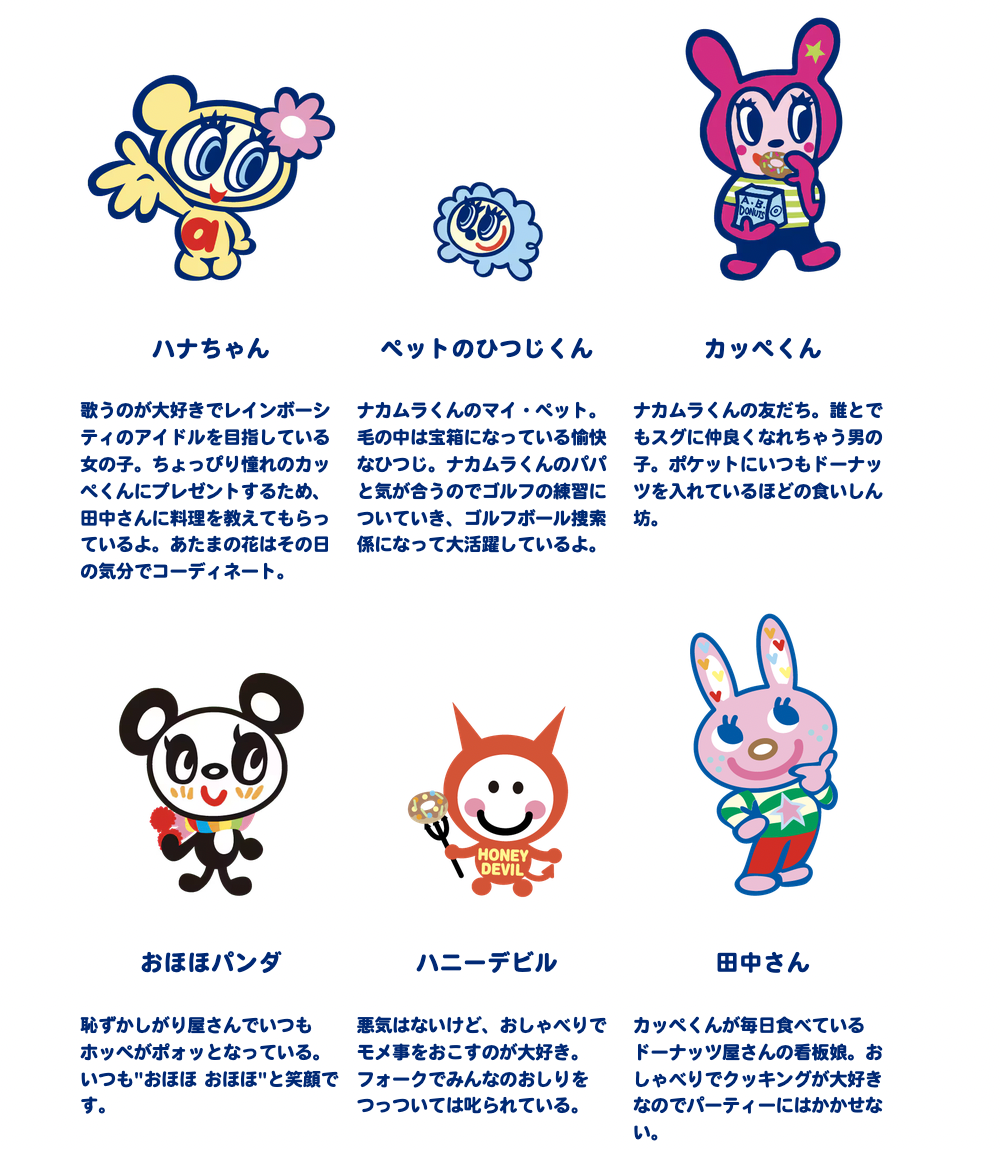
Before continuing with the history of our spunky, light-cobalt adjacent Y2K icon, properly breaking down Angel Blue becomes paramount; While the title of the brand often gets used synonymously to offer to the plucky star of its show, “Angel Blue” actually refers to a set cast of characters who all hang out with the little blue mascot technically named Nakamura-kun. You additionally have the more femme and pastel yellow presenting Hana-chan, an essentially sheepified Nakamura-kun named Pet No Hitsuji-kun, the donut munching maroon rabbit Kappe-kun, Ohoho Panda, and Honey Devil amongst a few other characters who round out the Angel Blue cast.
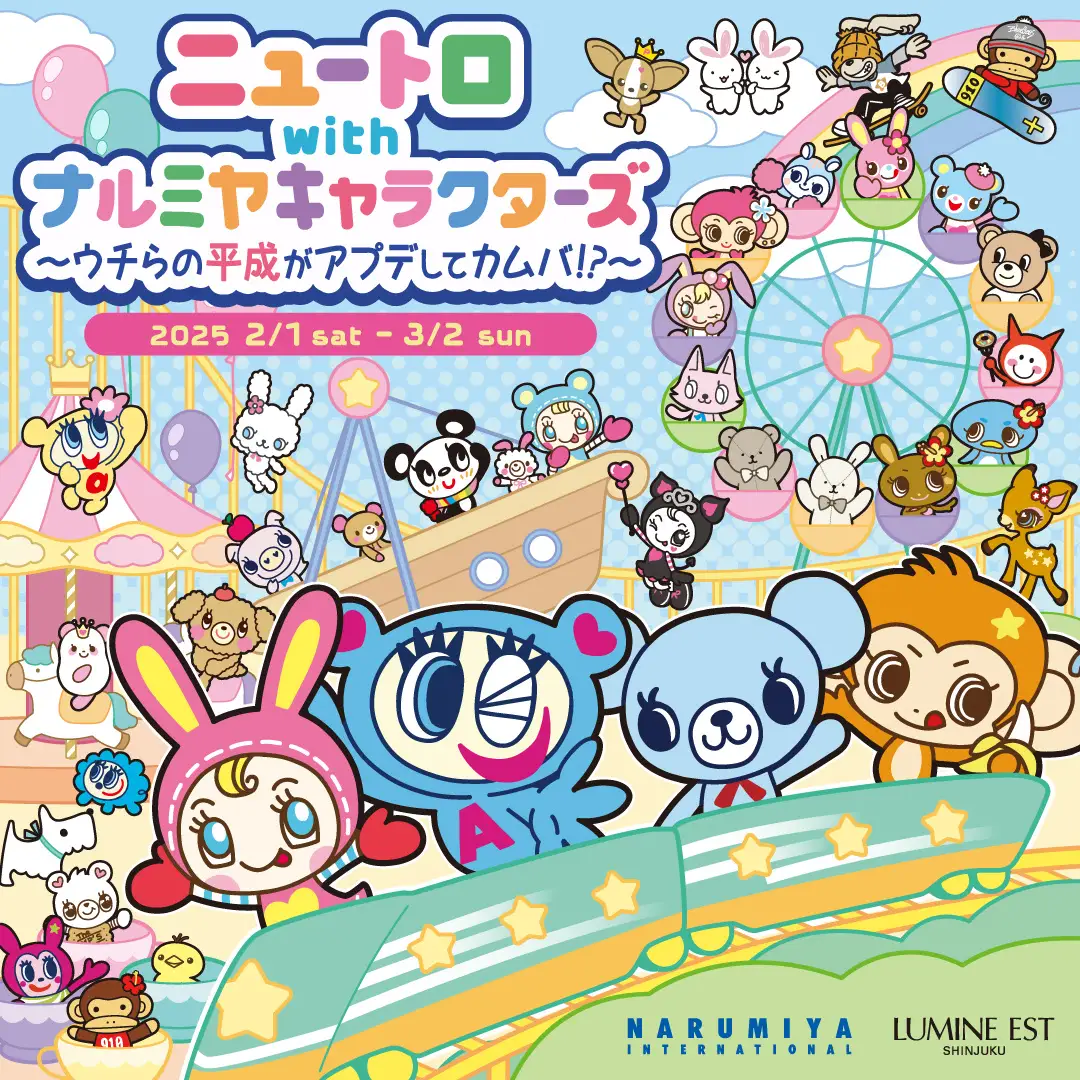
This doesn’t even begin to cover all the other mascots that Narumiya created in their other popular character sets, most notably the Mezzo Piano gang.
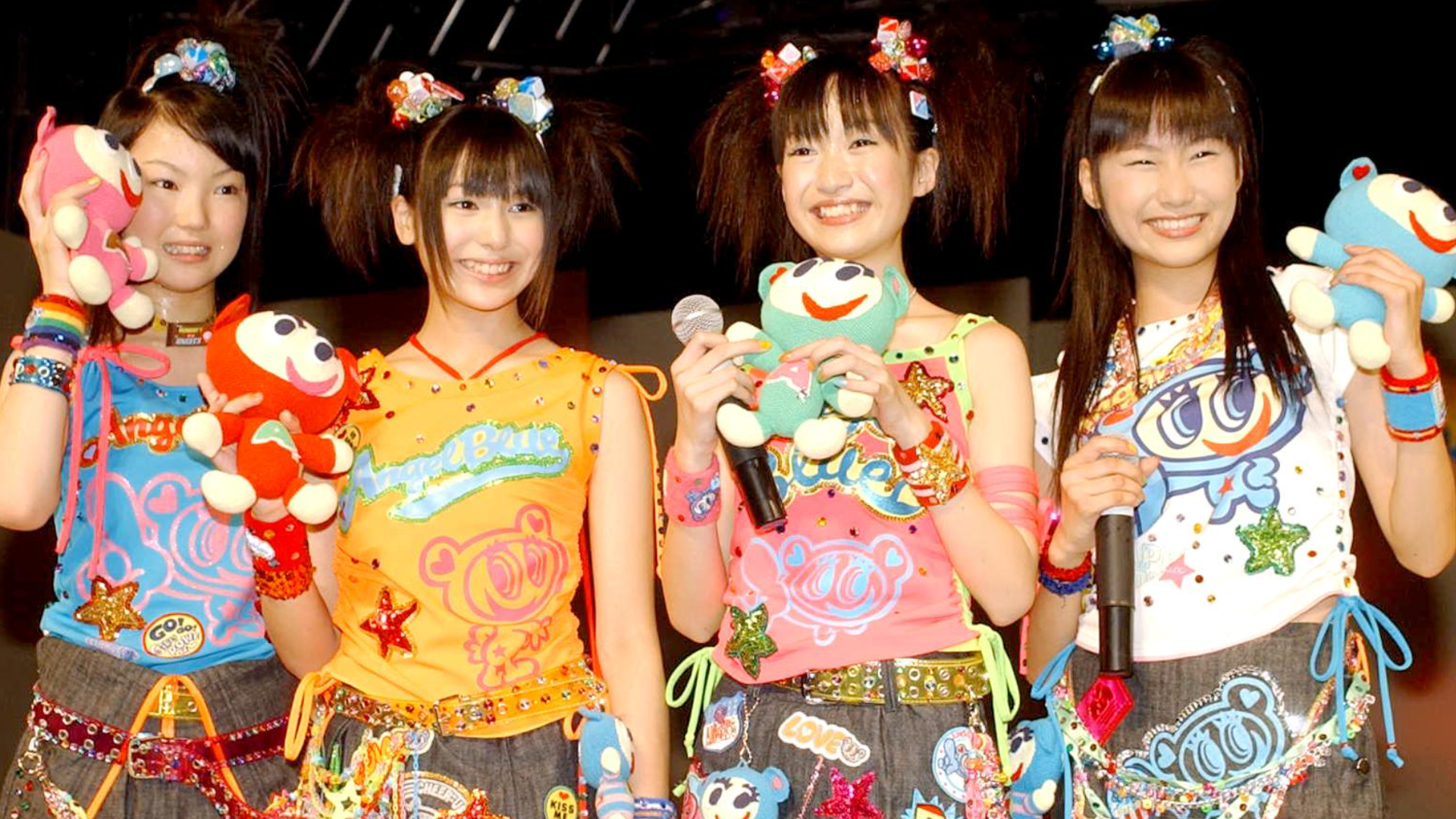
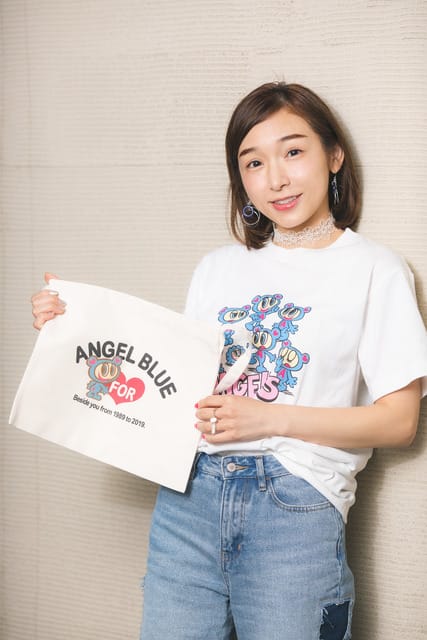
Narumiya’s Angel Blue would continue to grow in popularity throughout the 1990s, and received a particular boost through an association with the Y2K iconic Morning Musume sub-group Minimoni who, contrary to their group idol genre defining parent group, heavily incorporated the sounds and fashions popular with Japanese young adults at the millennium turn.
With that boost of increased visibility, the pastel plastered Parappa-gone-Harajuku Angel Blue gang transcended the boundaries of kids clothing alone, entering the world of adult clothing, collaborations with other brands, and the production of all sorts of goods and accessories. Narumiya during this period of wild success created many striking Angel Blue pieces all emblematic of the era in the same way as the aforementioned Hysteric Glamour, also similarly now coveted on Depop.
Of course no era lasts forever.
Like clockwork the blobject dominated, washed out colors, and futuristic cyber styles of the early 2000s began to melt into the back half of the 2000s, more homogenized than ever thanks to the full internetization of society. Morning Musume, Eurobeat, all that used to be considered “in” over-fermented to pastiche, replaced with more streamlined iterations of their ingredients; AKB48 and house music for example. While Angel Blue found plenty of success in the early millennium, without being backed by mascot character empires like Sanrio or The Pokémon Company, Angel Blue failed to reinvent itself and would fall into irrelevancy for a time. Last ditch efforts included Narumiya selling less expensive Angel Blue clothing collections at a wider variety of stores across Japan but ultimately time waits for no one, and that includes cuties designed to sell clothing.
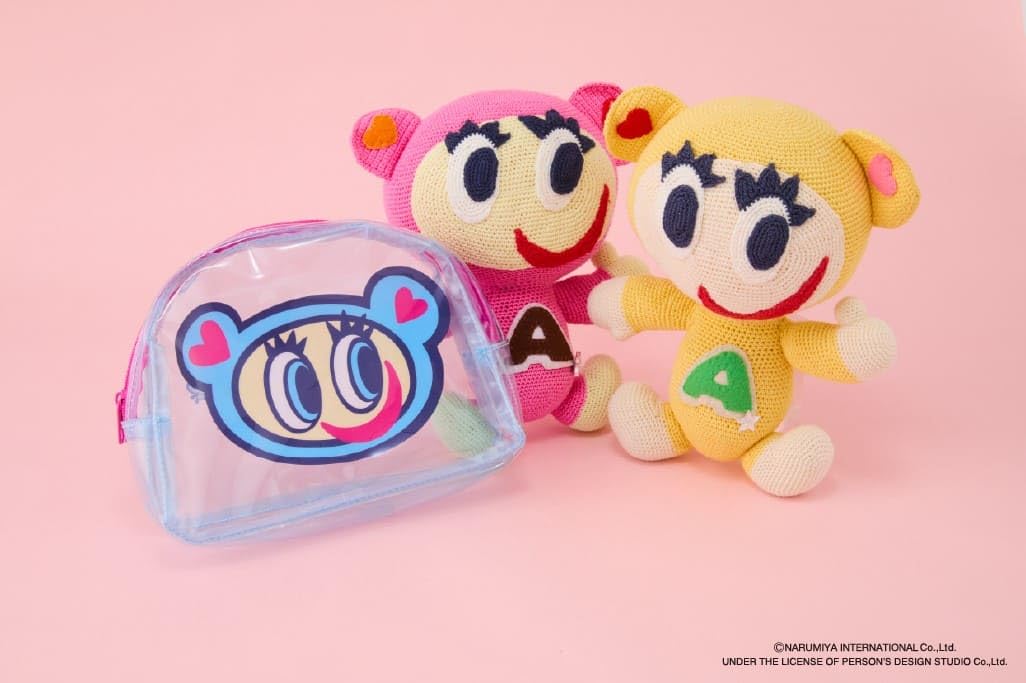
What time does do, however, is repeat itself. At the time of writing in Summer 2026, you can go into any gachapon shop in Tokyo and find Angel Blue’s Nakamura-kun flashing you their cheeky grin, as if to imply your loss of 300 or 400 yen in exchange for an inch tall skyblue collectable figurine or a tiny pouch was foretold. We’ve very recently seen whole Angel Blue displays in Village Vanguards next to other adorable mascots and Heisei revival paraphernalia (cough Love and Berry), the little blue rascal slowly but surely clawing their way back into the hearts of people! Narumiya even saw fit to release a 35th Anniversary collectors magazine in 2024 that lovingly collects Nakamura-Kun’s merchandising exploits over the years. While Angel Blue once again adorning $500 pairs of jeans remains to be seen, we love the design sensibility enough to welcome its comeback era with open arms.