Till We Meet Again on The Starry Hill is a sequel to one of the more underhanded films of the past few years: a romance with a pro-military underbelly. At least that film had a purpose though: this can’t even find a reason to exist within its own universe.
There’s been a recent trend that’s hard not to view with concern in the context of the Japanese movie landscape. The last decade has seen a rise in films centering on World War II. Some of these films, like the works of Shinya Tsukamoto with Fires on the Plain and Shadow of Fire, or animated works like In This Corner of the World and Cocoon, balance the hardship of war for those living through it with its ultimate destructive nature and an overwhelming desire for future peace. Then you have films like The Eternal Zero (by Godzilla -1.0 director Takashi Yamazaki), which frames the militant power of the kamikaze as a point of pride, or a movie like The Silent Service, which makes a case for remilitarization.
Till We Meet Again on The Lily Hill, the 2023 romance film to precede this, feels at first unusual to mention amongst these films. Sure, it involves a modern-day young girl going back to World War II, but this is otherwise a love story where the girl herself calls out the futility of the war. Only, underlying the film is something a little more insidious: a desire to surface-level call out the obvious of how death is bad and war should be avoided, without ever condemning it and placing the kamikaze pilot she falls in love with in a place of veneration. Films that mark militancy as a point of pride are a concern, and this happened to be one of the most successful films of the year of its release to boot.
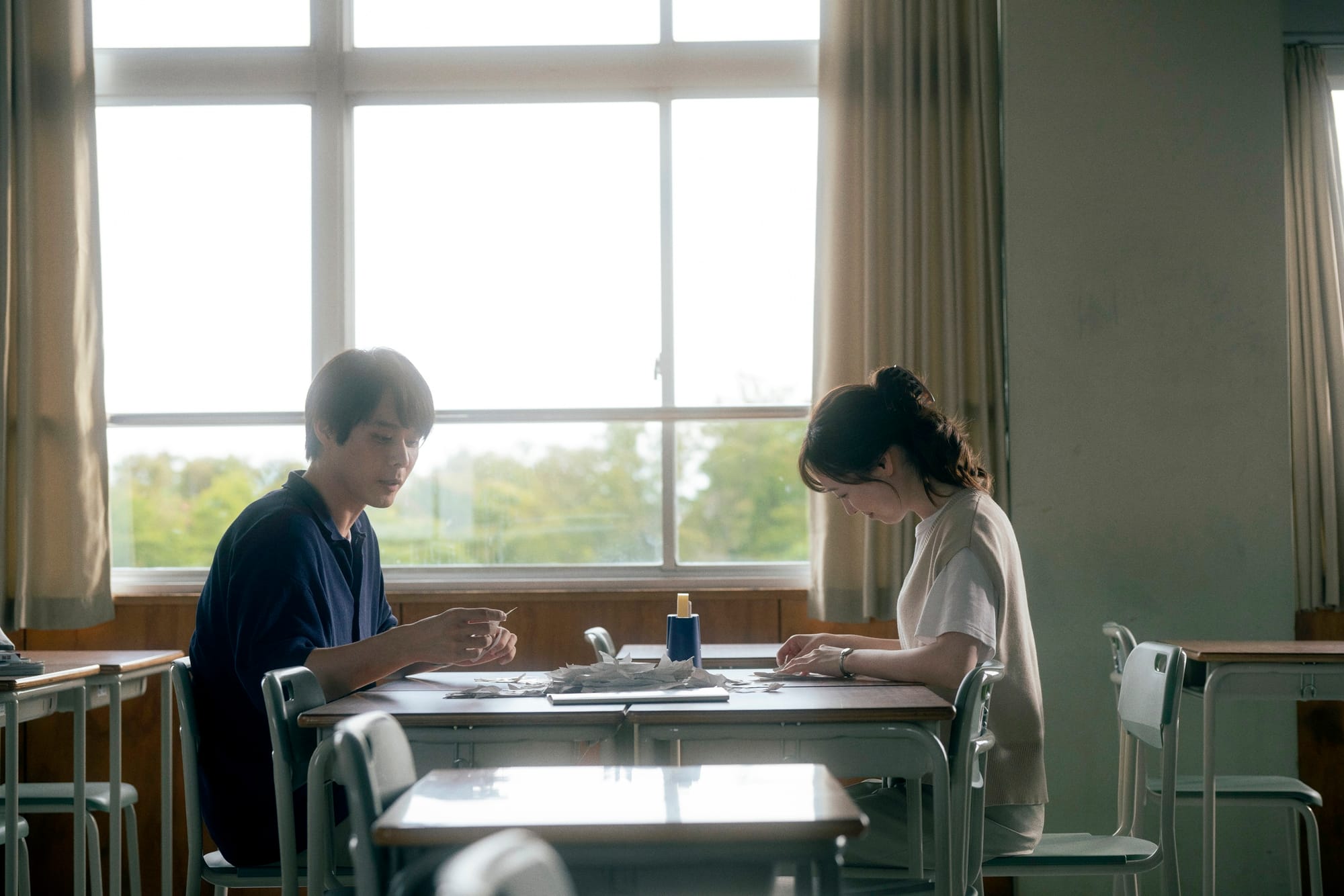
Starry Hill is a strange sequel in that it doubles down on the sly military professions amidst a surface-level cry for peace, while also failing to create compelling characters or a reason to string this story along for a further two hours for those who can look beyond its jingoism. Since the events of the star-crossed lovers tale of the original movie, seven years have passed, and Yuri has yet to get over her love for the war veteran, Akira. Every evening, she lights a candle for him, and she has pledged never to love another, because none would replace the love she felt for him.
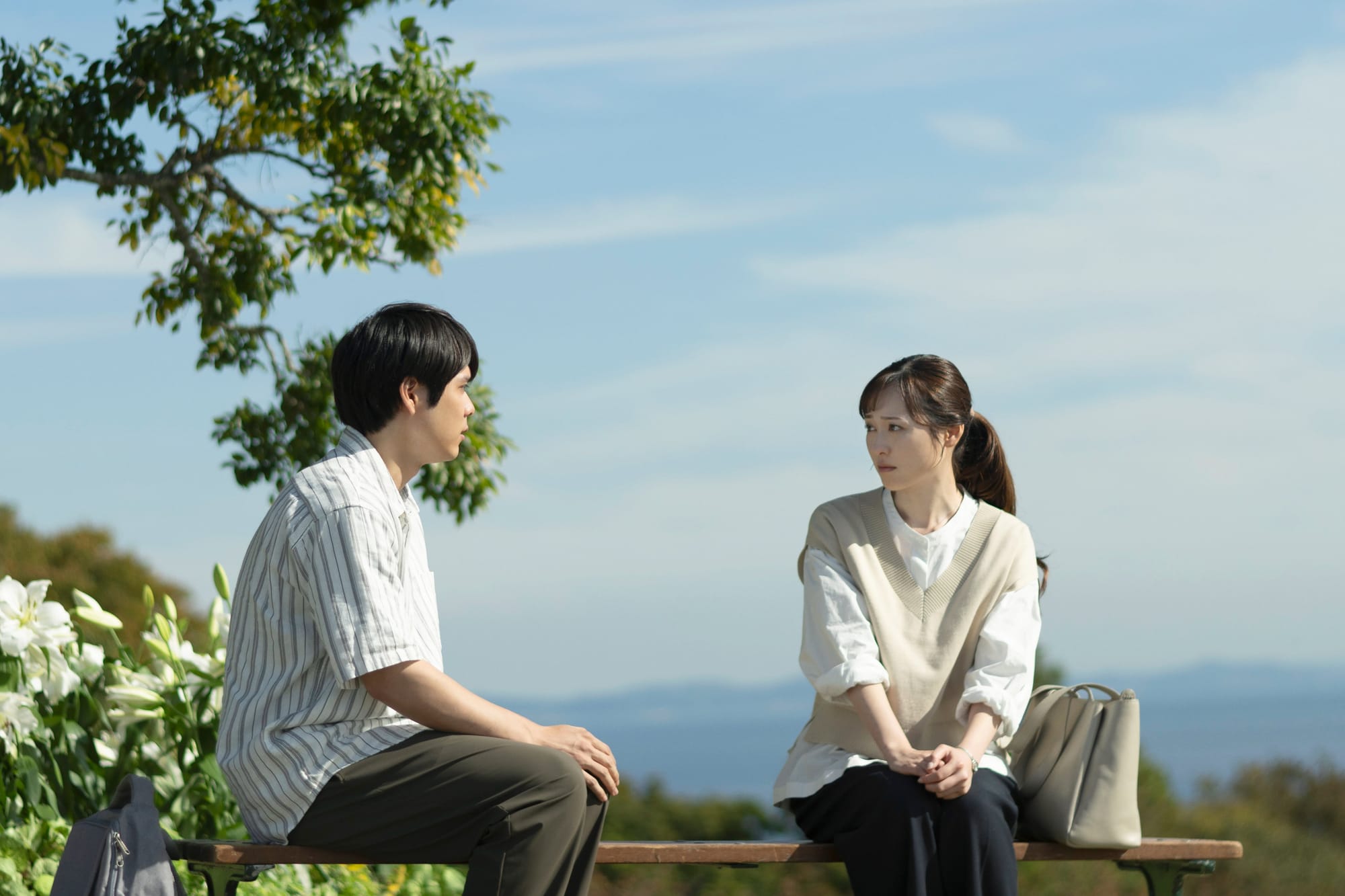
In that time, she has gone from an uncertain 17-year-old to a mid-20s woman who has achieved her realized dream at the end of the last film of becoming a teacher. Her mind is split between her past and her duties, however, and she doesn’t know if she can ever truly move on. Despite her mother constantly asking otherwise, she insists she’s happy to remain single, a celibacy claim of-sorts to her 1940s fling. One tested by a substitute teacher named Ryo that she falls for near-instantly, even if she is conflicted by this reality.
The film then washes through two hours of conflicted pining for the lost soldier (who, for the record, never died after taking his plane into the sunset - he lived till old age in a relationship of his own before passing peacefully), and what it means to move on from grief. Such a love story pinned by loss can be compelling, but it feels torn to the problematic prior film that leaves an uncomfortable feeling as we reflect on the honor tied to a pride in war that underpins this love.
One highlight of the film, it should be noted, is Chiyo, an old lady played by Chieko Baisho, who takes the role of the only real tie between the two movies, playing the now-aged character of what was once a young girl when Yuri transported back in time. Her guidance, wisdom, driven by strong acting, provides a gravitas that’s frankly missing elsewhere.
The major issue Till We Meet Again on The Starry Hill faces is an inability to commit to any idea, while its characters beyond Chiyo feel almost childishly unrealistic. The film is, technically, adapting the sequel novel to the original book that was adapted, but in both cases the original story was conclusive enough to make such a continuation unnecessary. You can’t simply go back in time again when the story ends with the war and the love is dead. Then again, this film supposedly diverges from that book immensely, to the point the original author wrote her own novelization of this film to release alongside this movie.
What we get is torn with pointing back to the romance of the film while conveniently sidestepping the political question marks that surround it, while telling a new story that lacks anything related to that story to ground it in relation to that film. It does seek to tie in its conversations on the war to tie to the film’s release in anniversary of the end of World War II with the same wishy-washy messaging that left a sour aftertaste to how it tackled the contrast of war with the honoring of kamikaze pilots and the effort, but can’t even focus on that while its will-they-won’t-they romance dominates.
As someone sympathetic to such stories (and, in fact, loved 366 Days, one of the most recent films by this movie’s director, Takehiko Shinjo), that doesn’t necessarily have to be a bad thing. That’s where the core issue of Yuri‘s character is most grating. Grief is challenging, but the dedication to a teenage romance the way she does here, unable to move on while decreeing never to love again, feels simply less believable when clawed from the wistful eyes of a 17-year-old and into the hands of a mid-20s teacher with responsibilities. Especially without anything else to ground it.
It’s far easier to believe that the main characters of a film like Can’t Cry With Your Face will still feel the way they do about love, life and their sense of self by the same age considering the unique circumstances they faced reaching that point that the film wonderfully explores over its runtime. Beyond the time travel aspect, the love story Yuri underwent was chagrin and plain, not justifying such a consuming fixation we are witness.
The patriarchal, passive nature of Yuri, whose life seems constantly controlled by her romantic feelings to these two men across two films, don’t help matters. At no point can she act on her own desires or move forwards without their approval, a step back perhaps fitting a film from the wartime era of the original but painfully out-of-tune to the modern world.
The result is a film unable to shed its questionable politics while also being unable to commit to a new story that’s compelling. While I have fundamental disagreements with the original film, at least it was conclusive and direct. This lacks purpose, drive, or interest.