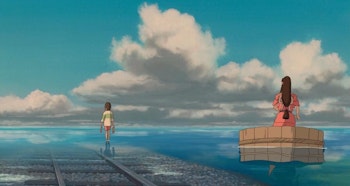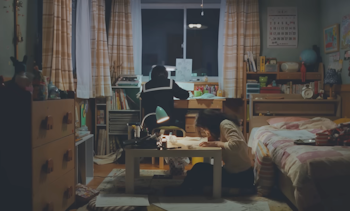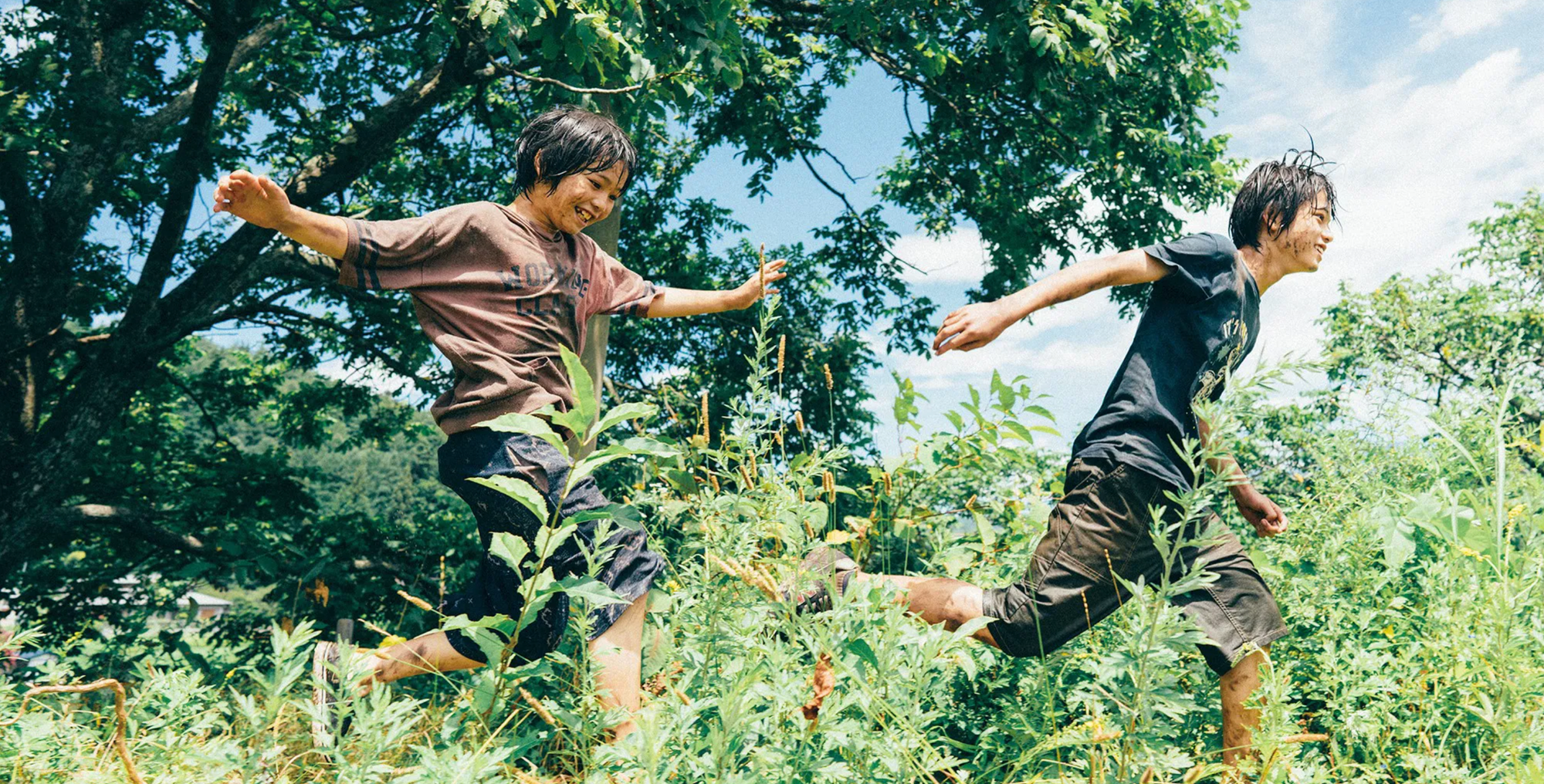
Even knowing of Hirokazu Kore-eda’s deftness for human drama, especially in capturing younger voices and exploring the soft boundaries of family and love, I don’t feel it fully prepares you for Monster. Peeling the layers one by one from this narrative, the film reveals itself as a touching relationship of childhood bonds beyond friendship into a love they’ve not been allowed to understand.
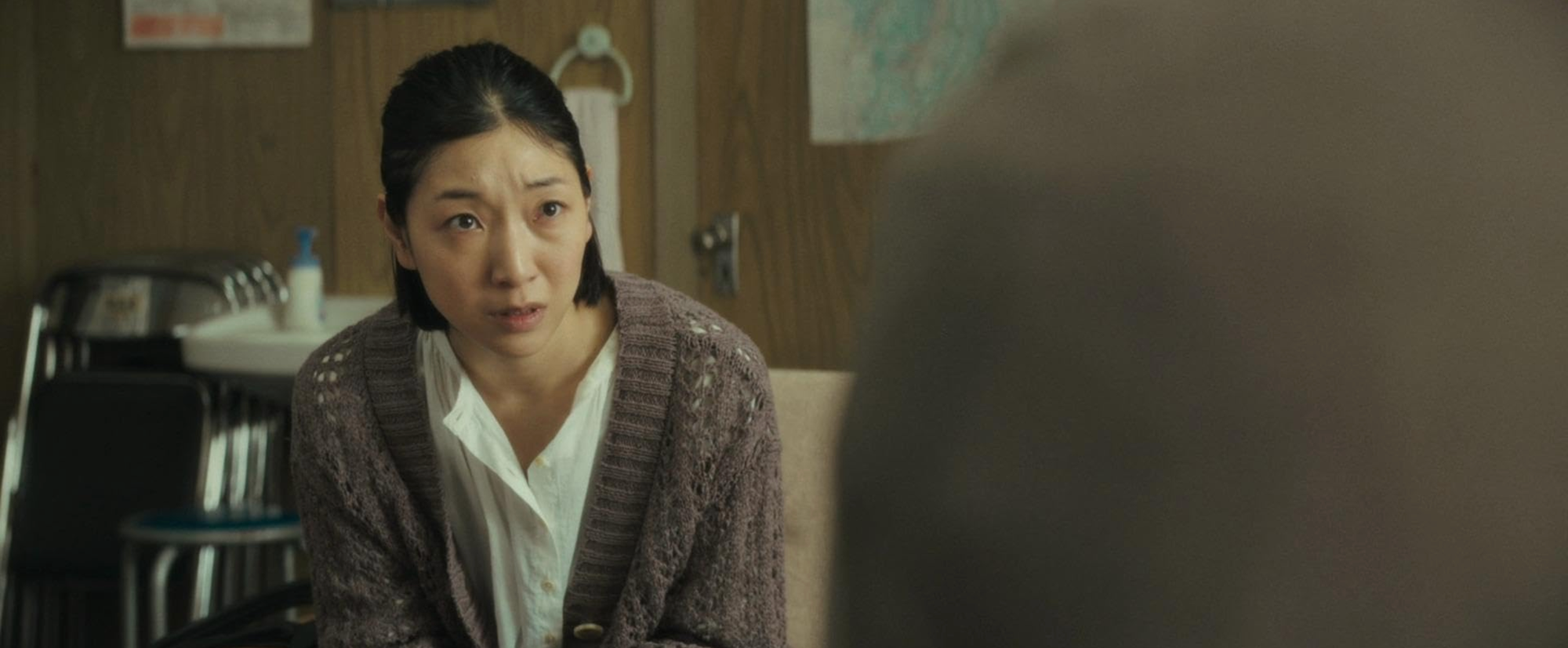
It starts with an incident of classroom misconduct, told eventually over three perspectives that each peel back a layer not just on the truth, but how much these young people allow the truth to enter. Minato has been acting differently for some time, in ways his mother can’t understand, including jumping from her moving car and cutting his own hair. Then, he returns with a bruise, and says their teacher Hori is responsible, repeatedly berating and taking out his frustration on the boy. When the mother rushes to the school for answers, brushed-aside apologies that obfuscate the truth given by the headteacher provide little in the way of answers, and only cause further anger.
It’s what colors our perspective when we are jolted back to view events from another perspective, it doesn’t add up. Because in reality, the incident occurs when the question of Minato’s bullying of another, more meek student, Yori, comes into question, when the truth underlying it is that the two are friends. Maybe even more, where the eyes of the teachers and adults can’t see.
This idea ties into the film’s title: who actually is the monster, and how much is that colored by the perceptions we learn second hand from others? That’s where the numerous perspectives come into play, too, creating a Rashomon-like narrative structure, though more in the sense of numerous retelling peeling back layers on the truth than that film’s competing ideas fighting to be the ultimate truth. Which, to give the simple answer now, is that there isn’t a monster. Not because there aren’t people in the wrong, but because the world is not as black and white as good guys and monsters would suggest.
Monster may be one of Kore-eda’s modern-day triumphs, for how it is structured and uses this to probe the questions of childhood sexuality in a society still yet to allow more open conversations on the topic. The more these perspectives play out the more we see adults determined to assign blame and fight a proxy war over a mark on a child’s face, when the reality is these are two children in pain, grieving, who have found comfort with one another.
Indeed, the film’s final third, which deserves the most conversation, is the moment where the inciting incident is pushed away to give almost exclusive time to these kids, and feels like a culmination of everything leading to that point. Because realistically the incident that starts this film is mostly a secondary matter, a mere symptom of something everyone else is yet to confront. A puzzle we are trying to unlock that isn’t meant to be solved.
In the woods, the two have crafted what is almost like a secret base to escape their troubles. They can be free there, to play, and discover, and simply exist. They’ve created essentially their own world, existence, silent language, free from the pressures to fit into a social order or hierarchy or follow rules that feel constricting. There’s never an explicit confirmation of their love, but it’s apparent, and it explains all the little moments that have peppered the partial perspectives leading up to this. There’s a reason it won the Queer Palme at Cannes the year it was released.
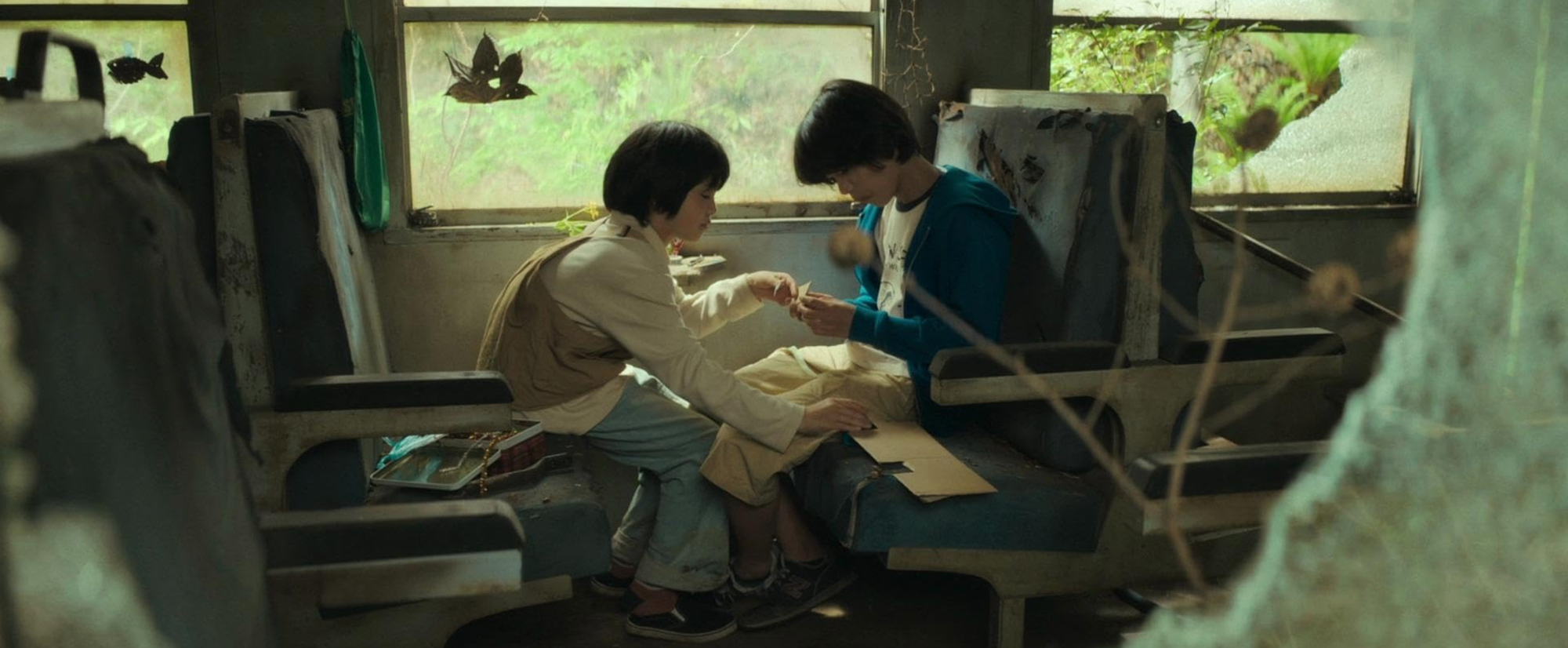
It’s a powerful story elevated by a great script, but it is a film that thrives on its performances. Trusting young actors to do great things has been a specialty of the director, but finding talents like Soya Kurokawa (as Minato, an actor who would later play a prominent role in Kokuho) and Hinata Hiragi (as Yori) is truly spectacular as both put on incredible performances in tricky roles to sell the uncertain emotions. It’s all in the small, almost-invisible movements that even experienced actors take years to perfect where the sense of their closeness is most apparent, and where it’s unclear to them the true meaning of their emotions. These are boys on the cusp in the story, experiencing things they don’t have the words for, and yet only with wiseness beyond their years can his be acted out like this.
Ryuichi Sakamoto’s final musical score is a minimalist piece for this film and similar does a great job of complimenting the film with distinct melodies without ever overwhelming it. If anything it may be one of his better scores of the already-strong latter years of his career, released posthumously and used to such great effect.
It’s as messy as it is heartfelt. A mother no longer knowing everything about a child searching for answers while a child does for themselves, and another tries to find who they are. Each being demonized in their own way, but who is the monster? The teacher bullying, the child unable to understand themself because society looks down on who they are? To be a “monster” has many meanings here.
And that’s the film’s power. It’s muddled chronology works because it shows the truth more than the subjective mind ever could, one that might be even more difficult. Because every time we see a repeated, lingering object in a scene, or hear the sound of a bystander pierce through a scene, it gains a new context, just like lifting the veil reveals another world.
Through films like Nobody Knows, Shoplifters and many others, the mind of a child and the autonomy of it is something that Kore-eda always respects, and it’s that which allows Monster to stand as one of his best works. Where we always assume something is wrong or must be fixed, the argument here is that we simply must understand by learning to hear the other perspectives, because one perspective alone will never reveal the truth. The layers will keep on peeling the more people involved, and the more times the film is seen and rewatched. It’s a masterpiece, but one that will leave you in tears.