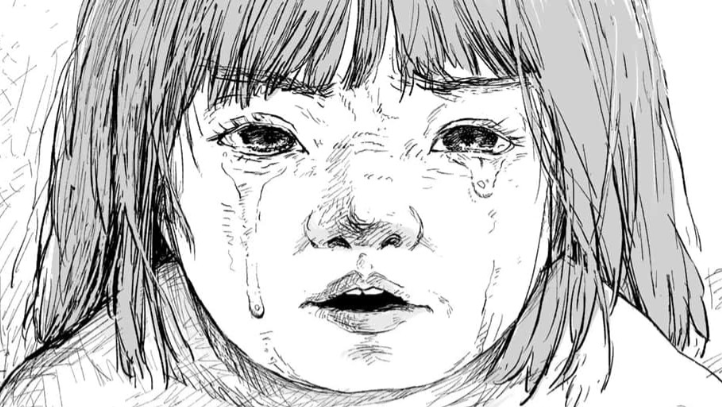
Adaptation announcements don’t usually generate much of a buzz on their own. Given the sheer amount of content coming out on a daily basis, the discourse doesn’t usually start until the broadcast does too, but Mii-chan and Miss Yamada is a different beast entirely.
Content warning: This article contains discussion of sexual assault and other NSFW content.
Less than 48 hours after an anime based on the original manga by Nene Azuki was announced for 2027, the production committee was forced to put out a statement following widespread online criticism. In it, the team committed to using the appropriate content warnings and consulting with experts to ensure that no “stereotypes or misunderstandings” would be propagated as a result of the series. That being said, they reaffirmed their belief that the original work was one with meaning that ought to be brought to life on the screen.
At exactly the same time, the account for the manga put out a similar statement, highlighting that the series was not made with discrimination in mind. For those not in the know, Mii-chan and Miss Yamada follows the story of the titular characters Yamada and Mii-chan as they work at a cabaret club in the Kabukicho nightlife district of Shinjuku, Tokyo. While Yamada is depicted as a normal university student, Mii-chan displays personality traits that seem to suggest some kind of development disorder.
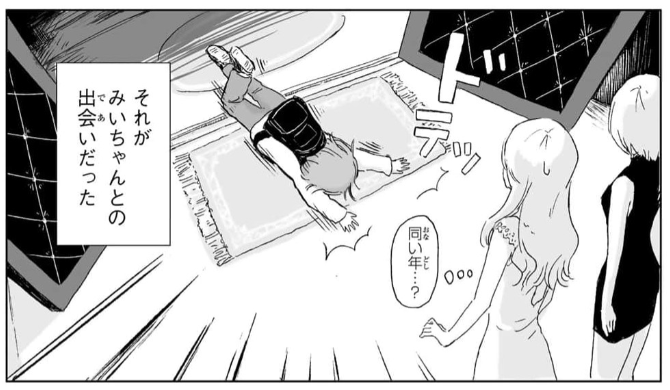
It is important to note that Mii-chan is never formally diagnosed due to personal circumstances that will be explained later on, but this is treated as a given within the narrative. Much of the aforementioned criticism relates to this particular character profile and the role it plays in the story as Mii-chan is not only depicted as troublesome and quick to anger, she also finds herself unable to escape the world of sex work, eventually quitting the cabaret club and going to work as a prostitute at a “delivery health” store.
A petition with over 5000 signatures on Change.org states that adapting a story with such themes could end up increasing biases towards those with development disorders if the team behind the production are not fully aware of the complexities behind the issue. With this in mind, it’s a good job that the original manga presents a nuanced take on Mii-chan’s personality and her relationship with those around her. For example, although her time at the cabaret club begins with many broken glasses and conversational faux pas, she eventually finds success with a group of dedicated regulars who find meaning in their interactions.
Her hypersexual nature, including some pillow service for loyal customers, is also attributed to a traumatic event in middle school where she was raped by three boys. On the whole, Mii-chan is presented as a tragic figure, consistently let down by society and those around her. The most shocking revelation comes early into the story, when it is revealed that her family refused to approve a transfer to a specialized facility where she could have received a proper education in order to save face. Mii-chan’s known status as a kid who doesn’t quite fit in is arguably nothing compared to the fact that she is the product of an incestuous relationship.
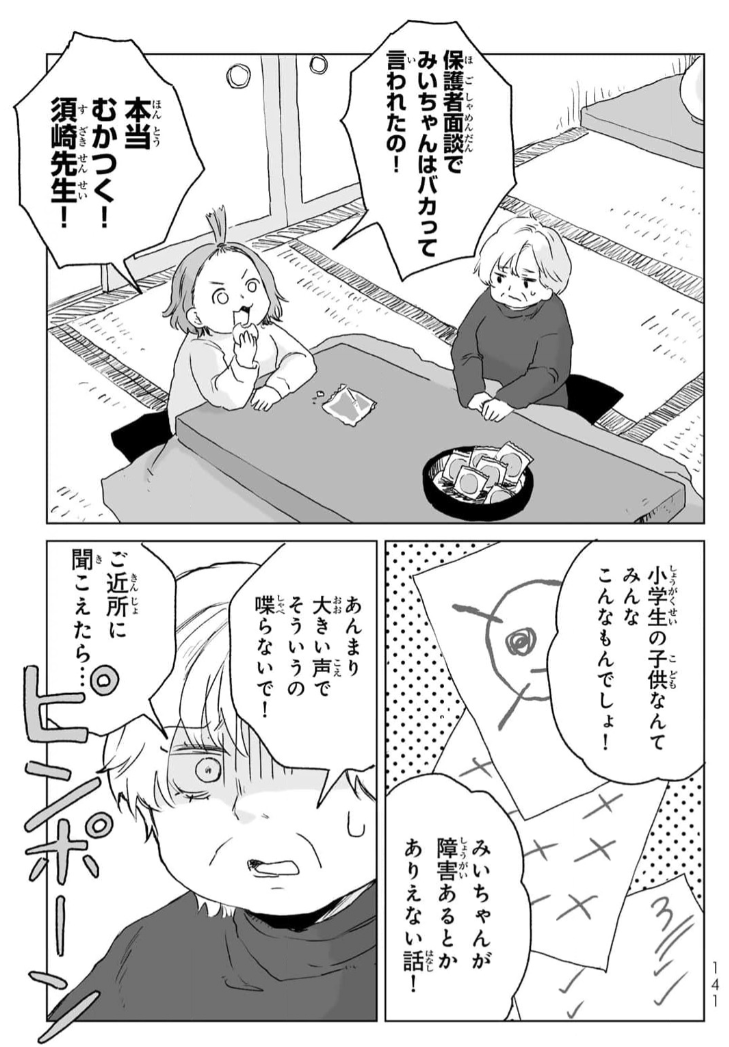
That being said, the story doesn’t shy away from the more difficult aspects of dealing with a development disorder as an outsider. As Yamada and Mii-chan grow closer, they share many happy memories and even move in together, but their relationship is far from perfect. One climactic moment comes when Yamada walks in on Mii-chan having sex in her bed for money: the eventual fallout leads to Yamada punching her roommate for breaking her drawing tablet, as well as the famous panel of Mii-chan’s “real” face.
Rather than present a rose-tinted view of development disorders, Mii-chan and Miss Yamada is more interested in the brutal reality. There is arguably merit in bringing this depiction to a wider audience, even if some elements are necessarily sensationalized for the sake of an entertaining story. Perhaps subconsciously, some critics are also uncomfortable with the fact that Mii-chan and Miss Yamada deals explicitly with the nightlife industry, from the legal world of cabaret clubs all the way to the grey area of delivery health clinics.
Sex work is surprisingly common in Japanese society, but there is an unwillingness to discuss it in a public manner due to issues of shame. Nightlife workers are also inherently viewed as inferior or unclean, meaning that their achievements or skills go unrecognized by society at large. As a result, Mii-chan’s achievements within the industry are naturally thought of as linked to exploitation and desperation without interrogating the moral standard upon which this is based. Certain standards are expected when using these services, but rarely are they reciprocated.

Unlike other entries in the recent subgenre of shocking manga stories entirely intended to drive clicks and discussion online (Takopi’s Original Sin and to a lesser extent Chainsmoker Cat), Mii-chan and Miss Yamada is surprisingly heartwarming for the most part and functions as part of a wider conversation around the issues it presents. If this makes people uncomfortable, then maybe this should provoke some internal reflection rather than a condemnation of the story itself.
Mii-chan and Miss Yamada will be published in English via Seven Seas Entertainment in December.