Tatsuki Fujimoto’s one-shot manga has lived a life few similar stories in the world of manga have been able to enjoy. A one-shot, typically, is the early breeding ground of a creator, a chance for an editor and creator to experiment and make mistakes while earning the experience needed to go pro. Or, it’s a test story or creative outlet released between works to let off steam before going back to serialized work. Sometimes they receive adaptations of their own, but it’s definitely not the norm. Never mind multiple.
But Look Back is special. There’s something magical in those pages, about why we create, why we live, why we love, and why we live on, condensed into such a short number of pages that many stories tend to times in length can’t convey. Typically, when a one-shot is, rarely, animated, it won’t move the needle or get a massive reception, and the initially-limited release of the anime film in 2025 suggested they expected the same here. Instead, it grew and became a phenomenon, at home and abroad, in part fueled by Fujimoto’s own reputation as a mangaka with Chainsaw Man, but also for just how beautiful it captured this story. And now Hirokazu Kore-Eda has turned it into a live-action film.
Ayumi Fujino (Natsuki Deguchi, and Fuuri Nanase during her younger years) is a young schoolgirl who enjoys drawing 4-panel manga for her school newsletter, but is hardly taking it too seriously. Her art is driven by characters, but she brags on how little time is spent creating more than the process. Then she spots a 4-panel rival her in the same newsletter, detailed in its recreation of their school, drawn by a girl who doesn’t even attend school for her fear of people named Kyomoto (Aju Makita and Rokka Okada). After being asked to deliver a newsletter to the recluse, their chance meeting forms a rivalry-turned friendship as the mere presence of Fujino is enough to tempt the girl out of her room declaring her a fan and inspiration. And that connection turns into a chance to draw, together, as they take the artistic road together through their school years.
It’s a simple story, in reality, both as manga and anime. Much of the rest of the story shows them trying, drawing, improving, impressing enough to have their expanded one-shot manga featured in Shonen Jump, until their paths diverge. But it’s a story about people, driven at its core by the power of passion and a desire to share that with the world, uplifting this story with stunning moments of mundanity elevated as though nothing matters. It’s also, notably, all been adapted before, in under an hour. What does a live-action adaptation really bring to the table, extended beyond 100 minutes, even with such a renowned director at the helm?
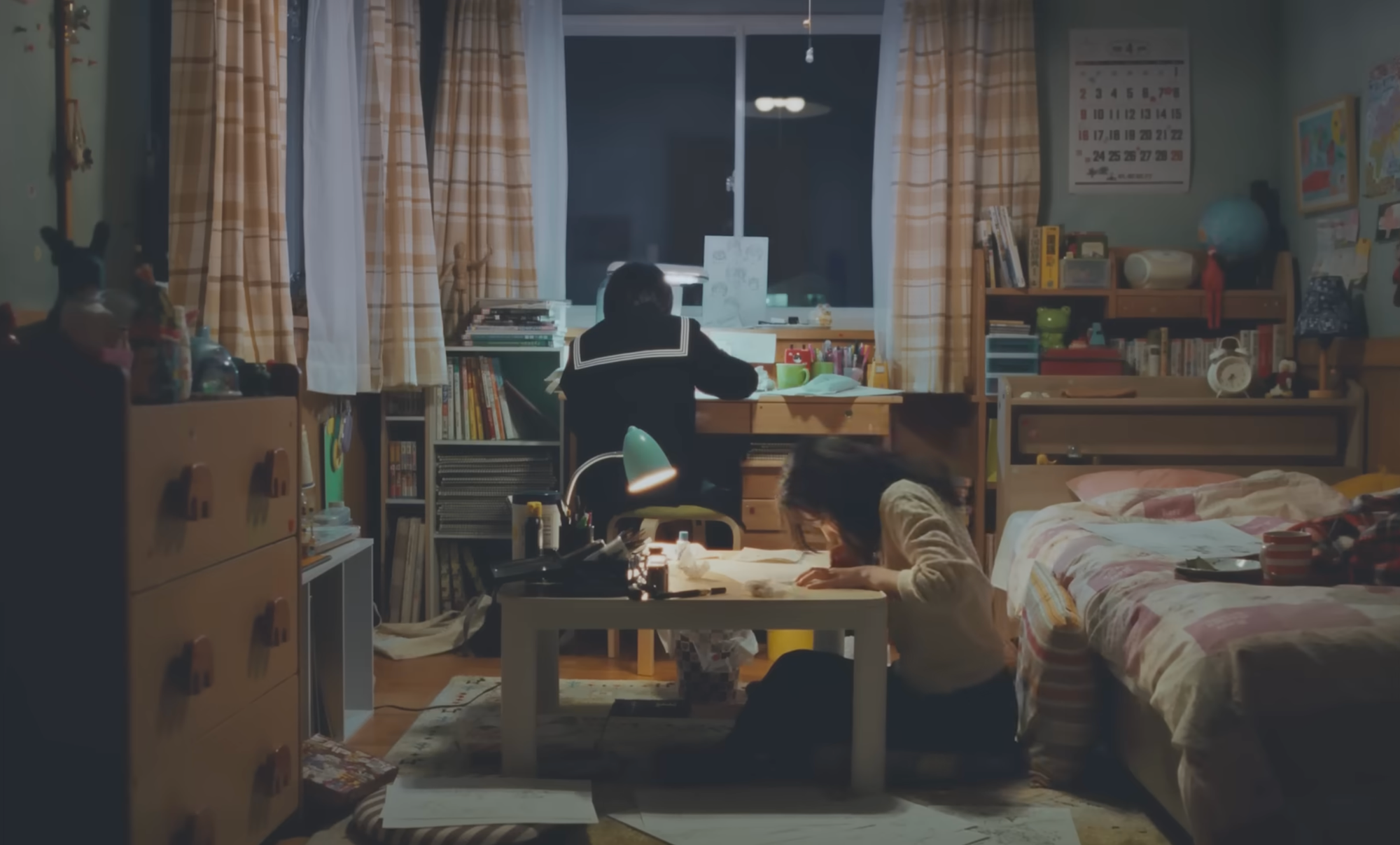
To state for the record: this is a superb adaptation. While not really adding anything new despite its extended length, time is instead spent sitting with these characters a little bit longer than was possible in previous adaptations. Long moments are spent of the young girls simply taking reference photos or, most prominently, drawing. Meticulous detail is spent capturing every brush of the paper with the pencil or pen as an idea becomes a character becomes a page becomes a story. Indeed, long moments are spent just in near-silence with only the sound of the pencil, but it’s within that we feel a growing closeness. Neither draw alone, and their shared efforts feel like a dance the two conduct together, arguably more here than any moment.
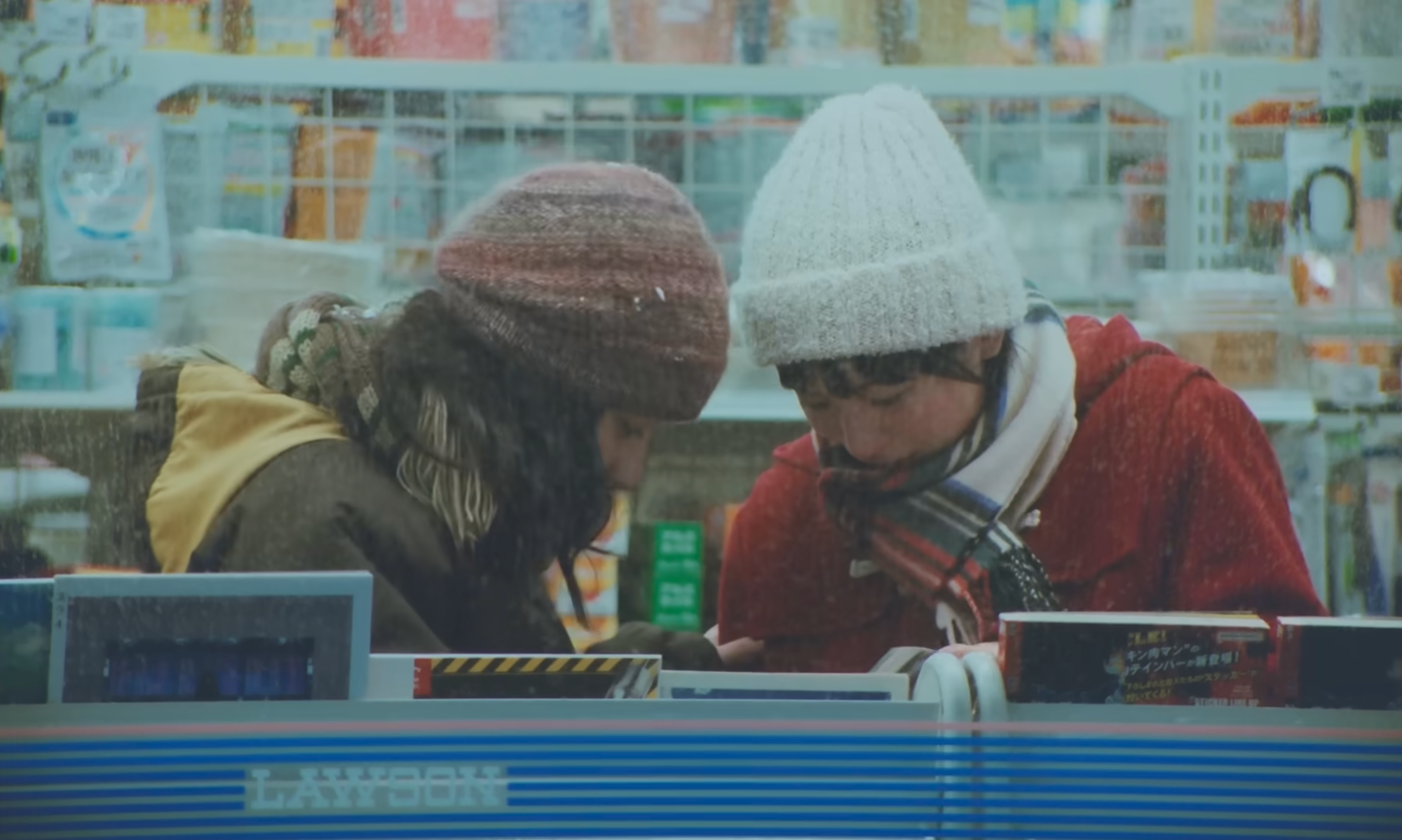
With Kore-eda’s knack for human drama, it should be no surprise that the film really emphasizes the little moments of what it means to grow out of your shell (in the case of Kyomoto) and to feel inspired and grow close to another (in the case of Fujino). Even when their paths do diverge, the way the scene is handled is with particular subtle-yet-sharp stabs of loss rather than betrayal, the overriding feeling to what it meant to not be able to continue working together more than any anger they may feel.
Kore-Eda has truly understood what this story means, and brought it to life. Where stories like 5 Centimeters Per Second perhaps struggled this handles the shift, capturing the overwhelming emotion of how creating art can be a form of expression even from beyond, and the message beyond the page. Most of all, he understands the limitation of live-action in this instance - a hand-drawn medium portraying the power of drawing is going to synergise and resonate more by nature of sharing a medium - and allowing those moments beyond the human bond to be handled by animators (in this case a sequence directed by Yuko Kuno).
But that’s precisely the point. There’s no reason a live-action adaptation can’t tell any manga or anime story to a competent or great ability, and this is a wonderful way of experiencing the story. Yet the only reason it exists is for the fact the story has become so popular via its anime adaptation that a new version is a great way to bring it back to audiences and almost guarantee a hit. That doesn’t mean you can’t create something great, but it does mean your story will inevitably be compared to what came before.
At the end of the day, for all I would happily see this again, it more reaffirms just how perfectly-crafted its prior anime adaptation was. At 60 minutes it was neither too long or too short, using animation and the way the medium can contort or even the way a stroke of a pen shifting can portray a deliberate emotion, and integrated it into a story where the point of the pen is where everything dissipates. There’s nothing wrong with Kore-eda’s take being longer, doing a few minor moments differently, or really anything to do with the work these actors or this crew have put together. It’s just that the anime is so well-crafted and beautiful that this doesn’t match those heights.
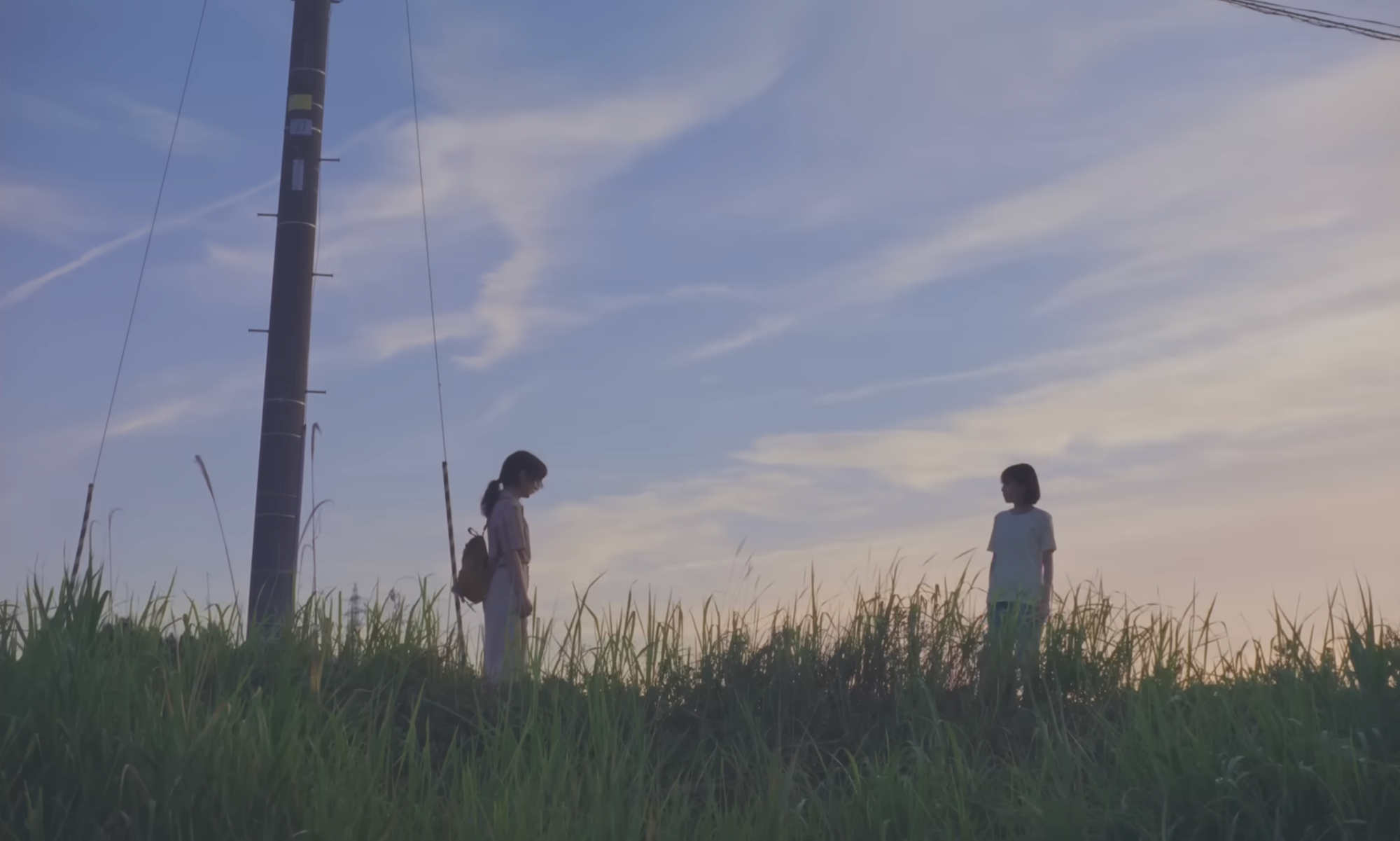
As a result, no matter how much I was still moved to tears or impacted by this film or thought it was a major improvement over the director’s rare miss earlier this year, it’s difficult not to wonder why I would prioritize this version of the story over its anime counterpart. At least a manga is a fundamentally different storytelling experience. An anime movie and a live-action film are still both films, and both being great and having some near-identical shot compositions just emphasizes how similar they are and how, despite the talent behind them, this can’t fully stand out from the shadow of the last.
It’s a genuinely great film. But not quite as great, and not fundamentally different enough to make it truly worth choosing over the anime version you can already see at home. You’ll have to determine if that is a good or bad thing.