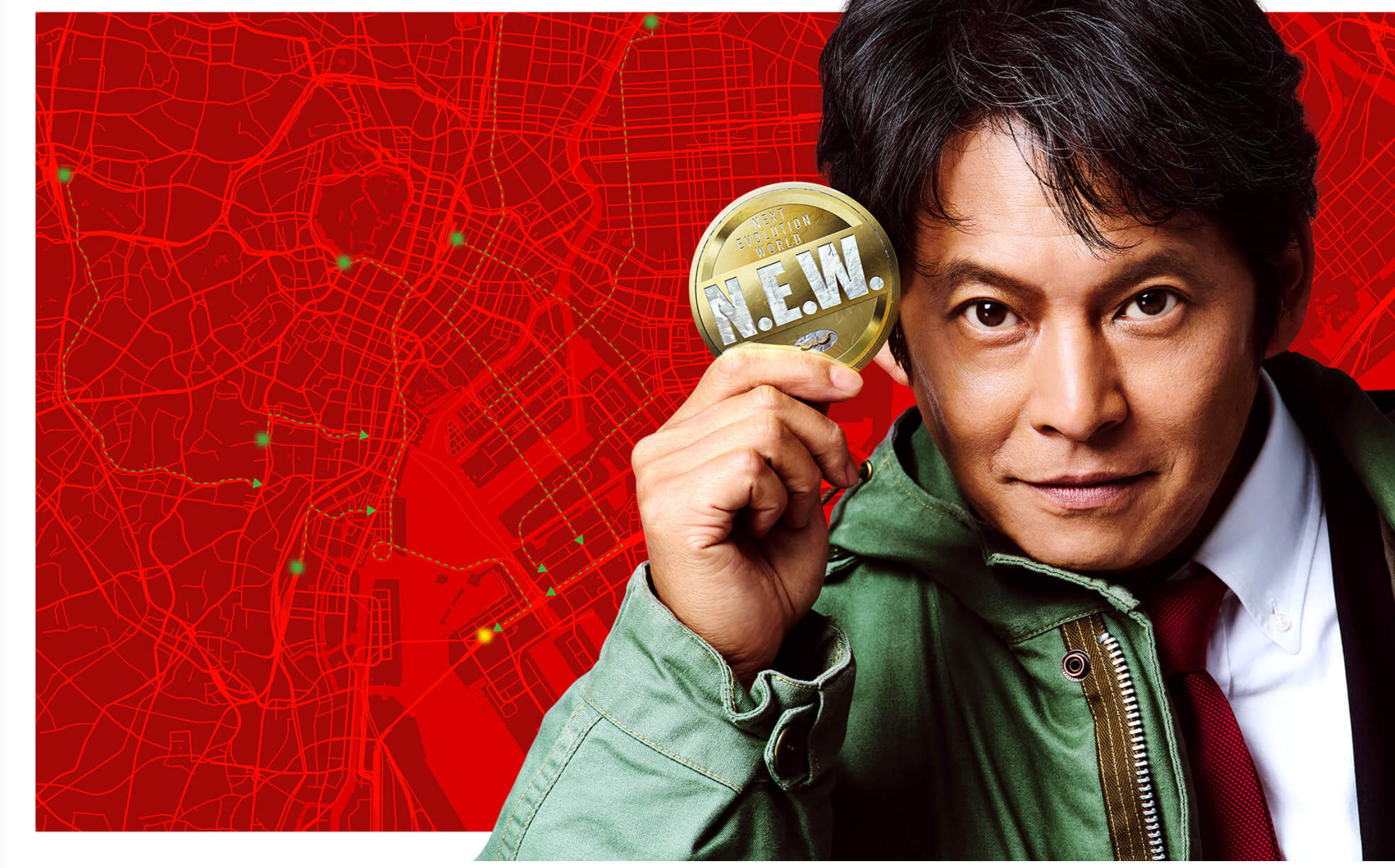
When the second Bayside Shakedown movie released, it was a phenomenon. Following on from the TV series and first movie, it would go on to be the then-highest grossing Japanese live-action movie of all time, something only this year surpassed by the success of Kokuho. Times have changed since that film’s release, and not only has the landscape of Japan’s movie industry changed, so has the landscape of its setting, Odaiba. As a result, things don’t quite hit the same as the franchise makes its grand return.
The film centers what is certainly a very modern crime for these officers to solve. Tokyo has been hit be a series of unexplained and increasingly-dangerous crimes, including a kidnapping where the perpetrators have threatened to detonate explosives unless the city caves to their demands. For some reason, detective Shunsaku Aoshima of the fictional Wangan Police Department in Odaiba has been asked to deliver it. Going alongside this, murders committed by 3D-printed guns lead to the theft of a potentially-lethal pathogen, with a threat to release it in the busy streets of Tokyo. Quickly assigned to the Tokyo Metropolitan Police Department’s First Investigative Division, Aoshima must not just limit himself to his Odaiba base but race through the city to prevent disaster.
There’s a specific core to the franchise rooted in what Odaiba was at the time of its release. For those unaware, the land is reclaimed, entirely artificial, making the very existence of the island of Odaiba very new in the context of Tokyo. For a long time, they also had no idea what to do with it. At the time of the series making its debut, there was a specific motive behind its creation that seeped into the very premise of the series itself. Fuji TV, the creators of Bayside Shakedown, were just moving to the area, and built a state-of-the-art HQ that remains one of the most striking buildings in the area, tall and unique and defined by its sphere at the core.
The thing is, surrounding it, there really wasn’t all that much in the city at the time. Indeed, some of the different constructions planned for the area had even been canceled as a result of a planned Expo that would justify the expensive train lines being built no longer going ahead, leaving the HQ essentially marooned in a sea of parking lots and estates. Bayside Shakedown is a police drama, but the point is that our protagonist, Aoshima, is left to man a station for which there’s little respect or authority. Why would you need to protect nothing, after all? The show found its endearment within that, as a show essentially about this left-behind array of empty space. Its second movie predicated on the idea someone would be aiming to blow up the Rainbow Bridge getting to the area.
Nowadays, the area could not be more different. The reconstruction project, either half-finished or barely started, is complete, and it has its own tourist destinations and people who live there. It’s become a destination for events: the recent Music Awards Japan were held here, you have the new Toyota Arena Tokyo that hosts basketball and other events, you have Tokyo Big Sight that hosts Comiket. The reputation of the area has changed, significantly. It’s still not as populous as other areas, sure, but there’s something here.
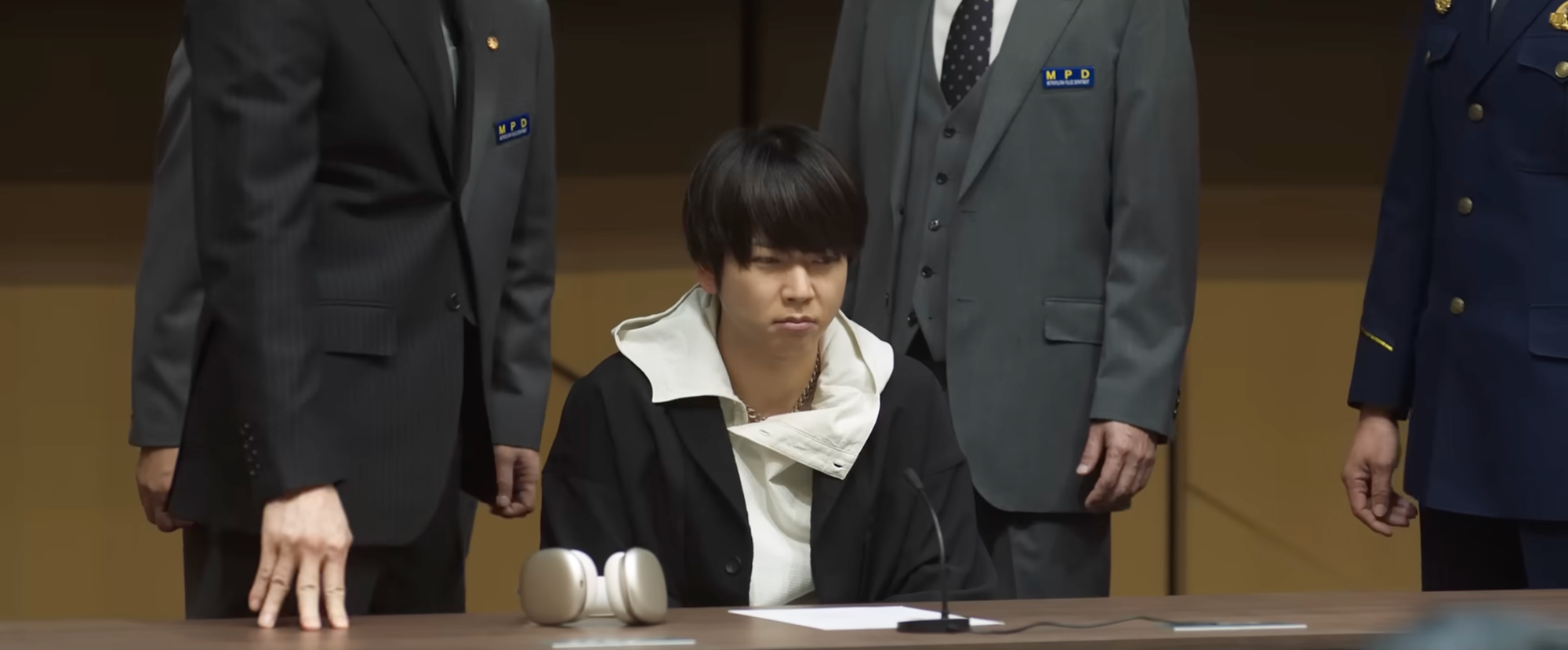
The landscape for the show itself has changed. Yuji Oda, who plays the once more inexperienced Shunsaku, is now nearly 60, and numerous other actors like Chosuke Ikariya and Toshiro Yanagiba from the show have passed away. What was once a case of young people bumbling with something to improve and a charm that exuded from it, now sits something very different. And as a result, the movie doesn’t quite hit the same as it once did.
This is the first movie in 14 years for the series, one that comes with the completion of the area it is set and a number of new cast members filling in the spaces left behind. The core crew remain in Odaiba, but their responsibilities begin to spread further. The subtitle for the movie even refers to how this film expands beyond Odaiba to cover the entirety of Tokyo.
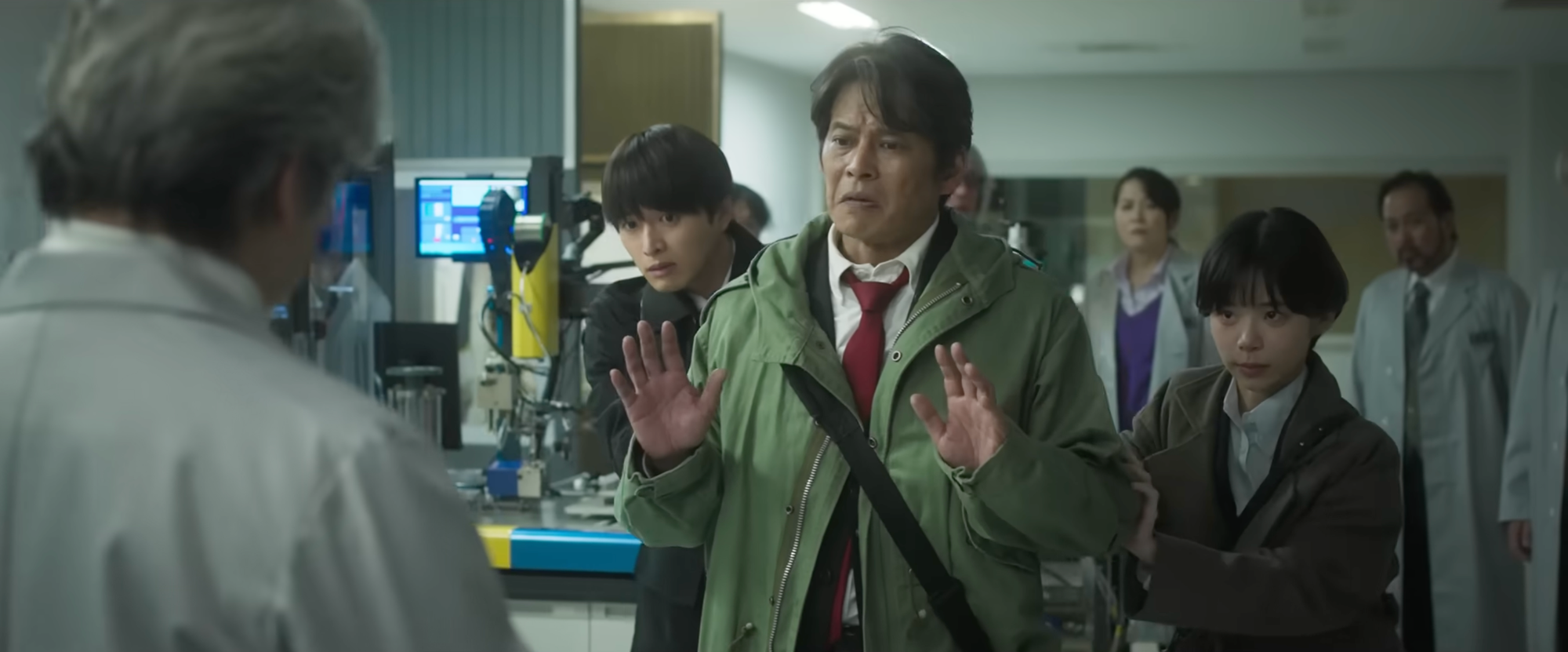
At its best moments, you remember why the original was such a hit. While some moments may echo of self-reference as it calls back to moments of the series, partially as fan service, it’s during these familiar moments that Oda almost regresses back to the character he once was as an investigator. Indeed, with age comes an essence of cool as he pushes himself to solve the case. The movie plays to the idea that the Odaiba precinct remains a lesser force compared to the city-wide officers as they overrule (at times to the point of hurting the pursuit of a suspect), which allows him moments to disobey and run at his own conviction. It resonates, especially at a time when many feel dissatisfaction at those in power.
It also allows itself to relax and have fun, with some genuinely great comedy. Only, it’s once it moves beyond the familiar, and even at times within it, where the story stumbles. Sure, the top brass will always feel themselves superior to any precinct, but there’s a manner to which the way they view Odaiba that doesn’t work in the way Tokyo has changed. Similarly, the fact the story acts more beyond the borders of the area feels like an admission that elements of the series no longer work within its original concept.
An audience that has moved on, a city that has changed to the point its origins in the series are no longer recognizable. Beyond fanservice, it begins to leave the question of who the series is for. After all, it’s not like there aren’t other police drama that speak to the more resonant current audience: Vivant has proven itself to be one of the biggest Japanese drama of the decade as a police series doing exactly to this. Even with a modern story, Bayside Shakedown N.E.W. feels old and out-of-step by comparison.
This is not to say that old can’t be enjoyable, but that more fits for revisiting the past. Attempting to go for something new in the present doesn’t quite work, in the end, and it’s a shame. There’s still moments, but time has taken its toll on the series. Life has moved forwards, and maybe its time to leave this story behind, too.