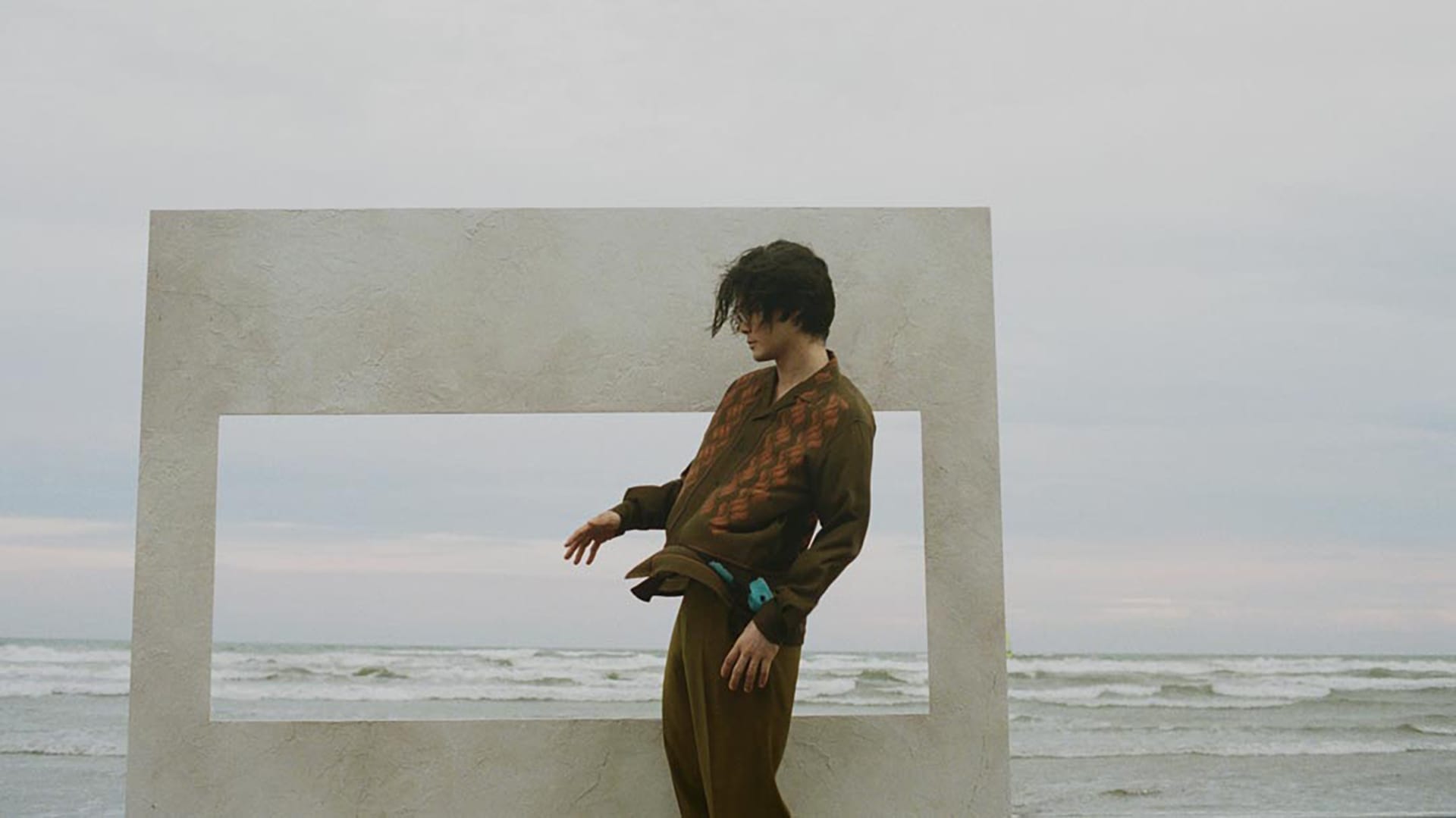
Centimillimental is a musical project that has gone through a few different forms since its beginning in 2012, but at the center of it all has been the songwriter and singer Atsushi. Getting a start with music since a young age, Atsushi has dabbled in a range of different creative endeavors and disciplines across his career. In the late 2010s Centimillimental shifted to a solo work, with Atsushi taking on all of the core creative roles as songwriter, composer, singer, and instrumentalist and making his major label debut in 2019 with the song “Kizuato.”
In 2025, 4 years after his last album, he released his latest full-length Centimillimental album titled Cafuné and simultaneous took his first major step internationally with his latest tour. We had the chance to correspond with Atsushi while he was in the middle of this outing, digging into the process and mindset behind his latest work, his work in anime, and how the international touring experience has been.

You got your start with music at a young age with a classical background, and when Centimillimental started it was a full band, but now it’s a solo project. Can you give us a breakdown of how you transitioned from these earlier periods to where you are today?
Atsushi: Centimillimental originally started in 2012 as a four-piece band. However, for several years things didn’t go the way we had hoped, and by 2015 the band was essentially on hiatus.
During that time, I launched a solo project under a different name called Nee, Wasurenaide ne. Later that same year, the project won the Grand Prix at “Inazuma Gate 2015 supported by Epic Records Japan,” which was an audition event for a major-label debut that had over 5,000 applicants. That opportunity directly led to my current label deal.
In 2019, I was in charge of the sound production and opening theme for the anime Given, and made my major debut together with the in-story band Given. That series of experiences ultimately shaped Centimillimental into the solo project it is today.
As a solo project you not only sing and write the songs, but also perform many of the instruments as well. Did you already have experience with multiple instruments prior to going solo or was that something you picked up along the way?
From the early days of the band, I was already in charge of arranging the songs. As members gradually left, I started playing guitar myself during live performances as well. Through that process, I naturally developed my current live style, where I switch between keyboard-vocal and guitar-vocal depending on the song.

Although you’ve been active as a solo artist for quite some time now, is there anything you miss about the aspect of performing and creating with a group of other people?
Even now as a solo artist, I’m fortunate to be able to perform live and create music in a band format with support members. Although they are technically support musicians, we share the same mindset and groove as if we were a real band. Because of that, it truly feels like I’m playing in a band again, even today.
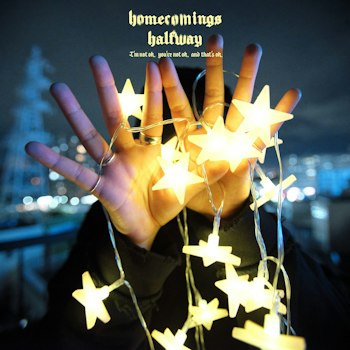
This past year you released your second full-length album, Cafuné. Can you tell us a little bit about your creative process and how the album came together?
I first laid out the songs that had already been released and looked at them as a whole. From there, I started building the album with the idea of expressing different forms of love. Loving someone is something very ordinary, yet at the same time miraculous. I chose the title Cafuné because it felt like the perfect word to convey those feelings and the quiet, intimate moments that come with them.
I mean this entirely positively, but compared to your first album, Cafuné has a softer feel to me when I listen to it. Was this an intentional direction you took when creating the album?
It wasn’t something I consciously set out to do, but as I was expressing love throughout the album, I naturally wanted it to carry a sense of softness and warmth. With that in mind, I wrote a gentle song called “You” as the lead track to represent the overall mood of the album.
Is there anything you hope that listeners will take away from Cafuné if they’re new to your work?
I believe that love has both a front and a back — beauty and ugliness, light and shadow. That fluctuation itself is what love really is. If listeners can feel and reflect on both sides of love through this album, I would be very happy.
Moving to a different topic. I think it’s fair to say that many of your fans in the west learned about you from your work with the anime series Given and “Kizuato.” As someone with a catalog largely outside of the realm of anime, what are your feelings on its role in introducing music to an international audience as of the past several years?
I think it’s wonderful that anime has been so highly appreciated around the world, and that music connected to it is able to travel globally alongside it. Thanks to that, I’ve been able to visit many different places myself, which I’m truly grateful for. The power of anime to bring people together across cultures is incredible, and I believe that this influence will only continue to grow even stronger in the years to come.
Speaking about your work in anime, did your approach in creating music for the medium differ from your usual creative process at all? Were there any difficulties you encountered while working on them?
Honestly, I don’t draw a clear line between those processes. In both cases, my goal is always the same — to create something meaningful to me and the best work possible. Whether it’s a song I perform myself or music I provide for others, I want it to feel real and to carry a sense of human warmth. There were certainly many challenges, but Given in particular came with a unique kind of pressure, since it originated as a manga. Adding sound to something that originally had none meant working carefully not to break the image readers already had, while also trying to go beyond it. It was very much a process of feeling my way forward.
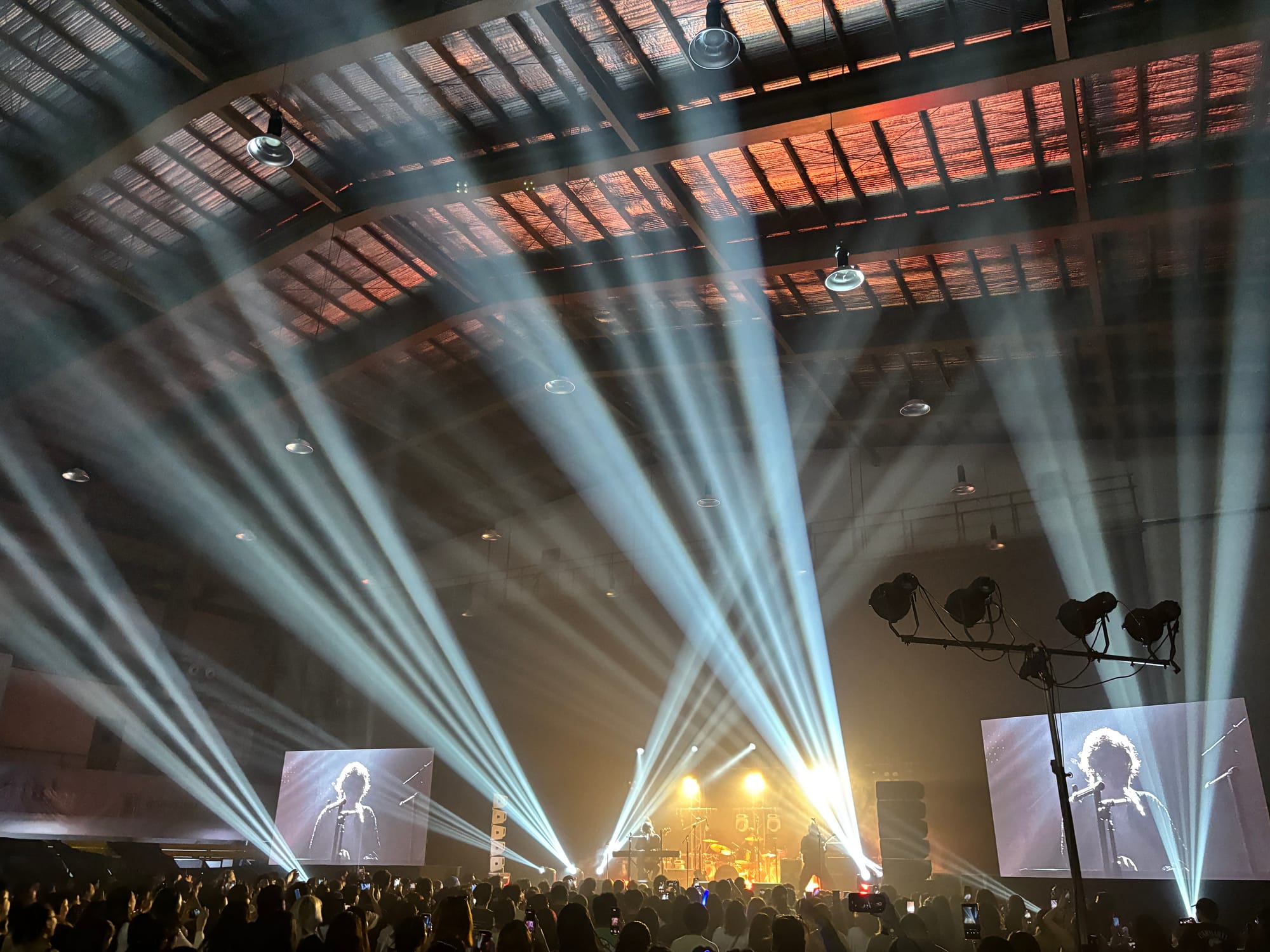
At the time of these questions you’re in the middle of your first international tour with stops in Asia and Latin America, how has your experience performing internationally compared with performing in Japan?
What stands out most about performing overseas is the incredible energy of the crowd — the cheers are overwhelming in the best way. In Japan, there’s more of an atmosphere where audiences listen very closely and immerse themselves in the music, so I feel there’s a clear difference in how people enjoy live shows. Both have their own unique appeal, and I enjoy each for different reasons, but the rush you get from being lifted by the excitement of an international audience is something special every time.
You’re visiting 5 countries during the course of the tour, and as mentioned they’re all in Asia and Latin America. Are there any specific countries that you would like to be able to include on your next international outing that you couldn’t make it to this time?
I’m already very grateful to be able to visit so many places as it is, but personally, I’d love to go to Canada and Australia next. To be honest, the reasons aren’t so much musical—Canada for its vast, beautiful landscapes, and Australia because I’d love to see and interact with the animals. It’s a bit of a personal wish.
To wrap things up, you’ve already done so much in your career and have made the step onto the international stage this past year. What’s next on the horizon for Centimillimental?
I feel that there are still so many people, both in Japan and abroad, who haven’t yet encountered my music. If I can reach more listeners and connect with them on a deeper, resonant level, I believe I’ll be able to see an entirely new horizon. Reaching that place would allow me to further expand my range of expression as an artist. At the same time, I never want to forget the people who have already found my music. I hope to continue creating music that stays close to their lives — something they won’t grow tired of, and that can accompany them through different stages of their journey.