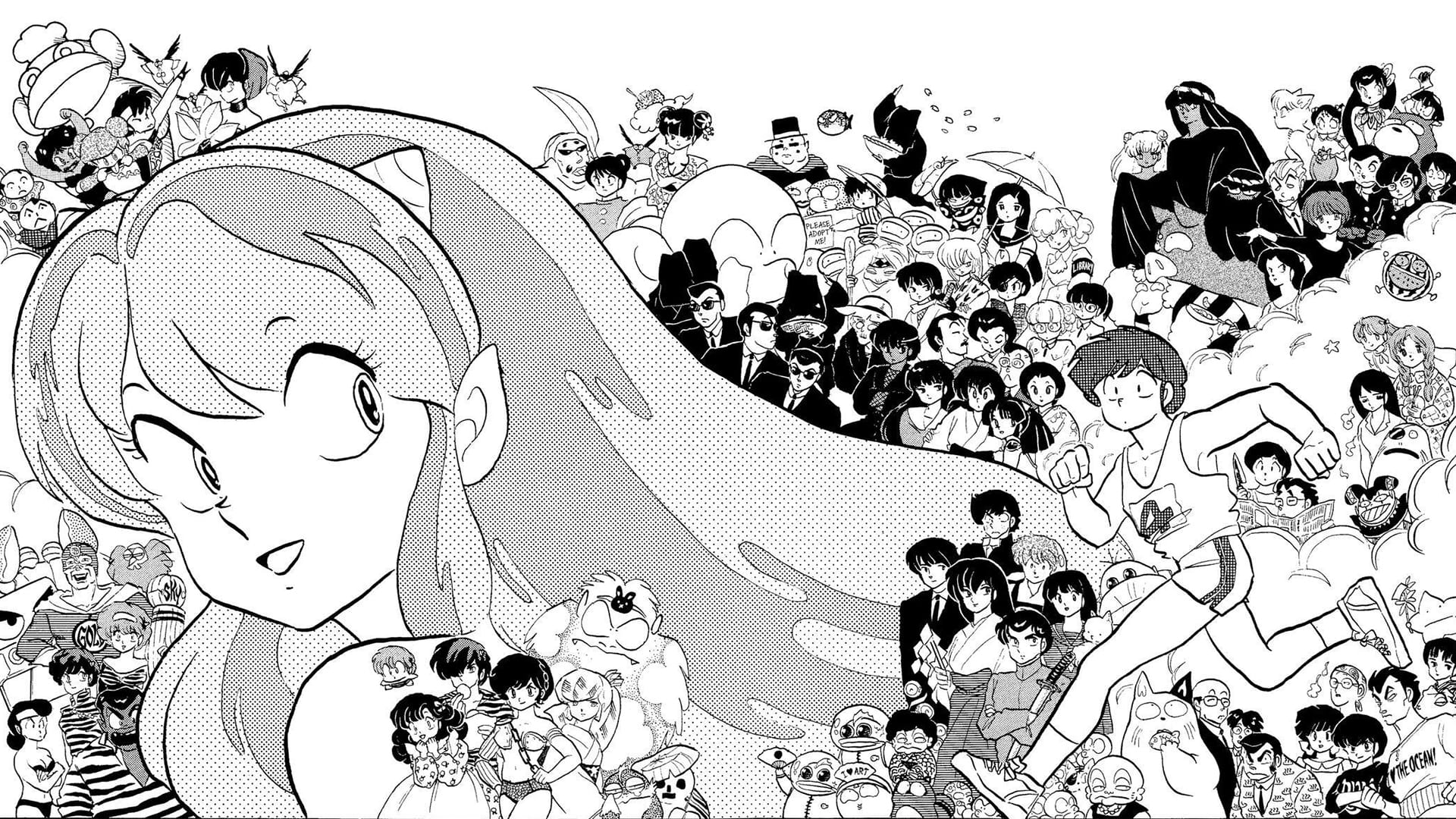
Traditionally in the world of manga publishing, the vast majority of series first gets serialized in a weekly or monthly magazine like Weekly Shonen Jump or Kodansha’s Monthly Afternoon, with individual chapters of any given title being released at set intervals determined by the publishing schedule of the magazine that houses it. When enough chapters accumulate to fill a single book, somewhere between 180 and 220 pages in your average Japanese “tankobon,” said publisher will release the collected chapters in a clean volume with eye-popping color cover art, often looking quite attractive on a bookstore or home shelf. For decades readers already could read manga in two ways; Chapter by chapter in a serial magazine or a heap of chapters at once in a volume release. In the era of digital manga subscription services however, one can binge an entire manga series that took its artists years to create in an afternoon.
This in effect fundamentally changes any given manga.
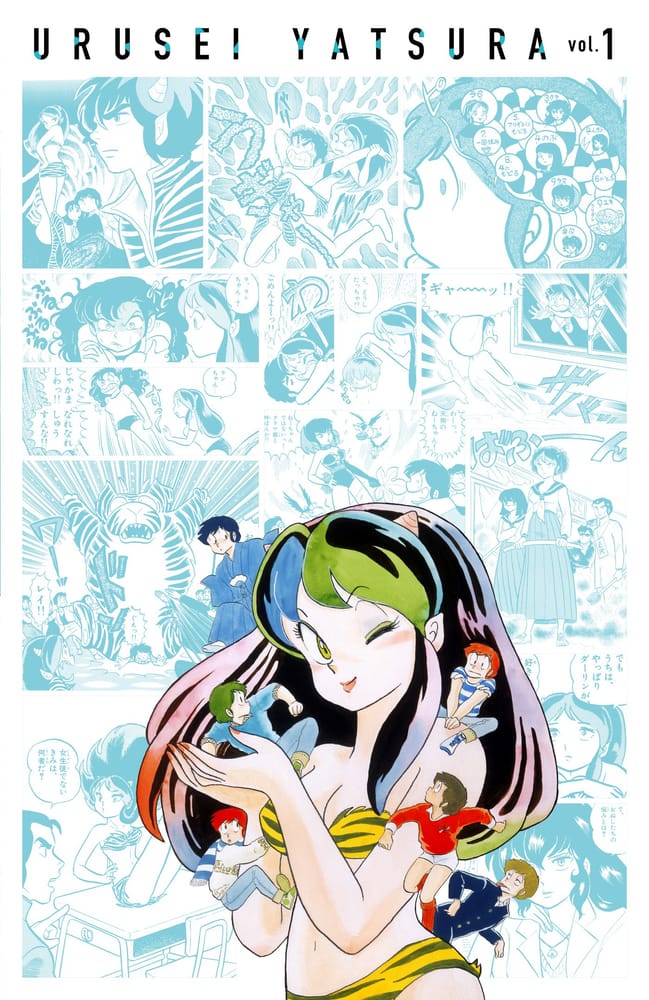
Enter Urusei Yatsura, the landmark manga gifted to humanity by Japanese comics saint Rumiko Takahashi, serialized by the future Ranma ½ and Inuyasha creator in Shogakukan’s Weekly Shonen Sunday between 1978 and 1987. The work follows the girl crazy slack off Ataru and the hot headed oni alien Lum whose head over heels for the lousy high school boy, amongst an ensemble cast of zany, memorable secondary characters each with their own shtick; The honorable rich kid, a literal ice queen, a boyish girl whose taken to the martial arts that predates Ranma, Takahashi created enough out-there characters to fill 34 volumes, or 366 individual chapters, of this weekly gag manga that by all accounts remains a venerated classic.
Countless accolades & unyielding influence that continues nearly 50 years after its original publication, several revered Mamoru Oshii crafted animated adaptations, its star a true Japanese pop culture icon, with all this going for the series, what could possibly be the issue?
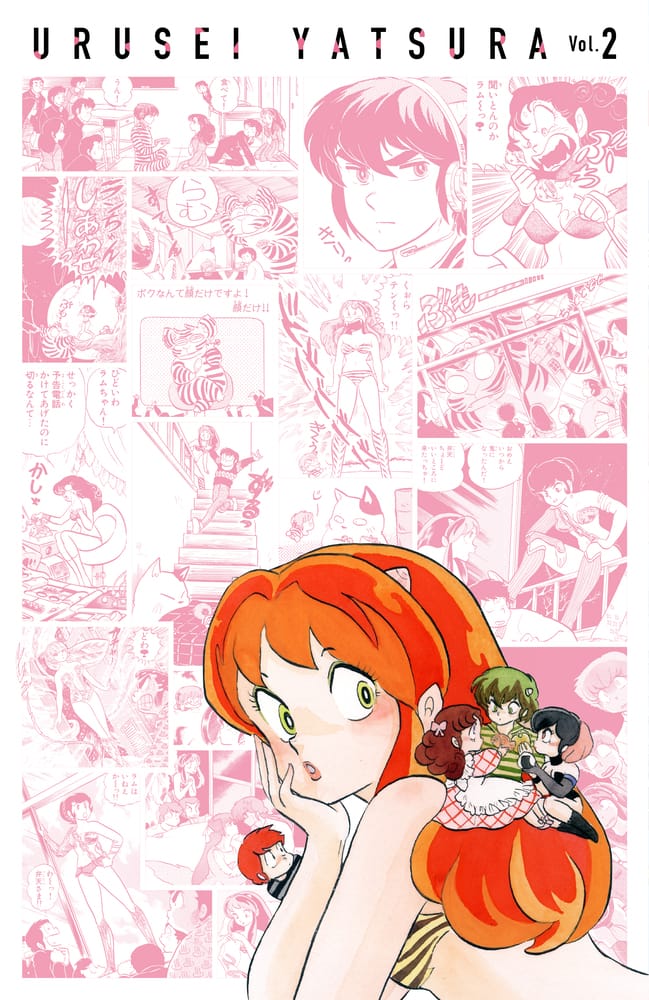
Urusei Yatsura largely plays out as an episodic manga series. Sure over the course of its 366 chapter run a few double or triple chapter stories comes about, maybe a small handful of arcs that comprise half to two thirds of a single collected tankobon volume, but by and large these comedic hijinks occur in singular 16 pages chunks and that includes the title splash! Maybe in one chapter Lum’s childhood friend Ran remembers an argument that broke out between them as kids and tries to fight Lum, in another Ataru tries his hand at winning over a beautiful spirit apparition to Lum’s violent chagrin, only for the status quo to be reached once again at the end of the chapter.
Both these set ups get used at least half a dozen times amongst the myriad other standards Rumiko Takashi keeps in her pocket, meaning objectively in these self contained stories the series relied on some repetition over its nine year serialization and its here where how Urusei Yatsura gets read fundamentally changes the quality of the manga, and potentially a reader’s level of enjoyment.
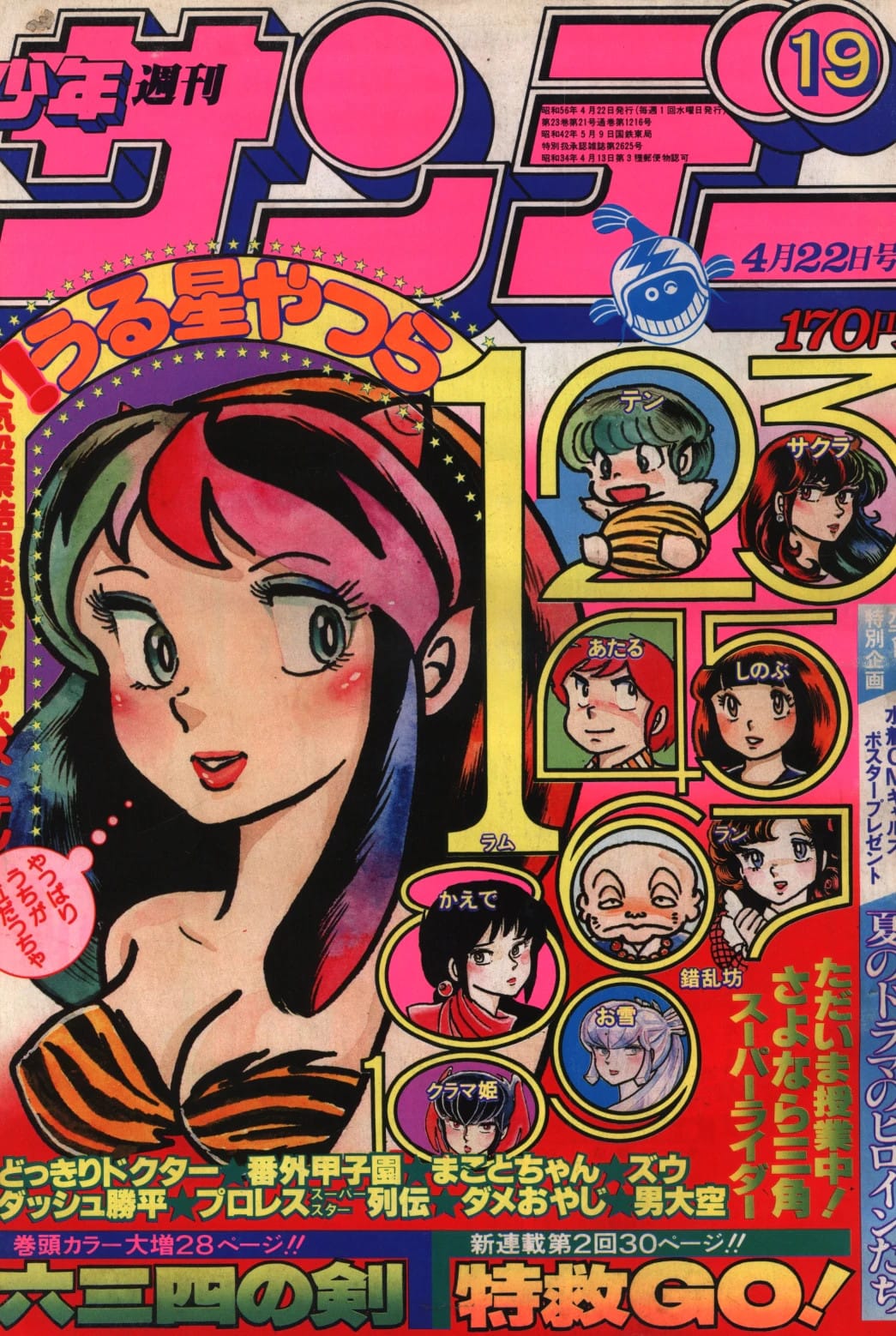
Imagine you’re a manga connoisseur in the early 80s, enjoying Urusei Yatsura while dutifully picking up Weekly Shonen Sunday every seven days. You finish up your self-contained Urusei Yatsura chapter for the week, enjoying the banter between Ataru and the quick to ire, beautiful school nurse Sakura, before hopping over to the latest thrilling installment of the generation defining baseball class Touch, alongside taking in more than a dozen other series. In this context, that singular Urusei Yatsura romp would both feel complete and not come across as more of the same, as you’d be reading it amongst a variety of series each with a different story and style.
Maybe you just could not be bothered with weekly manga mags and instead opted to partake in Urusei Yatsura through its collected volumes, releasing four to five times a year. In this fashion, every couple months a reader spent a nice bit of time with Ataru, Lum, and co, taking in their shenanigans as one might a short stories collection, while being able to put them down for a breather until their next collected effort hit shelves weeks later; The gang leaving just before they overstay their welcome every time. Though one wouldn’t feel the repetitive nature in any one sitting, even when being penned by the Rumiko Takahashi, her aptitude for penning charm and expression in every panel second to none, could 34 doses for 11~12 individual Urusei Yatsura tales stay fresh?
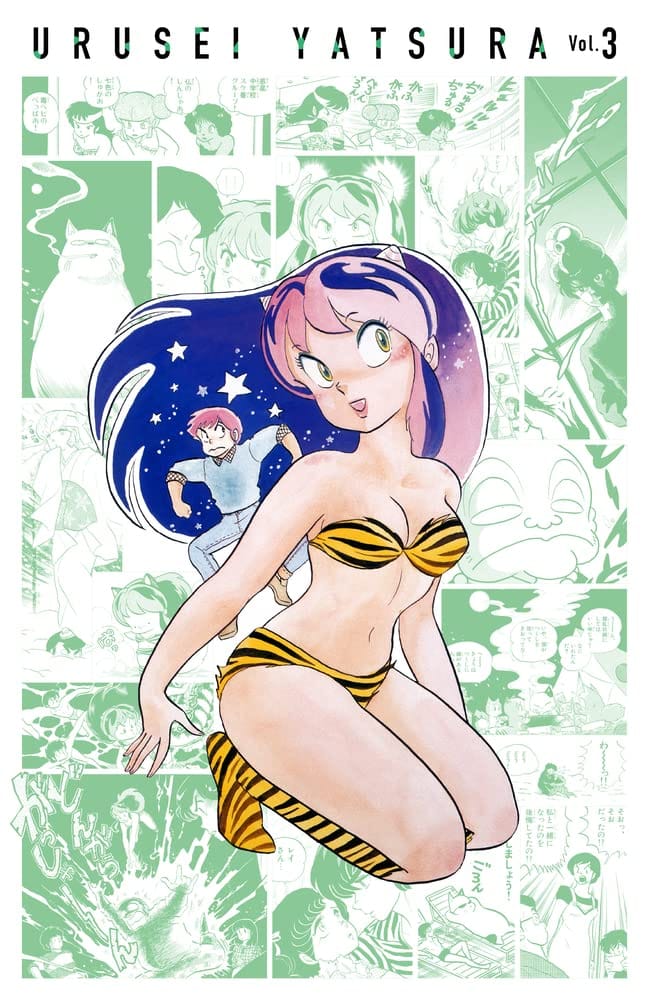
Now try mainlining all 366 chapters of the 95% episodic Urusei Yatsura in the Viz Media app; One would likely get tired of what’s unanimously considered one of the all timers very quickly, despite the reputation, despite the artistry, despite Rumiko Takashi’s blood sweat and tears. Ideally an episodic series adds a little bit of characterization or world building with each chapter even when withholding big climatic events, but with Takahashi distinctly prioritizing any individual chapter of her landmark series over the work as a completed whole, more often than not she simply hand delivers to the reader an extremely polished sojourn over character growth or significant story development.
Calling this a “flaw” would be shortsighted as the episodic approach makes total sense when considering the original form factor of Urusei Yatsura, singular chapters in a manga compilation magazine nestled in a wide variety of comic narratives and styles. Does this mean, since most manga indeed still get published in such a format, all series demand to be read one chapter at a time once a week? Not so, as reading any given long form One Piece arc like Wano or the three year long Naruto climax that in universe takes place over a single night vastly improves when taken in as whole, read in batch.
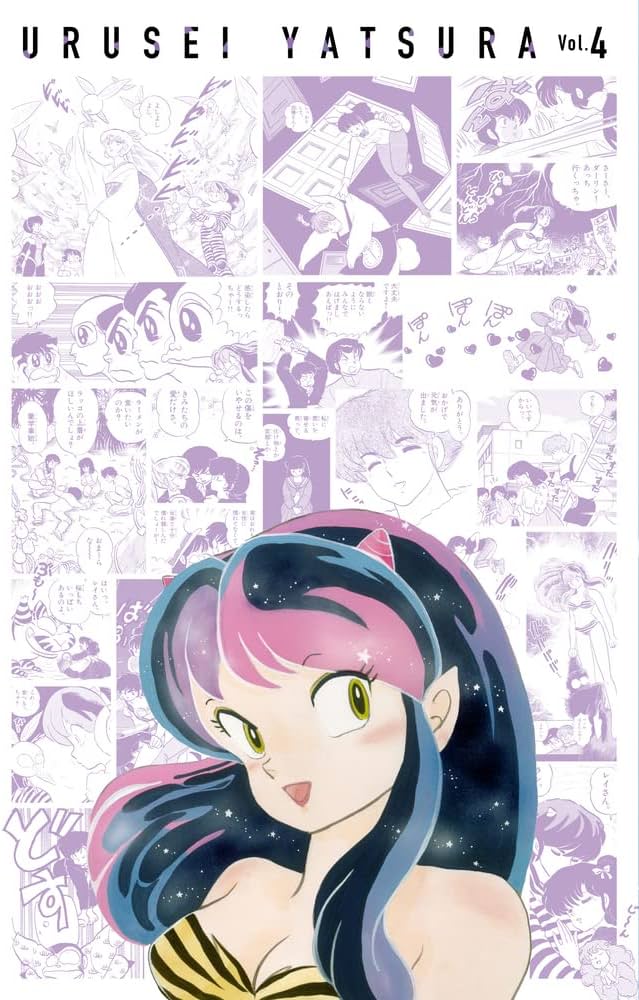
Still, in a modern streaming & digital culture that prioritizes instantaneous release and gratification over a longer time investment from audiences, even a masterwork like Urusei Yatsura can suffer through no fault of its own.