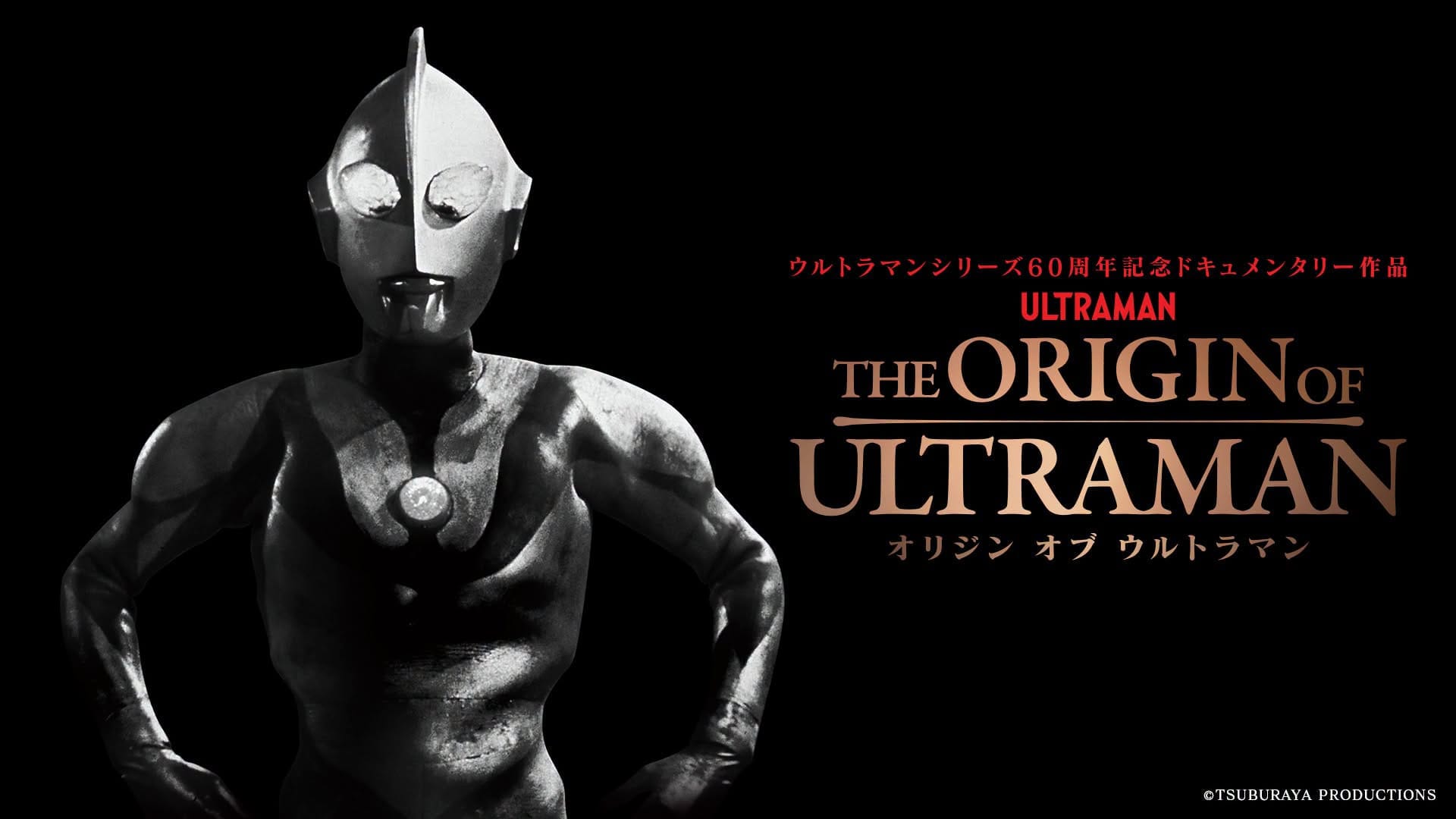
As the documentary opens, a rush of nostalgia hits the screen. Accompanied by the now-iconic theme for Ultraman himself, we see the now-aged but still-charming fights and iconic moments from the initial Ultraman series and a few later iterations play on screen like a clip show recalling an icon himself. Then, to introduce the franchise itself, we go not to Tokyo, but to the US, to speak instead with Nicolas Winding Refn about their own personal discovery of this quirky tokusatsu icon as a young immigrant kid living in America.
It’s an unusual choice to open a documentary that is pointedly called The Origin of Ultraman, but it soon becomes clear why this interview, rather than a history lesson, serves as the opening of this film. While this production is not exactly a revelation for uncovering new information on the iconic series (with many of its original names now old or having sadly passed away, to do so would be a challenge), the title speaks to the human heart of the documentary. Because the origin of this legendary IP is not on screen, but in the people who fell in love with it, and through a range of talking heads interviews with famous actors inside and outside Japan, this is exactly the argument the documentary seeks to make.
Produced by Tsuburaya Productions and TOHO, making this documentary as official as it can be in terms of corporate promotion for a series, this film seeks to recap the circumstances that brought the beloved franchise into the world, and how it grew into the phenomenon it is today. In many ways, it can truly feel like the stars aligned to bring a series that should have failed into the world. It should have been too expensive to produce, especially since Eiji Tsuburaya, special effects wizard recently departed from TOHO having created Godzilla and other beloved kaiju for the studio, was working on the series for his then-new studio. These were some of the most expensive films to produce at the time, so the idea of shrinking it to TV every week and making it work seemed impossible.
Yet those years of relationships and his talent for creating tokusatsu effects and kaiju came into play here, with a mix of repurposing old costumes from his old creations and reused effects keeping costs low enough (it was still expensive) to justify it being made. It helped that, at last, Japanese TV was booming, thanks to a mass adoption of the technology from households desperate to catch coverage of the 1964 Tokyo Olympics prior to the 1966 debut of Ultra Q.
Even that series, while popular, was not the instant success that would explain the decades-long success story that would follow. It was a monster-of-the-week caper with Science Special Investigation Team working to learn about and chronicle (as well as occasionally deal with) the many kaiju they uncover living among us on Earth. It’s more a mystery series with a sprinkle of horror in line with series like The Twilight Zone, with no Ultraman to be seen. It was also shot entirely in black and white, with color televisions still in early adoption at the time. It took for the sequel series to introduce the alien Ultraman we love today, sending a ‘popular enough’ series stratospheric and launching a merchandising revolution as the series became the biggest in Japan.
The story of how the franchise barely came in existence is recapped in welcome detail in this documentary, making it a genuinely useful introduction to understanding the birth of the series. Yet for something called The Origin of Ultraman, where the intricacies of this story could have been the primary and solitary focus, these facts are laid out within the first 20-25 minutes of what is an over-90 minute documentary. The rest of the time takes us to the people the series impacted, which brings us back to our Scandinavian in New York, Nicolas Winding Refn.
Whether this is intentional or not is something I was unable to determine - it can at-times feel that the film wants to tell a very corporate, approved tale of the franchise’s creation while getting famous names to lend their likeness to talk about their own love for it. Having famous names endorsing your major IP in an anniversary year, just as it's enjoying a global revival in interest as Ultraman’s global YouTube livestreams lead a charge to bring the form internationally more than ever before, is certainly nice. The double entendre of this choice, however, is how it intrinsically ties the origin and legacy of the series not solely to its creators, but the fans who fell in love and transformed their own lives in inspiration of the series.
For Refn, their love for Ultraman was what gave them the confidence and a way to make friends. Similarly for Guillermo del Toro, himself now renowned for his stop-motion animation and VFX work with open homages to the tokusatsu genre, whenever we hear from the director we hear about the series’ unique Mexican heritage, and what it did for him. Which all contrasts very differently to the stories of Hideaki Anno talking about his childhood playing Ultraman (something he would go as far as making a fan film for with the early Daicon Film team during his university days), or Kore-eda Hirokazu, who even speaks to del Toro about their differing experiences.
For Hideo Kojima, we learn about the way the stories, and the way it brings people together, inspired his work. We hear from the directors of the Netflix-produced Ultraman Rising, too. Each has their own origin story, but each speak to a core idea, that being the hope and inner power Ultraman can bring. After all, the concept of the original series sees the alien save a man’s life by tying his life with the human, in turn allowing him to temporarily transform into Ultraman which becomes a way for them to protect the Earth. It’s a very literal example of inner strength personified, and the documentary is at its best when it channels that into its interviews.
After all, it is otherwise a simplistic documentary. Very basic sit-down interviews with creatives complimented by many older clips (only one episode from the original Ultraman series and Ultra Q doesn’t have any clips feature in the documentary, according to the credits), without it the film would be little more than a recap of publicly-known historical information about the series mixed with a chance to see a few creatures on the big screen. It would feel almost daytime TV-quality in execution. It’s in the interviews that the heart of this film, and the true Origin of Ultraman, alongside its present and future, come to the fore.
For that alone, it becomes a relatively entertaining experience. It’s a reminder of how art is not just a creator and their work, but the way that art resonates and interacts with the world around it. There is no origin to Ultraman without the people who watched and found meaning in it. Somewhere in this sanitized production is a reminder of that, a reminder that justifies the film as a celebration of this long-running series.
Japanese Movie Spotlight is a monthly column highlighting new Japanese cinema releases. You can check out the full archive of the column over on Letterboxd.