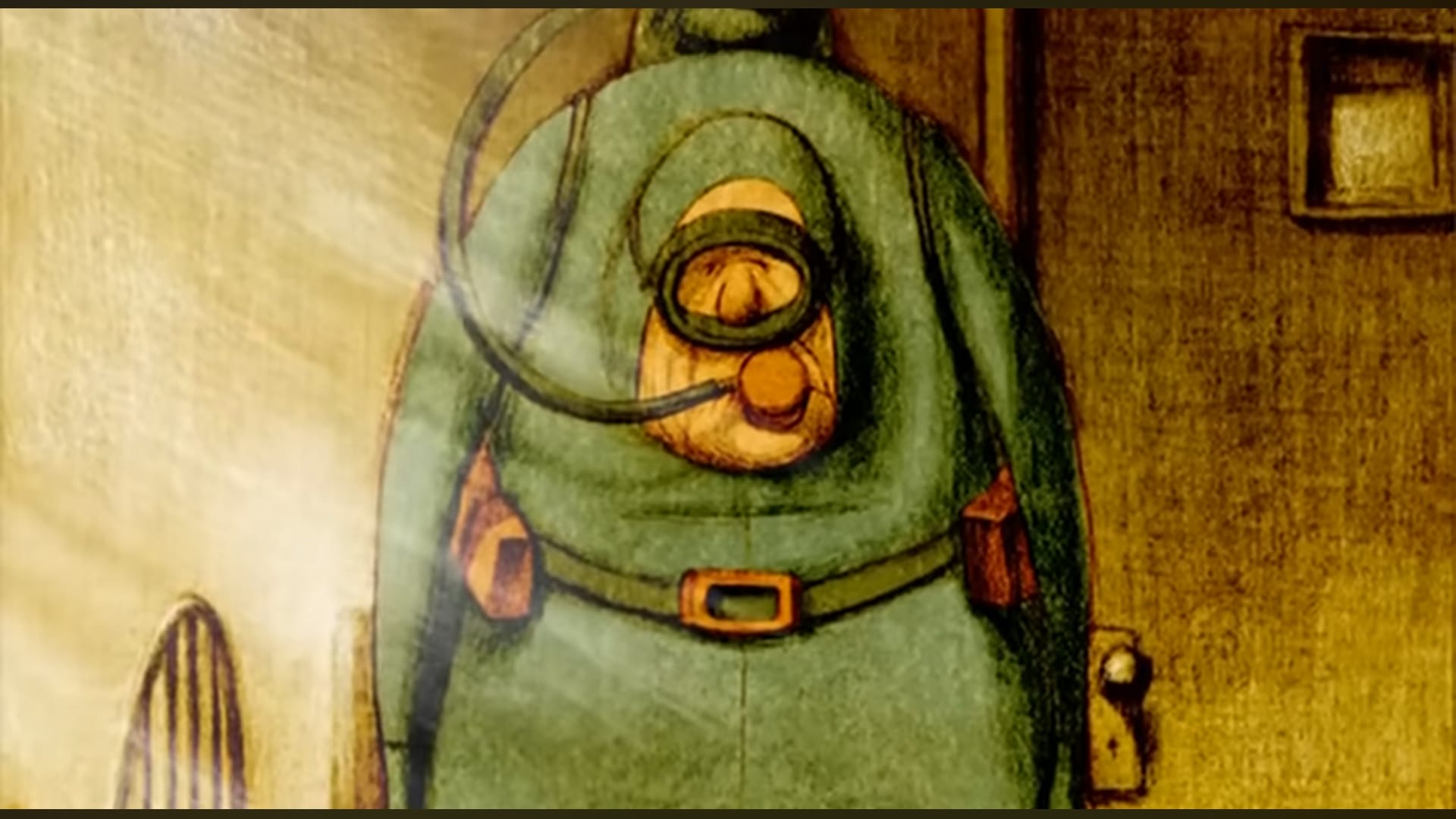
Let me ask you a quick question? Think of the very last thing you just did. All right: now think of something interesting you did yesterday. Okay: now try and think about what you did last summer. Where were you and what were you doing on that one afternoon? No luck? Well that’s pretty much how our memories work.
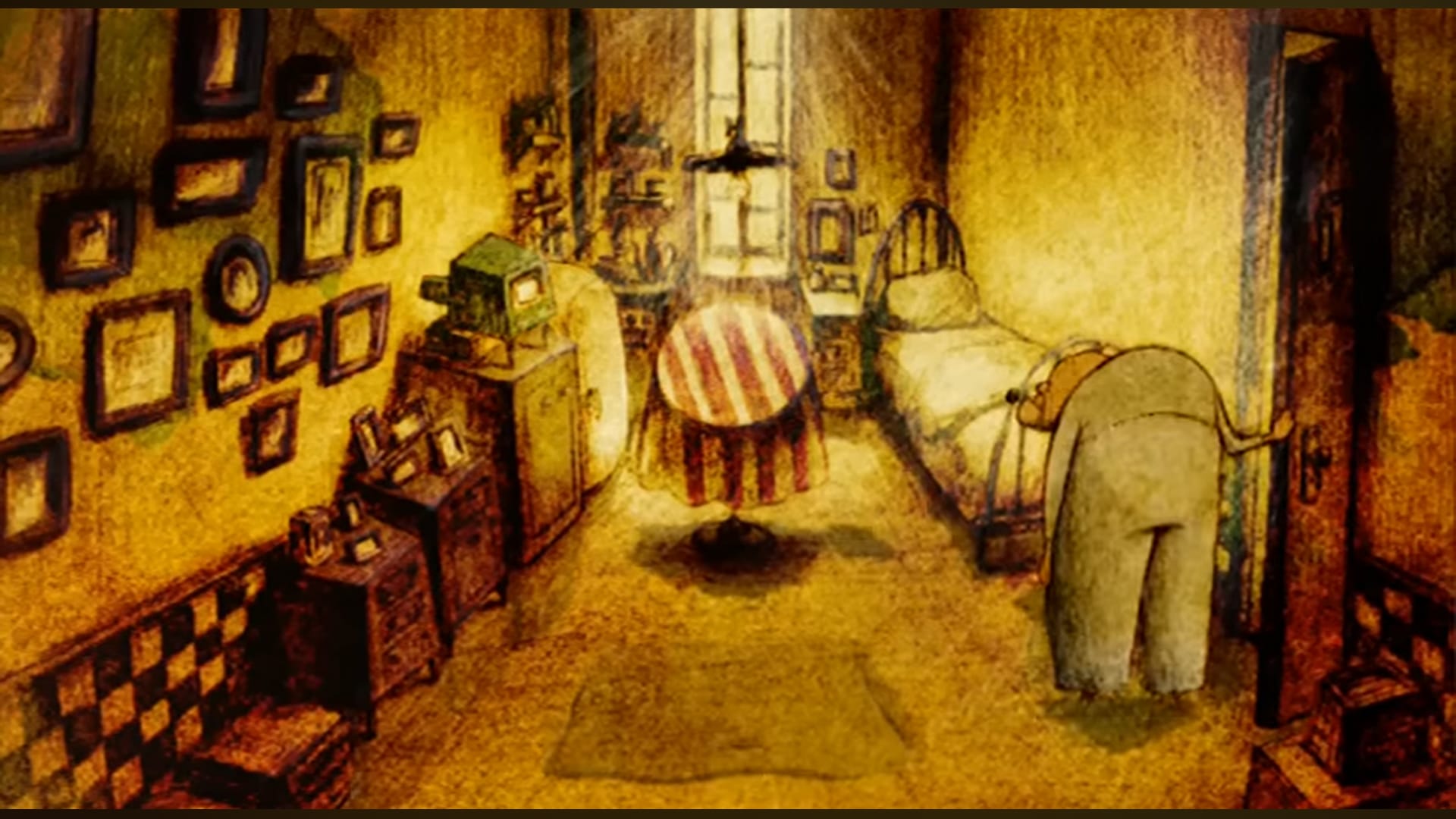
In our everyday lives, memories are short and always fleeting. Whether good or bad, they’re our memories and they show our humanity. The most significant events we’ve experienced are buried somewhere, but never quite forgotten. I think this aspect of memory is an integral theme in Kunio Kato’s Oscar-winning 2008 animated short film La Maison en Petits Cubes (or known in English as The House of Small Cubes). It’s a thoughtful character study that says a lot with only ocean sounds and a piano musical score.
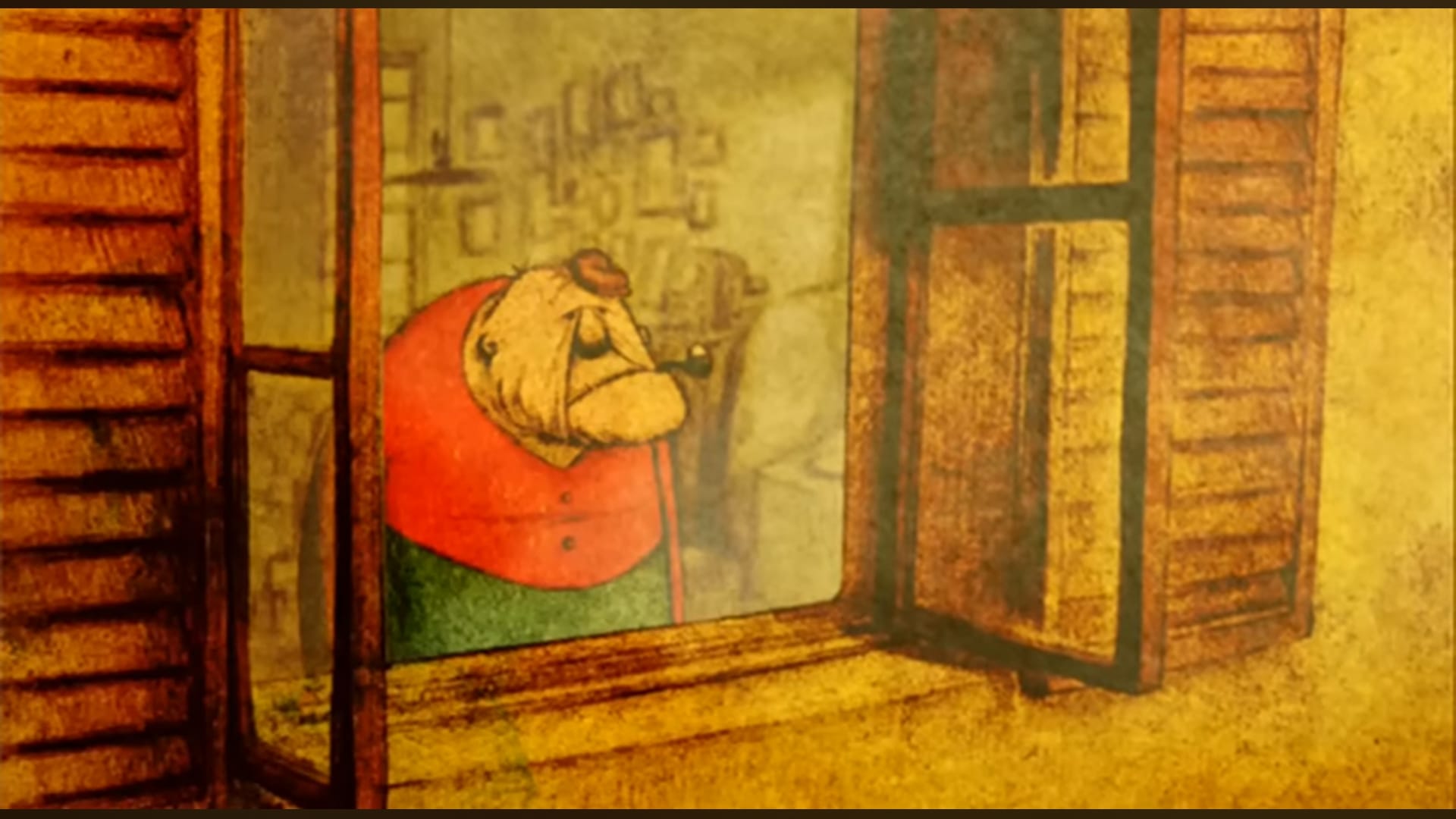
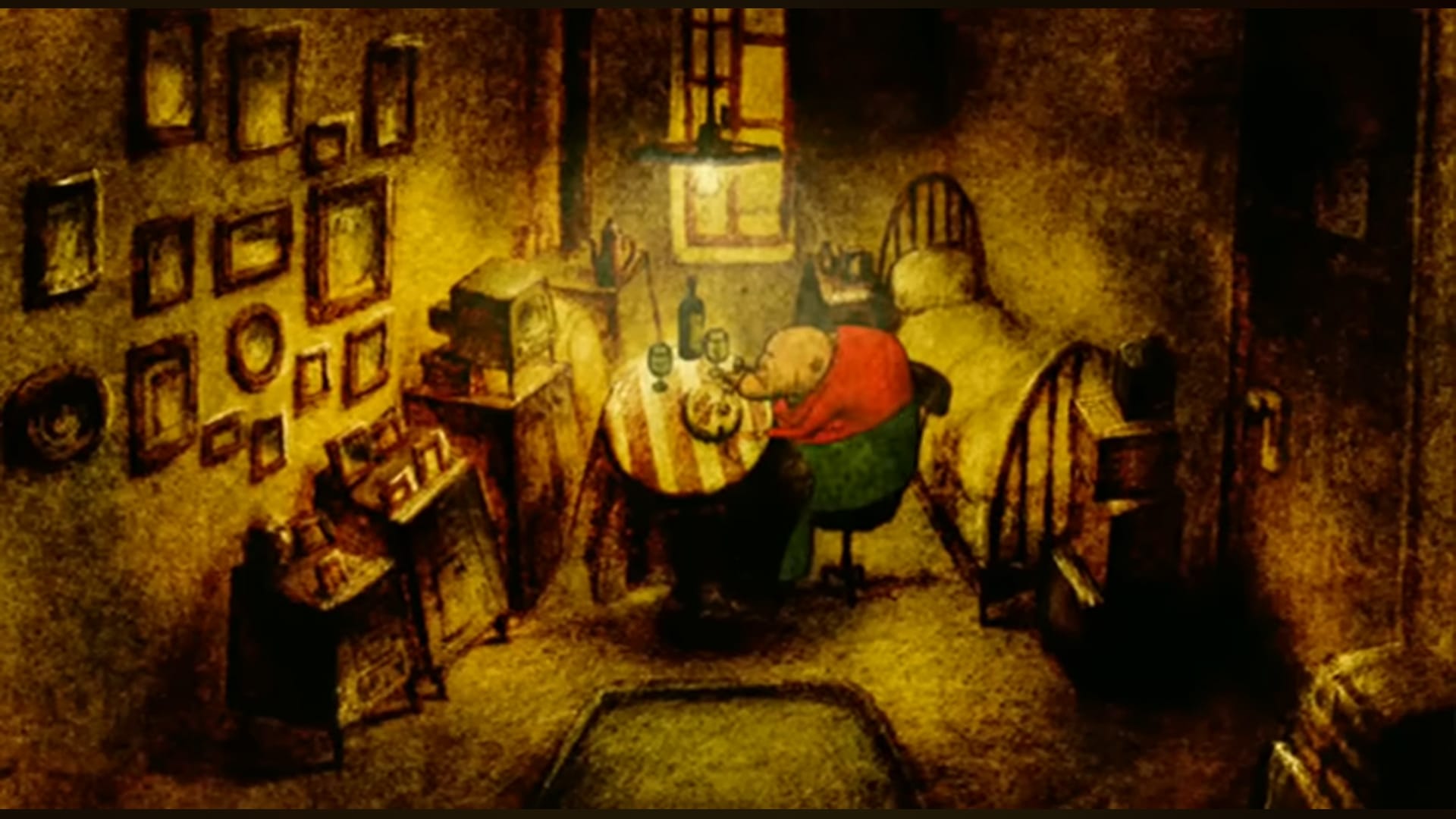
The scratchy hand drawn animation of House of Small Cubes complements the background layouts, which are sketched in a rough, pastel art style reminiscent of French animation. Kato’s art evokes a worn-down nostalgic world that reunites the protagonist and the audience to our most cherished moments.
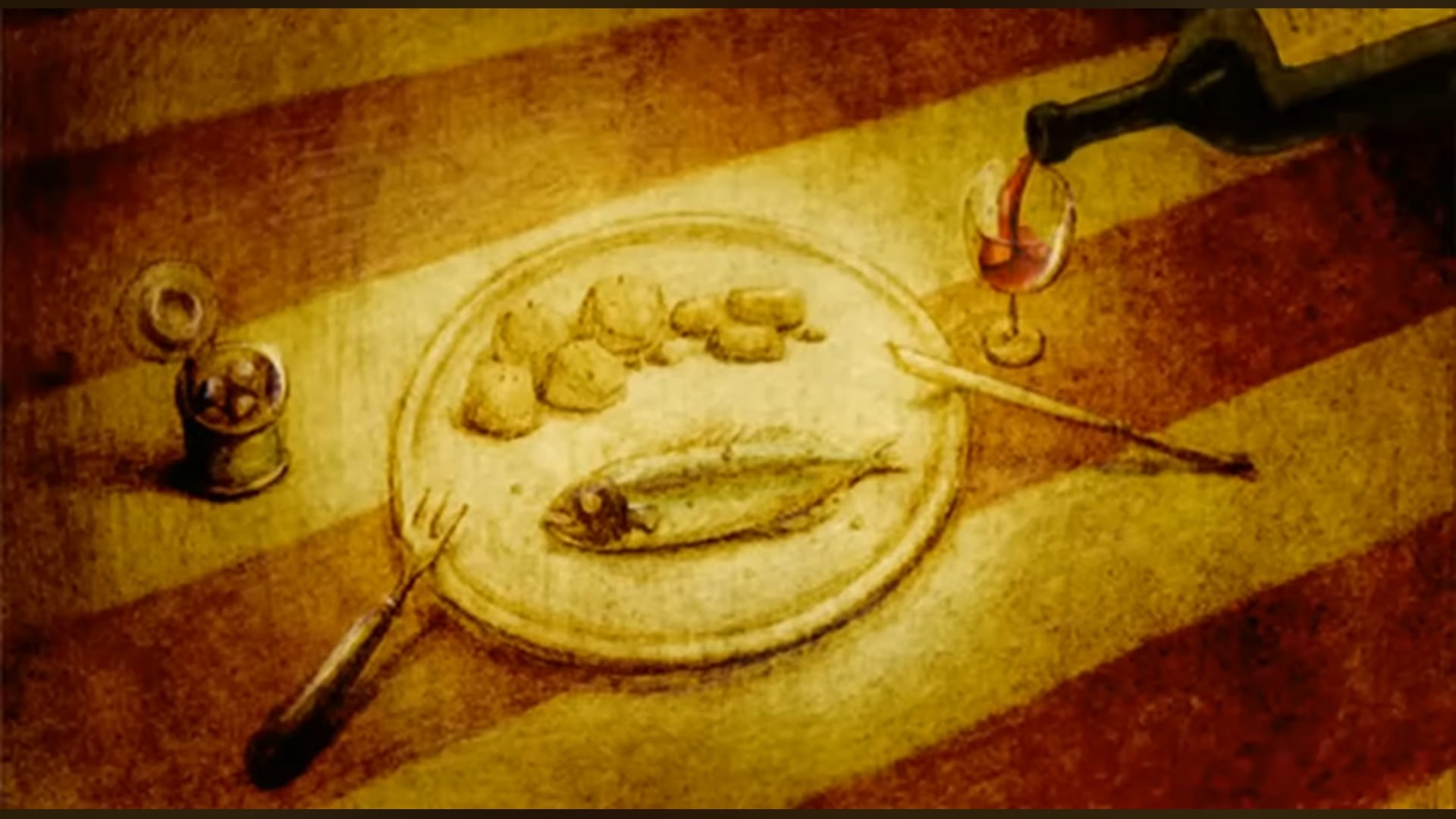
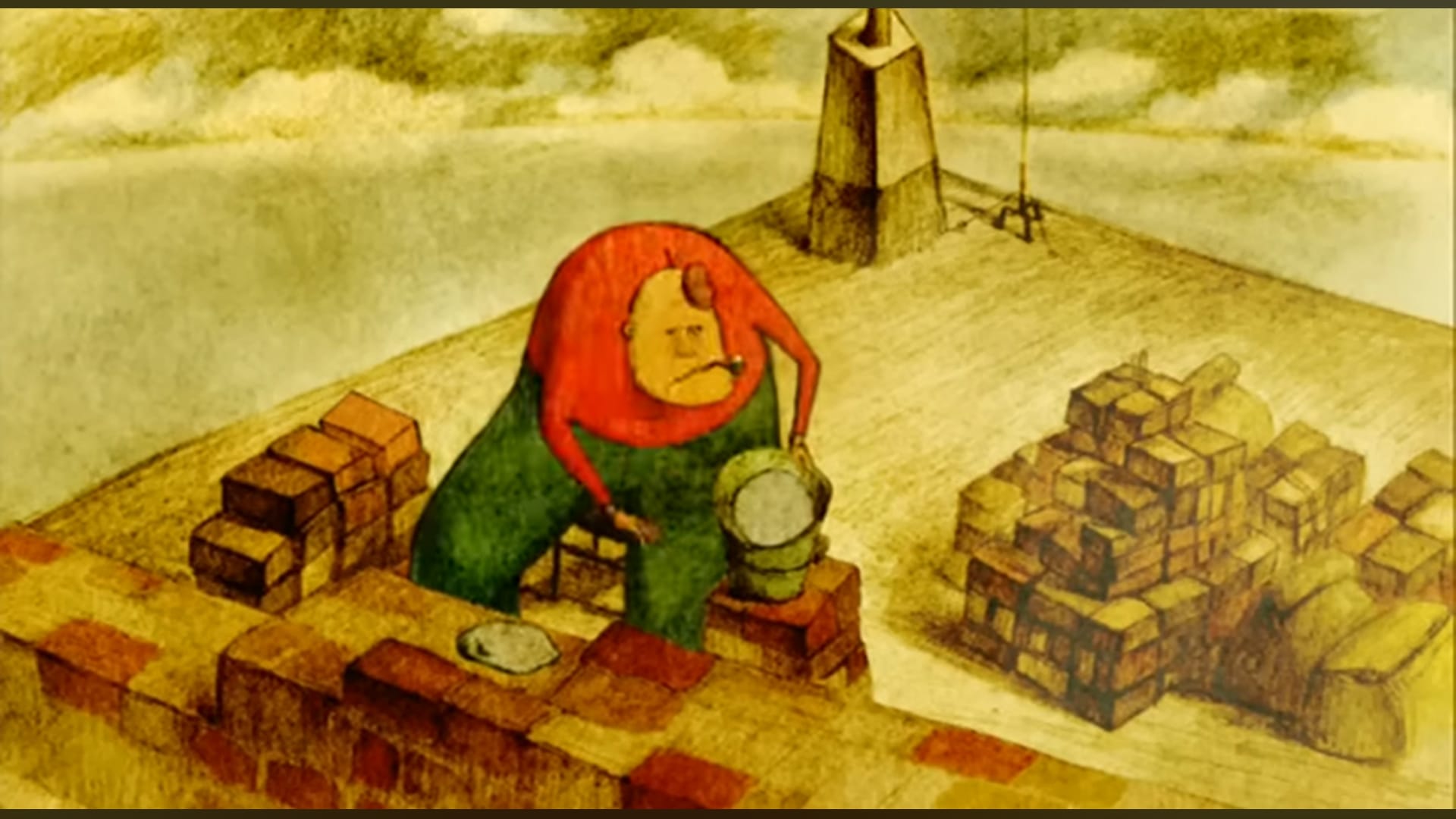
The short film spotlights the mundane, everyday life of an unnamed old man. It’s neither a happy nor sad experience when we’re first introduced to him. Each day, he builds up his house atop a flooded land, followed by a small dinner for himself every night that consists of a cup of wine, a plate of fish and potatoes, and a can of beans. The distant sound of the television plays as he dines alone. He’s surrounded by water and his home is his solitary island. As he continues piling on cubes, he smokes his pipe to relax. It’s easy to make these superficial assumptions about him just by a first glance. However, like the water surrounding his house, we’ve only glanced at his outer layer, rather than diving deep into his personality.
Later, the short film demonstrates how memory plays a huge role in our emotional attachment to the protagonist. When he loses his pipe in the water, he’s forced to dive beneath his home to find it. Memory, or the acting of remembrance, resembles a vast ocean that’s always moving, which is consistent with the film’s water imagery. Water can be clear and though it's transparent, the things we see in it are blurry. Water can’t always be controlled because of its power to overwhelm us. The old man learns this as he descends further down into his former home, almost as if he’s dragging us into his psyche.
His actions here shows the stages of the conscious, preconscious, and the unconscious. Sigmund Freud characterized these parts of the memory as a descending iceberg, where the important drives of our behavior lay hidden out of our sight on the bottom of the peak. In this case, Kato characterizes this process of memory as a tower of cubes that’s surrounded by bodies of water.
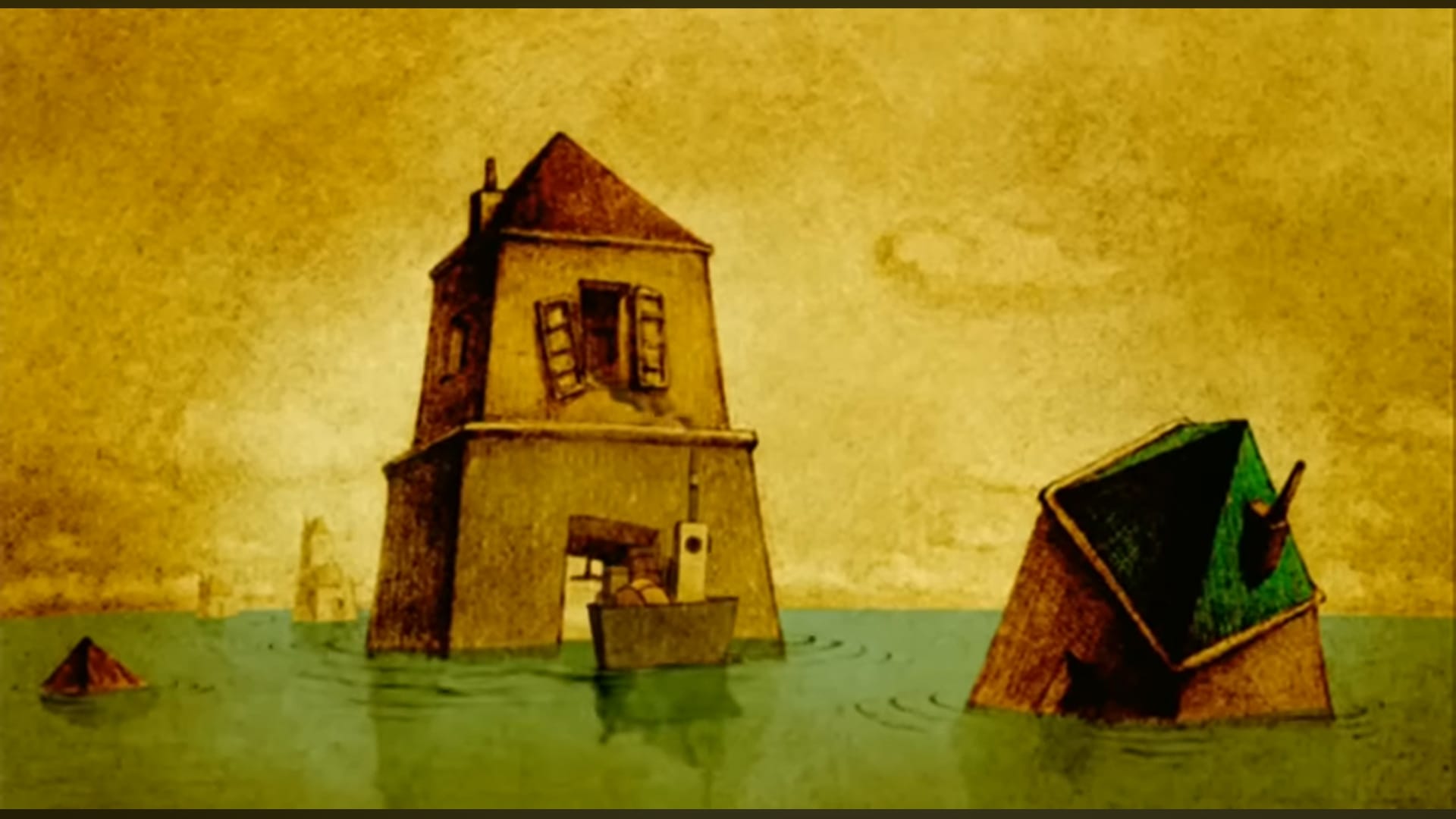
The old man is aware of his loneliness as he lives his life. To survive, he reinforces his house with more cubes, which is his own way of moving forward. His pipe is one of the few remnants of his past he has left and a coping mechanism to get him through the day. It’s work, eat, go to bed, and work again — a never ending cycle stuck permanently to routine.
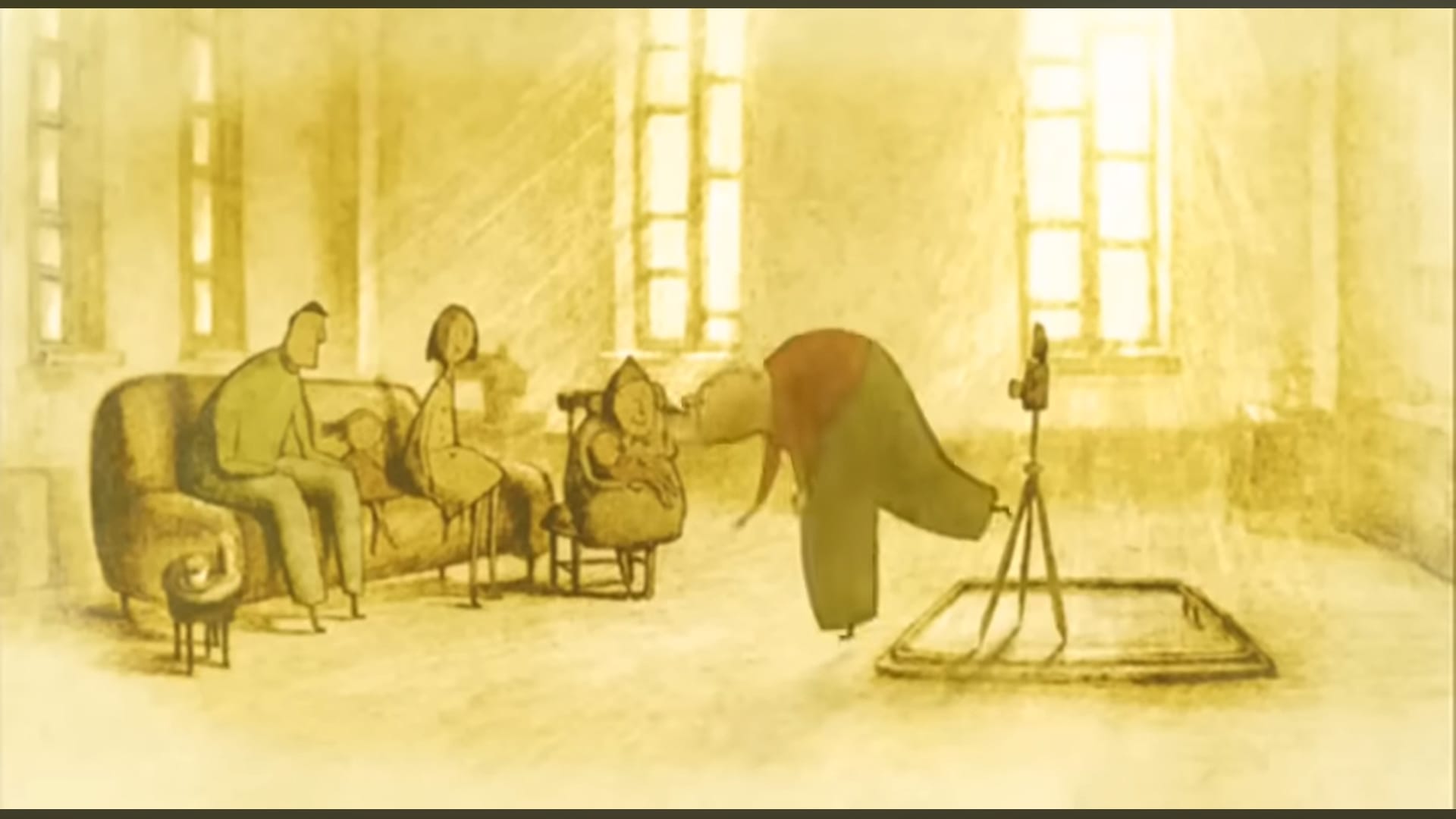
There are also instances of the subconscious/preconscious if we look deeper within the story. The subconscious represents our retrievable memory. Objects the old man sees bring back fond flashbacks of his life like pictures of his wife and family. It’s safe to assume they’re no longer with him and these personal belongings are the only ties to his past. Everything in the short film is recounted backwards, starting from the old man’s most recent memories to the ones in his childhood.
The unconscious mind, on the other hand, are our repressed memories, feelings, and thoughts. Although it's not explicit, we can assume the old man has experienced a tragedy. Maybe it's losing his wife of old age or losing his daughter and grandchildren/friends from a post apocalyptic flood. The fact remains that everyone has left him and he’s alone. As he dives deeper, he still recalls significant events of his life and confronts a past he’d rather try to forget.
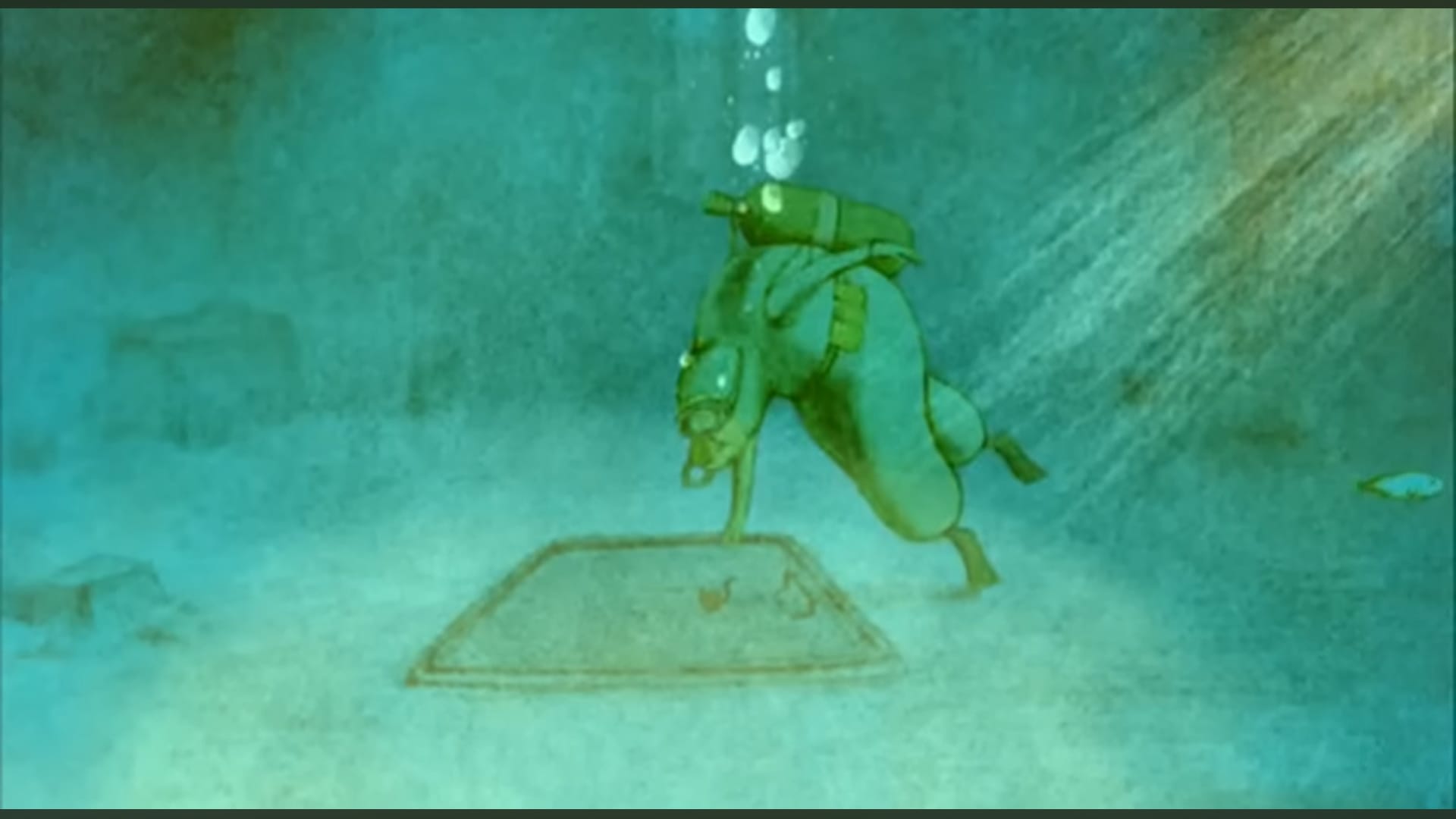
Rooms and places underwater trigger memories of his childhood, adolescence, and adulthood. During his dive, we’re taken on a journey of his unconscious desire through a reflective flashback to be reunited with his family. Kato reveals only fragments of his memory, but not the whole picture. We can assume the ones left out are the most painful or that simply he can’t remember because he’s repressed them for so long. Some memories are sad, but there are happy ones he recalls as well to help him move forward.
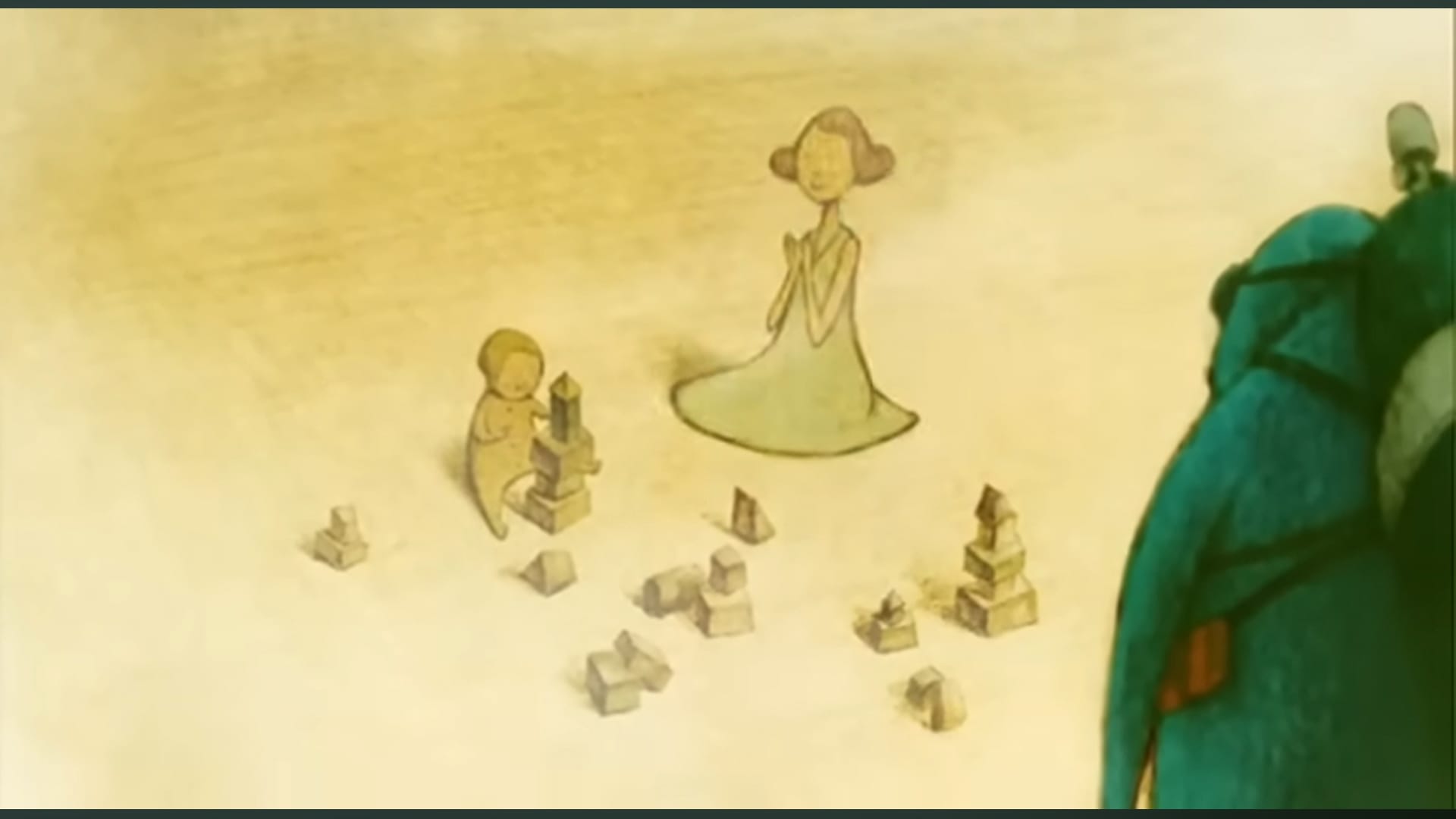
When he reaches the bottom and observes his past neighborhood, it’s a hypnotic moment. Nostalgic, happy, or sad feelings may be forgotten at a time, but they all eventually resurface. I think this is something the old man realizes when he ascends back up, as he gains a fresh perspective to the rest of his life.
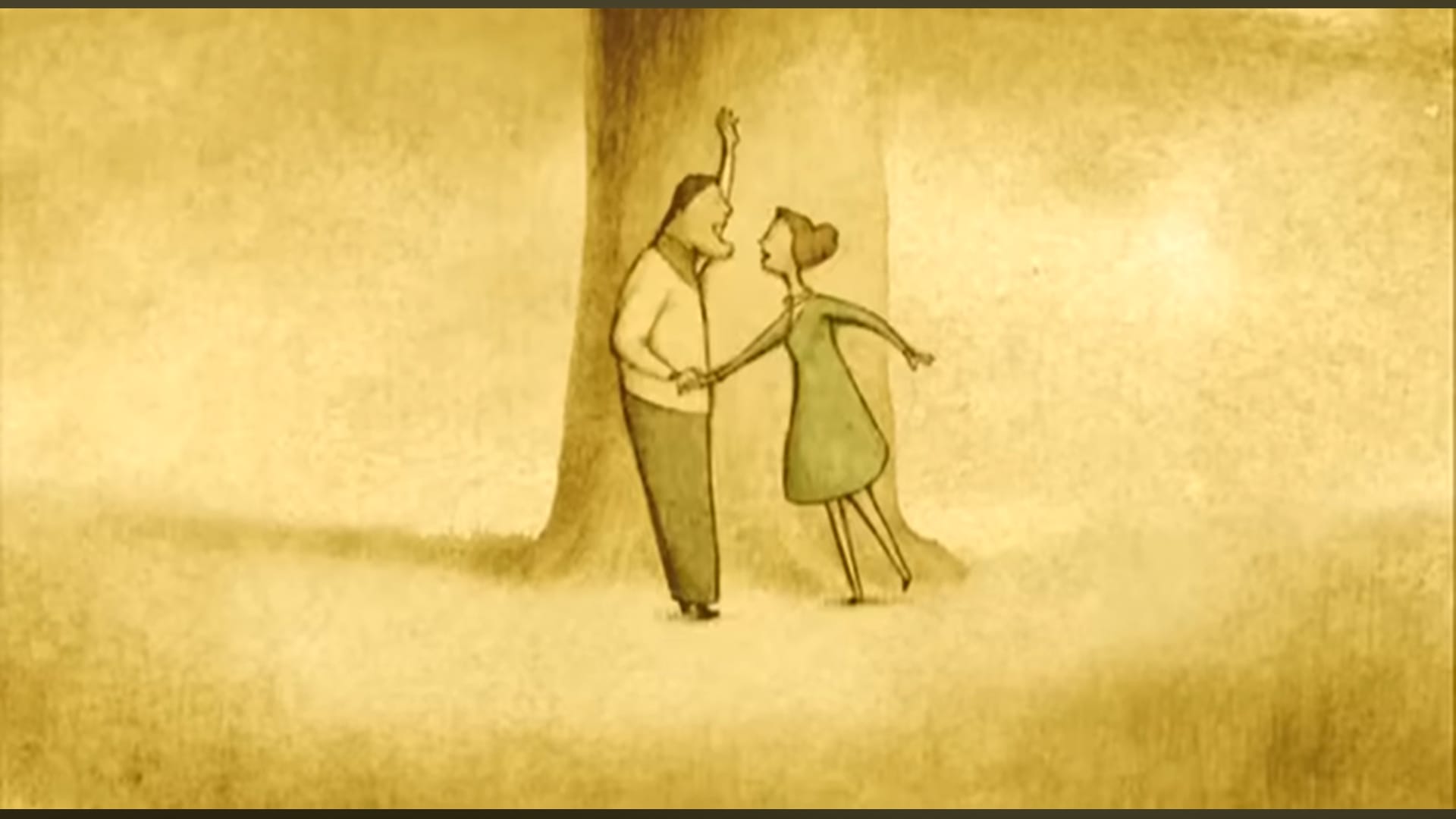
So what did Kato achieve by the end of this short? Well not much really — at least on the surface. Because at its core, The House of Small Cubes provokes nostalgia, questions of memory, and living in the moment. It’s not going to make a grand statement on life nor does it have to. Its story is open to interpretation and can be emotionally resonant with different people on many levels. So take this chance to go out there and make some memories. Live out life in the moment and enjoy it.