
Artificial intelligence is developing at an expanding pace and is quickly becoming a permanent fixture of our society. It has affected and transformed many industries and aspects of daily life, often being utilized in everything from mundane tasks to specialized assignments. However, with any technological advancements, there are both upsides and downsides. As AI and robotics continue improving, an anime like The Gene of AI provides a compelling and timely message on the lasting effects of integrating them into human society.
The science fiction anime series takes place in a futuristic, but not unfamiliar world like ours where human-like androids called “humanoids” have blended into Japanese society. The central protagonist is Hikaru Sudo — a doctor who shadows as the figure Moggadeet and specializes in helping humanoids with their unique problems with out-of-the-box solutions. Each episode highlights a new patient, but also focuses on Hikaru’s friends and colleagues in his life.
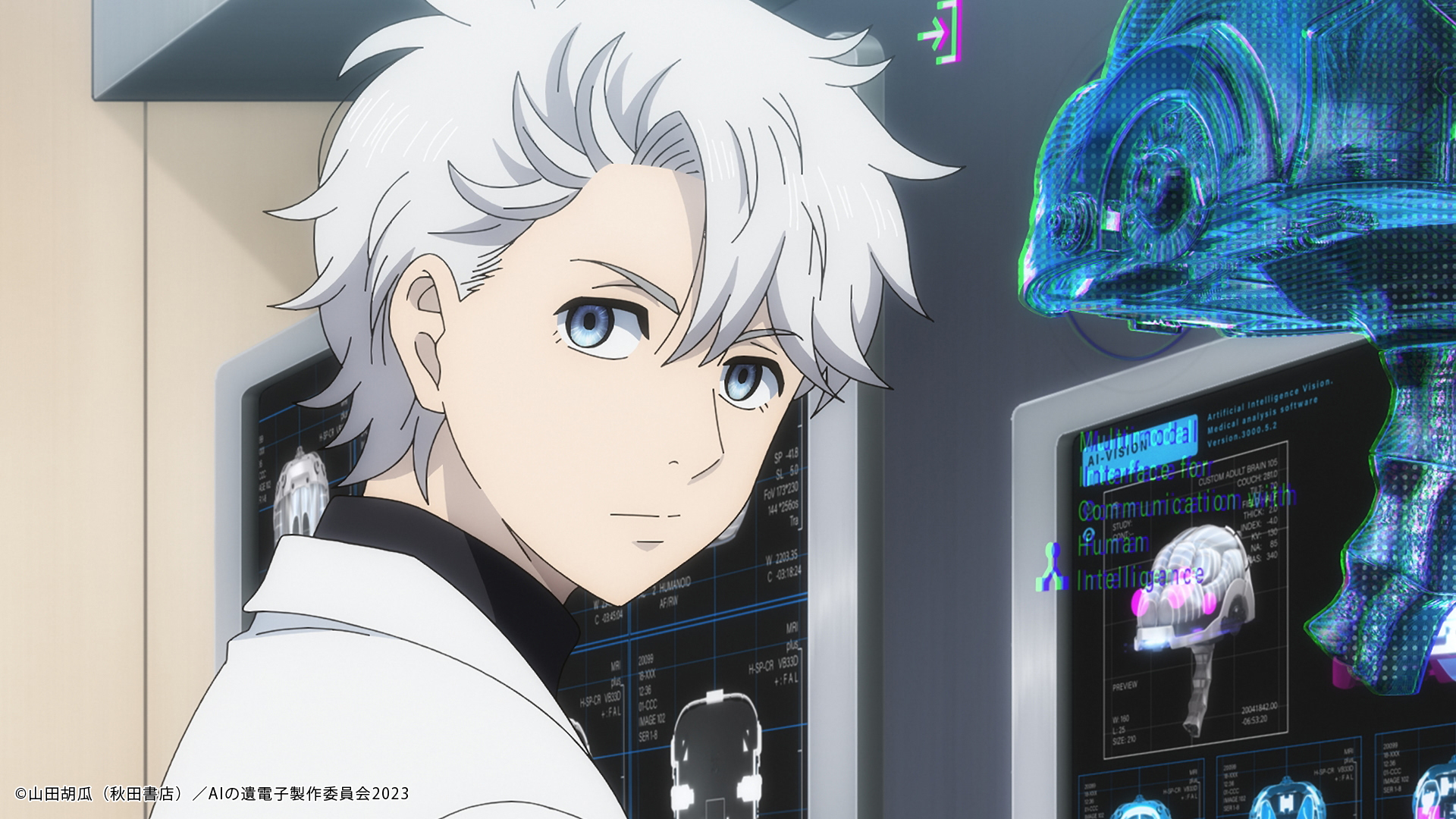
The first episode “Backup“ raises the question of self identity. It involves the concept of backups, which involve humanoids replacing their original self with a newer one that retains all their personalities and most of their memories. Hikaru meets a humanoid family, in which a husband and daughter deliberate whether to have the mother undergo a backup procedure to save her life. She’s been afflicted with a virus that is slowly breaking down her function and will result in a complete shutdown. Although the backup process can save her life, it will inevitably wipe away her most recent memories with her family. Despite the risks to herself and potentially her family, she eventually undergoes the procedure and returns to an idyllic family life. Their story concludes on a somewhat bittersweet note, with the daughter still having reservations if the mother she knew has been lost forever.

The episode also shows Hikaru’s issues regarding backups and how it’s affected his personal life. His own mother was the victim of a botched backup process and now spends her days in prison because of her actions. Her original personality has been lost and Hikaru vows to retrieve it and prove his mother’s innocence.
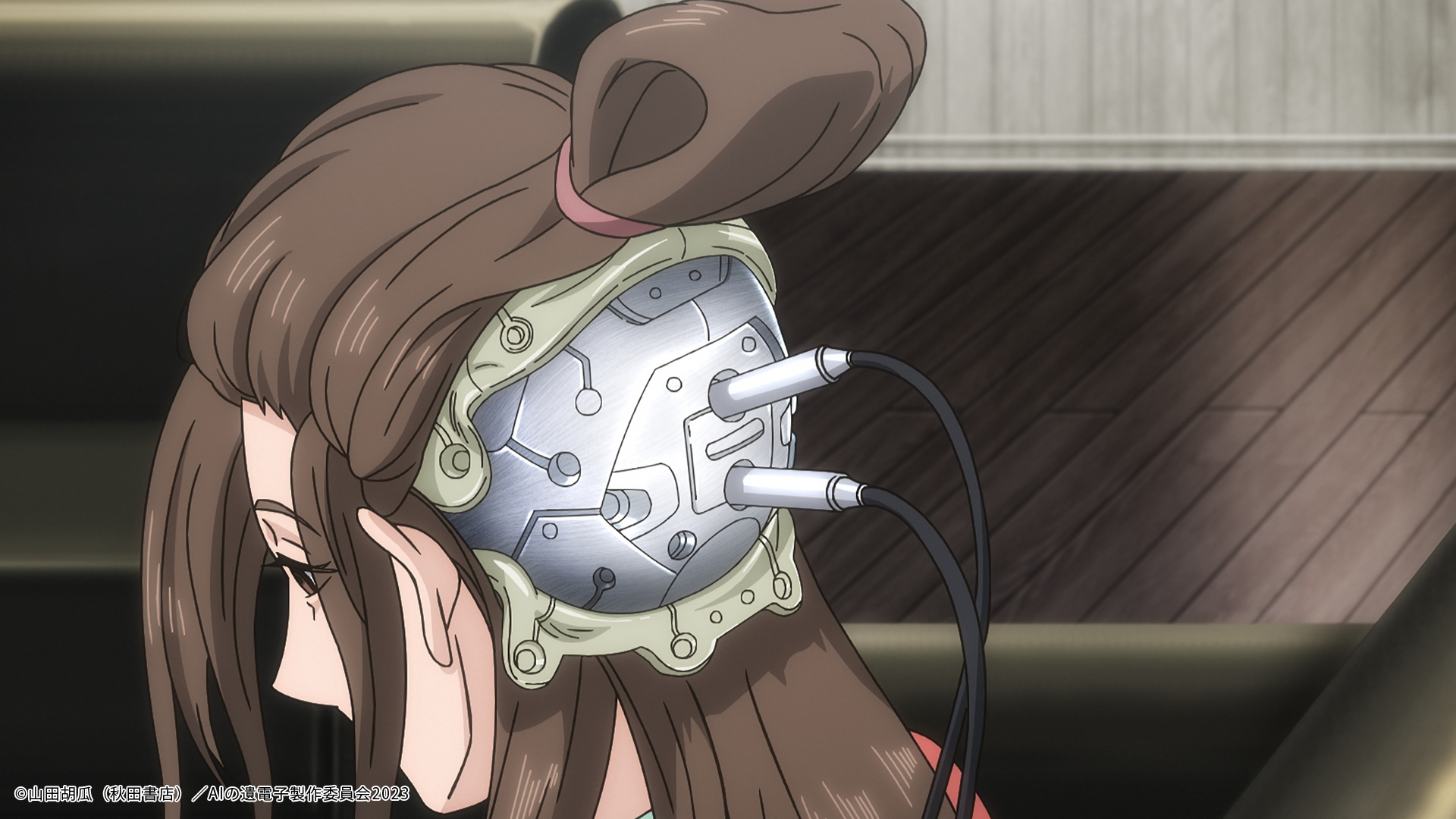
In theory, a backup sounds like not much of an issue, but it also brings up serious ethical questions. Making backups of a humanoid’s mind is illegal in the anime’s story because of the severe consequences and emotional turmoil it can leave the humanoid with. If an original self is lost or damaged as a result of unforeseen circumstances, does a copy of their personality make them the same person they were before? Does a humanoid with a new backup truly represent their original identity? The episode ends ambiguously and doesn’t quite offer a concrete answer. However, I appreciate its nuanced handling of this theme and will definitely leave you thinking for a bit.
The second episode, “Limits of Growth,” continues to explore AI technology by focusing on two young students: Jun, a humanoid who runs as part of a track team, and Masa, Jun’s human friend and fellow track team runner. Jun is frustrated by his body’s physical limits, which he believes has set specifications. No matter what effort he puts in, he’s worried that he'll never improve. Despite being a humanoid, Jun wants to be on a level playing field with regular humans like Masa and refuses to quit and change sports. His frustrations boil over into an argument and fight with Masa that results in an injury to him.

The episode contrasts Jun’s limits as a humanoid with Masa’s humanity in the climax. It shows the differences between what a machine can learn and do versus the unlimited potential that humans possess. In Jun’s case as a humanoid, he isn’t able to keep pace with Masa because of his insecurity and low self esteem, believing that all the practice he does will never be enough to match Masa’s efforts. He has an interesting conversation with Hikaru about his ordeal, but the latter reassures him that he shouldn’t be confined to his programming and the limits he’s placed on his body. Hikaru’s words are later proven true when Jun ends up finally winning a marathon race after hearing Masa’s cheers.

The theme of placing limits on oneself is also expanded upon when Hikaru catches up with an old friend named Kaoru. Hikaru’s assistant, Risa, thinks Kaoru is a woman, but Hikaru tells her that Kaoru is a non-binary person who made enhancements to their body to appear feminine after showing an old picture of them. Due to advances in technology, Kaoru is shown to have surpassed their own body’s limits because of their desire to break away from the gender binary, showing that it is possible to exceed limits in a sense.

Like many technological tools, AI is neither a good nor bad thing, and it all depends on what it’s being used for. The Gene of AI shows that such technologies are here to stay and will kickstart conversations on how much we want them to influence our daily lives. Ultimately, the anime shows that humans need to shoulder the responsibility of their actions with technology like AI and continue evaluating our relationship with them.