Naoko Yamada’s The Colors Within isn’t your typical coming-of-age drama film. Bereft of the cliches and melodrama that often plague the genre, it features a delicate and grounded portrayal that explores three teenagers trying to find themselves. The slow-paced film showcases how the characters nurture their relationships and come together to create something special. Music is what unites them, along with the important connections they’ve formed along the way. The teens come together as a band to make music, not for notoriety or profit, but for meaningful friendships and long-lasting experiences.
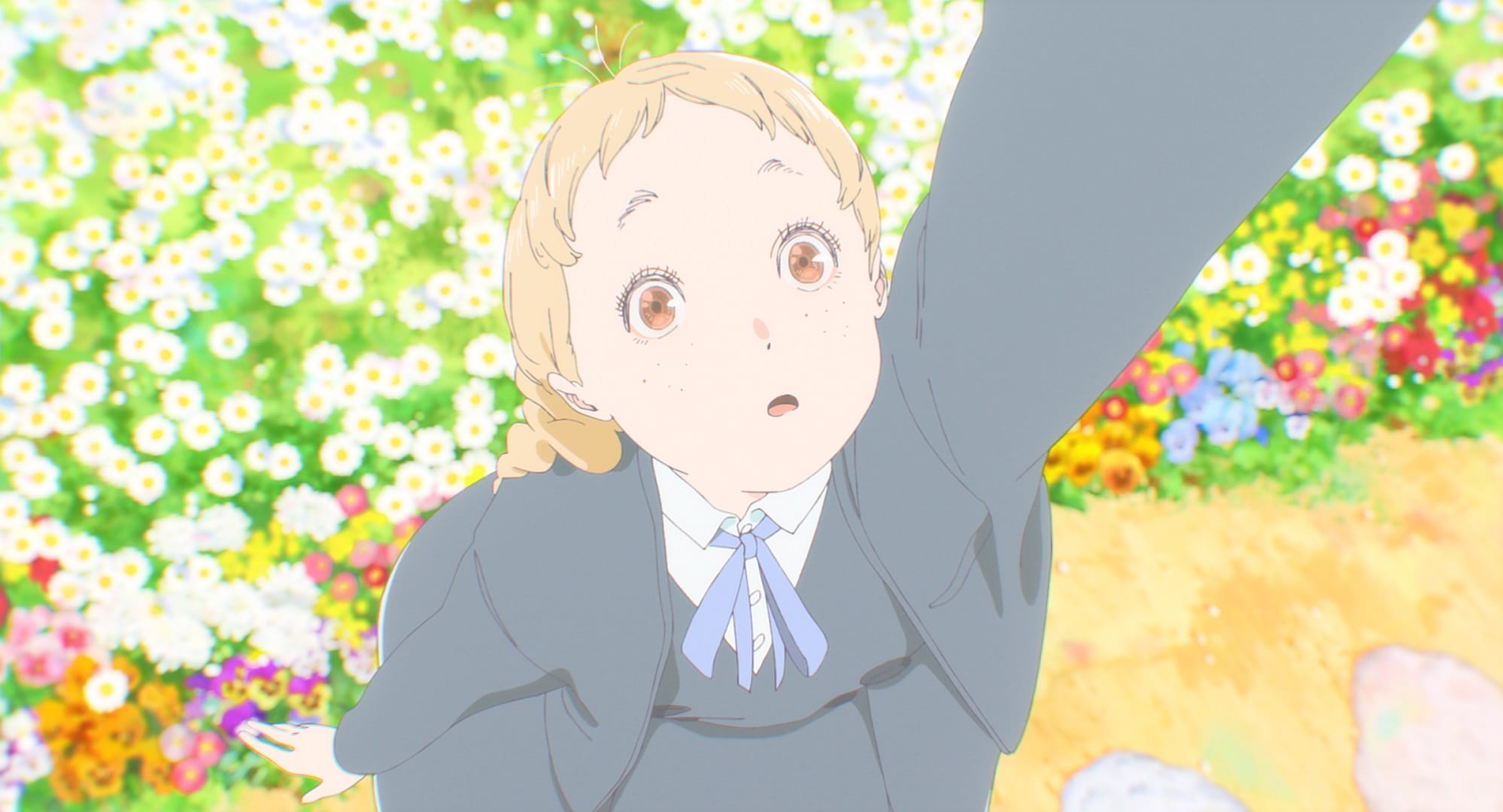
The story follows Totsuko Higurashi — a young girl with synesthesia who attends an all-girls Catholic school in Japan. She sees and feels the colorful hues of people, which can change, depending on their actions or moods, but isn’t able to see her own color. This unique gift, along with her curiosity for people, gives her a unique personality from her peers, leading many to see her as an oddball in school. The film frames much of the story from her perspective and how she sees the environment and the people in it as abstract, vibrant colors.
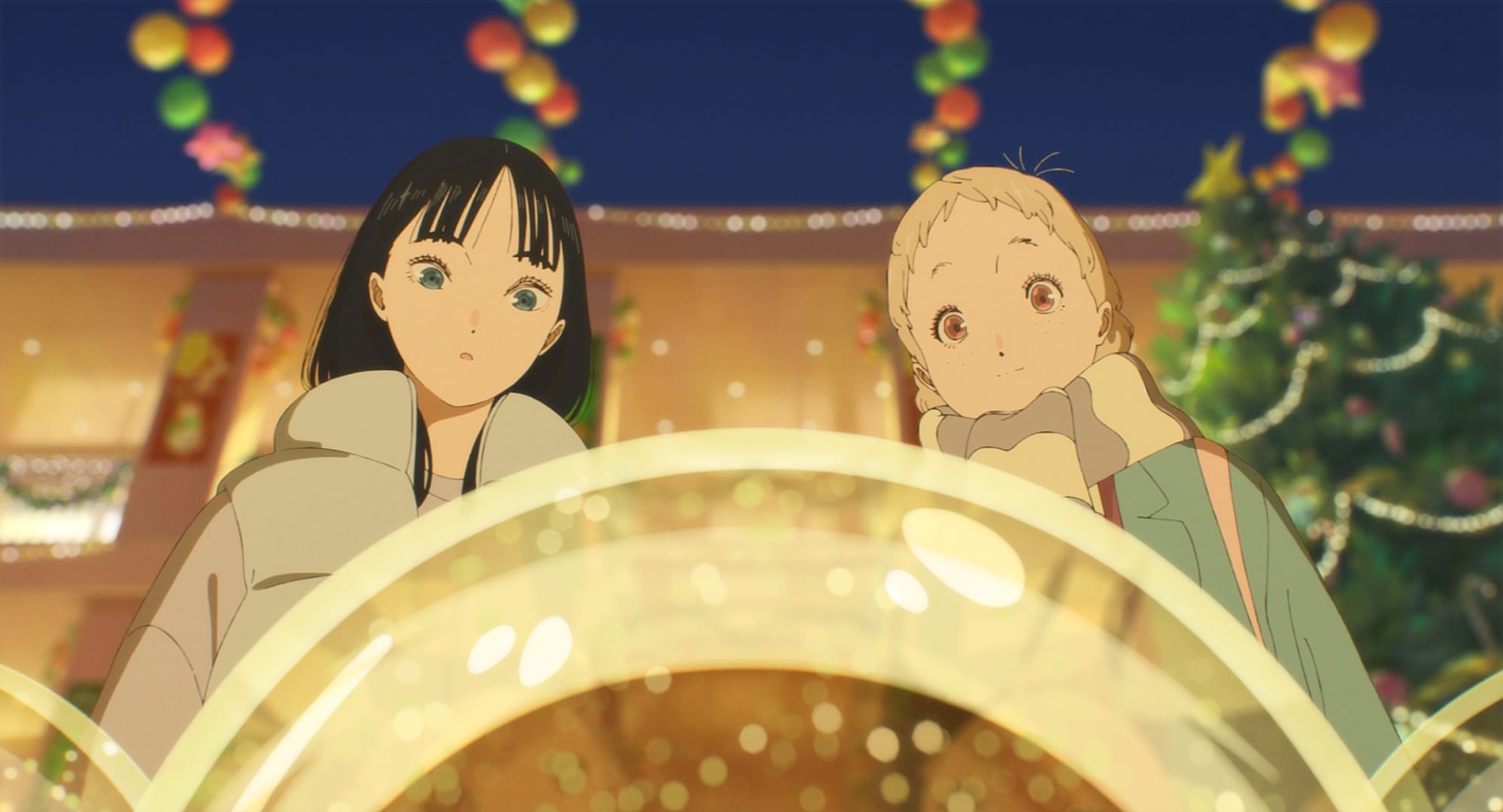
One girl in particular catches her eye in the quiet Kimi Sakunaga, who exudes a fascinating blue color to Totsuko. She’s a student that hasn’t been coming to class and has been regularly working at a bookstore. Her synesthesia draws her to the isolated Kimi, who is dealing with her own issues at home. She hasn’t told her grandmother that she quit school, and her reluctance to do so is part of her personal conflict. Totsuko’s friendship with Kimi evolves over time and drives the film’s character dynamics, as the former sees the latter as very similar to her. They have vastly different personalities, but are able to find common ground in being emotional teenagers adapting to change.
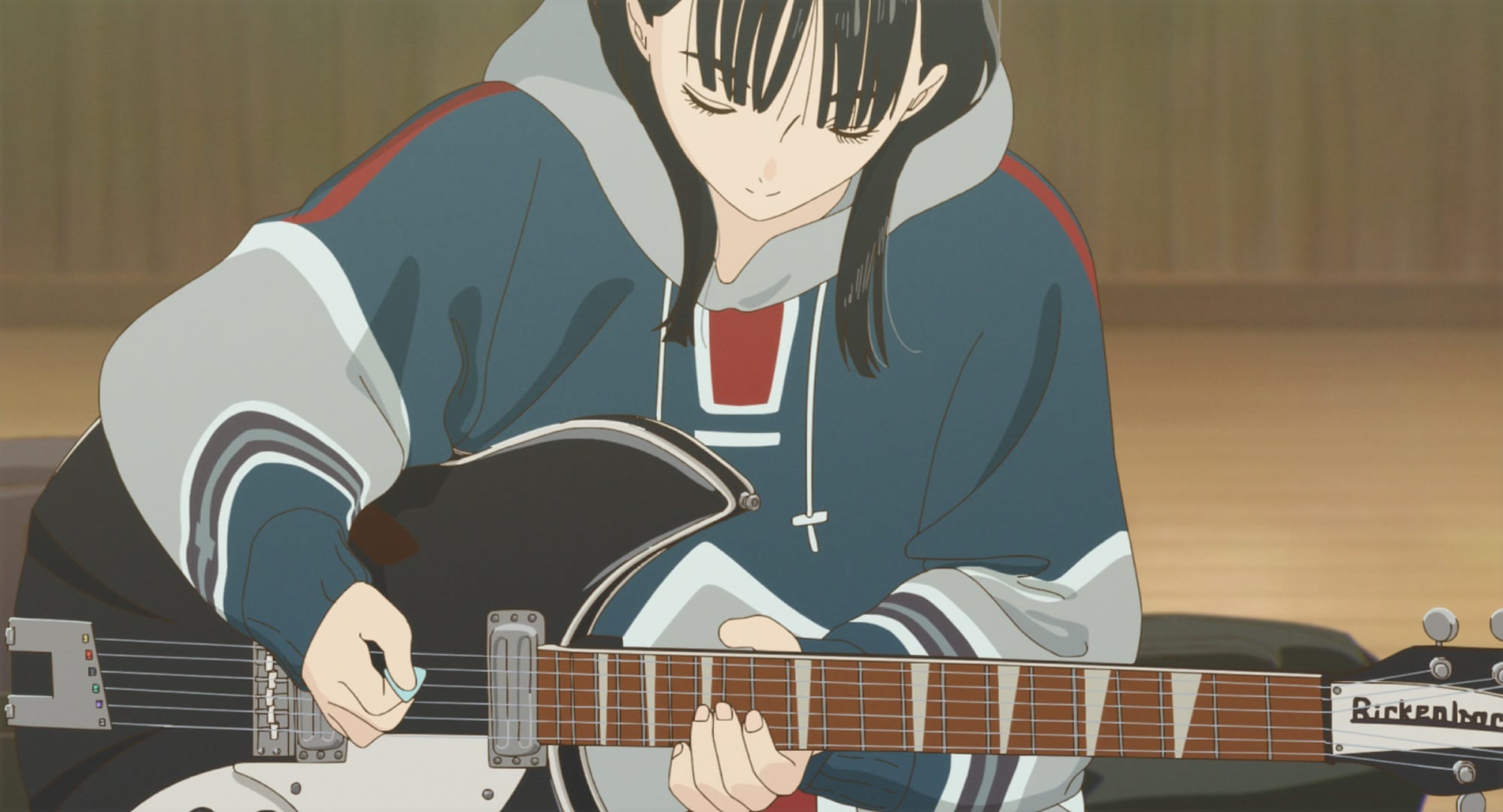
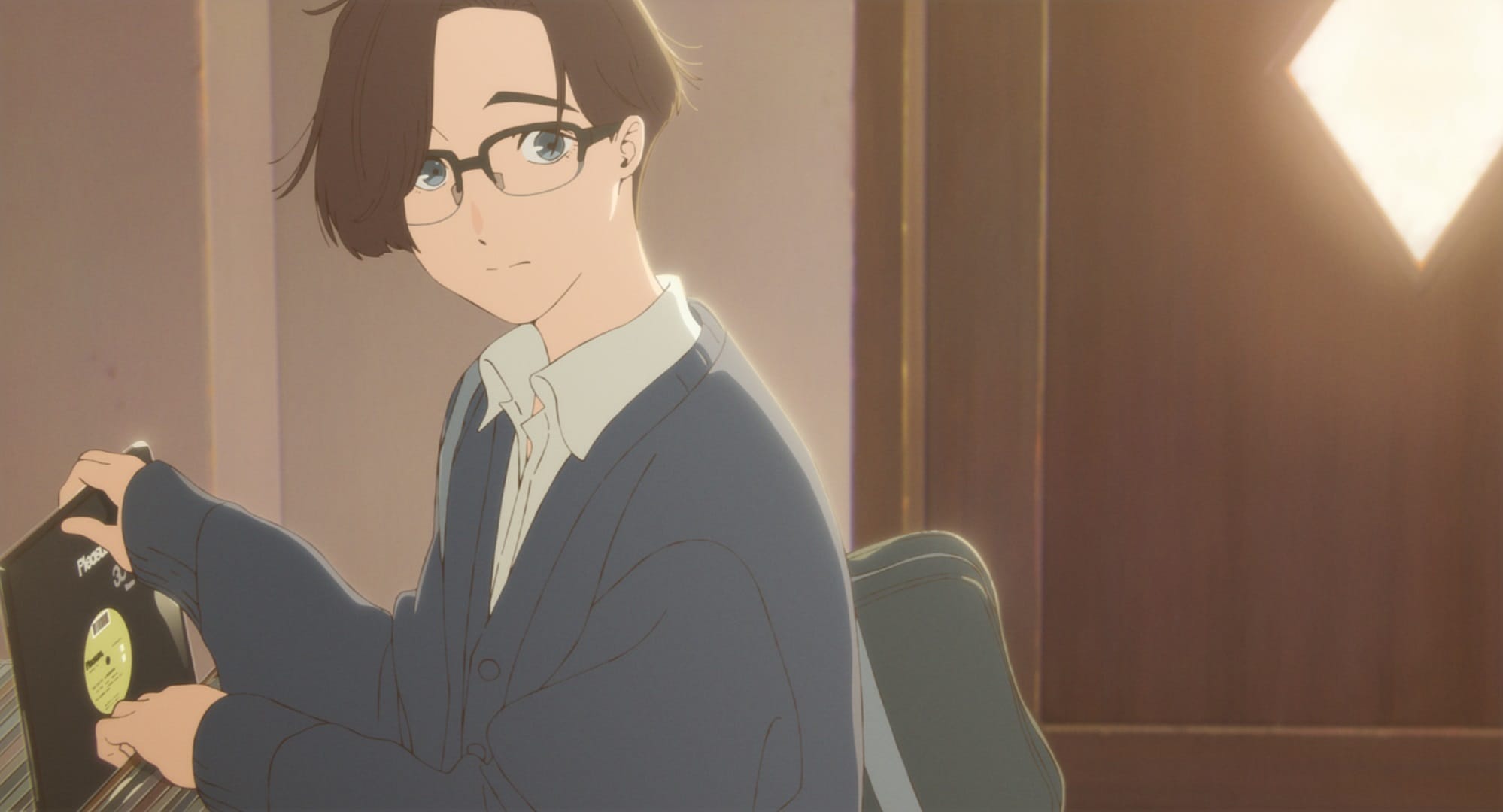
The film then transitions to a bookstore, where they meet Rui Kagehira — a quiet boy that collects many musical instruments, such as the theremin, and is interested in making music with Totsuko and Kimi, who can play the guitar and piano. He’s depicted as the obedient son who is studying hard for medical school, but is conflicted because music is his passion and he wants to continue doing it as a hobby. He worries this may disappoint his mother and distract him from his studies, but he’s shown to be able to balance these aspects of his life. Rui plays an important role in bringing Totsuko and Kimi together to make music and while he isn’t in the film too often, his presence helps fortify their already strong relationship.
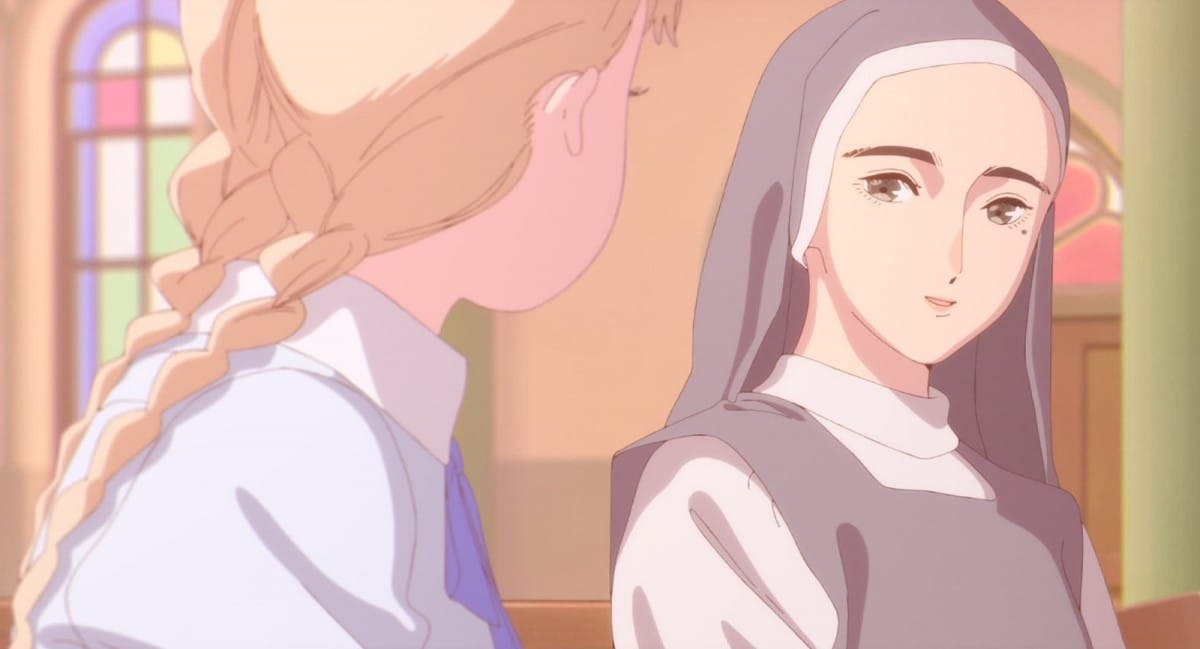
Sister Hiyoshiko is another key character for Totsuko and Kimi, who encourages the both of them to express themselves creatively and make the music they want. Before she became a nun, it’s shown that she was really into rock music and isn’t as strict with her students like the other nuns at school. Hiyoshiko is an important adult female figure for the two girls because she helps them better understand themselves, the emotions they’re going through, and ways they can best use their gifts. Her open and non-judgmental personality allows her to connect to her younger students and nurture their growth. With her assistance, she’s able to help Totsuko and Kimi perform their music at an upcoming school festival, which is when the film’s climactic final act kicks in.
The film builds up towards a spectacular musical performance that serves as a fitting climax, consisting of three insert songs from the main characters. Up until the final act, Kensuke Ushio’s musical score for the film has been minimal, with Totsuko, Kimi, and Rui’s music being teased in a few scenes. The insert songs include the subtly up-tempo “Apology Letter - The Good, the True, the Beautiful,” the slow, but haunting “Walk,” and the toe-tapping bouncy earworm “Amen, I’m Going Somewhere,” which perfectly concludes a memorable musical performance.
“Apology Letter - The Good, the True, the Beautiful” stems from Kimi’s experience writing an apology letter for sneaking into Totsuko’s room at night. The song’s melody drives like a consistent drone, with Kimi’s guitar and smooth vocals to complement it.
In “Walk,” Rui’s theremin sounds are striking and drive much of the song’s impact, along with Totsuko’s quiet, but equally impactful piano playing and Kimi's accentuated singing vocals.
“Amen, I’m Going Somewhere” is my personal favorite track out of the three and is quite simply a bop. It has the perfect mix of guitar, piano synths, and succinct lyrics that combine for a very danceable tune. I loved seeing the audience members dance around in the film as the song was playing and cheering for Totsuko, Kimi, and Rui afterwards.
The end of the film shows life moving forward for the three characters, as they embark on new chapters in their lives. Totsuko and Kimi bid farewell to Rui, who takes a boat to leave for his studies, while they stay behind. Their experiences of making music together forever changed their relationship and cemented strong bonds. No matter where each of them end up, they know they’ll always have each other and the valuable time spent as teenagers.
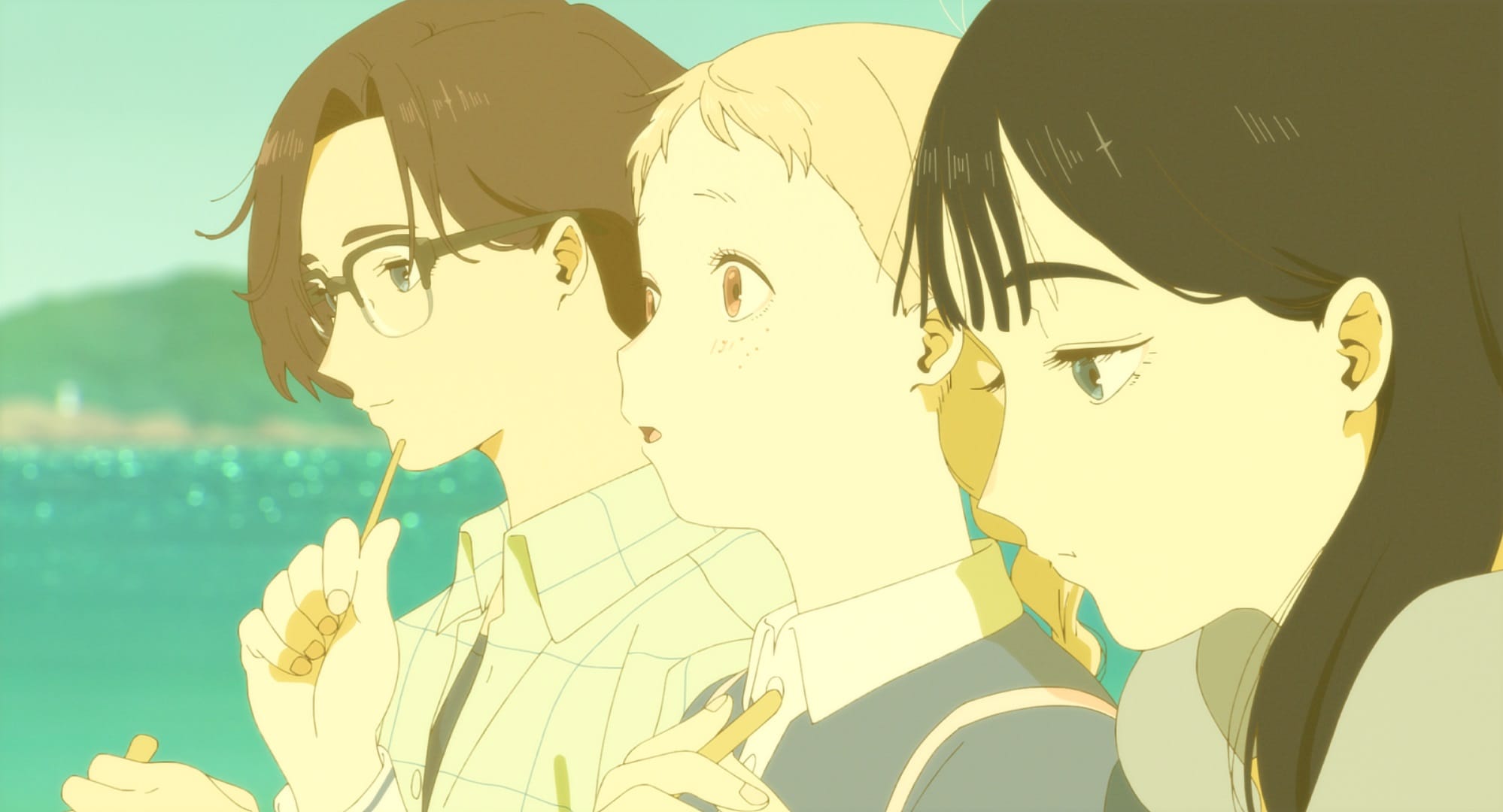
The Colors Within demonstrates how well Naoko Yamada and screenplay writer Reiko Yoshida understand the complexities of teenagers and their adolescent growing pains. It depicts their nuanced emotions and relationships with a realistic and mature approach other anime often veer away from. Moreover, it treats its characters with respect by showing that it’s okay to use creative outlets to work through emotional and mental distress. Such stories are needed right now in a time when everyone could use some color in their life.