Not to be confused with the live-action movie from 2019, the latest TV Tokyo and Disney+ drama adaptation of Shuzo Oshimi’s Flowers of Evil manga is merely the latest attempt at bringing this story to the screen. And it’s through its casting that the show worms out the best interpretation of this depraved, vulnerable story from the page to the screen.
Initially serialized from 2009-2014 in Bessatsu Shonen Magazine, the story centers primarily on the awkward Takao Kasuga and the outcast female student Sawa Nakamura. Takao has a crush on the ordinary and seemingly-perfect Nanako Saeki, practically an angel in this rural, forgotten town, excitement in a place that feels forgotten. Going back to the classroom one evening, Takao stumbles upon Nanako’s sports uniform and feels compelled to smother himself in it, only to be spotted by Sawa. She blackmails him with the knowledge of this depravity into forcing him to sign a contract with her for the two to explore the depths of their shared depravity. Perhaps they can both find life in the tossing away of norms, even if one is unwillingly dragged into it.
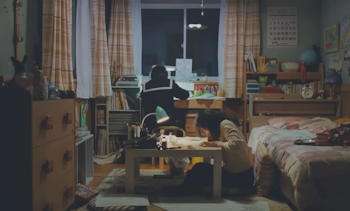
It’s a fascinating conundrum the story explores, aping the book of poems about the body by Charles-Pierre Baudelaire, an exploration of perversion in youth and adolescence that’s far from clean and rarely explored in Japanese stories. Yet understandably, while a mature magazine and the volumes of a manga allow these themes to be explored intensely, it’s explicit content and ideas have made any attempt to explore this in mediums beyond the page a challenge. In anime form, while rotoscoping captures the unease and humanity behind the story, it’s far from an ideal production. The movie adaptation could explore more in cinemas with the use of a higher age rating, though it was forced to condense the story greatly.
Yet here is where the story is blessed with both the time and freedom to dive deeply into the topic at the third attempt.
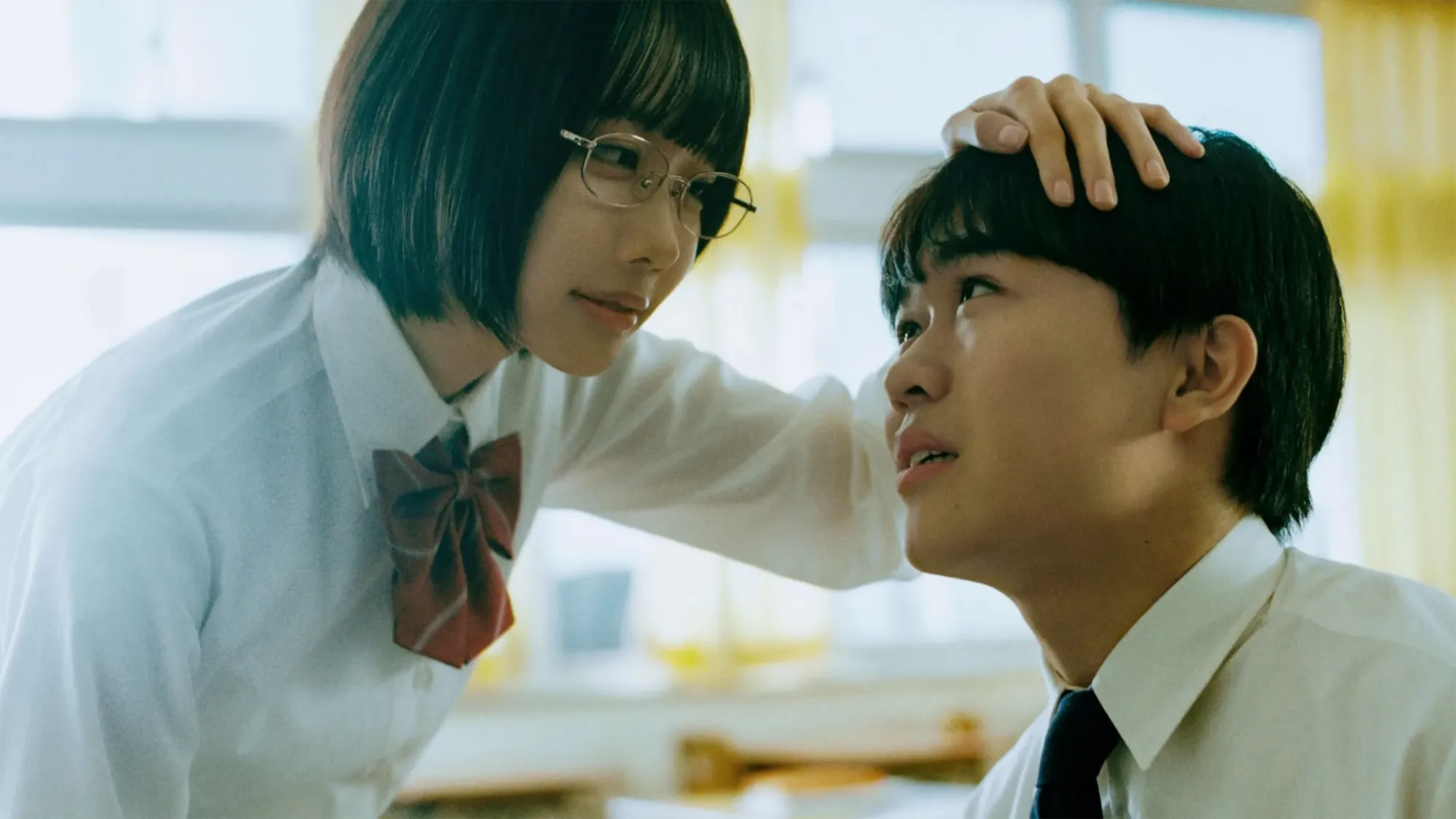
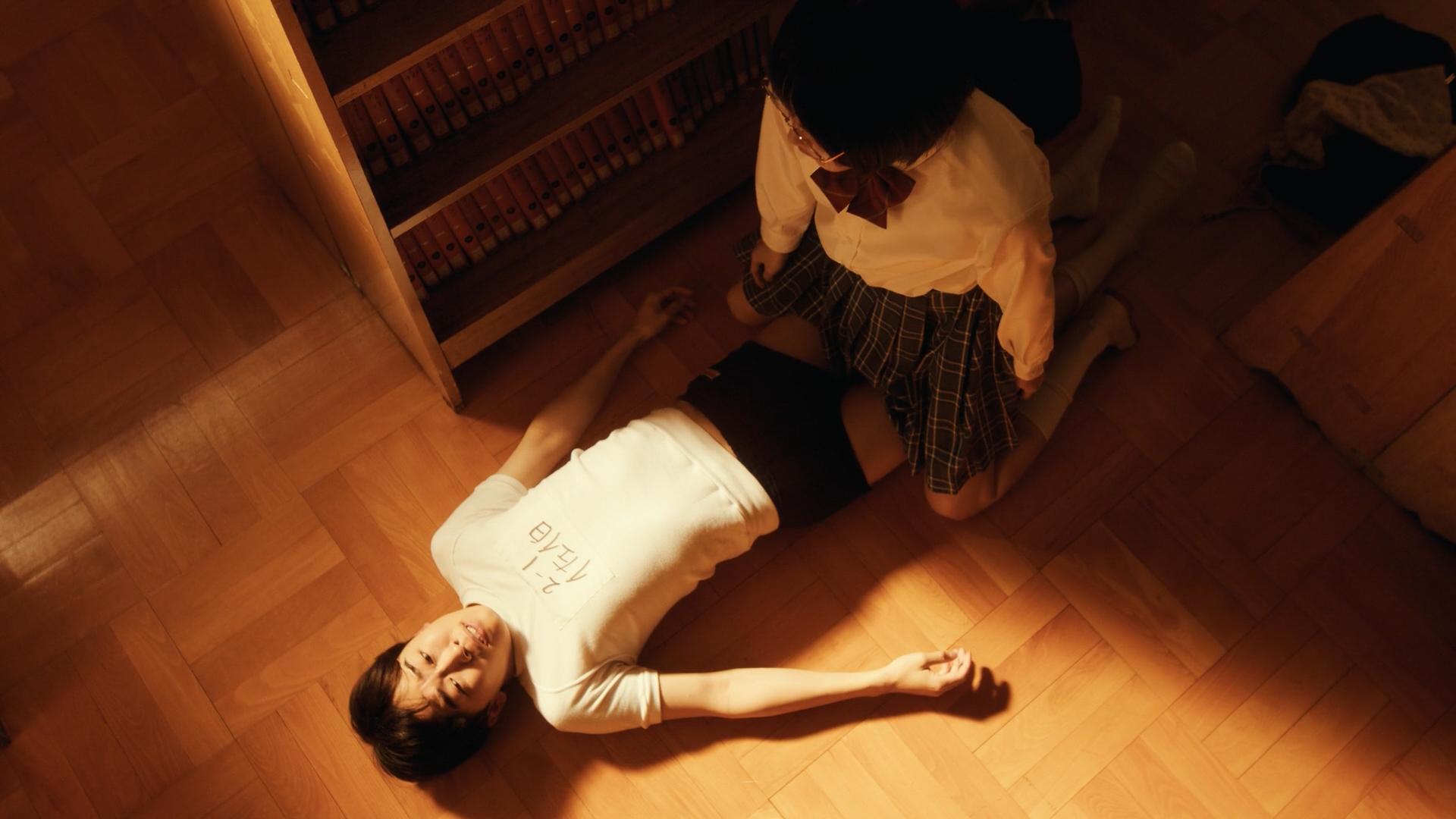
The first episode is a statement of intent for this, tame in terms of explicit portrayal but a clear statement for the tone and confrontational nature of the story to come. Both actors for Takao and Sawa embody the roles they have been given. Suzuki Fuku plays the former with a pathetic quality that blends helplessness with a genuine inquisitiveness that’s both a wonder at the forbidden that makes him feel alive. Through sealing Nanako’s sports uniform, even forced to wear it, its a sense of fetishistic discovery to the humiliation and subservience of the descent into perverse nihilism that the story descends into that threads the needle between pathetic and sympathetic.
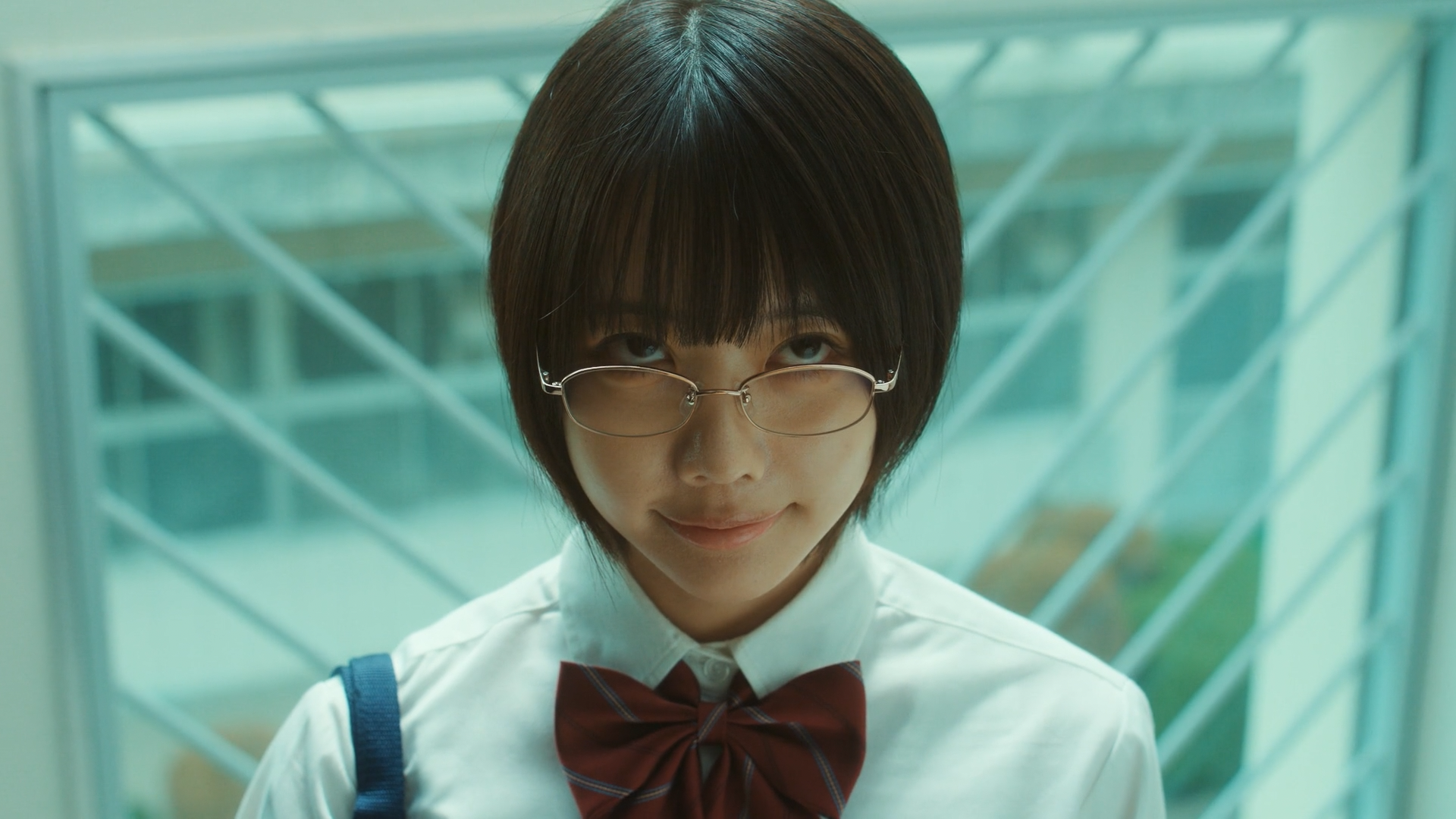
It’s in Ano’s performance as Sawa the show really shines. A former idol turned prolific solo performer, open bluntness about her own mental health struggles and developing a fanbase that resonates within the community of subcultural underground outsiders of society, there’s already an affinity between the character and actress before a line has been performed. What made this adaptation so fascinating is that there arguably could not be a more perfect performer to bring this character to life - even Ano’s unique speech patterns and social awkwardness create a figure that already feels jarring towards the norm, something that she embodies into a tightrope of cuteness and a backlash to society that instantly sets her as the class weirdo and outsider.
In many ways, however, she accentuates this to eleven in the way she loses herself within this. While the series itself sticks close to the source material, it’s hard not to imagine that Ano’s openness about the struggles she endured in middle and high school have not played a role in portraying a character who openly calls out classmates as scum and relishes the opportunity to pierce a hole into the facade of the mask of the high schooler and popular kid. There’s a glee that comes when Suzuki is encouraging or outright forcing Takao to act out their darkest desires with them, a sadistic glare and thrill in each act that genuinely feels unnerving yet impossible to look away from, and at times feels more genuine than a mere act.
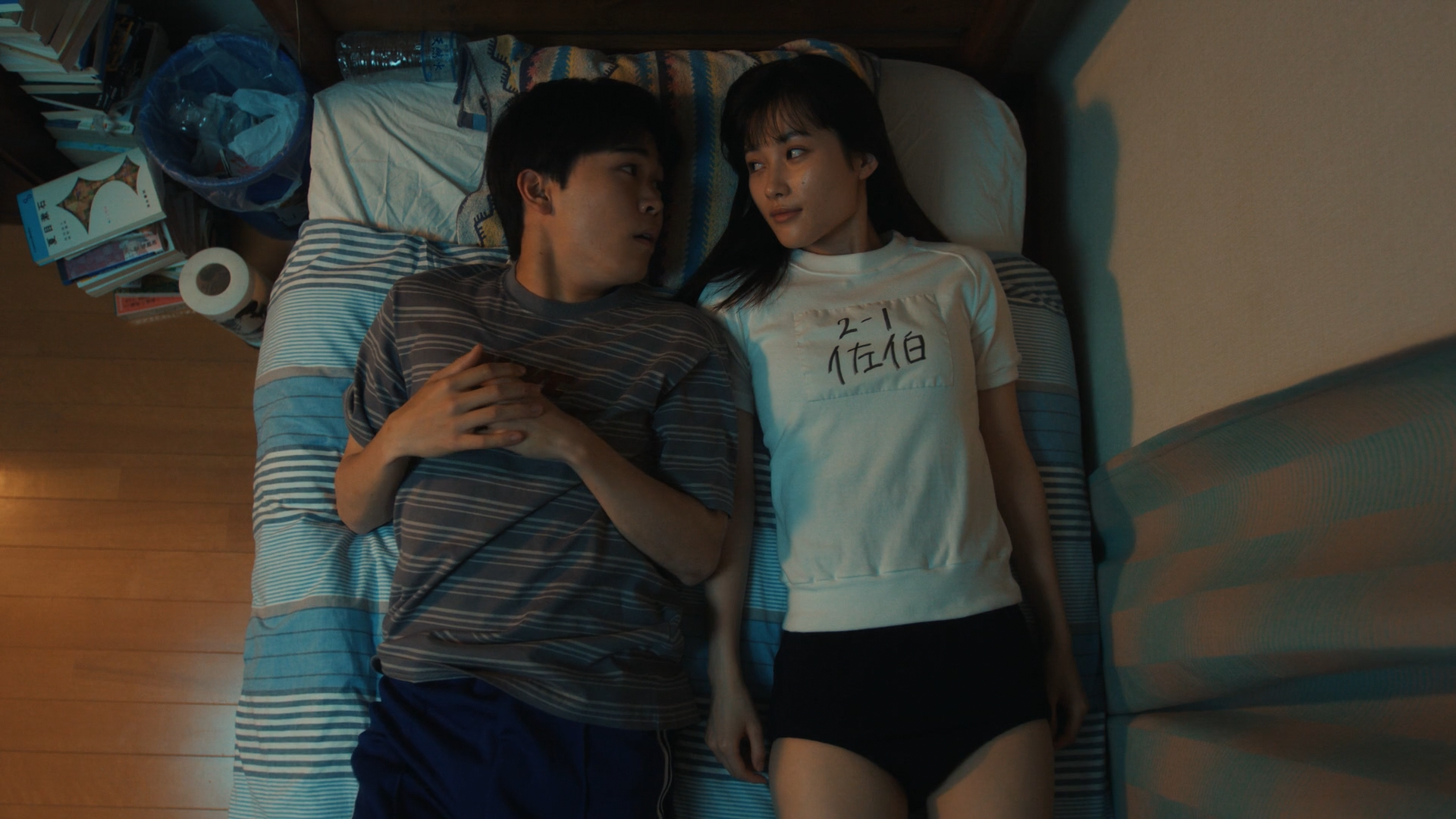
Together, they hold hands as they fall into the abyss together, but it’s only through the encouragement and intoxicating, uncomfortable energy of Sawa that the idea either person could go to the extremes of rebellion they do would be believable. When Takao is forced to go on his first date with Nanako wearing the stolen sports uniform, bloomers and all, underneath his normal clothes, guilt, humiliation, excitement are heightened by the relished laughter and glee of the onlooking Sawa.
It’s also moments like this that make this series arguably the ideal form of Oshimi’s seminal manga. The psychological takedown of human anxiety, desire, self-hatred morph into a reflection in a mirror of the uniform, a flash of a bra strap, a pained scream, a laugh that, due to how painfully relatable these ideas feel even when pushed to this extreme, work best in live-action. As the guilt weighs for stealing the clothes grows, they fall deeper into the rebellious hell of vandalism and pleasure that comes from admittance and perversion, a push and pull between relishing the decadence and regret that tosses the shows momentum into an oscillating pendulum of intoxicating desire.
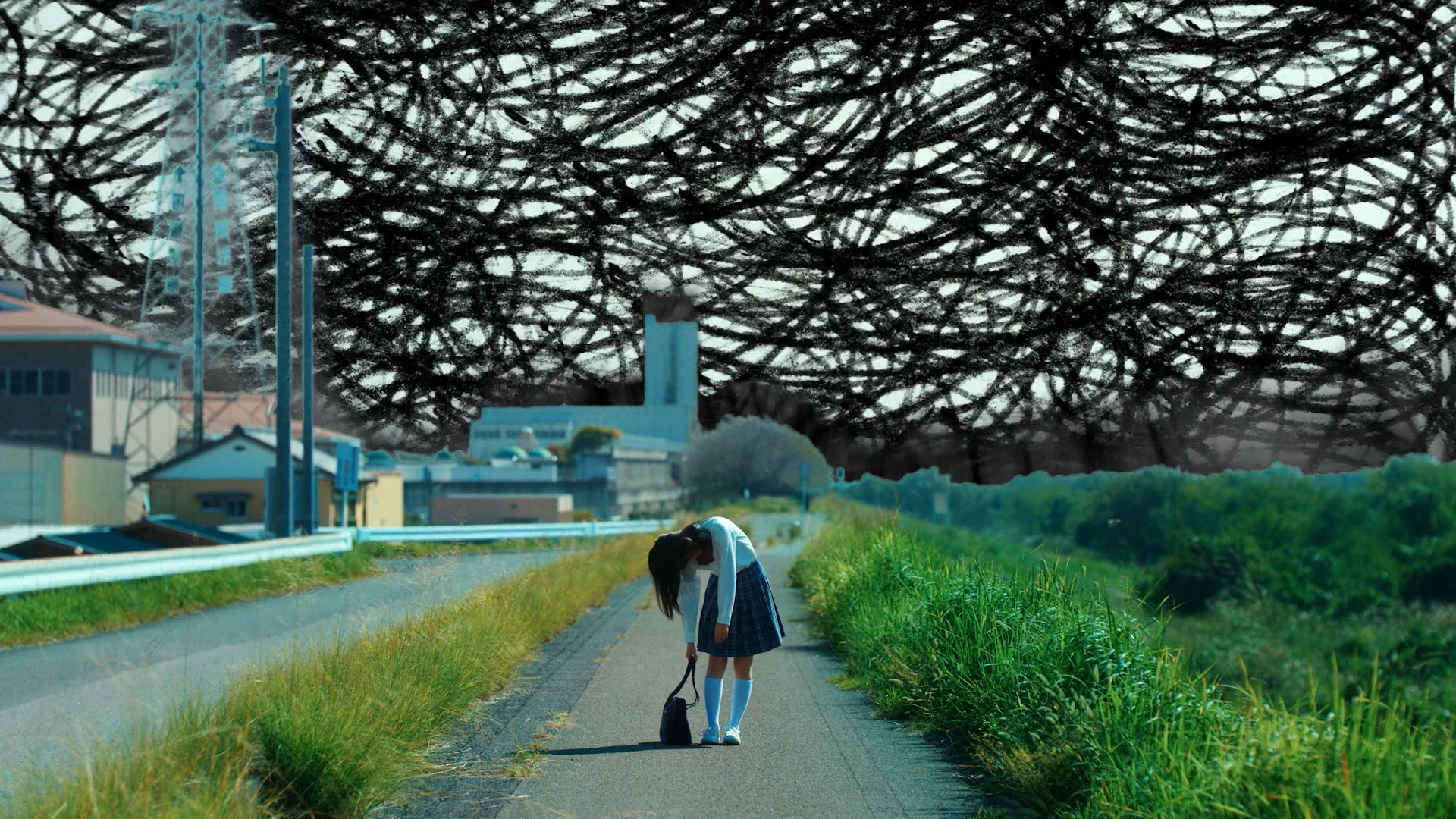
Perhaps due to debuting on streaming rather than TV, the darkest recesses of the story are portrayed in full in the series. While far from shy at portraying sexual assault and ideas of suicidal intent, it never feels exploitative despite the way the series embraces this, rather that anything it shows is strictly to spiral further into its questions of the human mind over its 12-episode run. And all of it comes most of all from these two lead roles who feel in constant competition, like their characters, to fall into the depths of despair together.
It’s cruel, but never unfair. It’s perhaps too truthful, if anything, making for an uncomfortable experience in its latter half. That’s far from a bad thing. The other side, whether that is gender, longing, thrill, death, is always out of reach, but that’s why we want it. For all we won’t go to these extremes, the series is merely one willing to encompass it within its broken characters, with even the seemingly-perfect Nanako more broken than it first appears. The other side exists only because of a concept of the self, and the less the self is known and understood, the more a projection of that self onto others, or the existence that comes beyond, feels desirable. Embodying the poems for which the series is named after, this is merely a descent to the logical conclusion of acting upon it.
Shuzo Oshimi’s Flowers of Evil manga is a true classic, but any attempt to adapt it has found varying degrees of success while never truly capturing it in its entirety, either for being incomplete or other reasons. This is the first adaptation, unleashed from anything that could hold it back and led by people willing to let themselves go for the story, that can match its source material. In places, it even exceeds it. The loss of sanity and self is so visceral you may feel like you, too, are lost in its web of personal, lustful, confused discovery, but that's the point. It’s not entirely despairing, and even finds a soul, but its the journey that forces an internal assessment that, provided you’re in the right place to look in the mirror, is essential viewing.