The days of long-running anime are over. Finding a 54-episode anime series to binge watch nowadays is next to impossible these days and you’d have to look to older shows like Beelzebub, Twin Star Exorcists, or the 2011 Hunter x Hunter series to get your long anime fix. Anyone who got into anime for the first time knows that having those lazy days of hardcore binge watching shows with 100+ episodes was a rite of passage.
So what made anime series long in the first place? Why are they shorter now? There’s three reasons that I can point to: overtly long plot lines, the inclusion of fillers, and the dominance of streaming. I’ll focus on the latter aspect later, as it points to a broader effect of internet streaming and the decline of TV broadcasts. There is more nuance to this than we might think and some factors beyond our control. By the end of it, I hope we can leave with more questions and conversations than definitive answers.
Story arcs that feel too long
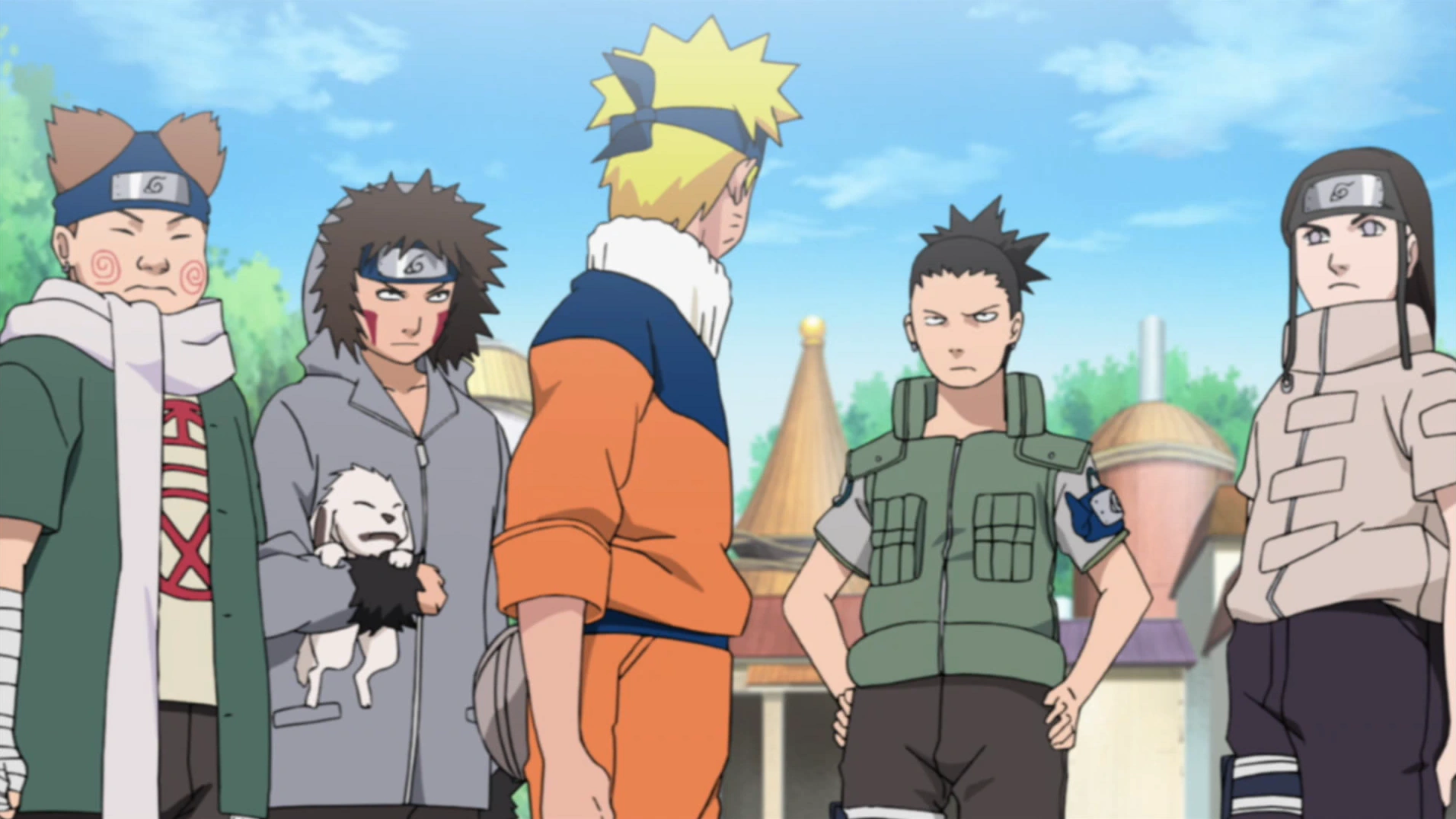
I used to watch scattered episodes of Dragon Ball Z and Naruto when they aired on TV in around 2006-2007. The former had reruns on Nicktoon and the latter aired on one of my local channels.
It often felt like there was too much padding in episodes sometimes because it took forever to reach an ending. I remember in one story arc, Naruto and his friends were rescuing a kidnapped Sasuke and it took multiple episodes to conclude. Maybe some of the backstory was necessary to understand the character’s development and motivations. However, sometimes using those as part of a plotline drags things down. You had to wait until next week to watch the show again on TV.
I also recalled watching scattered episodes of Dragon Ball Z Kai when I went over to a relative's place for vacation. There were plenty of times I hated watching Goku taking his damn time to fly over with his stupid cloud to help his friends fight Vegeta, only for him to get roped into some side quest that took like a couple more episodes.
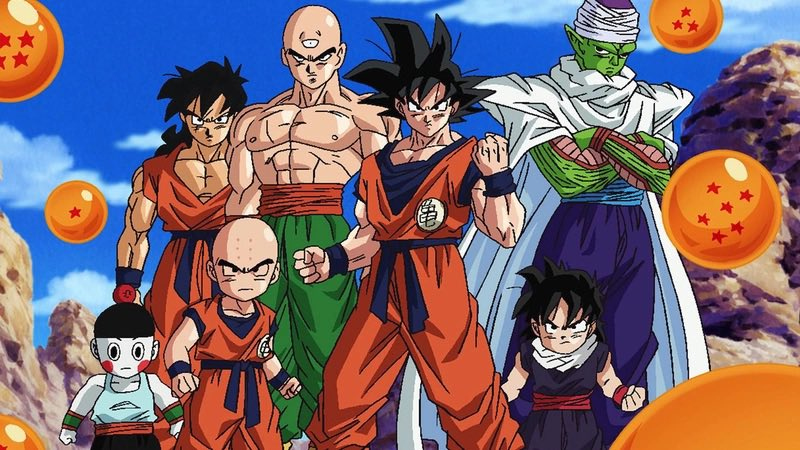
It’s safe to say that anime episodes have learned to trim the fat in recent years and follow a rigid adaptation that keeps some creative interpretations here and there.
No one likes filler episodes
Then there's the issue of filler episodes. Many anime fans who watched shows in the mid-2000s and early 2010s will remember when anime had episodes with original stories created for the adaptation itself. Filler arcs were universally hated by hardcore fans of a show because of the belief they didn’t add any value to an adaptation.
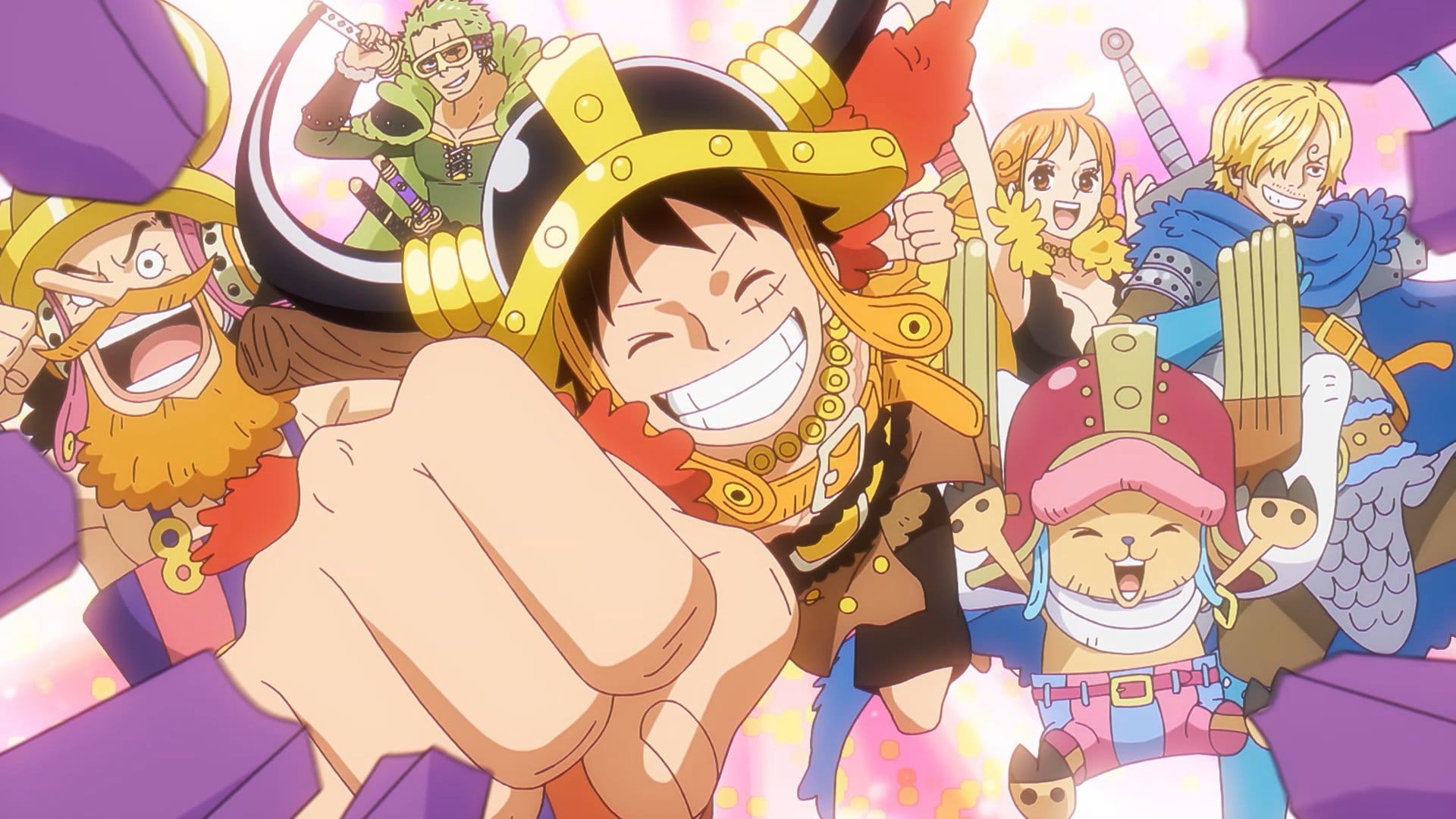
Major shonen anime like Bleach, One Piece, Naruto, and Fairy Tail had filler episodes because the adaptation wouldn't have more chapters to adapt otherwise. They worked as padding to delay a series’ overall story progression and keep the anime going, while giving manga creators more time to add to the source material.

I don’t think filler episodes and arcs would work as well as today like in the past. If an anime like Jujutsu Kaisen and Kagurabachi had filler episodes, the fans of those shows would riot in the streets. Maybe we’re missing something with the disappearance of filler episodes, but I don’t expect them to return unless a popular series gets an original movie or one-off OVA special.
The rise of streaming and split-cour releases
That brings us to the matter of streaming, which has given anime fans more flexibility and choice to watch whatever anime they want, whether on a legal or illegal website.
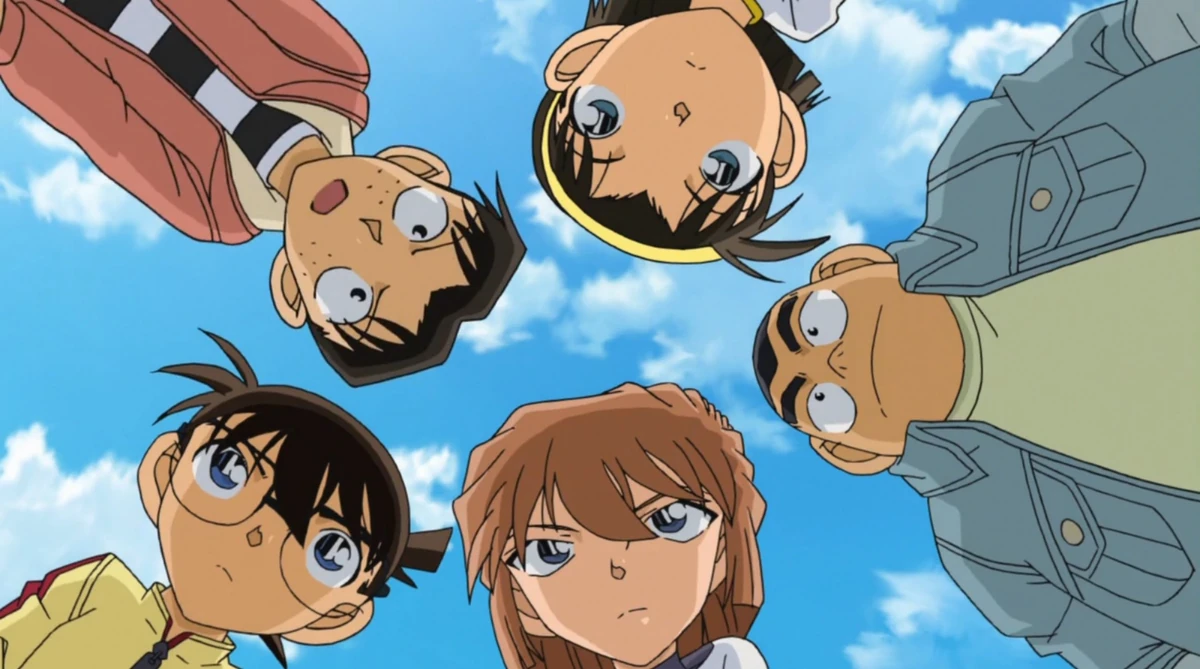
You’d be hard pressed to find a continuously broadcasting anime that’s still airing besides Detective Conan and Sazae-san. Right now, the most popular anime series are receiving multiple seasons with split cour formats that are released in-between seasons that could take a few months or around a year or two. Because of this, you end up waiting for a new season of anime rather than a continuous broadcast. Series like My Hero Academia, the Rising of the Shield Hero, or Rent-A-Girlfriend are adopting this split-cour release format and more seasons will get produced as long as the demand is there.
The release of shorter split-cour seasons (usually equaling to around 12 or 13 total episodes) points to a general trend of TV shows being produced with fewer episodes and more breaks. In the anime industry’s case, production teams can have limited resources and staff to get things done on time. Japanese animation studios are also fully booked up with new projects. I think sometimes this can work in an anime’s favor to hook and retain new viewers. However, it can also backfire and alienate existing fans, with Attack on Titan Final Season being an infamous example of how it released its multiple seasonal cours over three years while being hampered by production delays.
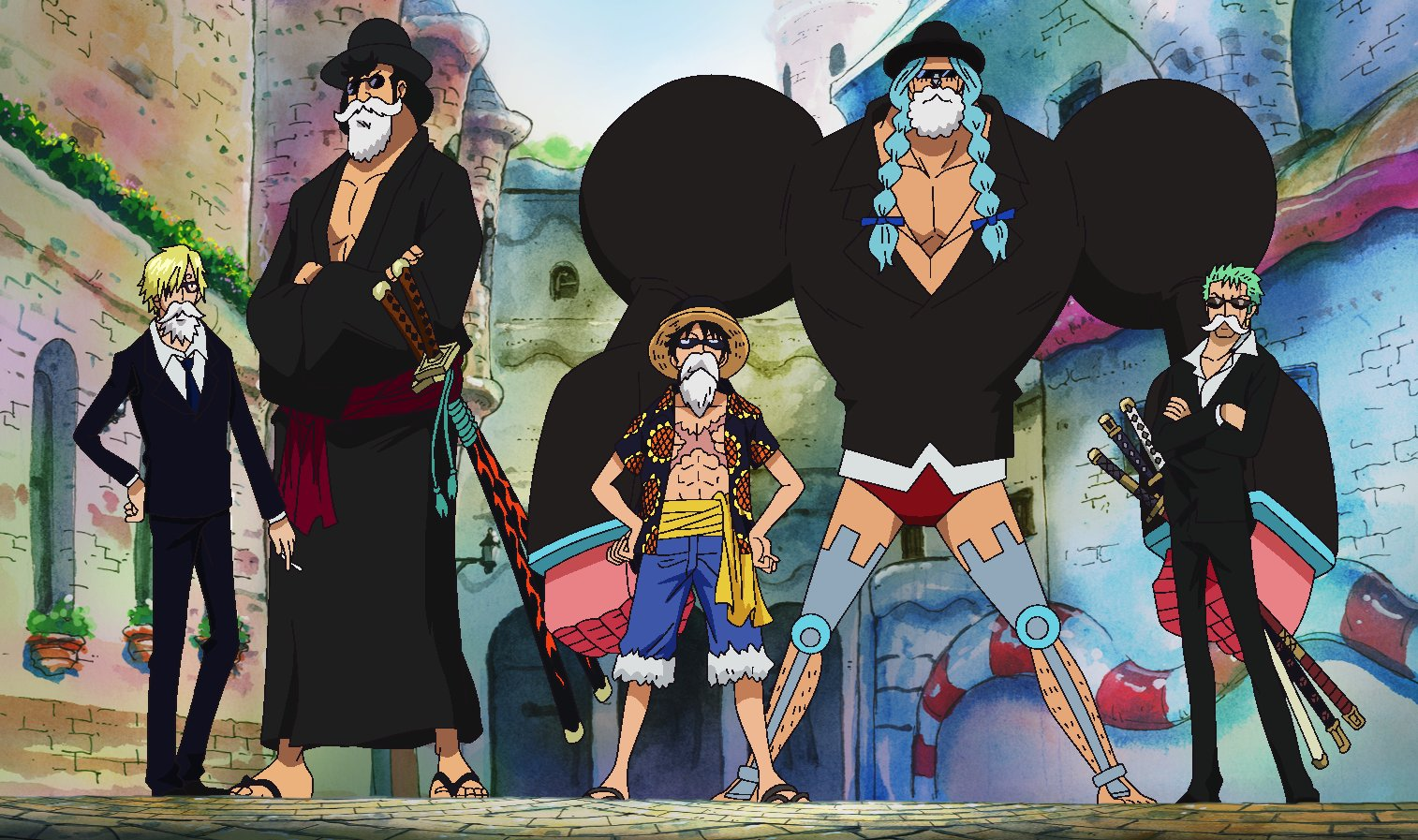
All in all, long running anime with multiple episodes and seasons aren’t coming back. I think something that confirmed my perspective on this is when One Piece announced this year that it would be adopting a two-cour annual release format. The anime has been airing consistently since it first aired in 1999 and has enjoyed a spike in fandom most recently. It’s a sign that times have changed and anime are being produced with a more manageable episode count.
We’re in a new age of anime viewership and time will tell if these shorter series will have the same impact as the anime we watched in the past.