The crowd gathered to watch Snail’s House react just as you’d expect them to while taking in the Japanese artist’s club-leaning set. The thousand-ish people bounce to the more upbeat tracks blaring out of the soundsystem, while they let off “woooos” when opportunities emerge during Keitaro Ujiie’s time behind the decks.
Only one thing doesn’t seem quite right with this club scene — that it’s happening at 2 p.m. on a Sunday steps away from a giant shopping mall.
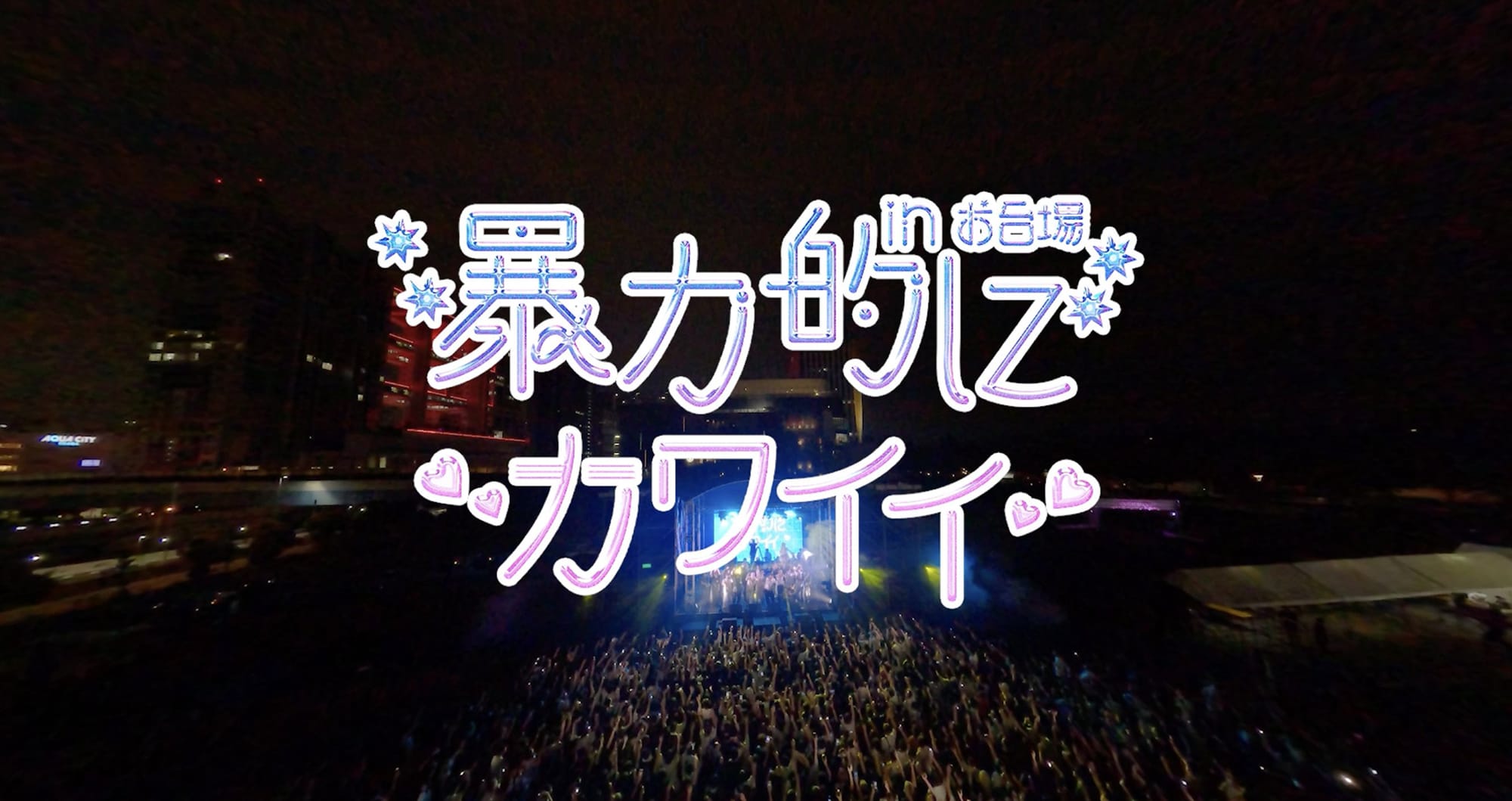
Yet this is exactly how the Bouryokuteki ni Kawaii festival in Tokyo’s Odaiba area played out over a weekend, offering a snapshot of how club culture in Japan’s capital is in flux.
#暴カワ DAY1ありがとうございました!自分の時は雨が降っていましたが、みんなが一緒に盛り上がってくれて幸せでした!!大感謝!!!!!!!明日もよろしくお願いします!!!!!!!!!!!!!!!!!!!!!!!!!! pic.twitter.com/FdKc6OZ1O2
— YUC'e ゆーしえ (@yuce_e) September 26, 2026
Held on Sept. 26 and 27, the event (often shortened to “Boukawa”) sprung out of smaller scale gatherings organized around creators in the “kawaii future bass” niche, though it’s better to think of it as a community emerging out of Shibuya’s Club Asia. That has grown into a proper fest organized by the folks at the long-running venue, with the 2026 version being the biggest to date.
Ignore the bigger picture pontifications for a second. As a festival, Boukawa is a fantastic gathering of electronic artists. The main stage housed acts that have been in this event’s orbit more or less since the start, highlighted by artists such as Tomggg, YUC’e, PSYQUI, and more. Many pulled double duty across the weekend, bringing out guests to keep sets fresh or performing with others (such as Snail’s House alter ego Ujico joining KOTONOHOUSE for a back-to-back set to close out day one).
#暴カワ Shelter pic.twitter.com/9sCop1d8qj
— Ujico*/Snail's House (@ujicosnail) September 26, 2026
Since this was a festival, there were other stages scattered around the area. The “Floor 2” area housed an assortment of names maybe not part of the core Boukawa nucleus but close enough to it to make sense. That group included veterans like DE DE MOUSE (joined by virtual-singer-appearing-in-person Yuka Nagase), foreign-born staples such as Moe Shop and Aiobahn +81, and emerging performers such as Kansai collective Invaders.
It was an always kinetic collection of contemporary sounds, offering a wonderful glance at the current state of the country’s electronic scene while also underlining how many creators who started out on SoundCloud had come. Boukawa 2026 felt like the perfect festival to capture how club culture works in Japan today.
Most telling though…no club.
Japan’s nightlife industry and particularly its nightclubs have been in flux since the COVID-19 pandemic. That years-spanning calamity resulted in venues having to be closed for extended periods of time, leading to many of them closing down permanently due to financial losses. Others, such as Club Asia, could survive COVID thanks to crowdfunding efforts. Plenty others, though, did not.
Fluorite at #暴カワ ✧ pic.twitter.com/YpRoqYoiBP
— moe shop (@korewamoe) October 7, 2024
Not helping were changes to Tokyo and other cities. Rising rents and redevelopment resulted in the end of spots such as Vision and Contact in Shibuya. The massive ageHa, once the literal biggest club in the country, shut down in 2022, erasing one of the largest entry points to potential clubbers.
Beyond COVID though, changes in what younger people in the country want from nightlife and entertainment in general emerged. At-home and online entertainment options became more prevalent (though, it’s worth noting, plenty of younger Japanese also got into music making during the pandemic, resulting in the current wave of artists coming up today). Nights out could be expensive or unhealthy, which isn’t appealing to a generation more interested in wellness. Drinking alcohol, especially, has become something Gen Z and younger in the nation do much less, and seeing as how many venues rely on alcohol sales to really turn a profit, this proved especially damaging.
Boukawa 2026 showed how these developments have manifested…and ways to take advantage of them. Thanks to COVID, more venues began holding day parties, which proved popular with younger punters…and so, this festival started at noon each day and ended well before most nightclubs usually open. Alcohol was being sold, but there weren’t that many younger customers imbibing in it, opting for energy drinks. It was all outside, alleviating any sickness concerns.
𝗗𝗔𝗬.𝟮 🔚 |2026.9.27 sun 12:00
— 暴力的にカワイイ (@kawaiibouryoku) September 27, 2026
🔪 暴力的にカワイイ in お台場🍭#暴カワ|𝖣𝖠𝖸 𝟤
𝗧𝗵𝗮𝗻𝗸 𝗬𝗼𝘂 "𝗕𝗢𝗨𝗞𝗔𝗪𝗔" 𝗣𝗲𝗼𝗽𝗹𝗲❣️
┈┈┈┈┈┈┈┈┈┈┈┈┈
[ 配 信 ] ➤ https://t.co/yMxNEObS5f pic.twitter.com/q50QuS8ACd
This is what works in Japanese club culture in 2026, and it was all on display at Boukawa this past September. How exactly this will mutate further in the years ahead remains to be seen — perhaps a greater shift to festival events like this rather than banking on weekend all-nighters.
Boukawa looked nothing like traditional clubbing…but it certainly sounded like it, with veterans of the country’s nightlife scene coming together a little earlier in the day to deliver the same energy. Whatever form it takes, the music itself will remain central to this community.